

Executive Overview
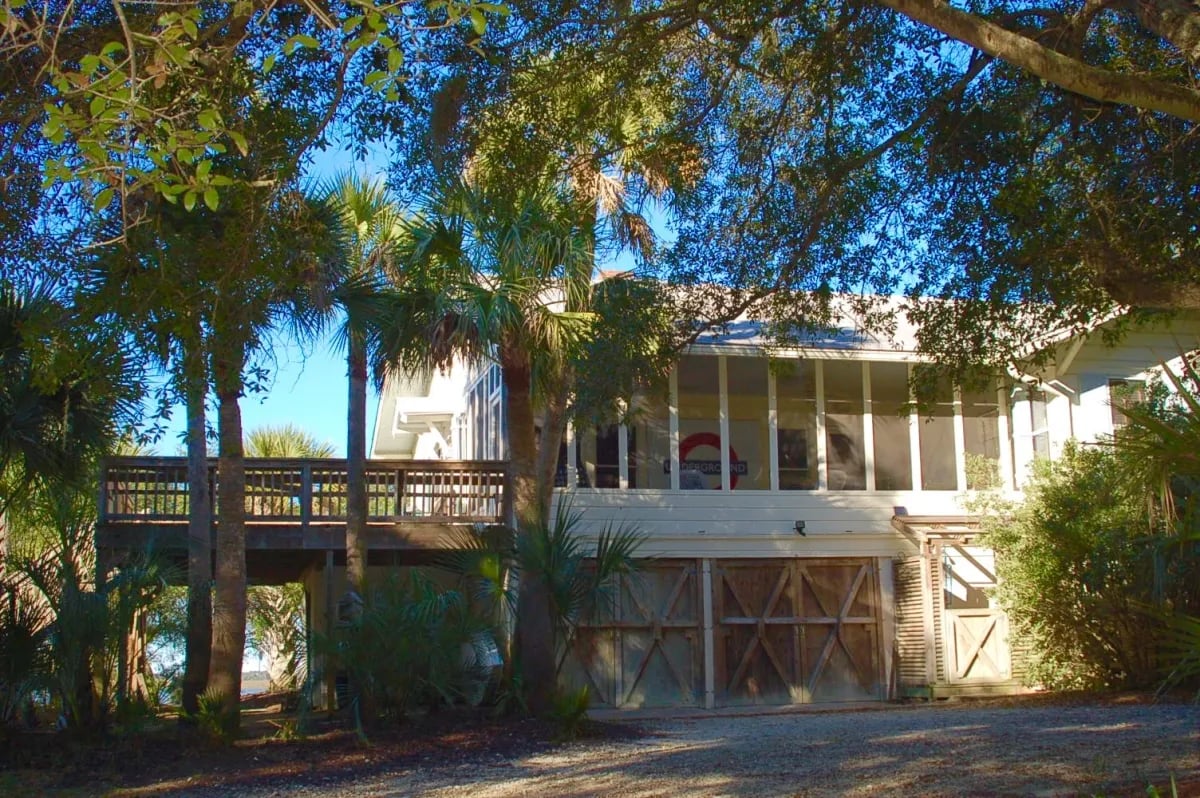
Nestled along the buzzing, highly commercialized coast of Folly Beach, South Carolina, lies a staggering anomaly: eighteen acres of dense, untouched maritime forest, meandering trails, and a rustic early-20th-century homestead. Known as the Folly River House, this private sanctuary serves as a de facto wildlife refuge and an eclectic artist’s retreat. Owned since 1999 by artist and retired e-commerce executive Jim Rocco, the property stands in stark contrast to the surrounding island’s modern evolution, which has been increasingly defined by vacation gridlocks, rapid real estate development, and the proliferation of short-term rental properties.
What is today a pristine ecological haven and a canvas for monumental outsider art was, less than a generation ago, an abandoned city dumping ground and a haven for squatters. Through decades of meticulous, hands-on stewardship, Rocco—alongside his late wife, Shann—fended off the pressures of commercial development to preserve a rare vestige of the South Carolina Lowcountry’s wild past. Today, the property operates not only as a private family retreat and a nascent boutique events venue, but also as a living museum for site-specific sculpture, a proving ground for young artisans from the American College of Building Arts, and a crucial sanctuary for native wildlife ranging from bald eagles and wading cranes to white-tailed deer and bobcats.
Detailed Chronology: From Dumping Ground to Ecological Gem
The Pre-1999 Era: A Forgotten Landscape
Long before Jim Rocco envisioned a sanctuary on the west side of Folly Beach, the eighteen-acre tract bore witness to layers of regional history. Archival records maintained by previous landowners indicate that during the 1930s, the property functioned as a summer camp for boys, echoing with the shouts of youths navigating the marshlands and maritime canopy. Looking further back into the nineteenth century, historians note that the dense, isolated terrain likely served as a staging area and supply depot for Union forces during the American Civil War—a legacy substantiated by the occasional artifact unearthed in the soil.
However, by the late 20th century, the land had fallen into severe neglect. Stripped of active stewardship, the property devolved into an impenetrable jungle. It served informally as a municipal dumping ground and a hideout for transients. To most prospective buyers passing through the booming beach town, the parcel was an obvious teardown—swampy, choked with invasive overgrowth, and seemingly devoid of commercial value.
1999: The Acquisition and the Legacy of the Naples Immigrant
The turning point for the property arrived in 1999, when Jim Rocco took a leap of faith driven by familial folklore. Growing up, Rocco frequently heard stories from his father and grandfather—an immigrant who had journeyed from Naples, Italy.
“There were stories from either my father or my grandfather, saying, ‘Hey, Jimmy, you see that property over there? I could have bought that for $10.’ Every time they told me this story, I put $1 in a jar,” Rocco recalls with a laugh.
Inspired by this ancestral regret and the desire to anchor himself in the landscape of his heritage, Rocco purchased the neglected tract and the crumbling, early-1900s cottage sitting upon it.
The physical reality of the acquisition was daunting. Recalling the initial state of the land, Rocco compares it to cinematic isolation: “The African Queen movie with Humphrey Bogart? Nothing on us. You couldn’t go ten feet. You couldn’t see the river. Everything was overgrown for years. It was just left here.”
The Two-Decade Transformation
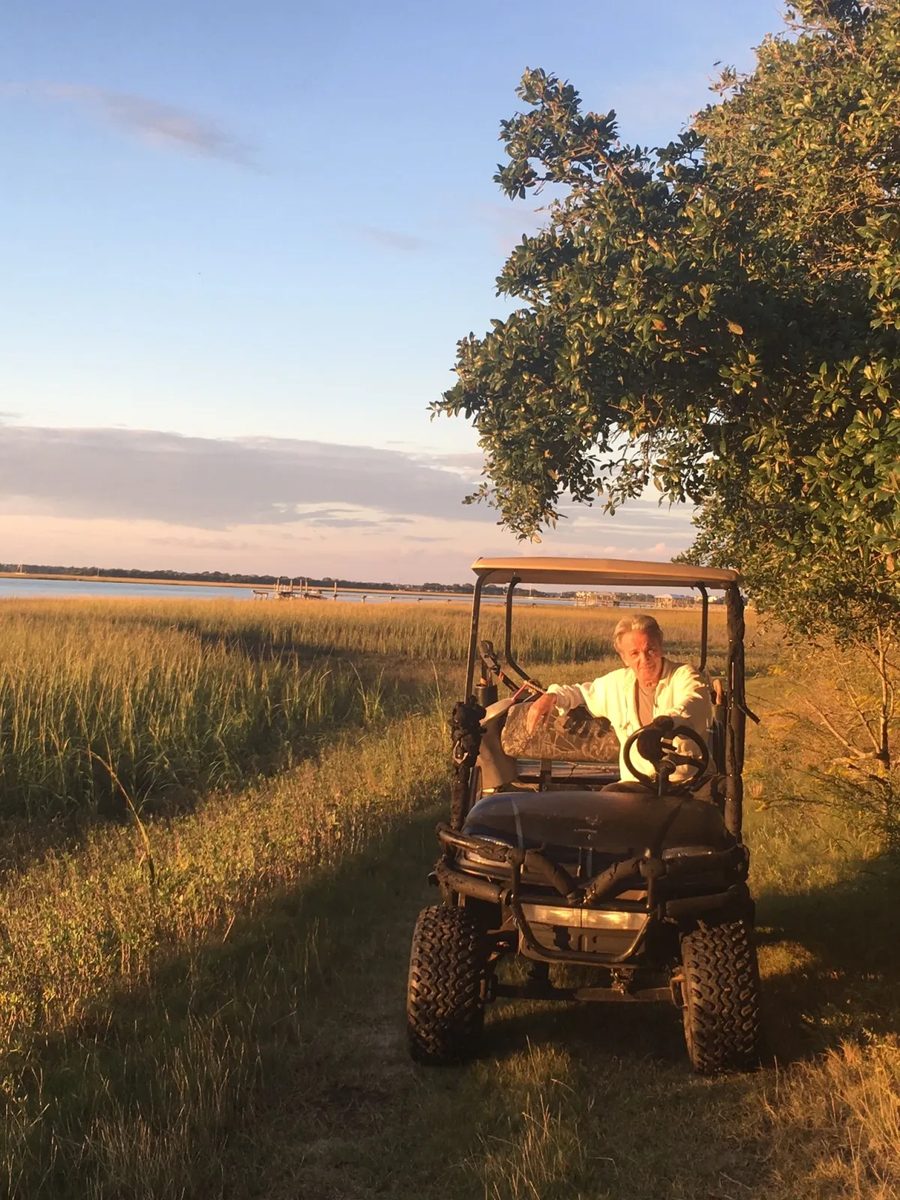
Armed with little more than persistence, a vision, and the unwavering intuition of his late wife, Shann, Rocco embarked on a twenty-year restoration project. Rather than clearing the land for subdivision or modern architectural development, the Roccos chose a path of radical preservation.
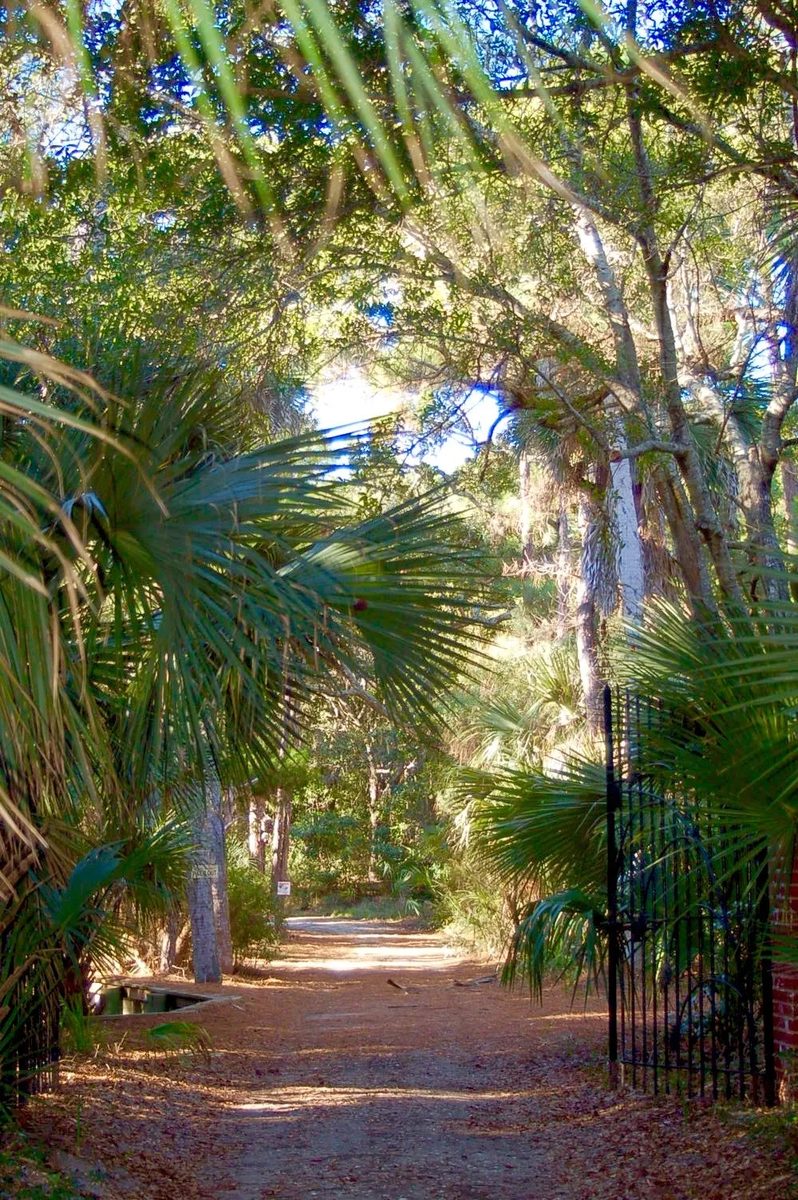
Slowly, invasive brush was cleared by hand, trails were carved through the dense swampy forest, and the historic main house was rehabilitated rather than replaced. Over time, the ecosystem rebounded. The re-emergence of a healthy canopy and protected undergrowth invited back native fauna. What began as an impenetrable wasteland systematically evolved into a thriving, self-sustaining micro-ecosystem.
Supporting Context & Metrics: Folly Beach and the Battle for Preservation
To truly understand the significance of Rocco’s eighteen-acre sanctuary, one must examine the broader geographic and real estate landscape of Folly Beach. Known historically and affectionately as "The Edge of America," the barrier island has undergone a dramatic transformation over the past three decades.
[Satellite View Comparison of Folly Beach]
+-------------------------------------------------------------+
|  [Grid Neighborhoods]  -->  [Commercial Rentals / Beach Houses]
|  [Folly River Marsh]   -->  [Tidal Expanses & Salt Marshes]
|  [Western Folly]       -->  [ROCCO'S 18-ACRE FOREST SANCTUARY]|
+-------------------------------------------------------------+
The Real Estate Pressures of Modern Folly Beach
A contemporary satellite view of Folly Beach tells a tale of stark contrasts. The majority of the island is mapped into a neat, high-density grid of neighborhood streets, densely packed beach houses, and commercial storefronts. In recent years, the rapid proliferation of short-term vacation rentals has sparked vigorous municipal debates concerning zoning, community character, and ecological strain.
Amidst this grid of asphalt, concrete, and rental properties, the west side of the island features a single, prominent green anchor: the dense, unbroken canopy of Rocco’s property. While surrounding land parcels have been repeatedly subdivided, cleared, and paved, these eighteen acres remain an ecological fortress.
Biodiversity Metrics and Wildlife Rehabilitation
The property’s value extends far beyond its aesthetic and historical footprint; it functions as a critical urban wildlife refuge. Because the surrounding barrier island has been heavily fragmented by human development, migratory birds and local fauna rely heavily on contiguous tracts of maritime forest for survival.
Naturalists and visitors to the Folly River House regularly document a diverse array of species:
- Avian Life: Resident bald eagles, ospreys, and great blue herons utilize the tall pines and river access for nesting and hunting.
- Mammalian Wildlife: White-tailed deer navigate the interior trails, while secretive predators like bobcats find safe passage through the dense undergrowth.
- Aquatic Ecosystems: The tidal dock interfaces directly with the Folly River, maintaining a healthy brackish marshland that supports numerous fish and crustacean species vital to the Lowcountry estuary.
Official Statements & Artistic Vision
Jim Rocco does not view himself as a traditional landowner or real estate speculator. Instead, he consistently refers to his role through the lens of custodianship.
The Philosophy of the Steward
"In the end we made the decision together. Keep it as is. Keep it special. And now it’s just a little gem. You come here and your world stops here," Rocco reflects, crediting Shann for cementing their commitment to ecological preservation.
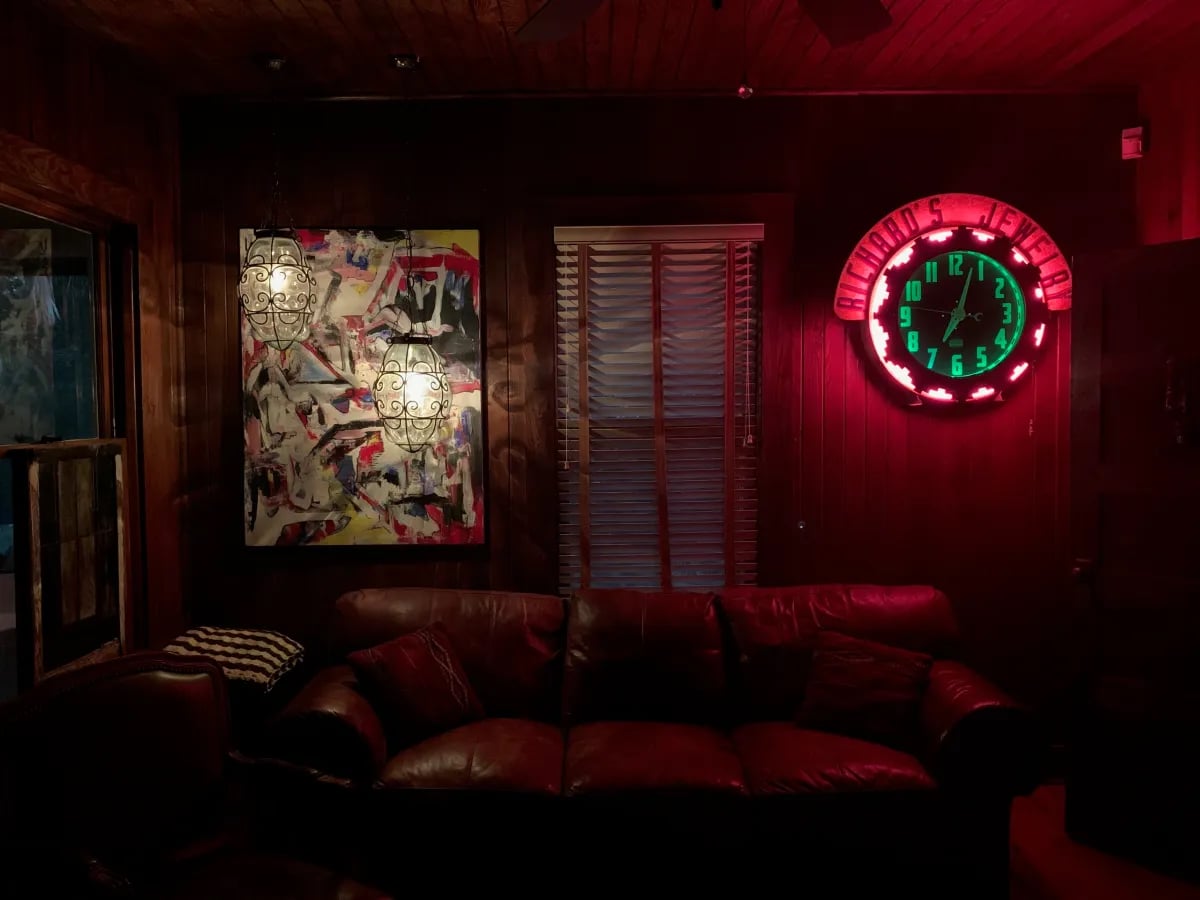
This ethos of preservation is mirrored in his artistic endeavors. A trained artist and retired e-commerce executive, Rocco utilizes his property as both a gallery and a workshop, integrating his passion for monumental sculpture with community mentorship.
Mentoring the Next Generation of Artisans
In his spare time, Rocco maintains a close relationship with the American College of Building Arts located in nearby Charleston. By providing students and young craftsmen with their very first professional commissions, he bridges the gap between historical preservation techniques and contemporary artistic expression.
Upcoming installations destined for the River House grounds highlight this unique collaboration:
- A Seven-Foot "Lizard Man" Statue: A whimsical nod to regional cryptid lore, hand-carved and assembled by emerging artisans.
- Mythological Commission Pieces: Detailed works including a majestic Poseidon throne and an intricately detailed Medusa head.
"Make magic. Be inspired. Get back to nature. For me, it’s that simple," Rocco states regarding his overarching creative philosophy.
The Iconic American Flag Sculptures
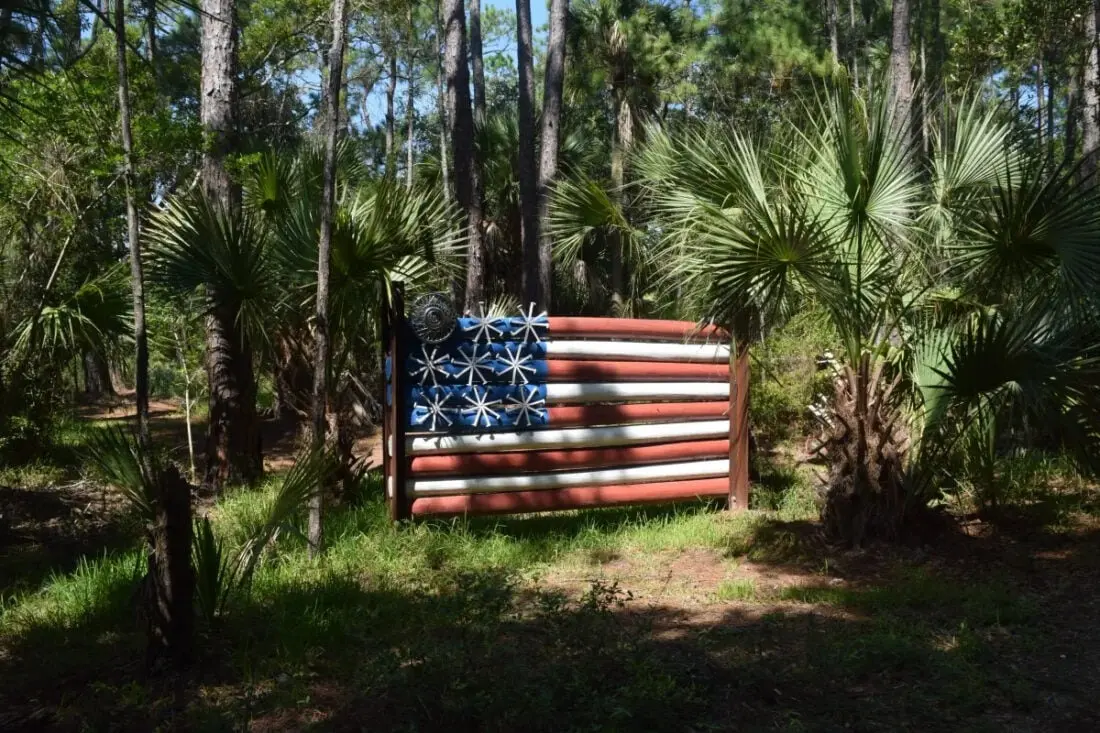
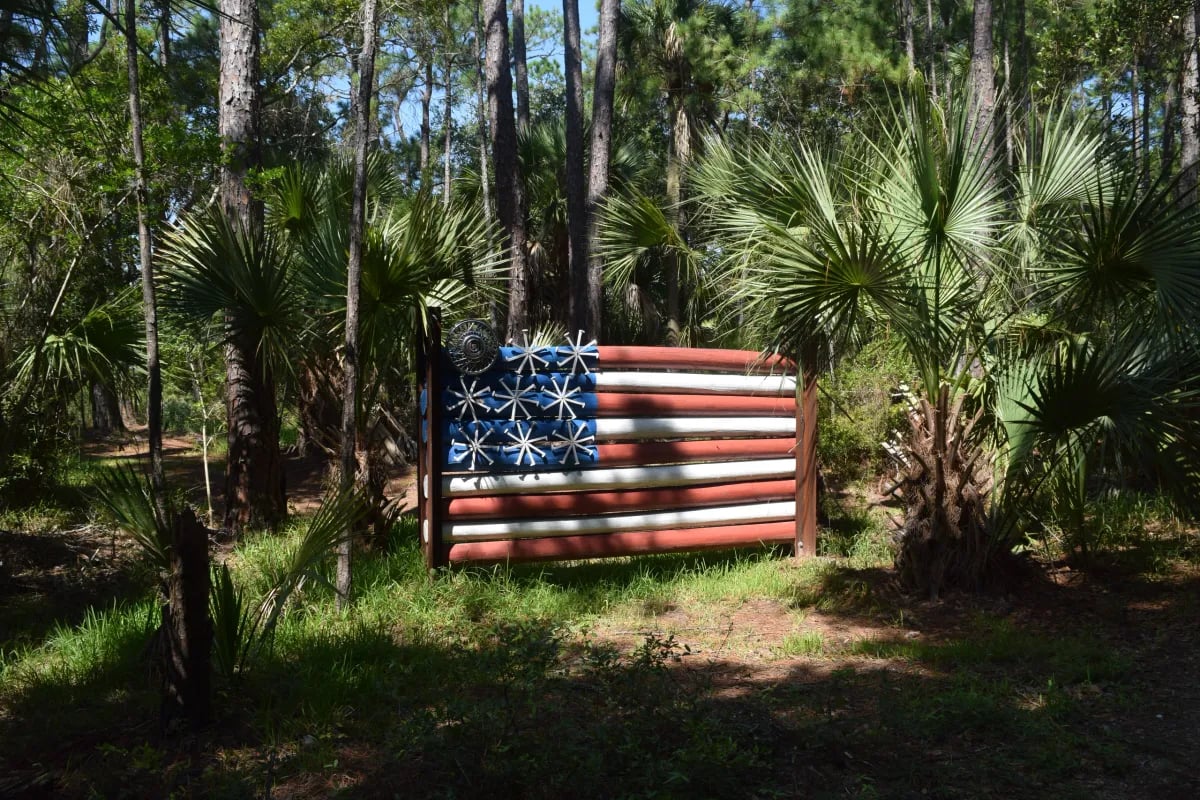
Rocco’s artistic footprint extends beyond the borders of his private forest. He is locally renowned for his monumental American flag sculptures crafted from stacked logs. Eschewing traditional materials, Rocco imbues these sculptures with deep historical and personal narratives by replacing the traditional stars with significant historical artifacts. Embedded within the wooden flags are Civil War bullets, an antique trombone, and his grandfather’s old pickax head.
His largest flag sculpture stands proudly on Folly’s Huron Avenue. Constructed using reclaimed wood from parts of the former Folly Beach Pier, the monument commemorates the dedicated laborers who constructed the new pier ahead of schedule and without complaint. Flanked by a welcoming sitting area and a sign bearing the town’s iconic moniker—The Edge of America—the sculpture serves as a physical bridge between Folly Beach’s gritty past and its community-driven present.
Future Outlook: Legacy, Succession, and Continuity
As Folly Beach continues to grapple with the pressures of commercialization and climate-related coastal vulnerabilities, the long-term viability of green spaces remains a pressing municipal concern. Rocco has taken proactive steps to ensure that the Folly River House survives long into the future.
Transitioning to a Boutique Events Venue
While the property is occasionally made available to travelers seeking a secluded retreat via platforms like Airbnb, its primary function remains deeply personal. It serves as a sanctuary for Rocco, his family, and close friends. However, to sustain the property’s considerable maintenance and preservation costs without compromising its ecological integrity, Rocco is currently formalizing a boutique events business tailored specifically to the site’s rustic, artistic ambiance.
Family Stewardship and Intergenerational Planning
To guarantee that the land will never fall victim to future subdivision or commercial development, Rocco has established a clear succession plan. Management and stewardship of the Folly River House are slated to pass directly into the hands of his daughter.
By passing the mantle of custodianship to the next generation, Rocco ensures that the eighteen-acre sanctuary will remain untouched—a living monument to family heritage, artistic freedom, and ecological preservation. In an era where the South Carolina coast is increasingly paved over in the name of progress, Jim Rocco’s woodland refuge stands as proof that preservation is a choice, and that true magic is found where civilization stops and the wild begins.

0 Comments