

Executive Overview
Nearly four and a half years into the devastating war in Ukraine, the kinetic reality of the conflict is bleeding across the border into neighboring Poland. For the residents of Dorohusk—a quiet, historically peaceful border community in eastern Poland—the war is no longer a distant geopolitical crisis monitored through television screens. Instead, it has transformed into an immediate, physical presence defined by flashing cell phone emergency alerts, the roar of military helicopters, the lingering scent of aviation fuel, and the concussive shockwaves of exploding munitions.
In late September 2026, the tension culminated when multiple emergency warnings lit up personal devices within a single 24-hour period. Citizens were urged to remain vigilant and prepare to take shelter as the spillover from aerial engagements in western Ukraine threatened Polish airspace. This localized anxiety is underscored by grave warnings from Warsaw’s highest offices. Polish Prime Minister Donald Tusk and defense officials have publicly cautioned that Moscow is systematically planning a campaign of hybrid warfare, deploying low-flying drones and rockets designed to test NATO resolve and destabilize European nations backing Ukraine.
As the Polish state rushes to deploy advanced air defense systems—including Patriot battery networks—and local authorities retrofit school basements into makeshift bomb shelters, the community of Dorohusk stands on the frontline of a shifting European security landscape. This report examines the unfolding crisis, the strain on civilian preparedness, the localized operational disruptions, and the psychological toll on border residents who find themselves living in the shadow of an escalating regional conflict.
Detailed Chronology of Events
The escalating security crisis in eastern Poland did not occur in a vacuum; it is the culmination of a steady, hazardous creep of the Russia-Ukraine war toward NATO’s eastern flank. The timeline of acute incidents highlights this dangerous trajectory:
- Early July 2026: Air defense radars across eastern Poland detect an unidentified aerial vector. A Russian missile, targeting Ukrainian infrastructure, violates Polish airspace, penetrating approximately 90 kilometers (56 miles) deep into the country before crashing in a rural area. While it results in no casualties, it serves as a terrifying wake-up call for civilian authorities.
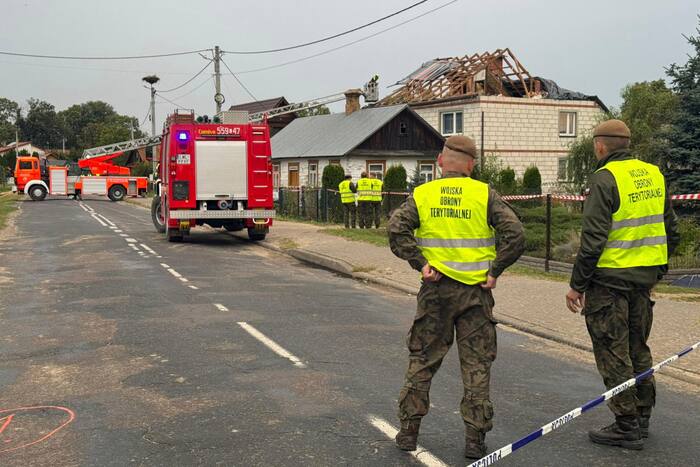
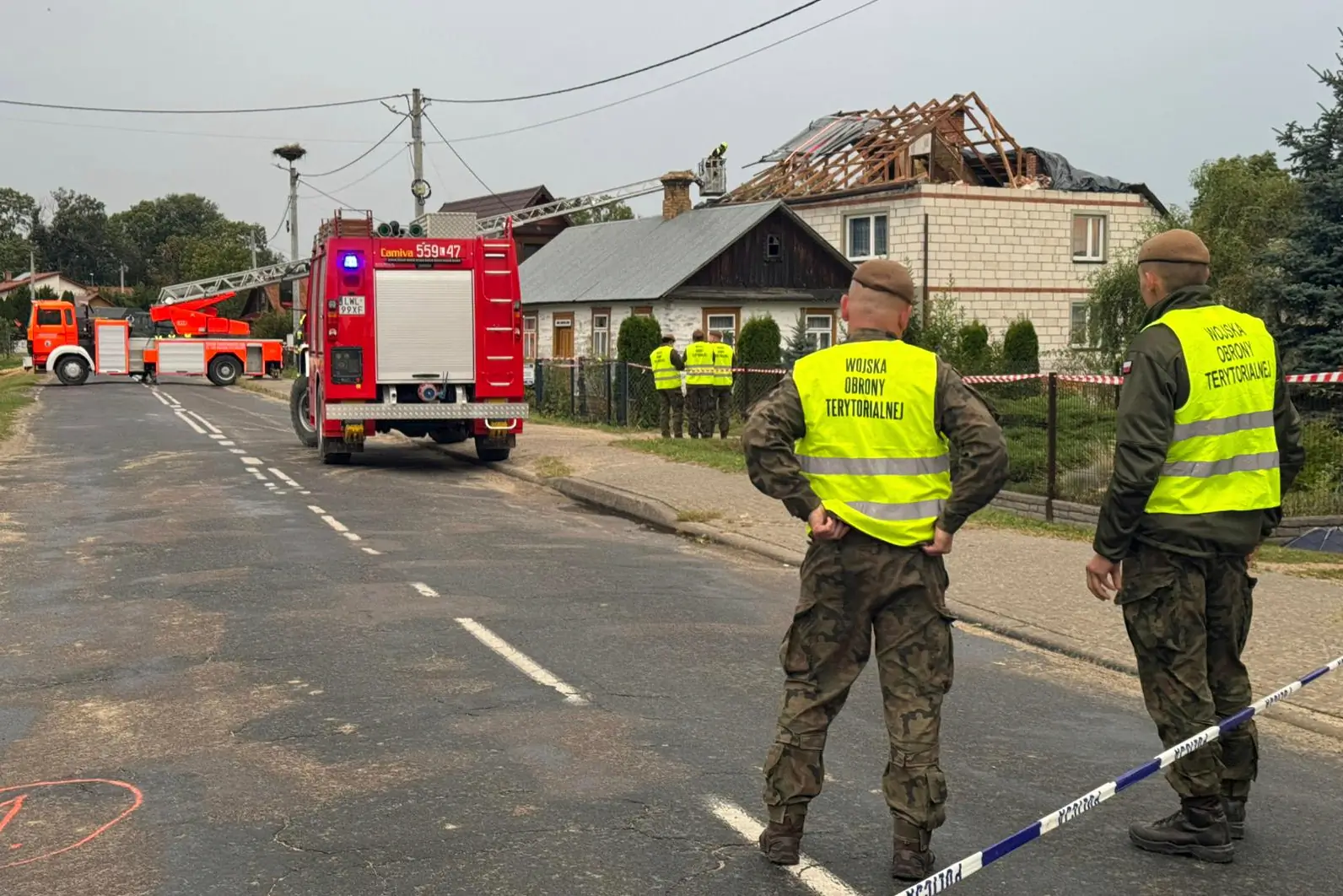
- September 11, 2025 (and subsequent incursions): Repeated violations of Polish airspace by Russian attack drones targeting western Ukraine lead to physical damage, such as a destroyed house roof in Wyryki near Lublin, forcing territorial defense units and firefighters into constant readiness.
- Early Hours of September 13, 2026: The war moves uncomfortably close to the border population centers when two Russian drones detonate on the Ukrainian side of the vital Dorohusk-Yahodyn border crossing. The concussive blasts are heard clearly by residents in Dorohusk, shattering the psychological buffer that had protected the village since 2022.
- September 17, 2026: Polish Prime Minister Donald Tusk issues a stark public warning, stating that intelligence services have uncovered Russian plans to orchestrate hybrid attacks utilizing drones and rockets against European logistics hubs and transit routes supporting Ukraine.
- September 22, 2026: Polish Defense Minister Władysław Kosiniak-Kamysz visits the Dorohusk-Yahodyn checkpoint. He announces the immediate reinforcement of the eastern frontier, confirming the deployment of advanced air defense elements, including Patriot missile batteries, to shield the border zones.
- Late September 2026 (On-the-ground observations): During reporting by international journalists in Dorohusk, emergency cell phone alerts sound three times in a single day. Cross-border traffic is suspended thrice, and border management personnel are temporarily evacuated as military helicopters patrol the pale blue skies overhead, leaving vapor trails that mark the invisible dividing line between peace and war.
Supporting Context & Metrics: The Strain on Infrastructure and Civil Defense
The geopolitical shockwaves hitting Dorohusk expose deep structural vulnerabilities in civil defense preparedness across eastern Poland. For four decades following the Cold War, regional infrastructure was built on the fundamental assumption of lasting peace. Today, municipal leaders are racing against time to adapt spaces designed for daily civic life into viable wartime refuges.
The Transformation of Public Spaces
In Dorohusk, the local school serves as a microcosm of this frantic adaptation. Principal Jarosław Wójcicki oversees the safety of hundreds of children who commute from surrounding villages. The institution has instituted daily psychological check-ins, led by the school psychologist, to help students process the constant hum of military aircraft and the looming threat of sirens.
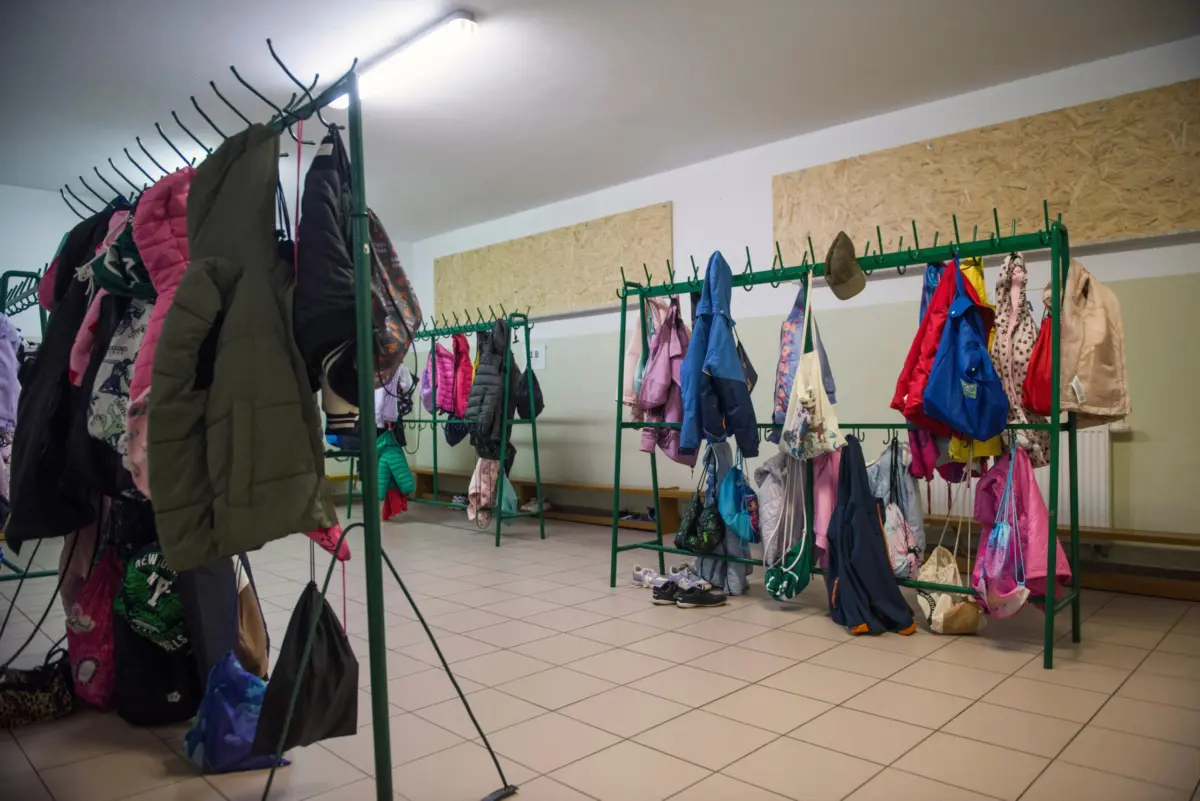
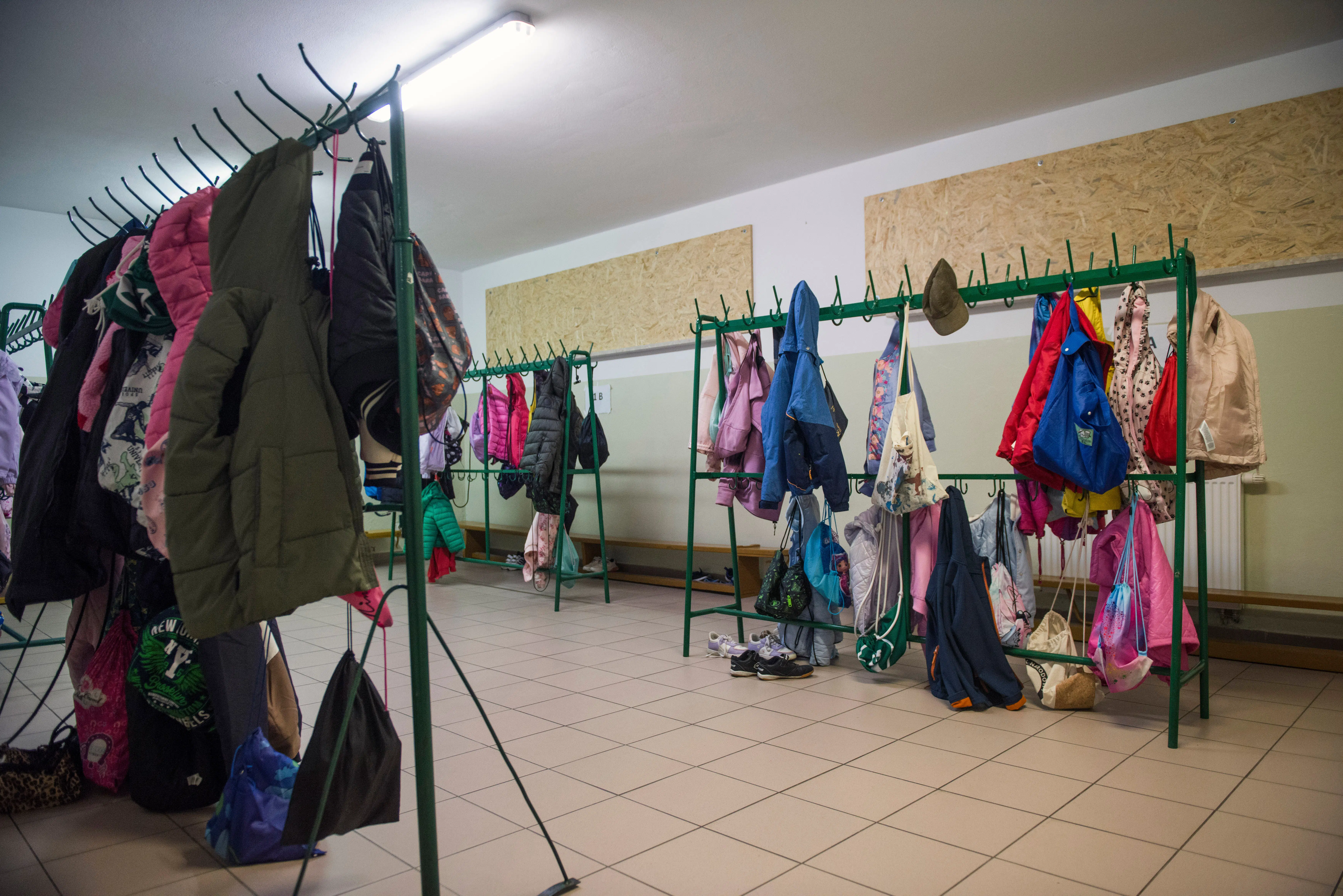
The school’s basement has been retrofitted into a rudimentary bomb shelter. Windows have been boarded up with heavy timber and reinforced materials to protect occupants from flying glass shrapnel in the event of a nearby shockwave. In the cloakrooms, children’s jackets and backpacks hang on racks immediately adjacent to emergency evacuation staging areas—a jarring juxtaposition of normalcy and existential dread.
The Logistics of a Frontline Border Crossing
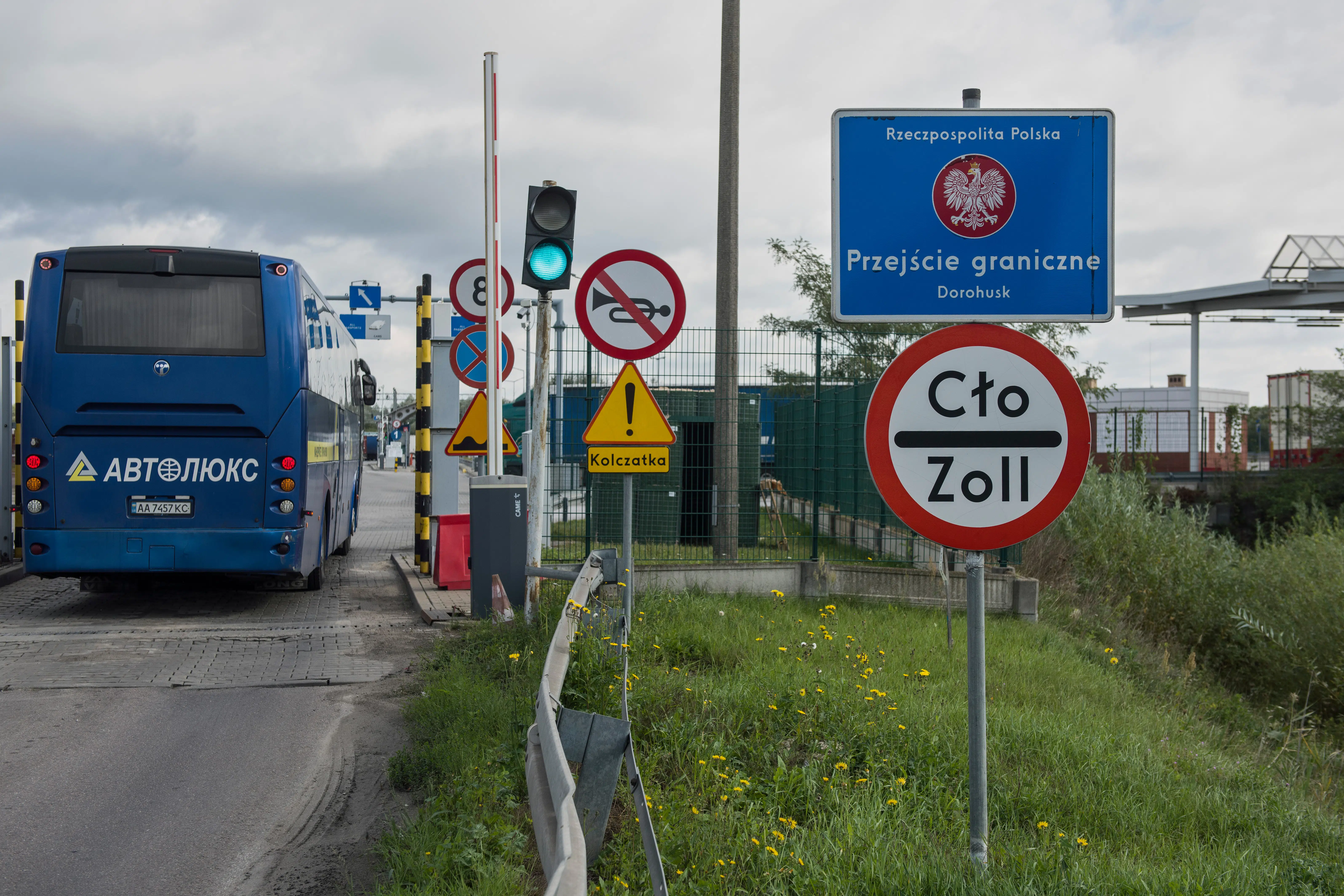
The Dorohusk-Yahodyn crossing is a vital economic and humanitarian artery between Poland and Ukraine. The operational reality here has fundamentally changed:
- Traffic Suspensions: Border processing lanes are routinely halted during active air raids in western Ukraine, stranding commercial trucks, buses, and passenger vehicles for hours.
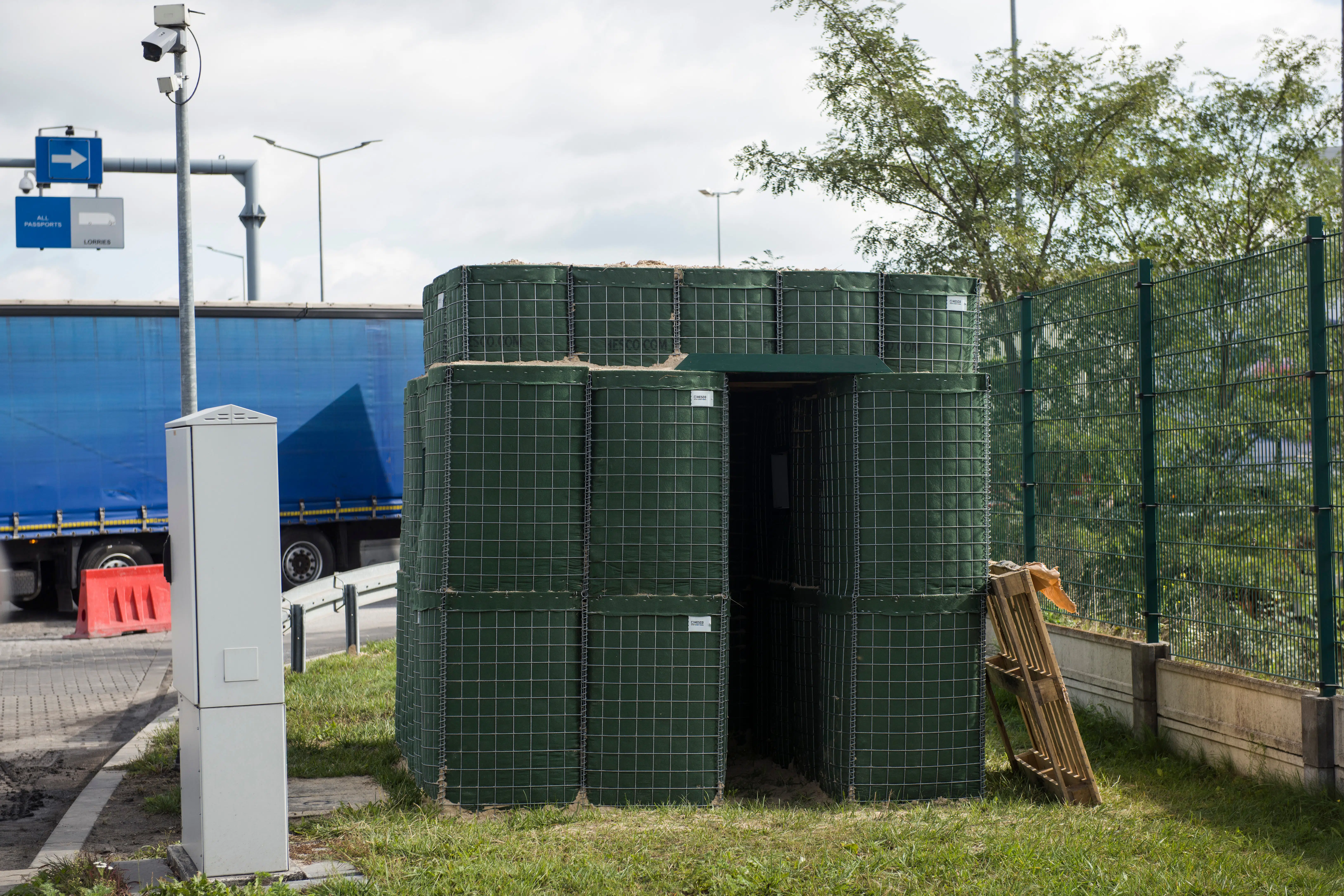
- Personnel Evacuations: Border guards and customs officials operate out of sandbagged bunkers constructed directly adjacent to processing lanes, pulling back to reinforced fallback positions whenever air raid warnings cross critical thresholds.
- Geographic Vulnerability: Situated merely 2 kilometers (1.24 miles) from the immediate zone of impact, the village experiences every tactical escalation in real-time.
Official Statements and Strategic Assessments
The Polish government and regional security coordinators have adopted an increasingly transparent, albeit alarming, posture regarding the nature of the Russian threat.
During his address in mid-September, Prime Minister Donald Tusk emphasized that Poland is the primary logistical hub for Western aid entering Ukraine, making it a prime target for Russian intelligence operations and hybrid provocations.
"Russia is actively testing the threshold of NATO’s collective defense through asymmetric, hybrid means," intelligence analysts note. "By employing loitering munitions and long-range drones that drift across borders, Moscow aims to induce psychological exhaustion among the civilian populace and political paralysis in Western capitals."
Defense Minister Władysław Kosiniak-Kamysz echoed these sentiments during his inspection of the Lublin Voivodeship border zone. By deploying Patriot air defense systems to the eastern provinces, Warsaw is signaling that any further incursions into NATO airspace will be met with active kinetic countermeasures.
However, local officials caution that military hardware alone cannot protect communities without robust civil resilience. Mirosław Sokal, head of resident safety for the nearby city of Lublin, admitted that the state is essentially starting from scratch when it comes to comprehensive civil defense.
"We are at the very beginning of the process of building state and societal resilience," Sokal stated. "For forty years, we lived under the assumption that large-scale conflict on our doorstep was an impossibility." In the absence of a dense network of modern fallout shelters, local authorities are falling back on rudimentary survival doctrines—such as advising citizens to shelter in home basements and ensure at least two solid walls separate them from exterior glass windows during an alert.
Future Outlook: Living on the Edge of Uncertainty
As the war in Ukraine grinds forward into its fifth year, the human element in Poland’s borderlands remains caught in a complex emotional tug-of-war between stoicism, confusion, and growing fatigue.
Interviews with Dorohusk residents reveal a fractured societal response to the perpetual state of alert. For elderly residents like Irena Popek, whose home infrastructure—such as a flooded basement—leaves her entirely without a viable shelter, the warnings evoke a sense of helpless resignation. Meanwhile, local workforce participants, such as shop employee Renata Pastuszo, maintain a policy of determined normalcy, arguing that keeping a positive spirit is essential to resisting psychological demoralization.
Yet, a pervasive frustration surrounds the frequency and vagueness of the emergency alert system. As local resident Krzysztof Rulka pointed out, frequent general alerts without precise, localized directives leave citizens wondering how to react. "If a drone is striking the center of Dorohusk, I know what to do," Rulka remarked. "But constant warnings about air attacks miles away in Ukraine leave us feeling helpless—are we supposed to pack up and run?"
Looking forward, Poland’s eastern frontier faces a tense, uncertain future. The success of the government’s hybrid defense strategy will depend not only on the deployment of Patriot batteries and radar installations, but on bridging the gap between high-level military deterrence and grassroots civil preparedness. Until robust, accessible public shelters are constructed and communication protocols are refined, the citizens of Dorohusk will continue to live their daily lives tethered to their cell phones, watching the skies, and waiting to see where the next shadow of the war may fall.

0 Comments