

Executive Overview
As the twenty-fifth anniversary of the September 11, 2001, terrorist attacks approaches, a profound demographic and historical shift is underway across college campuses in the United States. For today’s undergraduate students—the vanguard of Generation Z, born roughly between 1997 and 2012—the events of that fateful Tuesday morning do not exist as living memory. Instead, they reside exclusively in the realm of history textbooks, digital archives, and cultural mythology.
For these young adults, the collapse of the World Trade Center towers, the strike against the Pentagon, and the heroic resistance aboard Flight 93 in rural Shanksville, Pennsylvania, occurred years before they were born. Yet, while the day itself is an abstraction, its monumental fallout has dictated the structural parameters of their entire lives. From ubiquitous airport security checkpoints and sweeping surveillance architectures to perpetual foreign military engagements and deep-seated political polarization, the legacy of 9/11 forms the invisible atmosphere Gen Z breathes.
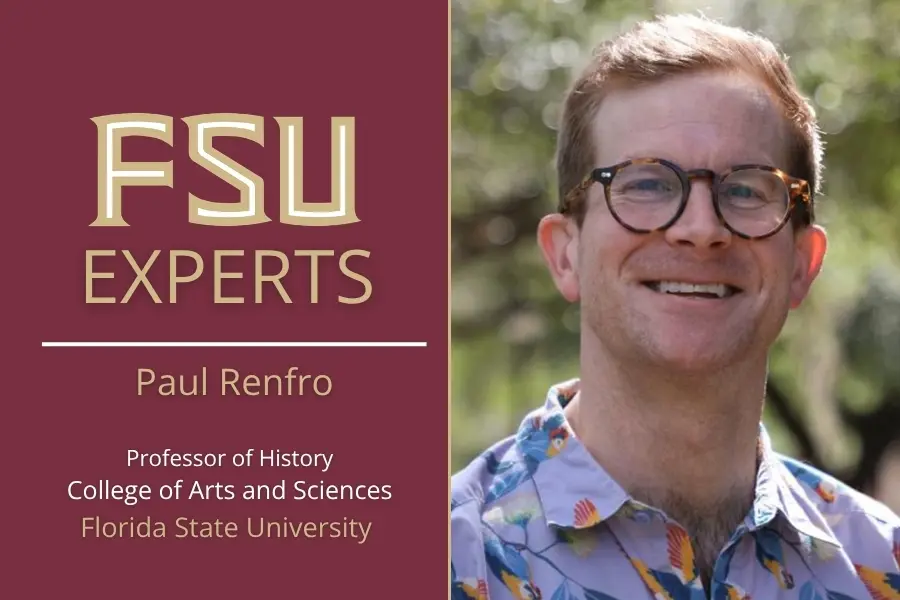
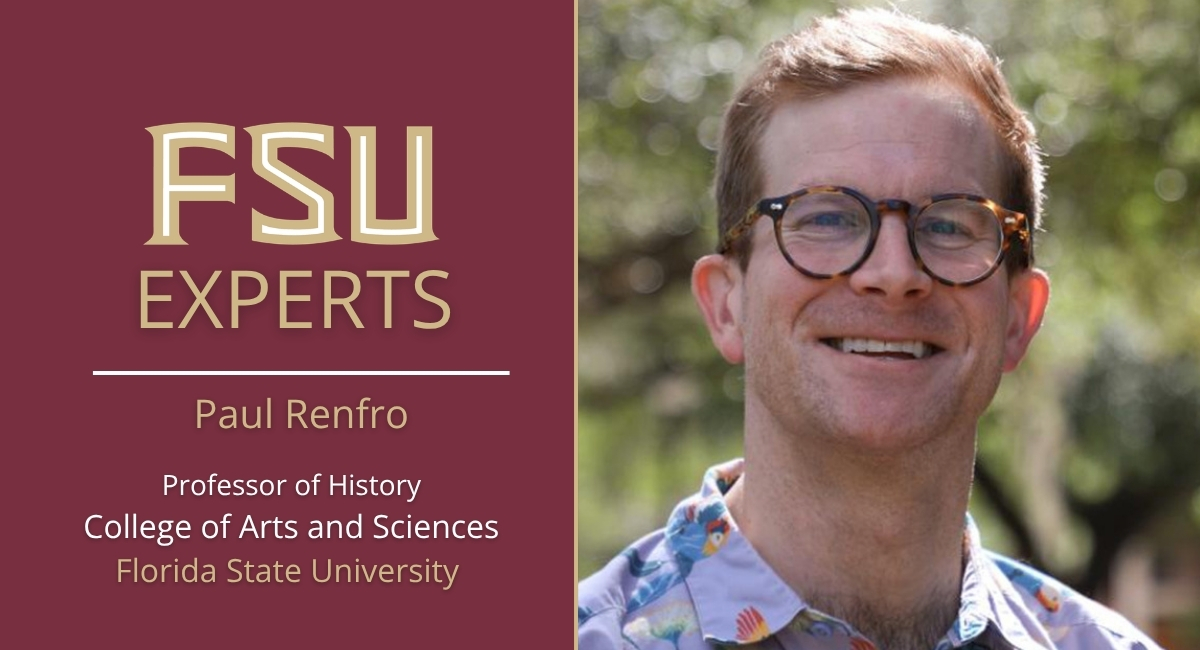
At Florida State University (FSU), Professor of History Paul Renfro is confronting this pedagogical challenge head-on. In his specialized coursework, including the influential "U.S. in the 21st Century" class, Renfro employs innovative archival methodologies to bridge the chasm between firsthand experience and historical abstraction. Rather than simply lecturing on dates and structural outcomes, Renfro plunges his students into the raw, unfiltered digital and oral primary sources of the era. By examining the frantic early message boards, pioneering online forums, and visceral oral histories of 2001, his students witness the crystallization of history in real time.
This article explores how educators are adapting to teach the defining trauma of the early 21st century to a generation entirely removed from it. It examines the pedagogical techniques utilized at institutions like FSU, analyzes the psychological parallels between post-9/11 national panic and recent contemporary crises, and evaluates how Generation Z uniquely interprets the ongoing consequences of the Global War on Terror.
Detailed Chronology: From Real-Time Chaos to Historical Consciousness
To understand how contemporary students learn about September 11, educators must deconstruct both the event itself and the frantic manner in which information was disseminated, consumed, and distorted. In his curriculum, Professor Renfro utilizes two primary archival anchors: the Columbia University 9/11 Oral History Project and the historic Metafilter community blog thread launched the morning of the attacks.
The Morning of September 11, 2001: A Digital Time Capsule
When hijacked American Airlines Flight 11 struck the North Tower of the World Trade Center at 8:46 a.m. Eastern Time, the modern internet was still in its relative infancy, yet powerful enough to instantly broadcast digital panic. Metafilter—an early, pioneering weblog and community discussion platform—became an impromptu digital town square as the disaster unfolded.
Within moments of the first crash, users began posting fragmented updates, wild speculations, expressions of profound shock, and early eyewitness accounts. For modern students raised in an era of hyper-accelerated social media, algorithmic misinformation, and real-time viral tragedy, the Metafilter thread offers an uncanny mirror. It demonstrates that the human impulse to crowdsource information, panic, and spread unverified rumors during an unprecedented catastrophe is not a byproduct of modern platforms like X (formerly Twitter) or TikTok, but a recurring phenomenon of the digital age.
Renfro points to these digital artifacts as masterclasses in historiography. "In that way, it’s not only a wonderful primary source document, it also kind of exemplifies how history is made, and how the first draft of history is written," Renfro observes. By reading user comments posted at 9:02 a.m. on September 11—moments before the South Tower was struck—students can look past the sanitized, chronological narratives found in standard textbooks and confront the raw, unpolished terror of a nation caught entirely off guard.
The Oral Histories: Preserving Human Resonance
Complementing these digital forums are the extensive archives compiled by the Columbia University 9/11 Oral History Project. This initiative captured the firsthand testimonies of first responders, survivors, downtown residents, medical personnel, and government workers.
For Generation Z students—who are accustomed to mediated, highly curated digital identities—these oral histories strip away political rhetoric and focus heavily on the psychological and physical reality of survival. Hearing firefighters, nurses, and office workers describe the ash-choked streets of Lower Manhattan humanizes an event that risk-averse media coverage has often elevated to mythic, untouchable proportions.
Supporting Context & Metrics: The Sociopolitical Inheritance of Generation Z
While the morning of 9/11 remains historically distant to college students, its long-term institutional and geopolitical consequences are intensely familiar. To grasp how Gen Z navigates this inheritance, it is vital to examine the metrics and systemic changes wrought by the post-9/11 era.
The Infrastructure of Security and Surveillance
Consider the domestic policy shifts that occurred immediately following the attacks:
- The USA PATRIOT Act: Passed by overwhelming congressional majorities in October 2001, this legislation vastly expanded the surveillance authorities of federal law enforcement agencies, fundamentally altering privacy expectations in the United States.
- The Department of Homeland Security (DHS): Established in 2002, DHS consolidated 22 federal agencies into a massive bureaucratic apparatus dedicated to domestic security, altering travel, immigration, and emergency management.
- The Transportation Security Administration (TSA): Created in November 2001, the TSA permanently institutionalized rigorous airport security protocols—such as removing shoes, limiting liquids, and passing through advanced body scanners—that define every flight taken by members of Gen Z.
For young adults who have never known a world without metal detectors at public venues, heightened border checks, and continuous digital monitoring, these interventions are simply the baseline of modern citizenship.
The Global War on Terror and Its Human Toll
Geopolitically, the post-9/11 era initiated prolonged, multidecade military engagements that consumed trillions of dollars and cost hundreds of thousands of lives.
- The War in Afghanistan (2001–2021): Spanning the entirety of Gen Z’s infancy and childhood, this conflict became America’s longest war, concluding with a chaotic withdrawal in August 2021 just as the oldest members of this generation were entering adulthood.
- The Iraq War (2003–2011): Launched under the banner of eliminating weapons of mass destruction, the invasion reshaped the Middle East, destabilized regional power dynamics, and fostered deep-seated public skepticism regarding government transparency and intelligence reports.
Renfro emphasizes that while college students struggle to conceptualize 9/11 as a single, discrete 24-hour crisis, they possess an acute, lived understanding of its downstream effects. "That is where students kind of intervene, or they understand how that happened, because they do comprehend what the global war on terror has done; that’s something that has impacted their lives," Renfro explains. "As a single day, 9/11 is not something they’re going to be entirely familiar with."
Official Statements & Academic Insights
The pedagogical strategies deployed at Florida State University reflect a broader nationwide reappraisal of how twentieth- and twenty-first-century history is taught to post-millennial cohorts. Educators are increasingly shifting away from rote memorization of dates toward analytical frameworks that help students connect historical trauma to contemporary political behavior.
The Psychology of National Trauma
A central pillar of Professor Renfro’s instruction involves exploring how collective trauma distorts decision-making processes, stifles dissent, and paves the way for further crisis. Drawing inspiration from historical analyses of the post-9/11 environment—which various historians and cultural critics have described as a period of acute national panic or "psychosis"—Renfro connects this emotional climate to events witnessed by his students during their own lifetimes.
"I think to a lot of students, that really resonates with them, not because they understand that feeling on a fundamental level, but they can see how that might happen," Renfro notes, referencing the intense atmosphere of fear, patriotism, and retaliation that gripped the United States in late 2001.
By analyzing this psychological formula—how fear and confusion can paralyze a nation and open the door to aggressive foreign policies and domestic overreach—students develop critical thinking skills applicable to modern sociopolitical phenomena. Whether examining responses to global pandemics, economic recessions, or polarizing political movements, Gen Z learners can trace a direct line from the legislative and cultural reflexes of post-9/11 America to current governance challenges.
+--------------------------------------------------------------------------+
|                     THE CYCLE OF COLLECTIVE TRAUMA                       |
|                                                                          |
|  [ Catastrophic Event ] --> [ National Panic & Fear ] --> [ Policy Overreach ]
|           ^                                                       |
|           |----------------- ( Creates New Trauma ) <-------------|
+--------------------------------------------------------------------------+
Bridging the Generational Divide
As living witnesses to September 11—parents, professors, veterans, and journalists—gradually age out of the daily workforce, the responsibility of preserving accurate historical memory falls heavily on rigorous archival practices. Experts argue that treating 9/11 as ancient history rather than sacred memory allows younger generations to critique the era with greater objectivity. Unburdened by the raw, unmitigated grief and immediate anger that defined late-2001 America, Gen Z scholars can evaluate the geopolitical miscalculations, civil liberties violations, and media failures of the era without personal defensiveness.
Future Outlook: The Next Quarter-Century of Historical Inquiry
As the twenty-fifth anniversary of the September 11 attacks arrives, higher education stands at a fascinating crossroads. The cohort sitting in lecture halls today views the event with the same detached historical curiosity that previous generations reserved for the assassination of John F. Kennedy, the launch of Sputnik, or even the attack on Pearl Harbor.
This transition from living memory to formal history does not diminish the significance of the event; rather, it elevates its analytical importance. Instructors like Paul Renfro at Florida State University demonstrate that effective history education does not rely on emotional contagion or inherited trauma. Instead, it relies on primary source interrogation, digital literacy, and structural evaluation.
By utilizing platforms like the Columbia Oral History Project and early internet artifacts like Metafilter, educators are teaching students how to dissect the anatomy of a crisis in real time. They are proving that understanding September 11 is not merely about mourning a vanished past, but about decoding the complex institutional, technological, and political systems that govern the present day.
Ultimately, Generation Z may not remember the ash falling over lower Manhattan, but they are uniquely positioned to analyze where the smoke cleared—and where the embers continue to burn.
Media outlets, researchers, and educators interested in further exploring pedagogical approaches to modern historical trauma or interviewing FSU Professor of History Paul Renfro regarding his curriculum can contact him directly via email at [email protected].

0 Comments