

Executive Overview
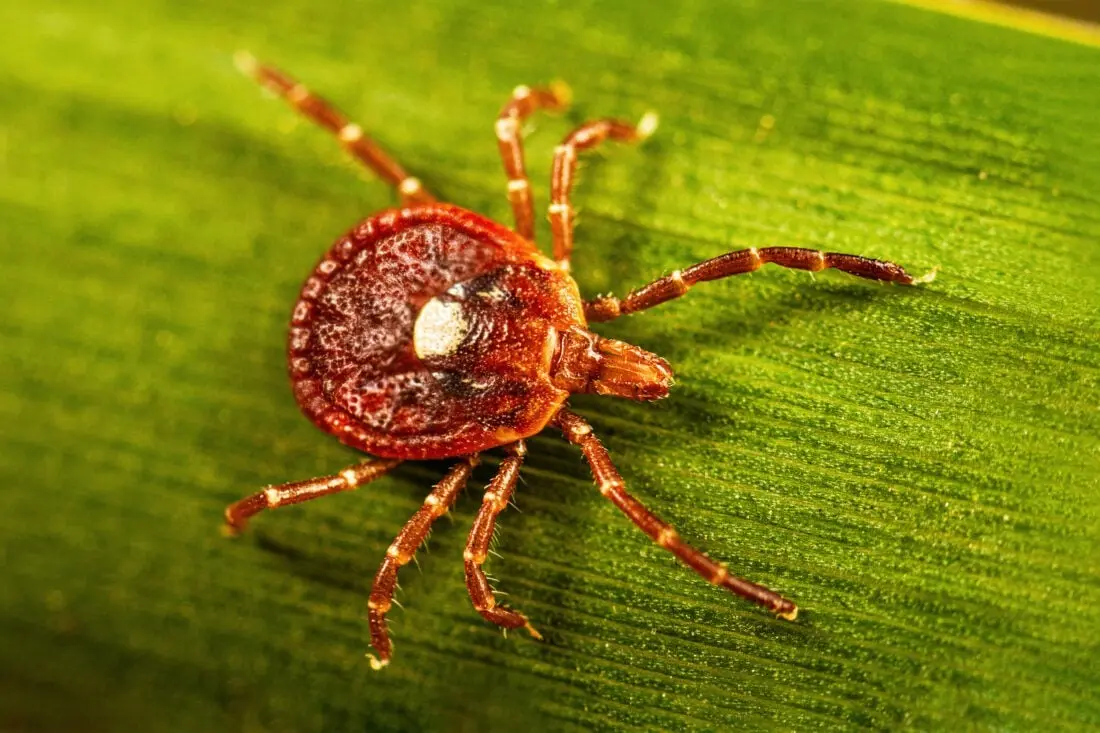
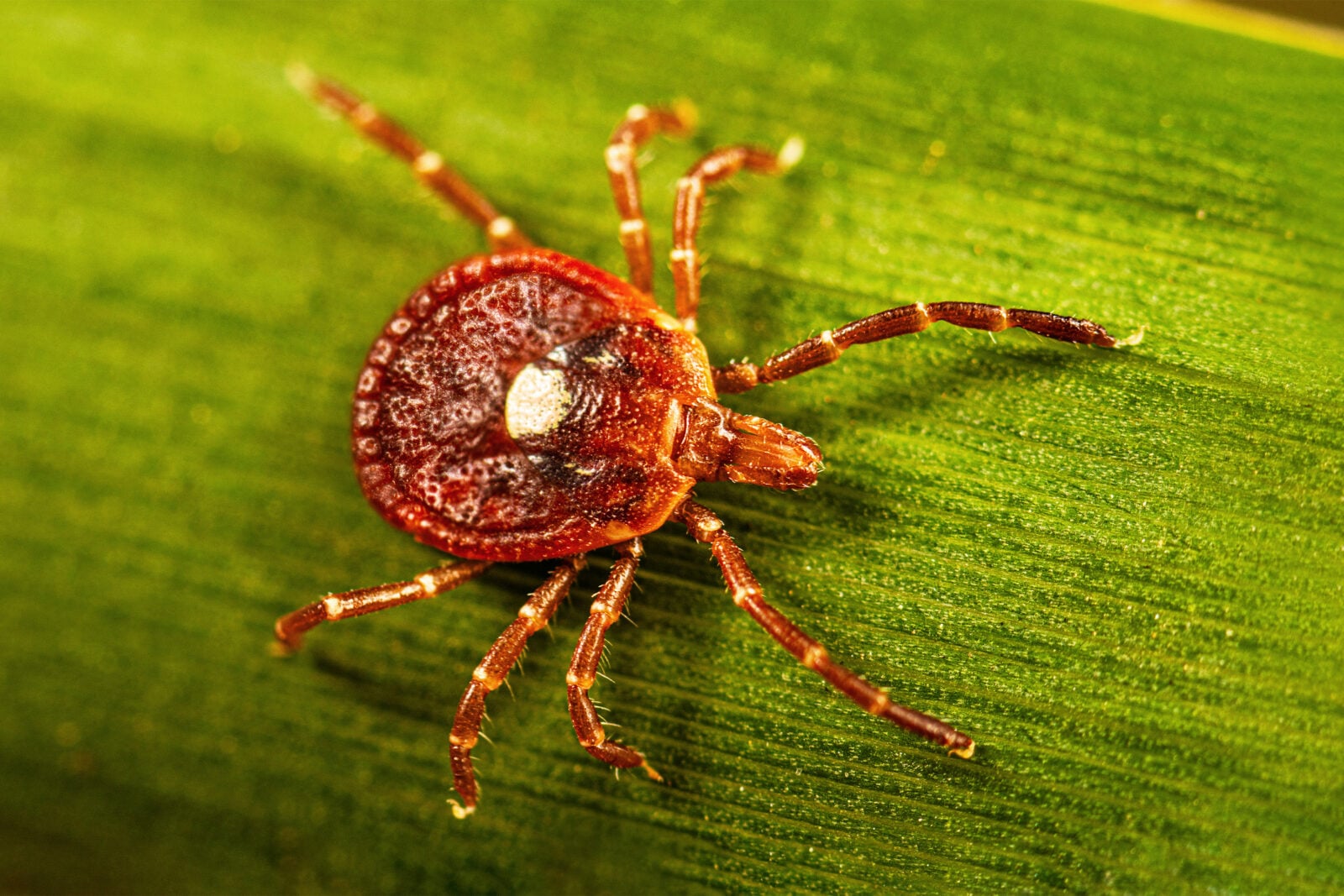
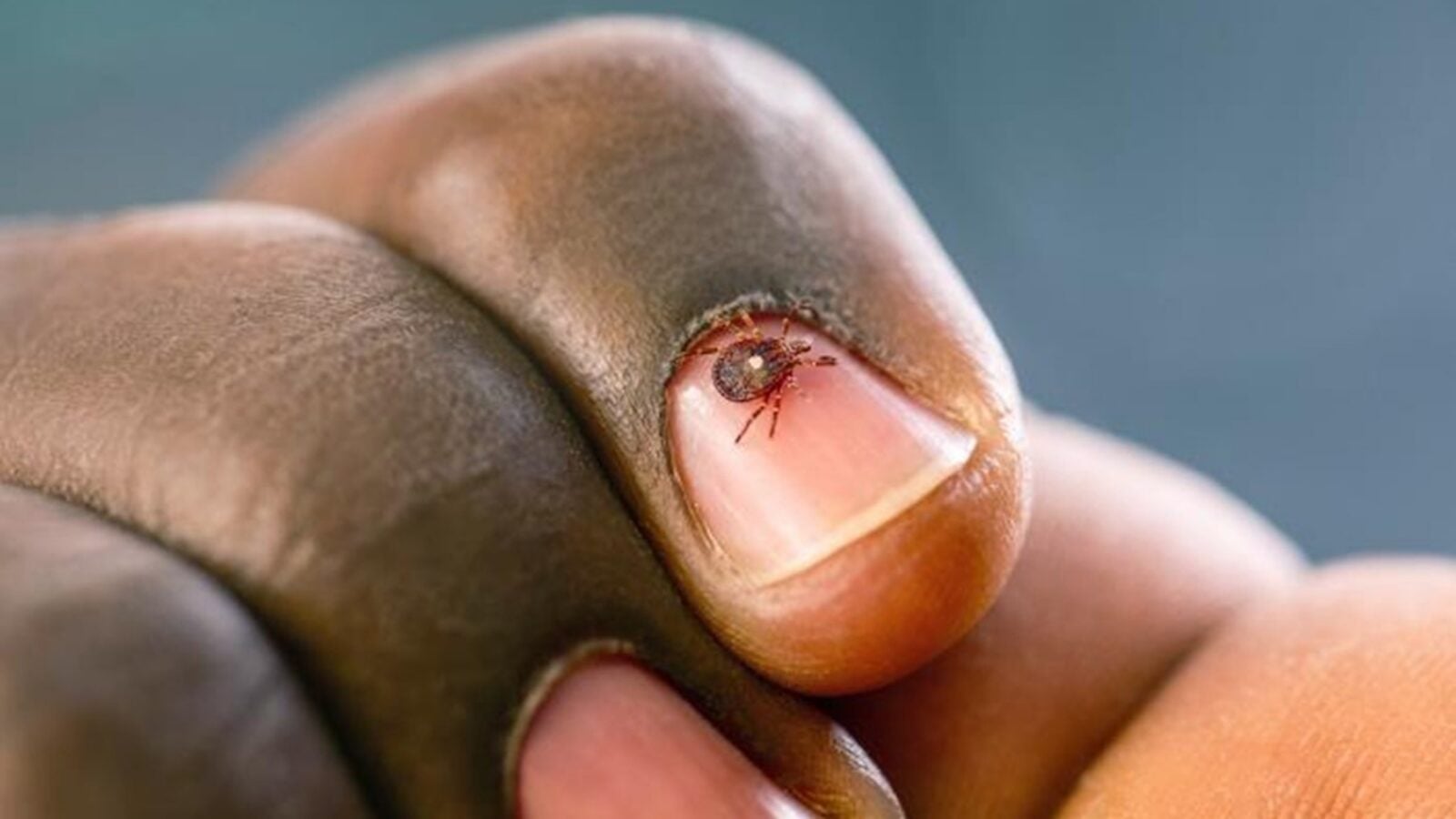
For most people, a bite from a tiny, unassuming insect is little more than a temporary annoyance—an itchy welt easily forgotten after a dab of hydrocortisone cream. But for a rapidly growing segment of the American population, particularly across the American South, a single encounter with the lone star tick (Amblyomma americanum) can completely upend their relationship with the natural world, their daily routines, and something as fundamental as breaking bread with family.
They are the faces of Alpha-Gal Syndrome (AGS), an acquired, incurable food allergy triggered by the bite of a tick that transfers a complex sugar molecule—galactose-alpha-1,3-galactose, or simply alpha-gal—directly into the human bloodstream. Unlike traditional food allergies triggered by proteins, such as those found in peanuts or shellfish, AGS is driven by a carbohydrate. The consequence is a bewildering, highly variable, and potentially life-threatening allergy to red meat and mammalian products, including beef, pork, lamb, venison, gelatin, and even dairy.
What was once considered a medical oddity discovered just two decades ago has now burgeoned into a major public health concern. According to the Centers for Disease Control and Prevention (CDC), an estimated half a million Americans are now living with AGS. Cases are surging due to a convergence of ecological shifts, expanding wildlife populations, human encroachment into natural habitats, and heightened medical awareness. For those afflicted, the condition dictates an exhausting life of hyper-vigilance, transforming restaurants, social gatherings, and even the simple act of breathing outdoor air into high-stakes hazards.
Detailed Chronology: From First Bite to Permanent Lifestyle Alteration
To understand the insidious nature of Alpha-Gal Syndrome, one must look at how it enters a person’s life and reshapes it over time. The journey usually begins quietly in the brush.
The Initial Encounter and Latent Onset
For Ellie Riley of central Virginia, the diagnosis arrived in 2023. Like many who contract AGS, her initial symptoms did not immediately point back to a tick bite. Weeks or months after a hidden arachnid had fed and detached, Riley began experiencing severe stomach cramps hours after eating red meat.
Her partner, Mark Pinnow, suffered an even more aggressive introduction. Bitten by a lone star tick while on a camping trip, Pinnow developed the allergy shortly after. For him, the condition quickly escalated past standard dietary restrictions. A year after his initial diagnosis, a second tick bite dramatically intensified his immune response.
Where Pinnow once had to merely avoid consuming mammalian meat, the secondary exposure turned him into a "fume-reactive" patient. If he so much as inhales the airborne cooking oils from a nearby skillet searing a steak, his face and neck flush bright red, his throat constricts to the point of gagging, and debilitating gastrointestinal distress sets in almost instantly.
"He was in the hospital four or five times in that first couple of months," Riley recalls. "It has been a huge lifestyle change; it’s pretty much killed our social lives." Today, the couple steers entirely clear of restaurants and social environments where meat is cooked. Even something as seemingly benign as a cup of coffee containing standard dairy creamer can trigger a severe reaction. To regain a modicum of independence, they are currently in the early stages of training a specialized service dog—an animal designed to scout ahead into public spaces and determine whether the environment is safe for Pinnow to enter.
Supporting Context & Metrics: The Scale of the Surge
The epidemiological trajectory of AGS over the past decade highlights a crisis moving from the shadows into the mainstream medical spotlight.
The Numbers Behind the Spread
Public health data underscores a dramatic acceleration in AGS diagnoses:
- 2010–2018: During this eight-year tracking window, approximately 34,000 suspected cases of AGS were identified across the United States.
- 2017–2022: In stark contrast, a subsequent five-year window recorded over 90,000 suspected cases. During this period, new suspected cases were being logged at a staggering rate of roughly 15,000 per year.
- Current Estimates: The CDC now estimates that approximately 500,000 Americans are living with the syndrome, a figure that many allergists believe remains underreported due to misdiagnoses and a lack of patient awareness.
Ecological and Environmental Drivers
Why is this happening now? Biologists point to several interconnected factors fueling the geographic expansion of the lone star tick:
- Thriving Deer Populations: The white-tailed deer serves as a primary host for adult lone star ticks. As deer populations have rebounded and expanded across the American South, Midwest, and Mid-Atlantic, tick populations have surged in tandem.
- Suburban Sprawl: As human development encroaches further into rural and semi-rural wooded areas, the overlap between human foot traffic and tick habitats has intensified.
- Climate Shifts: Milder winters and warmer overall temperatures have allowed tick populations to survive longer into the year and expand their geographic footprints northward and westward from their traditional Southern strongholds.
- Diagnostic Vigilance: Medical professionals are increasingly educated on the nuances of AGS. Where symptoms were once routinely misdiagnosed as irritable bowel syndrome (IBS) or idiopathic anaphylaxis, physicians are now ordering specific antibody panels much earlier in the diagnostic journey.
Official Statements: Perspectives from the Front Lines
The complexities of Alpha-Gal Syndrome bridge multiple scientific disciplines, uniting field biologists, molecular researchers, and clinical allergists in an urgent quest for answers.
The Clinical Perspective: Inconsistent Symptoms and Zero Cures
Dr. Phillip Link, an allergist at the Mayo Clinic, deals directly with the physical and psychological toll AGS takes on patients.
"It’s one of the most challenging food allergies that we see," Dr. Link explains. "There is so much unknown, and there aren’t great options for treatment."
Dr. Link points out that diagnosing AGS requires a meticulous combination of patient history and targeted blood work. Because alpha-gal is a carbohydrate rather than a protein, the immune system reacts differently than it does to conventional allergens. Furthermore, the timing of the reaction is notoriously deceptive. While a peanut allergy typically triggers anaphylaxis within minutes, an alpha-gal reaction is frequently delayed by three to six hours, often striking victims in the middle of the night while they sleep.
"The symptoms of alpha-gal are consistently inconsistent," Dr. Link notes. While gastrointestinal distress—abdominal pain, severe nausea, vomiting, diarrhea, and intense heartburn—is common, patients frequently present with skin manifestations like hives, red or itchy spots, and swelling of the lips or tongue. At the most severe end of the spectrum lies anaphylaxis. The danger was tragically underscored when a 47-year-old airline pilot died from anaphylactic shock after consuming a hamburger.
For Dr. Link and his peers, patient management comes down to strict avoidance. "Unfortunately, avoidance is the only thing we have right now, and the hope that the allergy might fade over time in some cases." To confirm diagnoses or measure the faint glimmer of returning tolerance, allergists sometimes utilize controlled oral food challenges, cautiously feeding patients graded doses of pork sausage while monitoring vital signs in a clinical setting.
The Molecular Perspective: Decoding the Sugar Molecule
While clinicians manage symptoms, molecular biologists are working upstream to understand the exact biochemical mechanism of the allergy. Dr. Parastoo Azadi, a researcher at the University of Georgia’s Complex Carbohydrate Research Center, spends her days analyzing the complex structures of tick saliva and the alpha-gal molecule.
"Everyone’s immune system is different," Dr. Azadi says, addressing the puzzling reality of why thousands of people are bitten by lone star ticks every year, yet only a fraction develop the allergy. "And we are still trying to understand why people respond the way they do."
Unlike peanut or dairy allergies, which involve the immune system attacking foreign proteins, AGS is fundamentally a carbohydrate allergy. Dr. Azadi emphasizes that science is still in the foundational stages of understanding how an injected sugar molecule reprograms the human immune system to manufacture alpha-gal-specific IgE antibodies.
"We are still at the very infancy of the research," she notes. However, she remains optimistic. Dr. Azadi recently helped organize a specialized university conference on the syndrome and now serves on the newly formed alpha-gal chapter of Food Allergy Research & Education (FARE), a national nonprofit dedicated to advocacy and support.
Future Outlook: Hope on the Horizon
The road ahead for Alpha-Gal Syndrome patients is fraught with daily challenges, but the rapid expansion of awareness has lit a path toward substantive research and potential long-term solutions.
Prevention and Practical Defense
Until science discovers a desensitization therapy or a definitive cure, prevention remains the ultimate line of defense. Public health officials and experienced patients like Ellie Riley recommend a multi-layered approach to outdoor safety:
- Routine Screening: Riley advises patients living in endemic areas to request a full tick-borne disease panel during their annual physical examinations to catch exposures early.
- Personal Protection: Utilizing EPA-approved insect repellents containing DEET, picaridin, or oil of lemon eucalyptus when venturing into wooded or grassy areas.
- Clothing Barriers: Wearing long pants tucked into socks and light-colored clothing makes spotting crawling ticks significantly easier.
- Post-Outdoor Protocols: Performing thorough tick checks immediately after coming indoors, washing outdoor clothing in hot water, and promptly removing any attached ticks using fine-tipped tweezers without squeezing the tick’s abdomen.
The Push for Answers
The psychological burden of AGS—the constant fear of cross-contamination, the isolation of restricted social lives, and the unpredictability of airborne reactions—cannot be overstated. Yet, the very surge in cases that makes the syndrome terrifying is also what drives hope.
As Dr. Azadi points out, rising awareness and a growing patient population naturally translate into a louder collective voice, higher research funding, and increased pharmaceutical attention.
"There is hope," Dr. Azadi concludes. "The more that people are aware of it, and the more people that have it—all that results in a push for more research."
Until those research efforts yield a breakthrough therapeutic vaccine or a reliable desensitization protocol, millions of Americans will continue to navigate a delicate dance with nature—keeping a wary eye on the brush, checking their skin at the end of the day, and learning to live in a world where a microscopic tick can permanently change what it means to sit down for a meal.

0 Comments