

Executive Overview
For decades, the American whiskey landscape operated under a reliable, predictable financial hierarchy. A budget of thirty dollars could reliably secure a bottle of competent, highly drinkable bourbon, while anything cresting the fifty-dollar mark frequently ventured into collector-grade territory or luxury allocations. Today, however, that economic calculus has fundamentally shifted. In the contemporary spirits market, fifty dollars has quietly become the new thirty dollars—a financial threshold where the true magic of craft distilling, expert blending, and legacy production converges.
While strict federal regulations govern what can legally be called bourbon—requiring a mash bill composed of at least 51 percent corn, aging exclusively in new, charred American oak barrels, and an entry proof not exceeding 125—these parameters are far from restrictive. Instead, they serve as a rigorous canvas. Within these constraints, distillers manipulate variables like secondary grains, barrel entry proof, warehouse microclimates, and proprietary yeast strains to create a staggering variety of flavor profiles.
Yet, as secondary market prices for allocated unicorn bottles soar into the thousands, a quiet counter-revolution is taking place on the bottom and middle shelves of local liquor stores. Savvy drinkers are realizing that some of the most complex, satisfying, and reliable expressions on the market require no lottery wins or second mortgages. Written by spirits historian and author Wayne Curtis, a comprehensive survey of the current landscape reveals ten standout bottles—spanning timeless classics, innovative newcomers, and under-the-radar cult favorites—that all retail for $50 or less. These bottles prove conclusively that price is rarely a direct proxy for pleasure in the world of American whiskey.
Detailed Chronology & Evolution of the Value Bourbon Market
To understand how the sub-$50 whiskey category reached its current golden age, one must examine the historical trajectory of bourbon pricing and production philosophy over the last half-century.
The Post-Prohibition to Late-20th-Century Baseline
For generations following the repeal of Prohibition, bourbon was largely viewed as an accessible, blue-collar workingman’s drink. Distilleries focused on high-volume production with standardized aging timelines (typically four to six years). Innovation took a backseat to consistency, and price points remained artificially suppressed due to soft global demand and competition from clear spirits like vodka and gin. During this era, budget bottles were often harsh, youthful, and meant strictly for mixing with cola or ginger ale.
The Craft Boom and the Inflationary Shift (2000–2015)
As the craft distilling movement gathered steam at the turn of the 21st century, a renaissance of interest swept through Kentucky and eventually rippled across the United States. New micro-distilleries opened by the hundreds, experimenting with heritage grains, sweet mash techniques, and unique barrel finishes. Simultaneously, heritage brands recognized a growing appetite for premiumization. Prices began a slow, steady upward creep. The traditional $20 everyday drinker pushed toward $30, and eventually, the baseline for an elevated sipping whiskey hovered closer to $40 and $50.
The Modern Era of Speculation and Smart Spending (2016–Present)
In recent years, the bourbon market has fractured into two distinct realities. On one side sits the hyper-inflated secondary market, characterized by speculative hoarding, long lines outside liquor stores, and absurd markups on rare labels. On the other side sits the golden age of mid-tier value. Distilleries that scale efficiently—alongside visionary craft operations—have doubled down on producing complex, high-proof, and single-barrel expressions engineered specifically for the enthusiast who actually intends to open and drink the bottle. Today, the $50 price ceiling represents the absolute sweet spot of American distilling ingenuity, offering access to craft sweet mashes, bonded heritage liquids, and expertly curated single-barrel selections that rival offerings twice their price.
Supporting Context & Metrics: The Anatomy of a Value Pour
When evaluating whiskeys priced at $50 and under, consumers must look beyond glossy marketing and examine the core structural elements that dictate flavor, mouthfeel, and complexity.
Grain Selection and Mash Bill Profiles
The foundation of any bourbon is its grain recipe, or mash bill. While corn must make up the majority, the supporting grains—known as the "small grains"—define the whiskey’s personality:
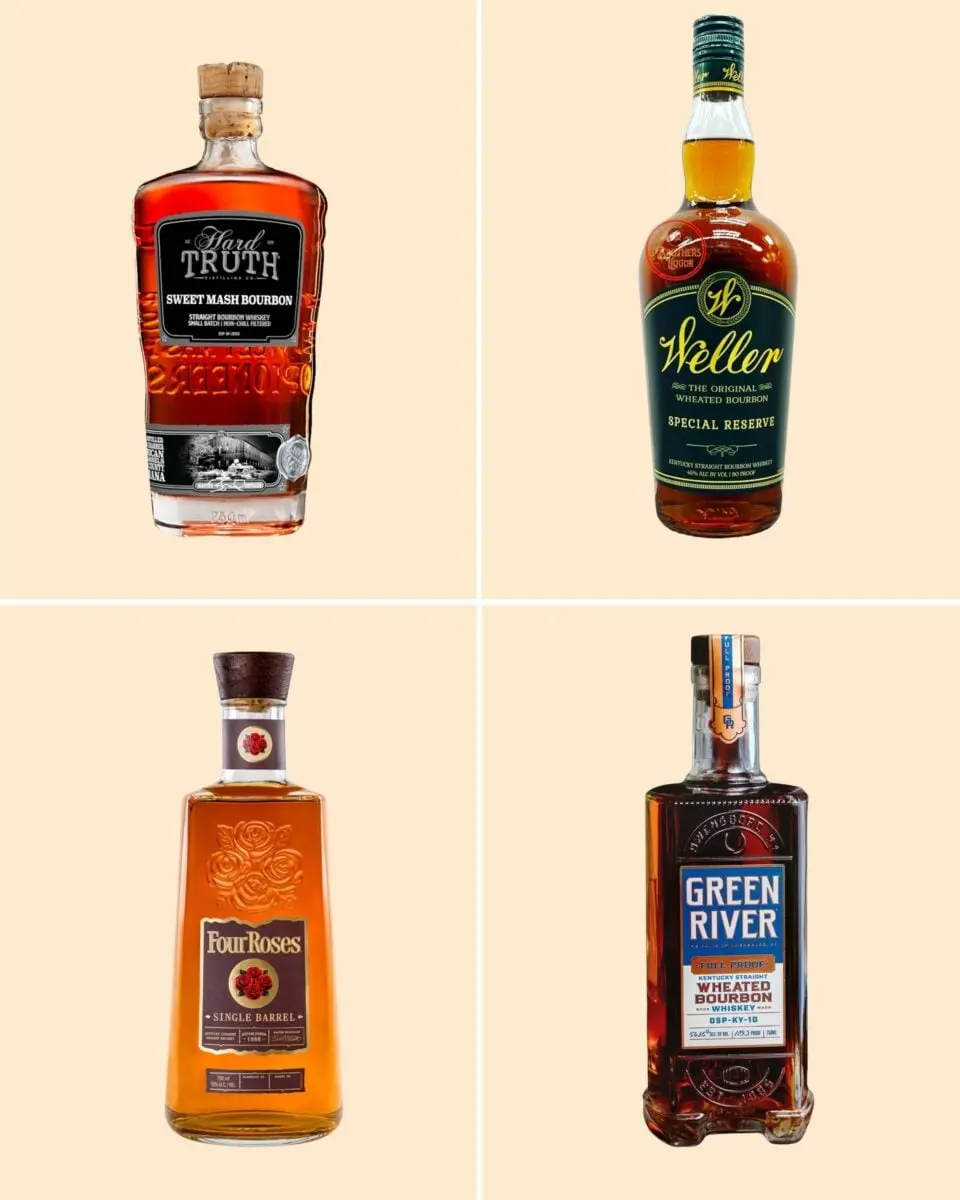
- Wheated Bourbons (e.g., Maker’s Mark, Weller, Green River): By replacing rye with wheat as the flavoring grain, these expressions yield a softer, smoother, and sweeter profile characterized by notes of vanilla, honey, and butterscotch. They offer minimal bite and high approachability.
- High-Rye Bourbons (e.g., Old Grand-Dad, Four Roses): Pumping up the rye content introduces a spicy, zesty, and sometimes nutty structural backbone. These bottles often feature notes of black pepper, baking spices, and dark fruit, cutting effortlessly through heavy cocktail mixers or large format ice cubes.
Proof, Aging, and Bottled-in-Bond Standards
Price is also heavily dictated by yield, tax structures, and maturation time. However, federal designations like Bottled-in-Bond (established by the historic 1897 Act) guarantee that a whiskey is the product of a single distillation season by a single distiller at a single distillery, aged for a minimum of four years in a federally bonded warehouse, and bottled precisely at 100 proof. Historically associated with budget-friendly workhorses, bonded whiskeys offer an incredible ratio of quality, safety, and structural integrity for minimal financial investment.
The Curated Selection: Ten Bottles That Defy Their Price Tag
Curtis’s definitive roster of sub-$50 standouts highlights the diversity available to modern consumers:
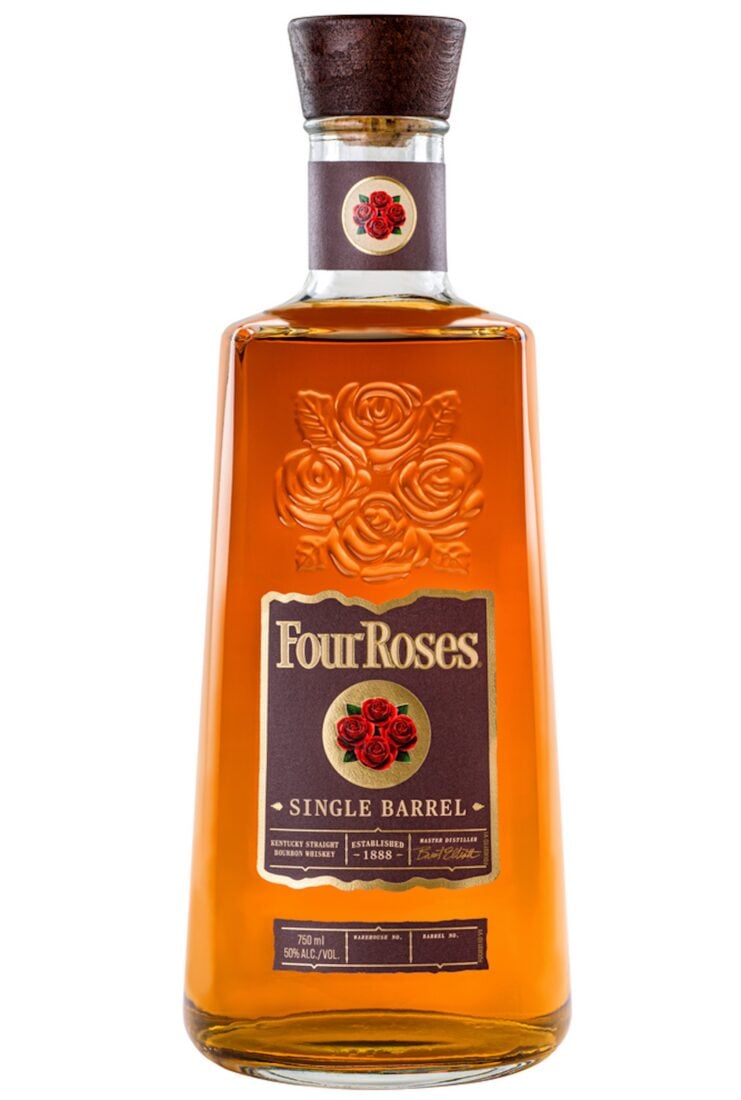
- Four Roses Single Barrel ($50) – The Standard Bearer
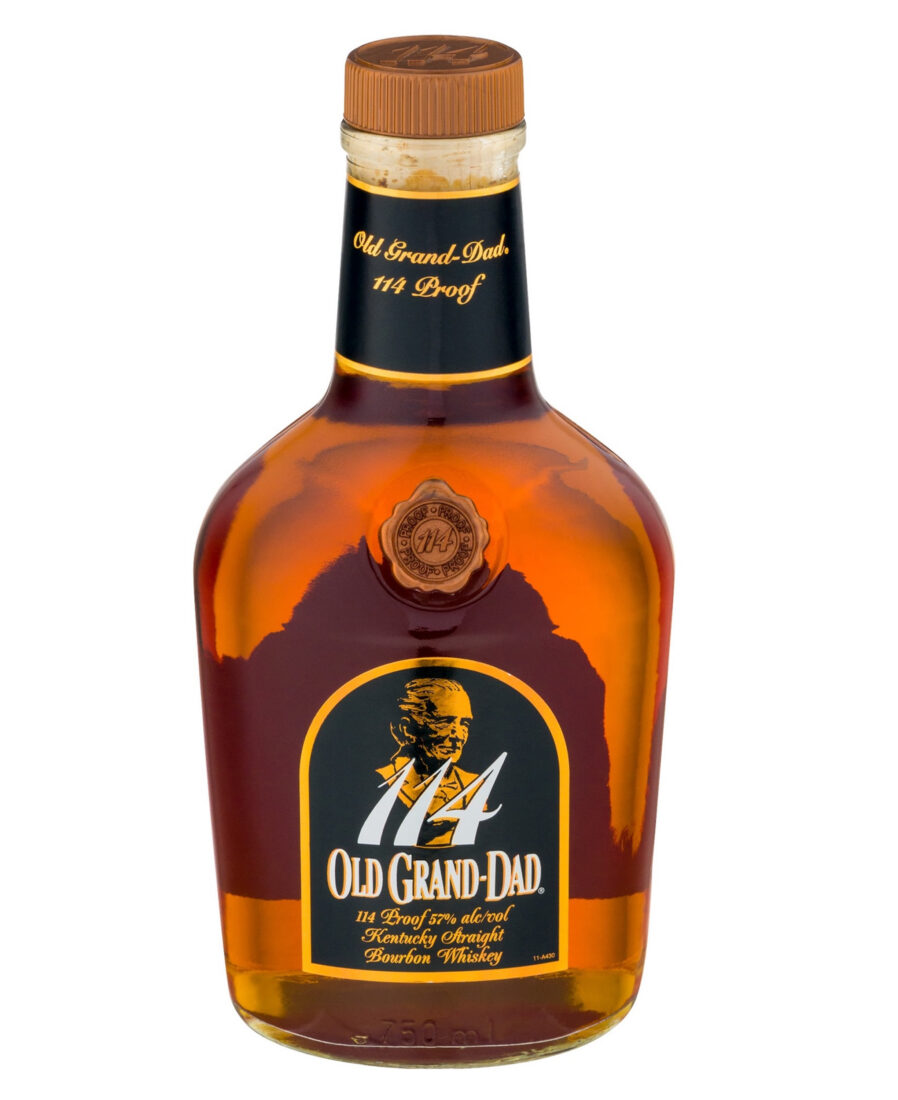
Built on a soft and creamy underlying profile, this workhorse whiskey layers dried pear and bright vanilla over a subtle peppery kick, courtesy of its high-rye heritage. Equally at home in a high-end cocktail or enjoyed neat. - Old Grand-Dad 114 Proof ($35) – The Time Capsule
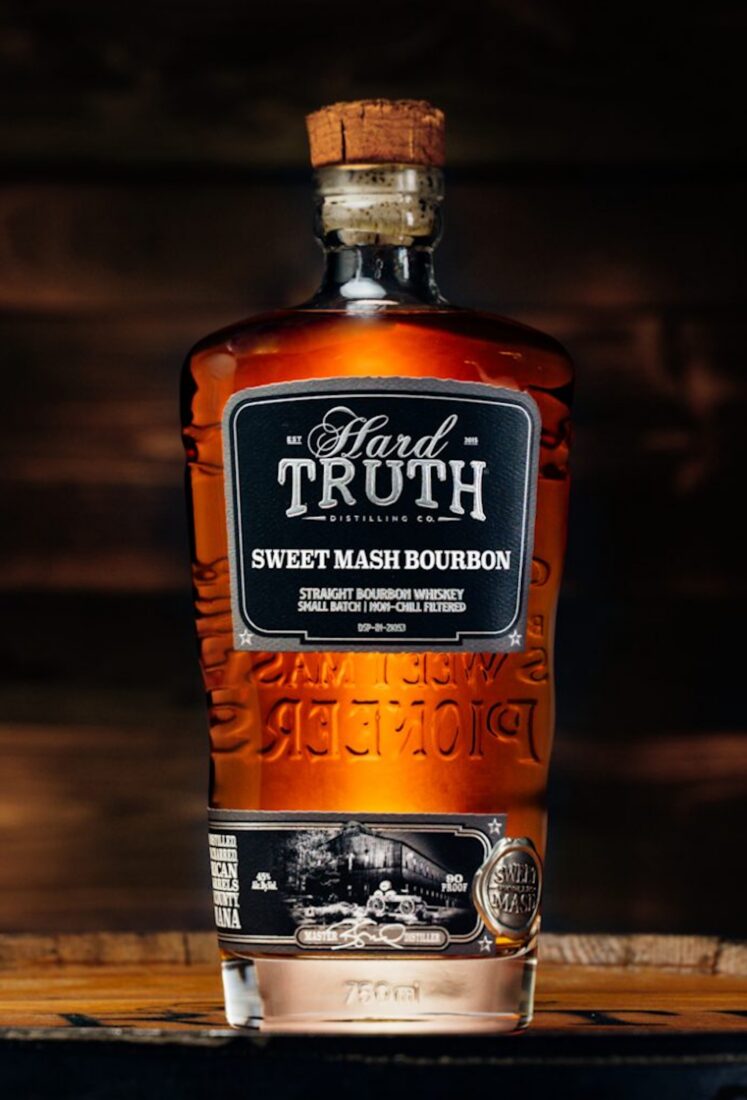
A high-rye (27 percent) classic produced by Jim Beam that channels vintage distilling traditions. Packed with comfort-food notes of caramel, brown sugar, and deep nuttiness, its robust 114 proof ensures it never gets lost behind ice or mixers. - Hard Truth Sweet Mash Bourbon ($50) – The Newcomer
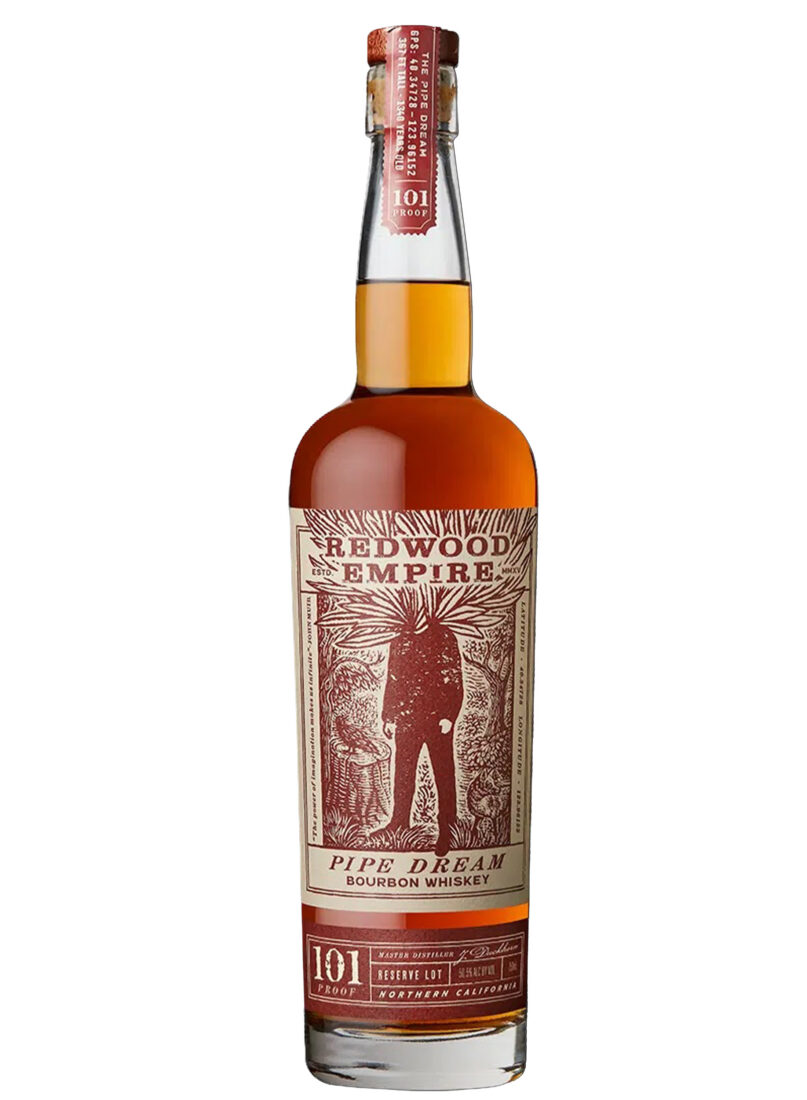
Distilled in Indiana from local grains, this sweet-mash offering delivers a luxurious, buttery mouthfeel. It features edgy, decadent notes of toasted pecan, toffee, and a surprising cola undertone that makes it an ideal pour to accompany dessert. - Redwood Empire Pipe Dream Bourbon 101 Proof ($50) – The Hidden Gem
Crafted in Northern California from Sacramento Valley grains, this expression bridges the gap between standard releases and cask-strength offerings. Named after one of the world’s tallest trees, it delivers a massive wave of baking spices tailored for cold-weather sipping. - Weller Special Reserve ($28) – The Classic
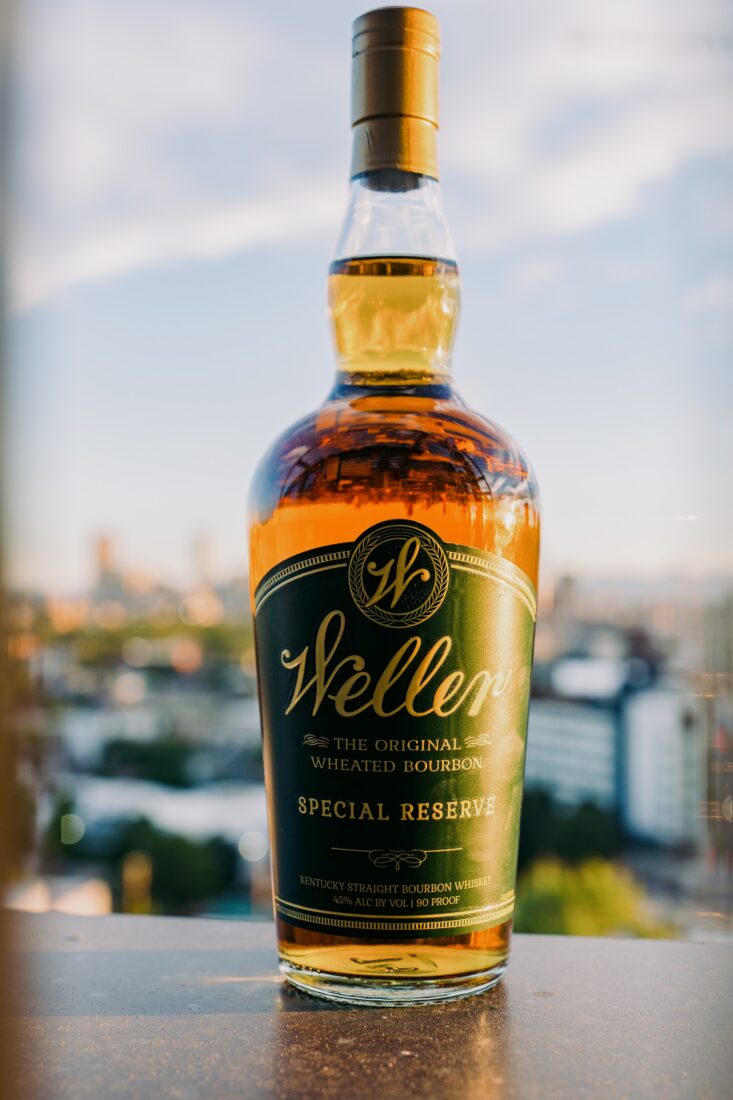
An iconic entry-level wheated bourbon from Buffalo Trace. Though notoriously difficult to track down in certain markets, its butterscotch and vanilla-ice-cream notes provide an exceptionally smooth, accessible sip that defines everyday luxury. - Evan Williams Bottled-in-Bond ($20) – The Value Champion
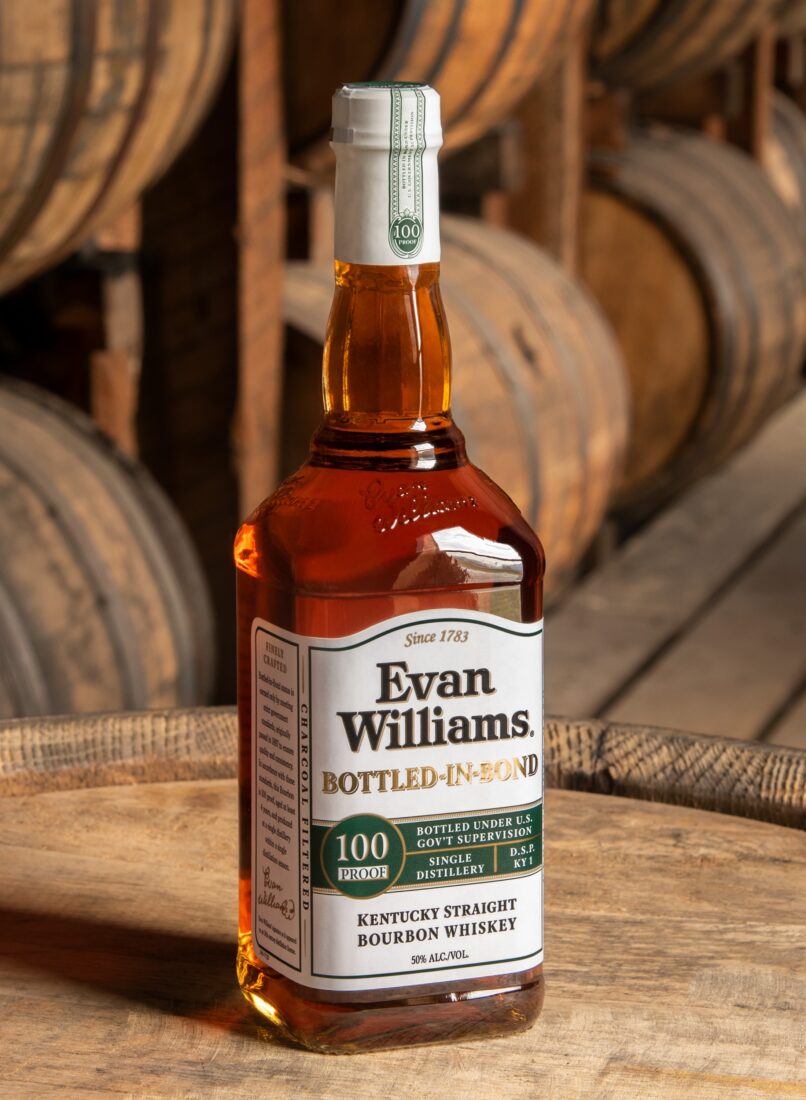
Meeting all stringent 1897 Bottled-in-Bond requirements, this 100-proof offering trades flashiness for pure reliability. It builds upon a simple foundation of homespun caramel and honey with fleeting undertones of roasted peanuts and black pepper. - *Michter’s US1 Kentucky Straight Bourbon ($48) – *The Gateway***
While Michter’s rare legacy releases command astronomical collector prices, their flagship 91.4-proof bourbon punches far above its weight. It boasts a rich, robust flavor profile of overripe cherries, toasted walnut, and dark brown sugar. - Green River Wheated Full Proof Bourbon ($50) – The Replacement
Distilled in Owensboro, Kentucky, this high-wheat alternative mirrors the roundness of harder-to-find wheated labels. Bottled at a brisk 109.3 barrel proof, it dials up the flavor intensity without sacrificing approachability. - Pure Kentucky XO ($45) – The Cult Sleeper
Produced by Willett, this widely distributed yet sparsely stocked gem is bottled at a sturdy 107 proof. It features an intricate matrix of complex layers that linger on the palate long after the final sip. - Mellow Corn ($19) – The Outlier
While technically classified as a straight corn whiskey rather than a bourbon—owing to its maturation in once-used rather than new charred oak barrels—this Heaven Hill offering is bonded, boasts an 80 percent corn mash bill, and delivers unmistakable notes of buttered popcorn and toffee at an unbeatable price.
Official Statements & Industry Insights
Distillers and industry analysts frequently emphasize that the democratization of quality whiskey is essential for the long-term health of the spirits category.
"The notion that you have to spend a hundred dollars or more to get a complex, beautifully crafted pour of American whiskey is a marketing myth," notes one Kentucky-based master distiller who requested anonymity. "Our goal with mid-tier releases is to reward the everyday enthusiast—the person who actually opens their bottles and shares them with friends around a kitchen table, rather than keeping them sealed behind glass."
Industry economists point out that operational scaling has allowed major heritage producers to maintain accessibility on foundational labels, even as raw materials, glass packaging, and warehouse storage costs escalate. Concurrently, independent craft distilleries utilizing innovative techniques like sweet-mashing are proving that regional micro-climates outside of traditional Kentucky strongholds can yield world-class flavor profiles at consumer-friendly price points.
Future Outlook: Where the Bourbon Market Is Headed
As the American whiskey landscape matures through the latter half of the decade, several key trends are expected to shape the sub-$50 market:
- The Rise of Regional Distilling: While Kentucky will always remain the spiritual heartland of bourbon, states like Indiana, California, New York, and Texas are establishing distinct regional flavor profiles that will continue to challenge traditional expectations of what value whiskey can taste like.
- Transparency and Age Statements: Consumers are increasingly demanding honesty regarding barrel aging and sourcing. Value brands that lean into transparency—highlighting exact mash bills, barrel entry proofs, and grain origins—will likely win the loyalty of a more educated consumer base.
- Proof Inflation vs. Drinkability: As high-proof barrel-strength expressions remain popular, producers will increasingly fine-tune their mid-tier offerings (such as the 100-to-115 proof range) to deliver bold, assertive flavors that satisfy modern palates without sacrificing balance or requiring water dilution.
Ultimately, whether you are pouring a time-tested bonded value champion or discovering an experimental craft sweet mash, the modern whiskey drinker has never had more options. The fifty-dollar ceiling is no longer a compromise—it is a passport to some of the finest distilling artistry available today.

0 Comments