Deep within the Ozark foothills, the Crystal Bridges Museum of American Art in Bentonville, Arkansas, has opened its doors to an exhibition that blurs the boundary between the raw, geological forces of the earth and the refined ingenuity of human design. Titled Nature Adorned: The Artistry of Tiffany & Co. and the American Imagination, this landmark showcase—running through March 29, 2027—has achieved something of a historic homecoming.
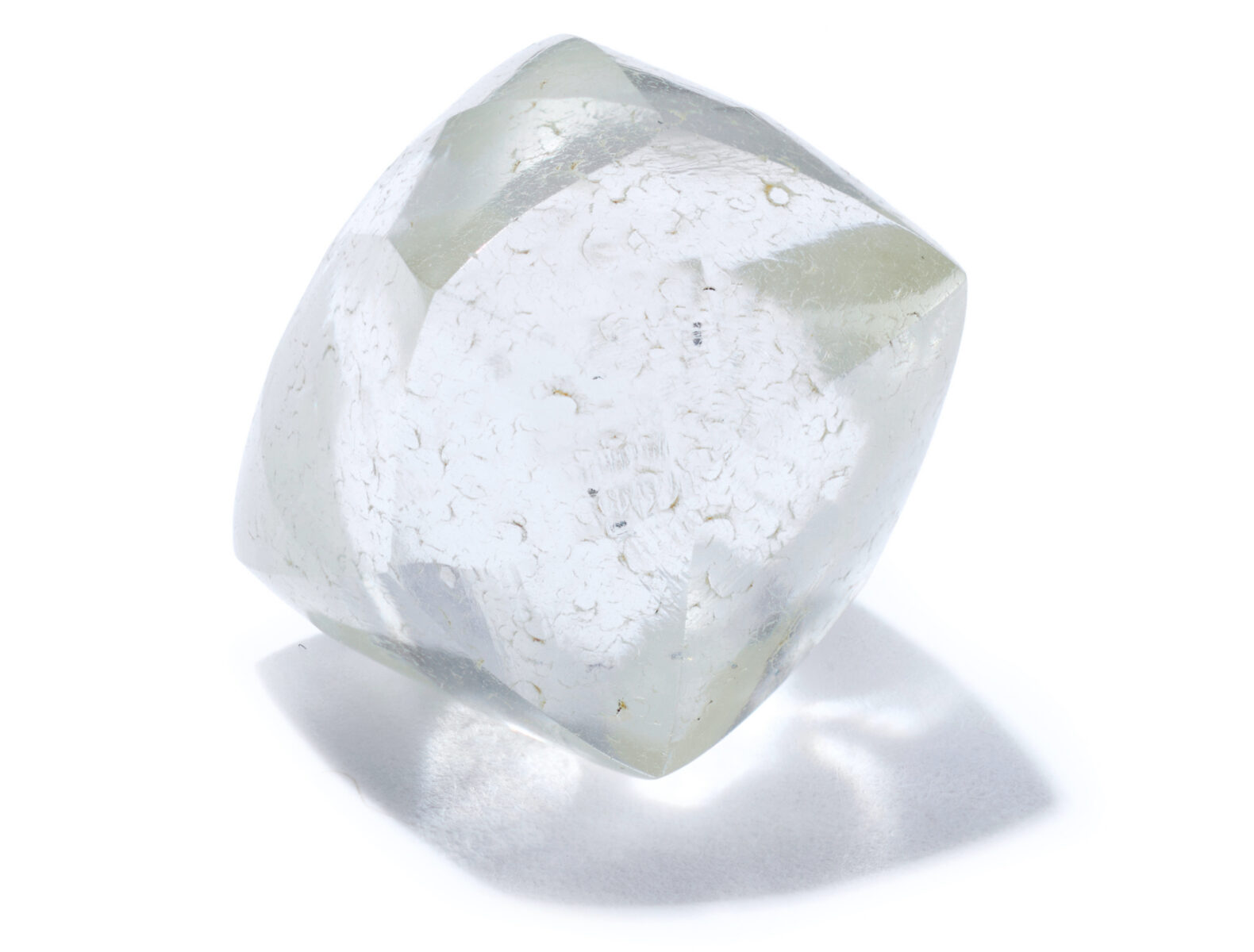
At the center of this ambitious cultural endeavor is the legendary Arkansas Diamond, a colossal 27.21-carat gemstone discovered by an eleven-year-old girl in Searcy, Arkansas, a century ago. Purchased swiftly by Tiffany & Co. and housed ever since in the storied Tiffany Archives in New York City, the diamond has returned to its home state. It is joined by two other notable diamonds unearthed in Arkansas, forming a brilliant triad that anchors an exhibition of rare minerals, historic jewelry masterworks, and iconic pieces of American fine art.
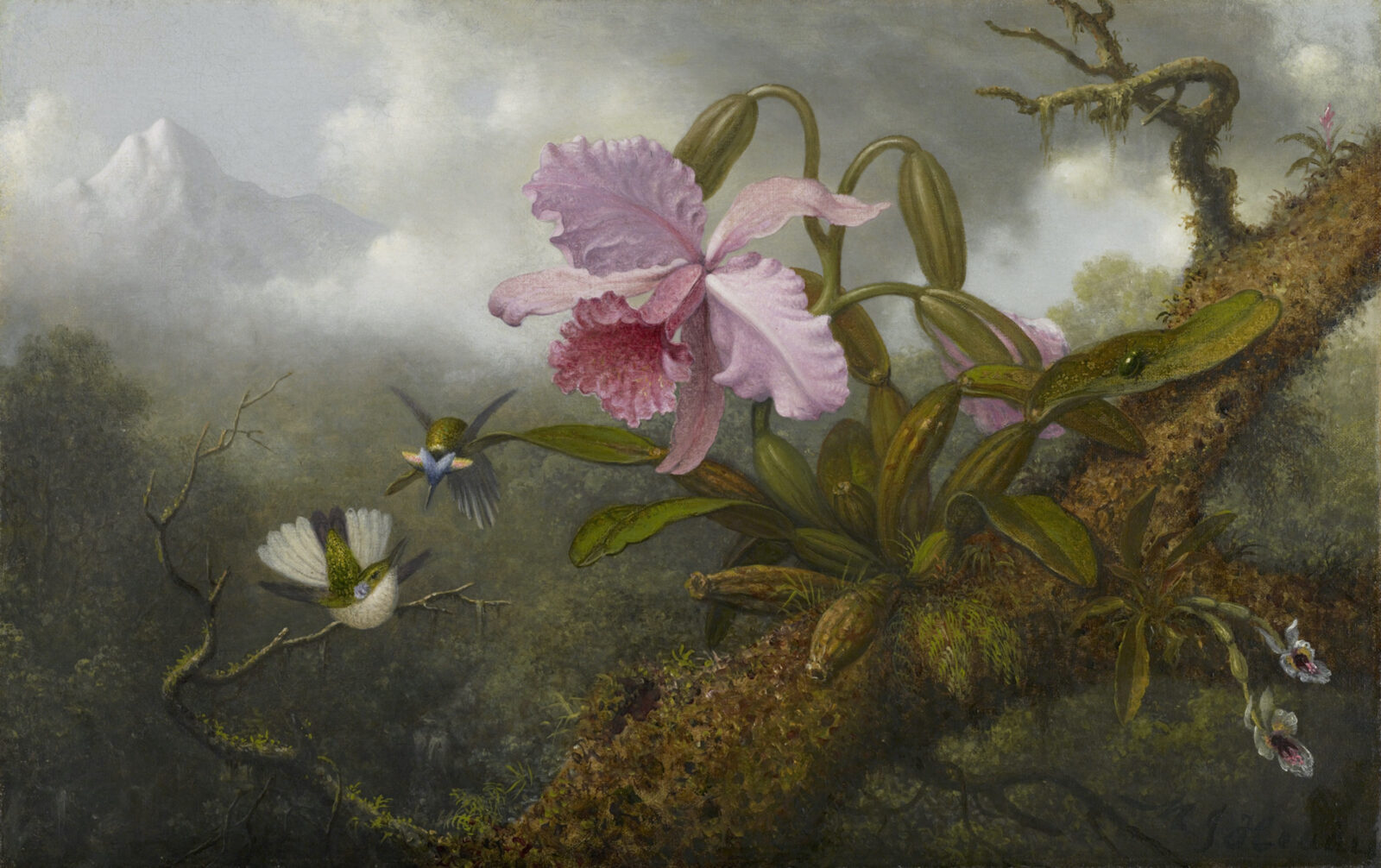
Curated by Jen Padgett, Nature Adorned explores the enduring dialogue between the natural world and artistic expression. By placing artifacts from the Tiffany Archives in direct conversation with masterworks from Crystal Bridges’ permanent collection, the exhibition challenges visitors to reconsider the organic origins of high culture. Whether examining how a nineteenth-century naturalist rendered an orchid in oil paint or how a master artisan transformed that same floral motif into a bejeweled brooch of gold and sapphires, the exhibition highlights human imagination at its most luminous.
Detailed Chronology: A Century-Long Journey from Volcanic Deep to Museum Showcase
To understand the weight and significance of the treasures currently on display in Bentonville, one must trace a timeline stretching back millions of years—from prehistoric geological violence to twentieth-century discovery and twenty-first-century curatorial triumph.
100 Million Years Ago: The Volcanic Genesis
Long before human history took root in North America, deep subterranean forces shaped the landscape of present-day Arkansas. Approximately 100 million years ago, a volcanic eruption brought mantle material, including thousands of diamonds, rushing up from the earth’s interior. This rare geological event deposited the only known diamond-bearing volcanic pipe in North America near the site of present-day Murfreesboro, seeding the region’s topsoil with priceless carbon crystals.
1906: The Unsuspecting Discovery
The modern history of American diamonds truly began in August 1906, when an Arkansas farmer named John Huddleston noticed a few strange, glittering stones on his property near Murfreesboro. Suspecting they might be valuable, he sent them off for professional analysis. Mineralogists confirmed his hunch: they were genuine diamonds. This discovery sparked a localized diamond rush and permanently etched Arkansas into the annals of global gemology.
1926: The Unearthing of a Titan
Two decades after Huddleston’s discovery, the Natural State yielded its most famous gem. In Searcy, Arkansas, an eleven-year-old girl made the discovery of a lifetime, unearthing a rough diamond scaling an astonishing 27.21 carats. Known simply as the Arkansas Diamond, the stone immediately captured national attention as one of the largest gem-quality diamonds ever discovered within the borders of the United States. Recognizing its unique historical and physical importance, the legendary luxury house Tiffany & Co. acquired the stone, whisking it away to the secure vaults of the Tiffany Archives in New York City, where it remained shielded from public view for decades.
2026–2027: The Homecoming Exhibition
One hundred years after the discovery of the 27.21-carat stone, and a full century after Huddleston’s initial find galvanized American prospecting, Crystal Bridges Museum of American Art brought the titan home. Opening in the fall of 2026, Nature Adorned: The Artistry of Tiffany & Co. and the American Imagination reunited the Arkansas Diamond with its native soil. The exhibition positions the historic stone alongside modern and historic American art, establishing a dialogue between industrial craftsmanship, geological history, and fine art that runs through March 29, 2027.
Supporting Context & Metrics: The Intersection of Geology and Artistry
The curatorial genius of Nature Adorned lies in its refusal to treat jewelry and fine art as distinct disciplines. Instead, exhibition organizers have meticulously paired pieces to demonstrate how human creators across mediums borrow from nature’s blueprint.
The Craftsmanship of Tiffany & Co.
The exhibition features an array of historic Tiffany masterworks that highlight the house’s obsession with botanical and animal forms:
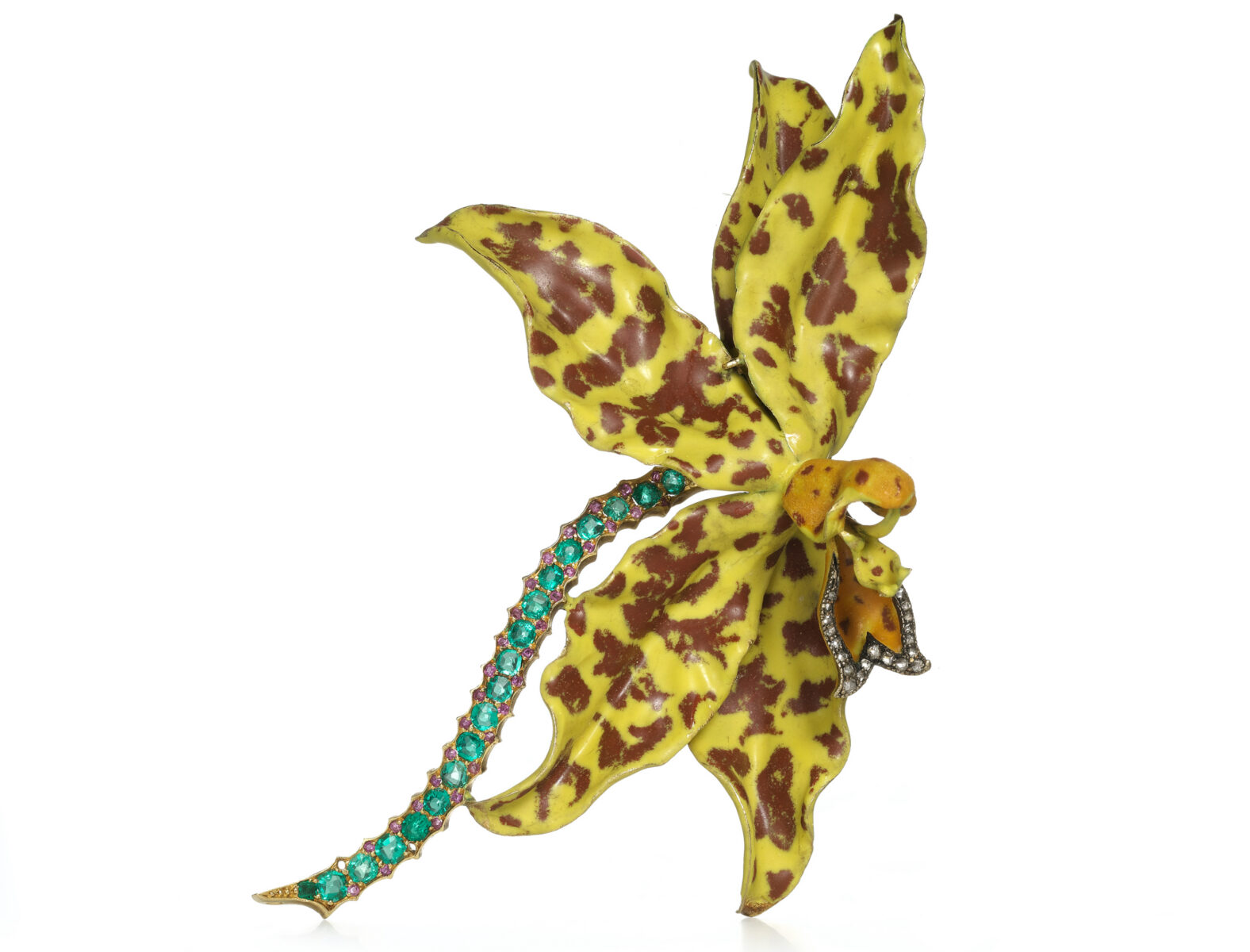
The Tiger Orchid Brooch: Designed in the late 1800s by George Paulding Farnham for Tiffany & Co., this breathtaking brooch utilizes sterling silver, diamonds, emeralds, pink sapphires, and enamel to mimic the intricate geometry and vibrant coloration of a wild orchid. Nearby, Martin Johnson Heade’s contemporary oil painting, Cattleya Orchid, Two Hummingbirds and a Beetle (c. 1871–1875), captures the same lush ecological theater on canvas.
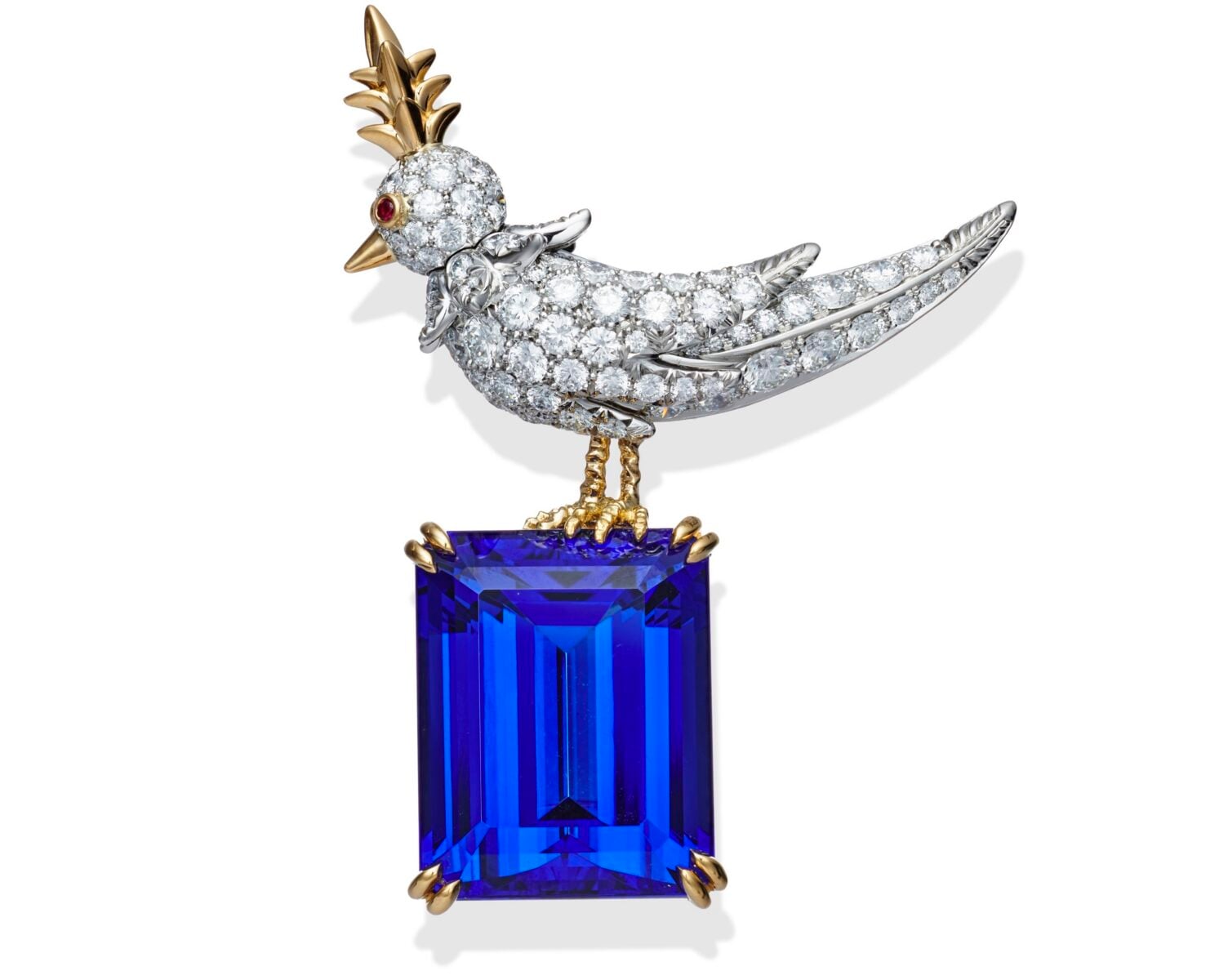
Bird on a Rock: The legendary brooch designed by French visionary Jean Schlumberger for Tiffany & Co. is displayed in stark, playful contrast with Hope Gangloff’s figurative painting Queen Jane Approximately. Both works explore the fluid vitality of organic forms, translating movement and posture into lasting physical mediums.
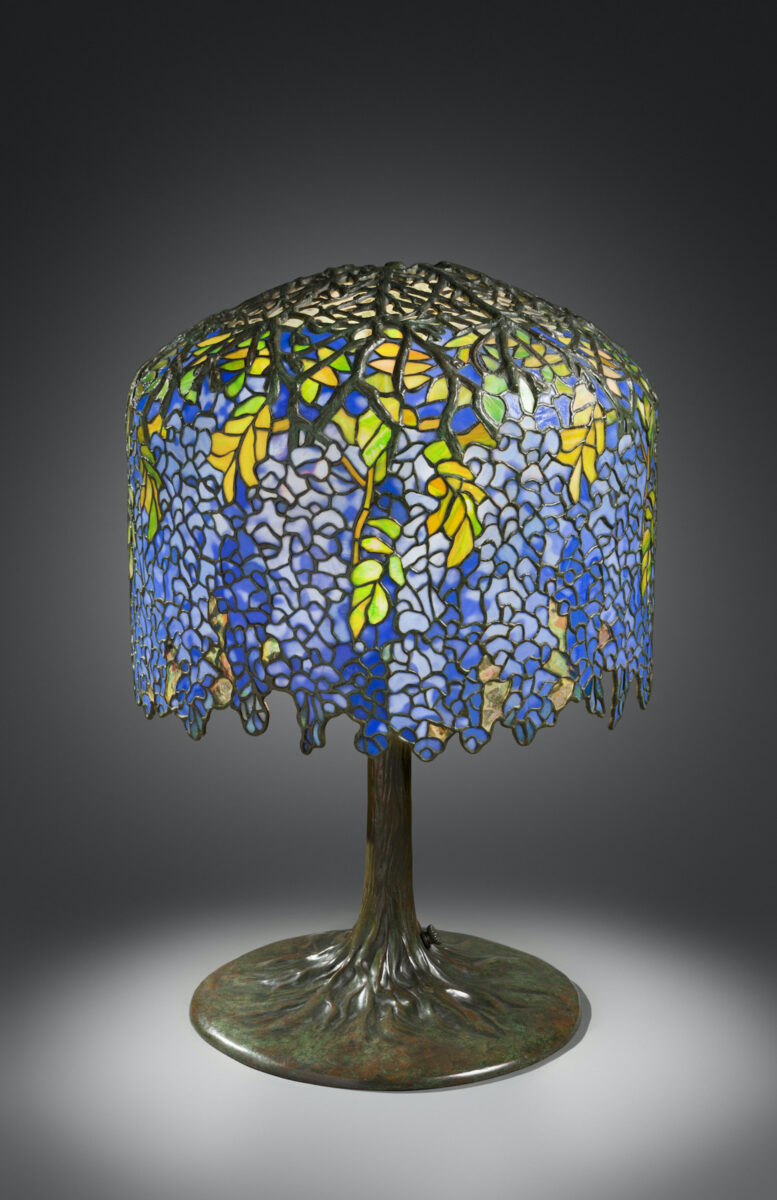
The Wisteria Table Lamp: Created between 1905 and 1906 by Clara Driscoll—who led the pioneering all-female "Tiffany Girls" glass-cutting department at Tiffany Studios—this iconic Art Nouveau lamp mimics the cascading, arborist architecture of a wisteria vine. It is exhibited alongside George Inness’s 1867 atmospheric landscape Sunset on a River, drawing a direct line between the capture of natural light through stained glass and oil paint.
Arkansas as a Mineralogical Hotspot
The exhibition also serves as an educational anchor for Arkansas’s unique geological legacy. Unlike diamond mines in South Africa, Russia, or Canada—which are strictly commercial operations—Arkansas houses the Crater of Diamonds State Park in Murfreesboro. It remains the only place on Earth where amateur prospectors can search an eroded volcanic crater, keep whatever diamonds they find, and claim them as personal property.
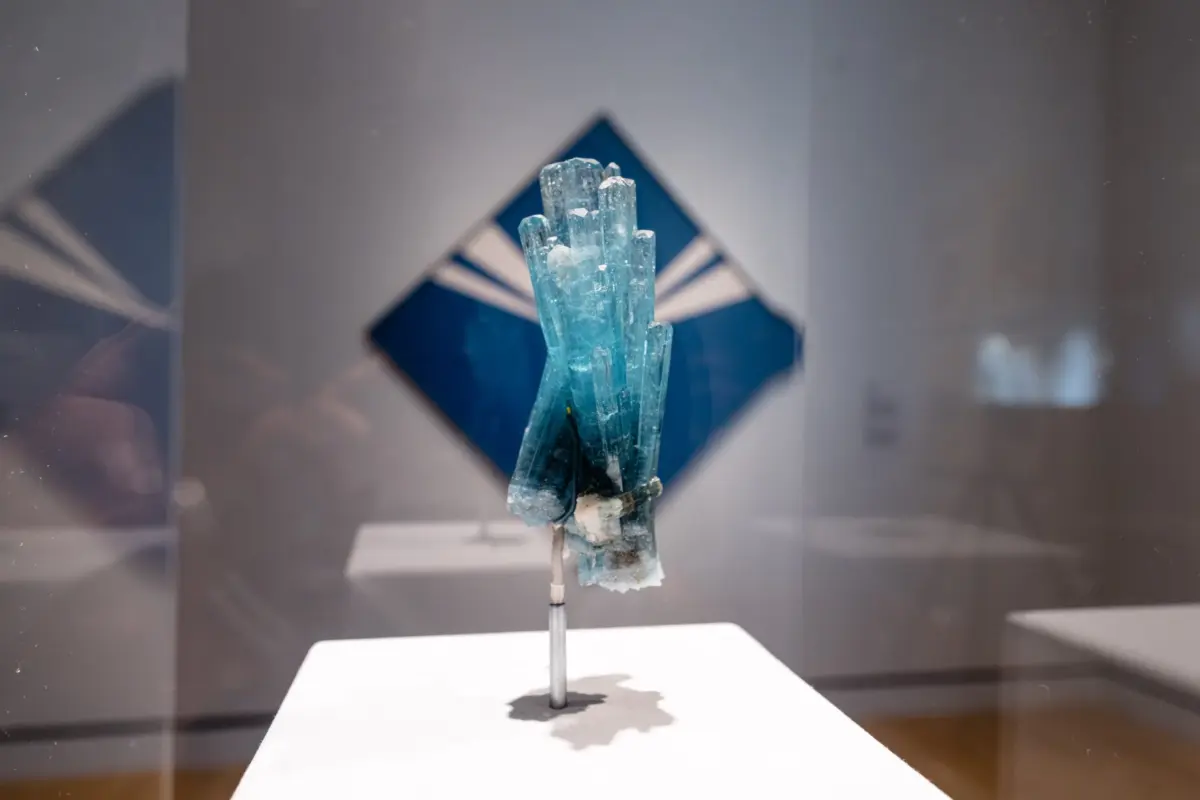
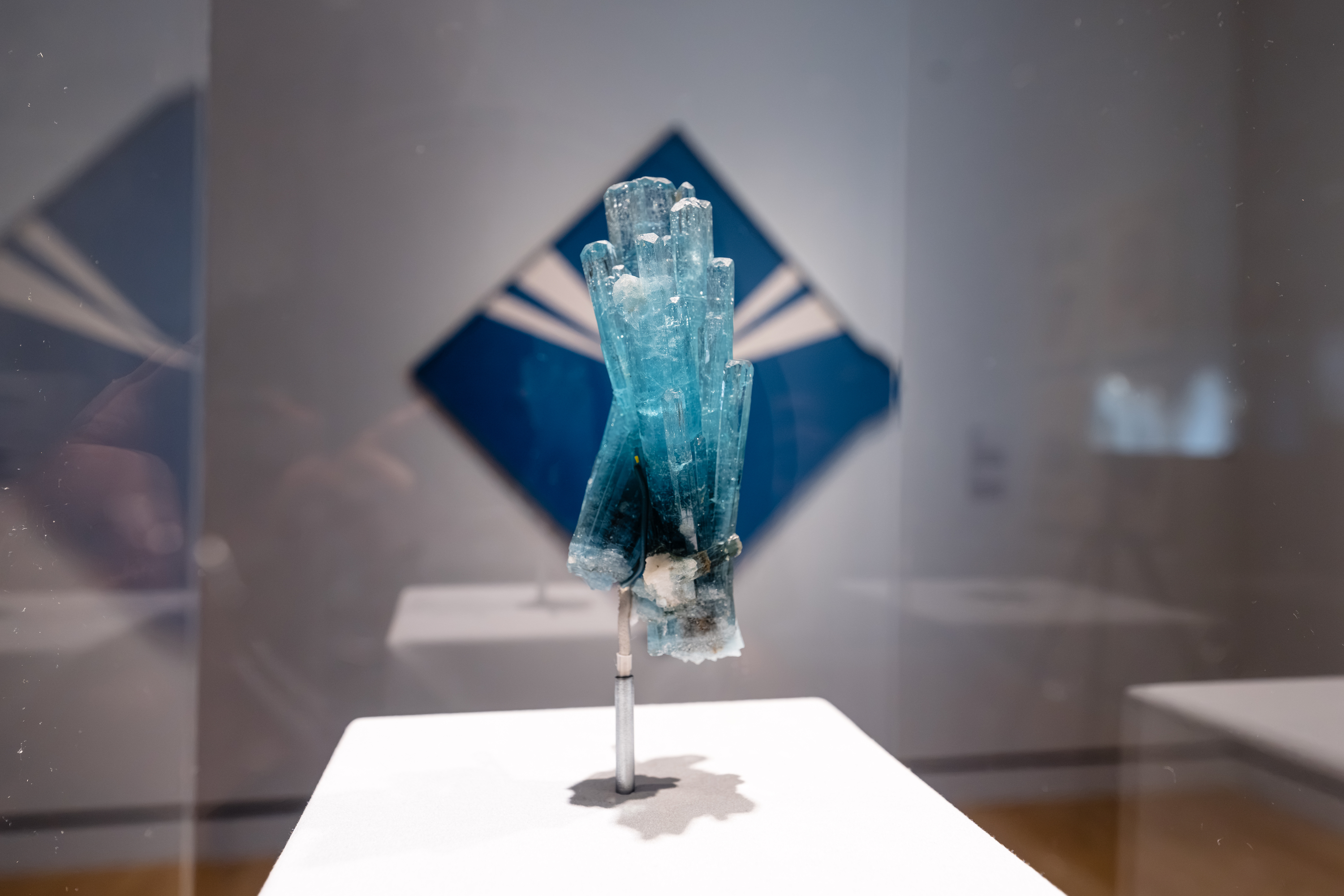
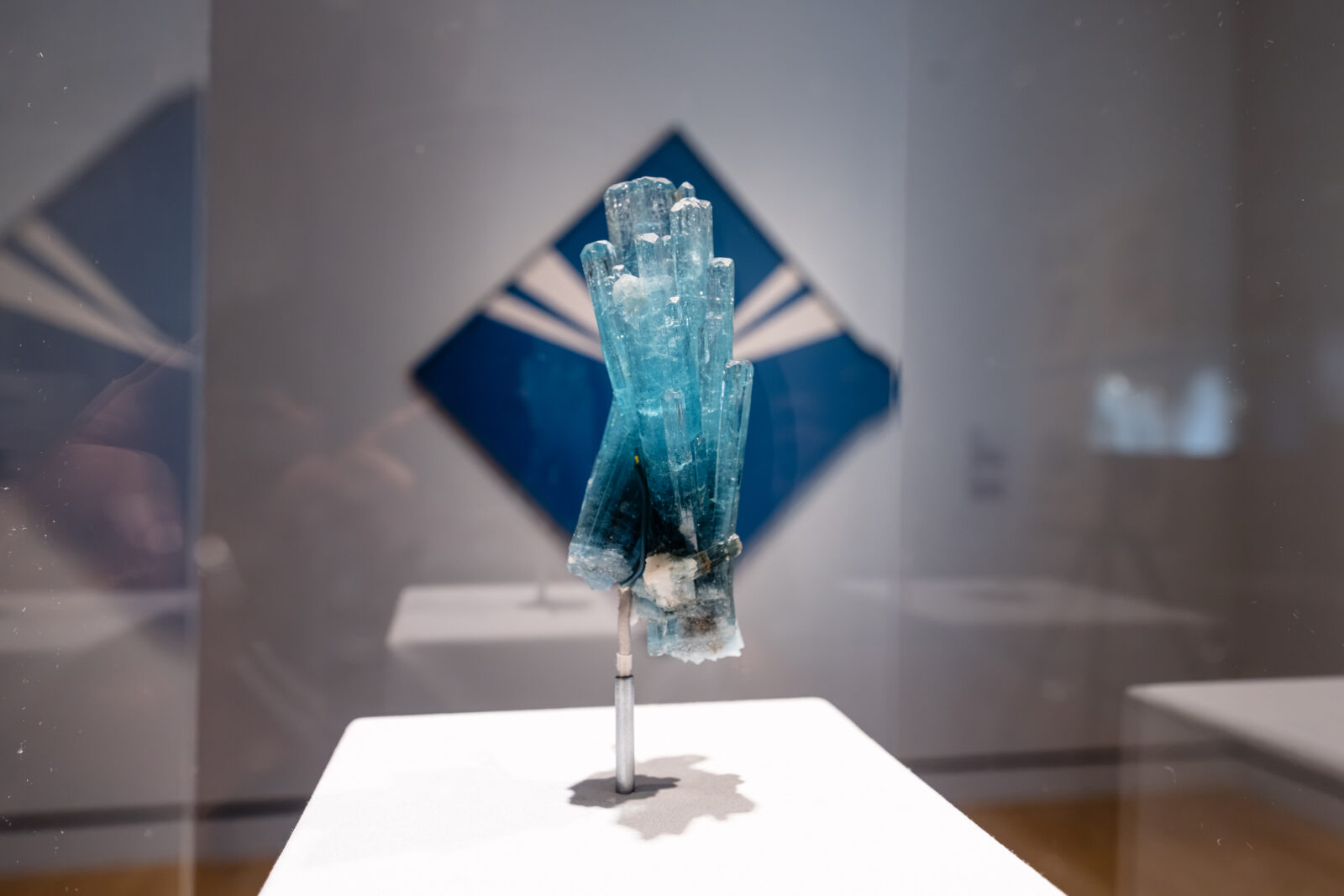
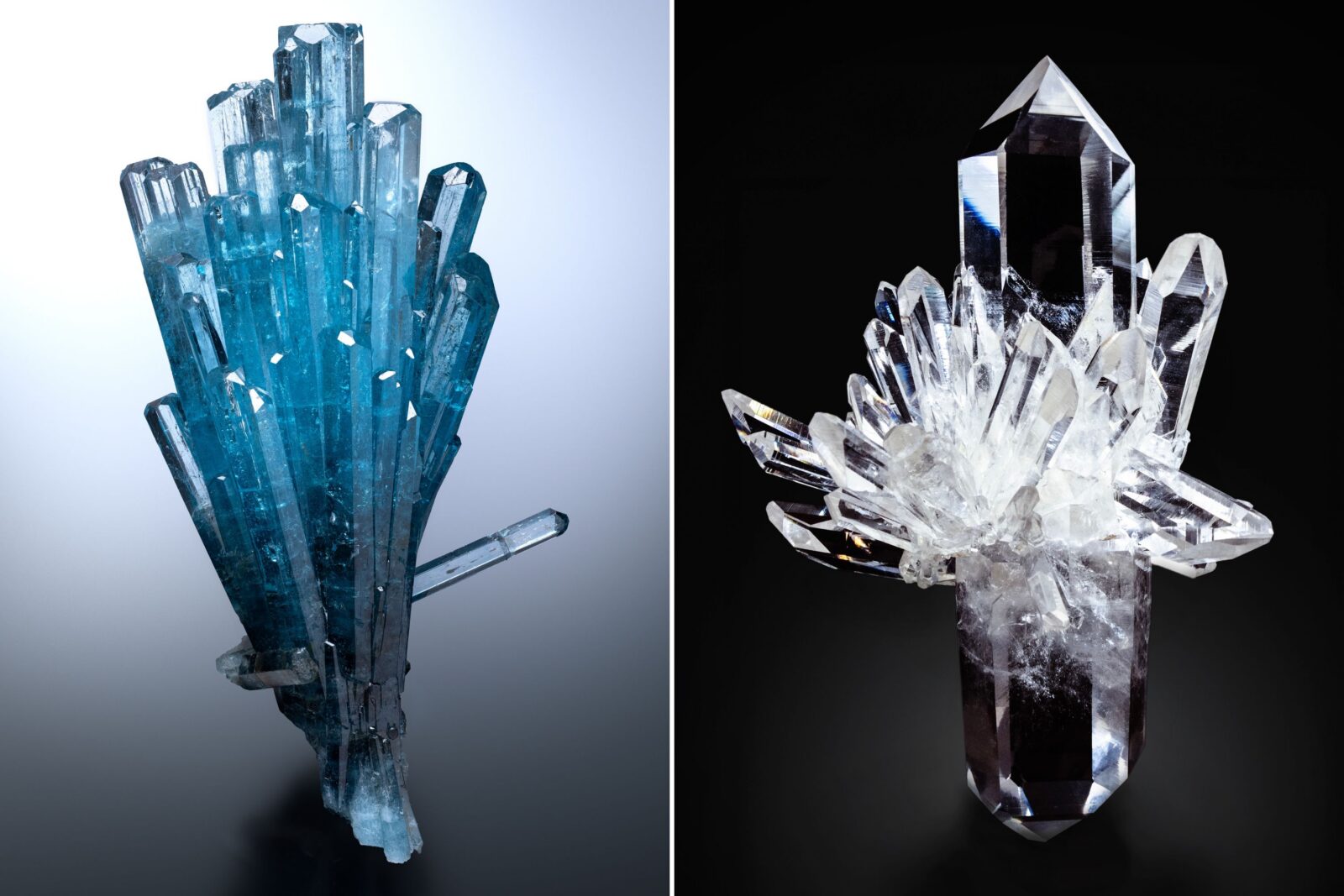
Complementing the diamonds are raw minerals pulled straight from the Crystal Bridges permanent collection: deep blue beryl stones, colored by traces of iron, and towering quartz crystals standing nearly four inches tall. These geological specimens are juxtaposed with Carmen Herrera’s stark, geometric 1965 abstract painting, Cerulean, which uses crisp spatial cuts to transform a familiar square into a diamond shape, bridging the gap between raw crystal lattices and minimalist abstraction.
Official Statements: Perspectives from the Curatorial Team
The emotional and cultural resonance of returning the Arkansas Diamond to its home state has been a driving narrative for the museum staff. Curator Jen Padgett emphasizes that the exhibition is designed to elevate both the state’s natural heritage and the ingenuity of American decorative arts.
"Having the diamonds here allows us to highlight Arkansas’s natural resources and bring attention to the state’s unique place in the story of American gems," notes Jen Padgett, curator of the exhibition. "The Arkansas Diamond is a centerpiece in the show, alongside two notable diamonds found at Crater of Diamonds State Park."
Padgett further elaborates on the conceptual scaffolding of the exhibition, noting how cross-collection pairings reshape the viewer’s experience:
"The pairings across the Tiffany Archives and Crystal Bridges help us to see both collections in a new light. Comparing how artists draw inspiration from nature—whether depicting an orchid in a painting or transforming its form into a brooch—allows us to appreciate their ingenuity and imagination."
Future Outlook: Legacy and Cultural Impact
As Nature Adorned welcomes visitors through the crisp winter months of late 2026 and early 2027, its impact extends far beyond standard museum attendance figures. By pulling treasures out of the New York corporate vaults and placing them within the cultural ecosystem of the American South, Crystal Bridges has redefined regional museum programming.
The exhibition sets a new benchmark for how institutions can merge industrial design, natural history, and fine art into a single cohesive narrative. For the thousands of amateur prospectors who still descend upon Murfreesboro each year with sifters and trowels, the presence of the 27.21-carat Arkansas Diamond serves as a shimmering reminder of what might still lie hidden beneath the state’s red clay.
When the exhibition closes on March 29, 2027, the Arkansas Diamond will eventually return to its archival home in Manhattan, but the cultural bridge built between New York luxury and Ozark creativity will remain unbroken. Nature Adorned has successfully argued that beauty is not merely manufactured in the studio or mined from the earth; it is born in the eternal interplay between the two.




0 Comments