

Executive Overview
A profound paradigm shift is sweeping the American retail landscape. Driven by an urgent desire for sustainable consumption, individual expression, and economic mindfulness, consumers of all ages—including a rapidly growing demographic of older shoppers—are increasingly turning away from traditional fast fashion in favor of pre-owned goods. What was once viewed primarily as a niche market born of economic necessity has evolved into a multi-billion-dollar cultural movement.
According to data highlighted in the 2025 Resale Report from ThredUp, the United States secondhand apparel market is expanding at an impressive average annual rate of roughly 9 percent. This robust growth outpaces traditional retail in many sectors, signaling a fundamental recalibration of what consumers value in their wardrobes. At the heart of this movement is a growing environmental consciousness. Shoppers are becoming acutely aware of the staggering ecological toll exacted by the linear "take-make-waste" model of conventional retail.
From professional secondhand stylists curating eco-friendly wardrobes for busy clients to university classrooms dedicated to the intricate science of sustainable fashion design, the message is clear: the future of fashion lies in circularity. This article explores the driving forces behind the secondhand shopping surge, the alarming environmental statistics fueling the crisis, and expert strategies for building a timeless, sustainable wardrobe starting right inside your own closet.
Detailed Chronology: The Evolution of Thrifting into Mainstream Retail
To understand how secondhand shopping captured the mainstream American consciousness, it is helpful to trace its evolution from a fringe activity to a dominant retail force.
From Scarcity to Discovery: The Historical Roots
Historically, buying used goods was often associated with economic hardship. Thrift stores, garage sales, and vintage boutiques served as vital resources for low-income families and bargain hunters. However, even in decades past, a subculture of antique collectors, retro enthusiasts, and fashion mavericks recognized the hidden value within these spaces. They understood that older garments frequently boasted superior craftsmanship, durable natural fibers, and unique designs that simply could not be replicated by mass-market manufacturers.
The Digital Disruption and the Rise of Resale Platforms
The turning point for the secondhand market arrived with the advent of digital peer-to-peer marketplaces and specialized online resale platforms over the past fifteen years. Websites and mobile applications democratized the thrifting experience, allowing users to buy and sell pre-owned clothing from the comfort of their homes. Geographic barriers vanished; a shopper in a rural town could suddenly access vintage boutiques in major metropolitan hubs, and closet-cleaners could easily monetize garments they no longer wore.
As technology streamlined the process, the stigma traditionally associated with second-hand goods dissolved. Younger generations—particularly Millennials and Generation Z—embraced thrift culture not just to save money, but as a badge of honor, a statement of individuality, and a direct rebuke of consumerist excess.
The Broadening Demographic: Older Shoppers Join the Movement
While younger demographics initially spearheaded the digital resale boom, recent retail data indicates that older American consumers are driving a significant portion of the current momentum. Shoppers aged 50 and older are increasingly seeking out pre-owned and sustainable products. For many older adults, this shift is rooted in a lifelong appreciation for quality, durability, and classic design. Having witnessed decades of shifting fashion trends, these consumers recognize the cyclical nature of style and are eager to invest in pieces that offer enduring value rather than ephemeral trends.
Furthermore, older shoppers often possess the discretionary income to invest in premium secondhand goods, supporting high-end consignment shops and luxury resale platforms that specialize in designer accessories, vintage timepieces, and well-tailored apparel.
Supporting Context & Metrics: The Alumina of the Textile Crisis
The mainstream adoption of secondhand shopping is not merely a lifestyle preference; it is an urgent environmental imperative. The metrics surrounding modern textile production and waste paint a sobering picture of an industry in crisis.
The Heavy Toll of Fast Fashion
In recent decades, the rise of "fast fashion"—characterized by ultra-low prices, rapid trend turnover, and massive production volumes—has transformed clothing into a disposable commodity. To meet the insatiable global demand for cheap apparel, manufacturers rely heavily on synthetic fibers like polyester, nylon, and acrylic, which are derived from fossil fuels. The production of these materials consumes vast amounts of energy and water while releasing microplastics into oceans and waterways.
The environmental footprint extends far beyond synthetic materials. Conventional cotton farming, for instance, requires intensive pesticide and water use, disrupting local ecosystems and depleting groundwater reserves. Moreover, the dyeing and finishing processes used in garment manufacturing are among the world’s largest polluters of clean water sources, introducing toxic chemicals into local watersheds in manufacturing hubs.
Staggering Waste Statistics
The downstream consequences of this hyper-consumption model are catastrophic. According to estimates from the Council for Textile Recycling, the average American discards more than 70 pounds of clothing and other textiles every single year. When multiplied across the entire U.S. population, this results in millions of tons of textile waste generated annually.
On a global scale, the figures are even more alarming. Data compiled by the United Nations Environment Programme (UNEP) reveals that the equivalent of one entire garbage truck of textiles is landfilled or burned every single second of the day. Much of this discarded clothing ultimately ends up in open landfills or is shipped to developing nations, where inadequate waste management infrastructure leads to environmental degradation on a massive scale.
It was precisely these harrowing realities that inspired Stephanie Hernandez, a Washington, D.C.-based secondhand stylist, to launch her career in sustainable fashion. Reflecting on the global impact of textile waste, Hernandez noted:
"I’d see videos of clothes washing up on beaches in countries across the ocean and it breaks my heart. That’s kind of why I started the business, to educate people about that and show them that there are other options."
Hernandez’s observation underscores a broader psychological shift among consumers: the cognitive dissonance of buying brand-new items while witnessing images of environmental destruction has become too great to ignore. Choosing secondhand is no longer just about personal style; it is an active act of conservation.
Official Statements and Expert Perspectives
To gain a deeper understanding of how the sustainable fashion movement operates on the ground, industry experts and educators offer invaluable insights into changing consumer habits and pedagogical approaches.
The Perspective of a Secondhand Stylist
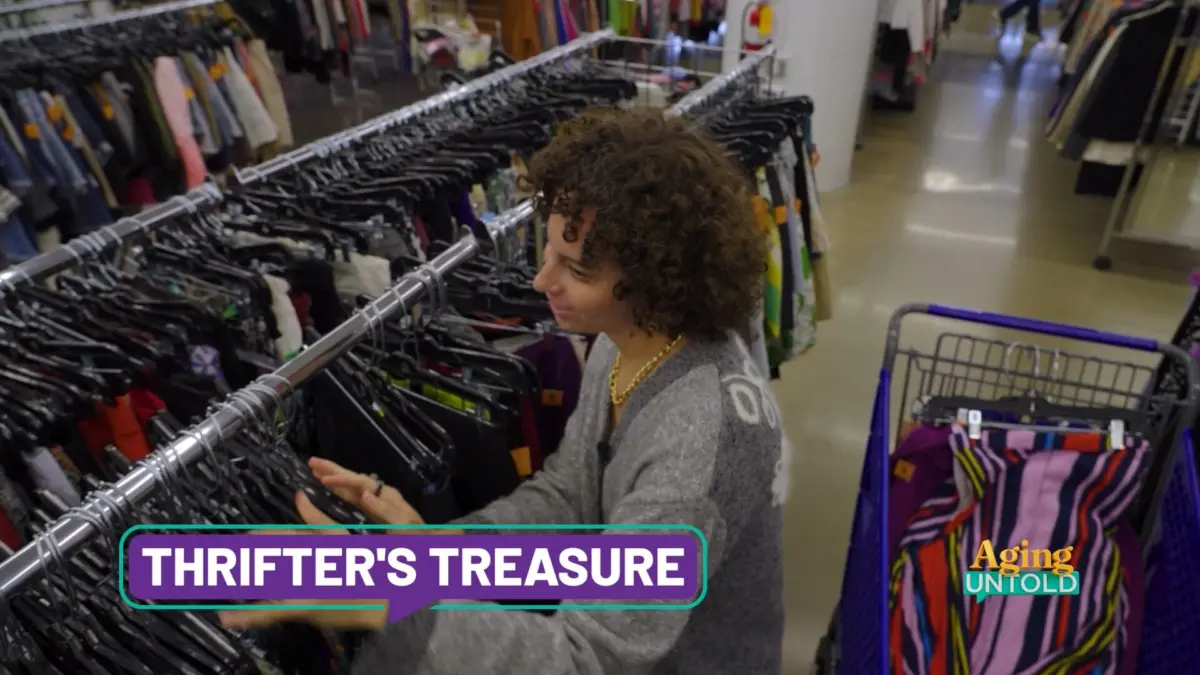
For Stephanie Hernandez, thrift shopping is a seamless fusion of passion and profession. Many consumers recognize the environmental imperative to shop sustainably, yet feel paralyzed by the time and effort required to scour thrift stores for high-quality items. Hernandez bridges this gap for her clients, curating one-of-a-kind wardrobes tailored to their individual tastes.
"They want to be more sustainable, and they are kind of thinking about it more, but they don’t really have the time to go out to a thrift store and hunt for those amazing pieces," Hernandez explains.
Her motivation is rooted in a fundamental philosophy of resource abundance over scarcity. In a world already saturated with manufactured goods, she argues that producing new items is inherently redundant and ecologically damaging:
"I just feel like there’s already so much out there in the world, and buying new just creates more and more waste."
Rather than overwhelming clients with the prospect of buying entirely new wardrobes of used clothing, Hernandez utilizes a meticulous, foundational approach. She insists that every styling engagement begin inside the client’s existing closet.
"We literally go through everything in their closet," Hernandez says. "And we put outfits together with things that they already own—so kind of showing them you can breathe new life into things you already have!"
Educating the Next Generation of Designers
While stylists like Hernandez transform consumer habits at the individual level, educators are hard at work reforming the industry from the inside out. Mikki Taylor serves as a fashion design professor at Howard University’s Chadwick A. Boseman College of Fine Arts, where she teaches a specialized course on sustainable fashion. Taylor not only preaches environmental responsibility in the lecture hall but actively practices it in her daily life.
In Taylor’s classroom, students are challenged to confront the uncomfortable realities of their own consumption patterns. They conduct rigorous audits of their personal wardrobes, examining the lifecycle of their garments from raw material extraction to final disposal.
"I let them know all the chemicals that are involved in just one item, one T-shirt, a pair of jeans," Taylor emphasizes. "It is incredibly important to teach them that because our environment is definitely being affected."
By demystifying the manufacturing process, Taylor equips her students—the future designers and executives of the fashion industry—with the knowledge required to innovate circular systems, utilize biodegradable textiles, and design garments built for longevity rather than obsolescence.
For consumers looking to embark on their own sustainable fashion journey, Taylor offers straightforward, empowering advice:
"I would say just dive in. I mean really, just look at how much you have, what is it that you can remake or reinvent, and then what I always advise is to get a solid staple piece, and then build around it."
Future Outlook: The Horizon of Sustainable Retail
As we look toward the remainder of the decade and beyond, the trajectory of the secondhand market points toward continued, aggressive growth. Retail analysts project that pre-owned goods will occupy an increasingly dominant share of the global fashion market, eventually rivaling or even surpassing traditional fast-fashion retail in key consumer segments.
Technological Integration and Mainstream Adoption
The future of resale will undoubtedly be shaped by technological innovation. Major traditional retailers—ranging from luxury houses to mass-market department stores—are already launching their own in-house resale and trade-in programs. By capturing the secondary market value of their own garments, these brands are positioning themselves to profit from circularity while simultaneously bolstering their corporate sustainability credentials.
Furthermore, advancements in authentication technology, artificial intelligence-driven sizing tools, and automated grading systems are making secondhand shopping smoother and more reliable than ever before. Consumers can purchase pre-owned goods with the same confidence, return policies, and customer service guarantees historically reserved for brand-new merchandise.
Cultural Permanence over Fleeting Trend
Ultimately, the surge in secondhand shopping is not a temporary pandemic-era anomaly or a fleeting social media trend. It represents a permanent cultural recalibration. As consumers become increasingly attuned to the ecological consequences of their purchases, the social status once attached to wearing brand-new, disposable fashion is rapidly transferring to those who proudly wear pre-owned, vintage, and sustainably curated wardrobes.
Through the dedication of professional stylists like Stephanie Hernandez, the rigorous education provided by professors like Mikki Taylor, and the conscious purchasing decisions made by millions of American shoppers—young and old alike—the fashion industry is slowly steering away from the precipice of ecological disaster. By embracing what already exists, reimagining our current closets, and diving courageously into the world of resale, consumers are proving that style and sustainability can, and must, coexist.

0 Comments