

August 18, 2026
By Jed Portman
Enriched and Expanded Edition
Executive Overview
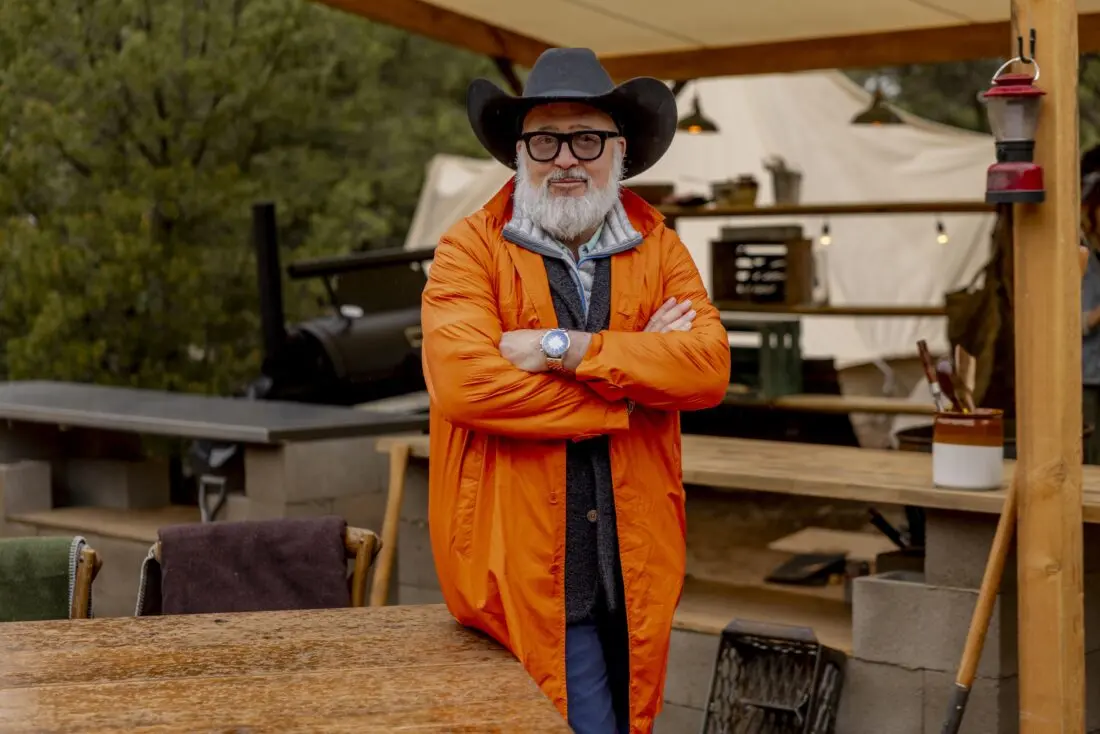
For decades, culinary icon Andrew Zimmern has taken television audiences on untamed gastronomic odysseys, uncovering the world’s most eccentric and culturally profound cuisines. From the bustling, aromatic night markets of Southeast Asia to remote corners of the globe where old-world culinary traditions are preserved, Zimmern has never been one to shy away from the unconventional. Yet, despite his expansive resume—cemented globally by his hit Travel Channel series Bizarre Foods with Andrew Zimmern—his latest television venture steers away from the exotic and dives headfirst into something deeply fundamental to North American culinary identity: live-fire cooking.
Enter Pitmasters, a grueling, high-stakes competition airing on the Food Network on Monday nights (and available for next-day streaming on Max). The series brings together elite pitmasters from across the United States and Canada for a weeklong trial of endurance, smoke, and steel. Rather than offering a sanitized, studio-cooked version of barbecue, the show captures the punishing reality of the craft. Fires burn around the clock. Sleep deprivation sets in. Mistakes cannot be undone.
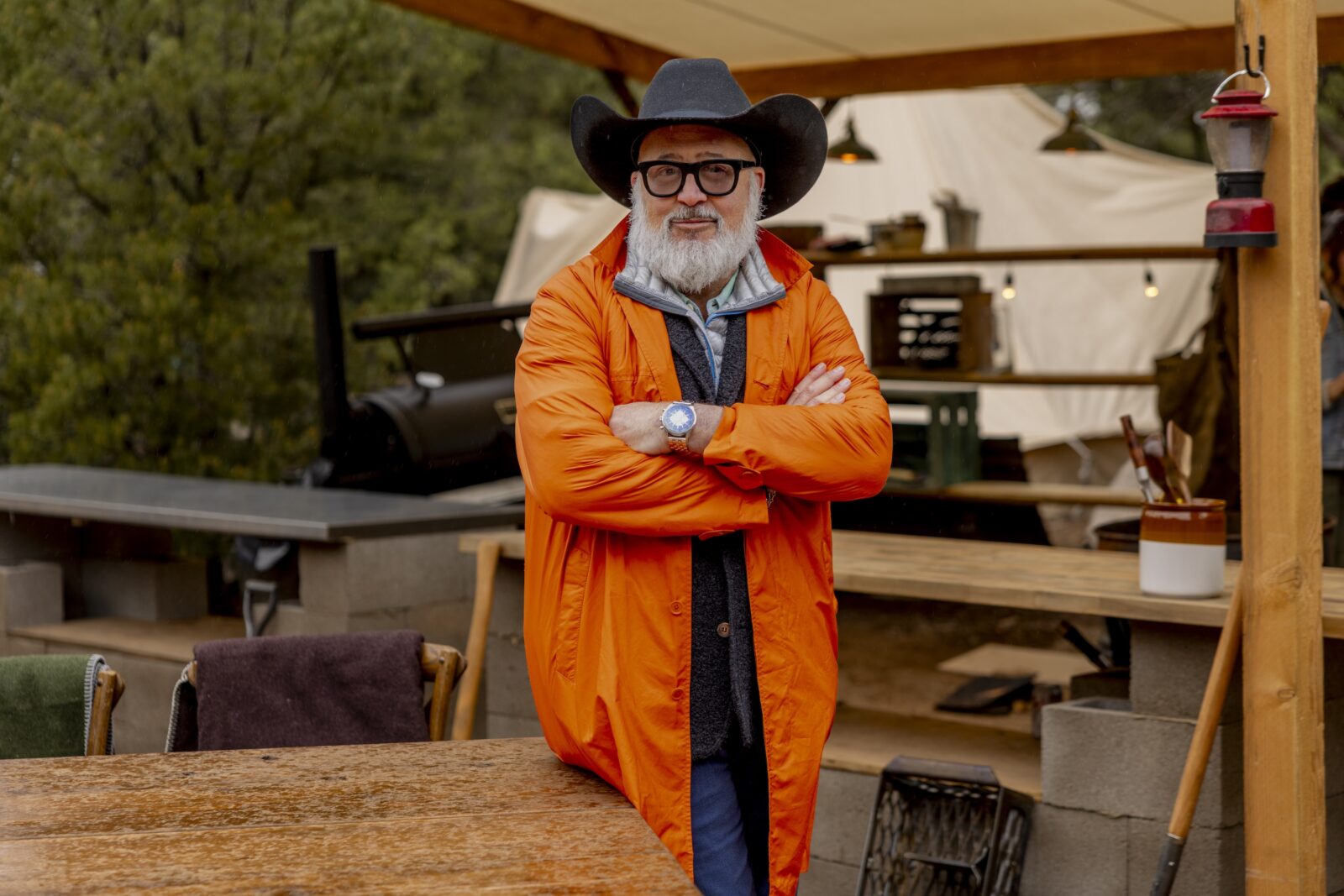
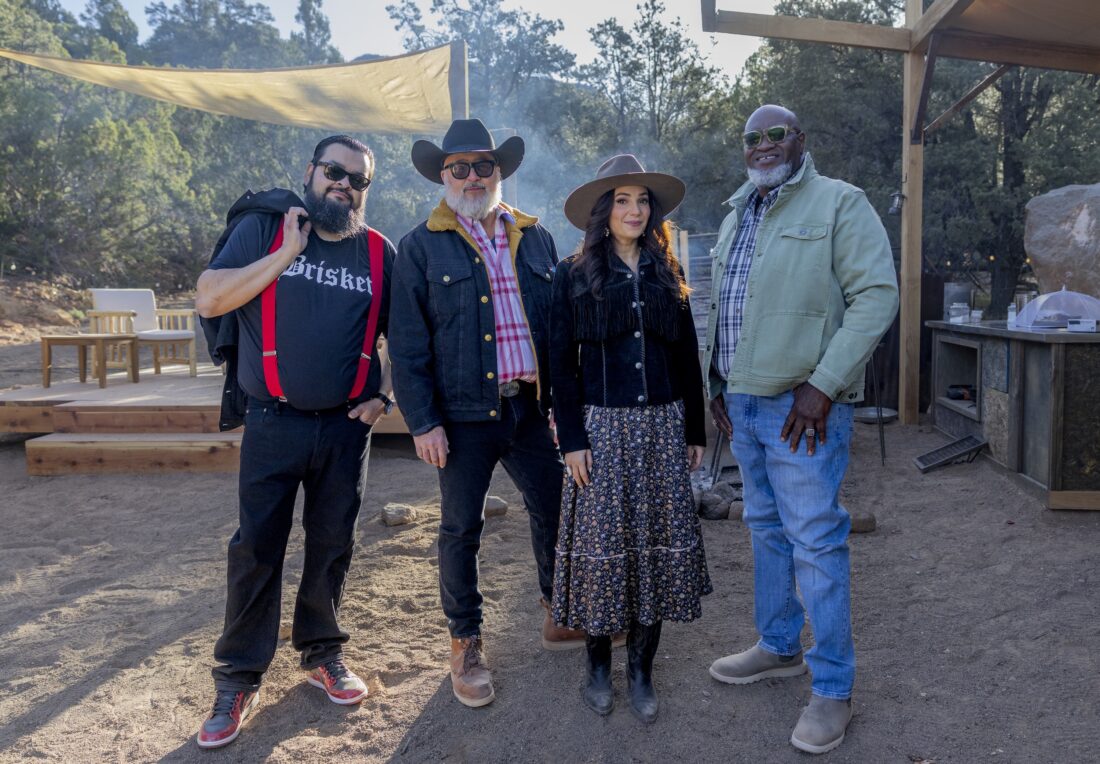
At the helm of this smoke-shrouded arena is Zimmern, flanked by a legendary panel of hall-of-fame judges: award-winning restaurateur and pitmaster Ernest Servantes, competition barbecue veteran Moe Cason, and accomplished author and TV host Jess Pryles. In an exclusive conversation midway through the show’s debut season, Zimmern sat down to unpack the expanding universe of American barbecue, the realities of staging a truly unscripted food competition, and why the definition of "barbecue" has grown far beyond regional boundaries.
Detailed Chronology: From Surf-Casting to the Smokehouse
To understand how a New Yorker-turned-Minnesotan came to helm one of television’s most demanding live-fire cooking competitions, one must look back at a childhood spent closely tethered to the elements. Zimmern’s culinary genesis did not begin in a high-end commercial kitchen, but on the beaches of his youth, where fire was the primary tool of transformation.
The Early Fires
Long before he was a household name, a four-to-six-year-old Zimmern already knew his life would revolve around food. Family trips to the coast meant surf-casting with his father, pulling in fresh striped bass or bluefish right out of the surf.
- The Routine: Scaling, gutting, and building a massive open fire on the beach to grill the catch whole.
- The Harvest: Young Andrew would be lowered by his ankles over the edge of a jetty to pull up ropes of wild mussels thriving in the summer tides, which were then thrown directly onto the coals alongside the fish.
This early immersion instilled a lifelong reverence for wild harvesting and cooking with fire. "My dad thought harvesting your own food was the most fun thing you could do, and he loved to cook with fire," Zimmern recalls. "And so I got addicted to it." Though much of his professional career initially bypassed wild game and live fire for classical training and global exploration, the primal pull of the hearth remained his private passion.
The Genesis of Pitmasters
Fast forward to the development of Pitmasters. Traditional food television often relies on tightly controlled timelines: a clock counts down, contestants plate their dishes, and judges critique the result after a brief intermission. But Zimmern and the production team recognized that true barbecue cannot be subjected to a neat, sixty-minute studio format.
A traditional whole-hog cook or a multi-hour brisket smoke requires vigilance through the dead of night. To capture that reality, the creators of Pitmasters designed a format where the clock never truly stops. The fires burn continuously, and the psychological and physical toll on the contestants mounts with every passing hour.
The strategy paid off immediately. In the show’s premiere episode, viewers watched in stunned disbelief as a legendary Mississippi family—widely regarded as barbecue royalty in the South—was eliminated. The shockwaves rippled through the audience, proving a vital point: in the world of live-fire cooking, reputation offers no immunity to fatigue, error, or stiff competition.
Supporting Context & Metrics: Redefining American Barbecue
The culinary landscape of the United States has undergone a seismic shift over the last twenty years. Once strictly defined by rigid regional parameters—the beef-centric brisket belts of Central Texas, the pork-heavy whole-hog traditions of the Carolinas, and the distinct styles of Memphis and Kansas City—barbecue has entered a renaissance of boundary-pushing creativity.
The Changing Menu of American Smoke
When Zimmern first began documenting barbecue decades ago, menus were remarkably uniform depending on geography.
- Texas Stalwarts: At foundational institutions like Kreuz Market or Black’s Barbecue, the standard offering consisted of brisket, sausage, ribs, and turkey. Chicken was frequently an afterthought, and items like mutton or ham were restricted to hyper-specific pockets of the South.
- The Modern Evolution: Today, those boundaries have dissolved. Modern pitmasters are taking classic proteins out of the smoker and applying avant-garde techniques without losing the soul of the craft.
Zimmern highlights the work of chefs like Ernest Servantes (a Pitmasters judge) and Jon Wipfli of Animales Barbeque in Minneapolis. Describing a recent meal at Animales, Zimmern notes encountering a duck liver pâté so elegant it belonged in a high-end French bistro—yet it was served with a sleeve of standard Ritz crackers, firmly anchoring the dish in the unpretentious culture of a barbecue joint.
What Constitutes Barbecue?
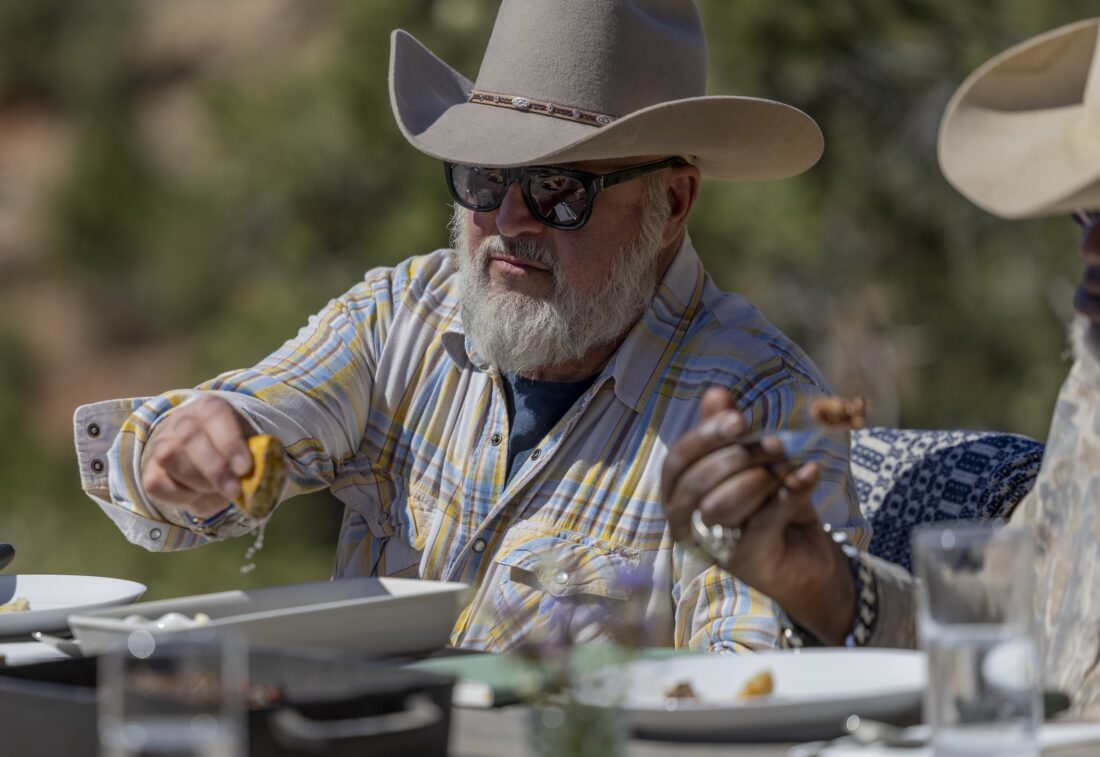
Even side dishes have experienced an existential re-evaluation. "Twenty years ago, if you asked me if potato salad was barbecue, I would have said no," Zimmern admits. "But if it’s served with meats and vegetables that are cooked with fire and smoke, you bet your ass it’s barbecue. Barbecue is a culture. And it keeps growing and growing."
Official Statements & Insights from Andrew Zimmern
During our deep-dive conversation, Zimmern shared candid perspectives on the realities of reality television, the grit required to survive the pit, and his ultimate litmus test for culinary mastery.
On Maintaining Authenticity in Television
When asked why the production team opted for a continuous, sleep-deprived format rather than edited-down studio challenges, Zimmern emphasized the importance of truth in broadcasting:
"Well, that keeps it real. I know that sounds like the biggest cliché of all time, but that’s it. As the show goes on, the cooks are getting more and more tired, and there’s less and less time to rest. There are fewer teams, and you’re competing against people who you know you’ve really got to bring it to. That’s how it works in real life… Anyone can lose that easily. That’s keeping it real. I think the audience responds to that. People who watch food TV cook. They know when something’s made up."
The Ultimate Barbecue Litmus Test
Asked to define his dream Southern barbecue plate, Zimmern discarded the notion of curating a checklist from famous, award-winning establishments in favor of localized, deeply personal foodways:
"If you’d asked me this twenty years ago, I would have given you a real smart answer: brisket from this place, sausage from this place… But to me, that’s not really what it’s about. If a friend of mine is making it and they hand it to me—it doesn’t even have to be a friend of mine—I love it. It doesn’t have to come from a famous place. I would just as soon have a smoked hog ponce—that’s a stuffed pig’s stomach—at a Louisiana meat market with, you know, a wooden door with a screen on it and a fan blowing the other way so when someone comes in, flies don’t follow. I would just as soon be in a Cuban household in Florida eating blood sausage that they threw into their smoker the night before, when they were roasting a hog for a granddaughter’s tenth birthday."
Despite his appreciation for rustic, impromptu barbecue traditions, Zimmern offered a definitive professional verdict on which smoked meats truly separate the amateurs from the masters:
"I will say this: Lots of people cook brisket and ribs beautifully, but sausage and turkey don’t lie. Really good sausage is just perfect, even though I might only want two or three bites because it’s so rich. Really good turkey is an art form."
Future Outlook: The Next Frontier of Live-Fire Cooking
As Pitmasters continues its inaugural season on the Food Network and Max, its impact on the culinary television landscape is already palpable. By stripping away the artificial constraints of traditional game shows and honoring the physical toll of live-fire cooking, the series has set a new benchmark for food competition programs.
Looking forward, the success of Pitmasters signals a broader cultural appreciation for the nuance, heritage, and physical labor behind regional cooking styles. No longer viewed merely as backyard weekend pastime or regional comfort food, barbecue is increasingly recognized as a dynamic, evolving culinary art form—one that bridges cultural divides, honors ancestral techniques, and continues to expand its universe under the watchful eyes of Andrew Zimmern and his legendary panel of judges.

0 Comments