
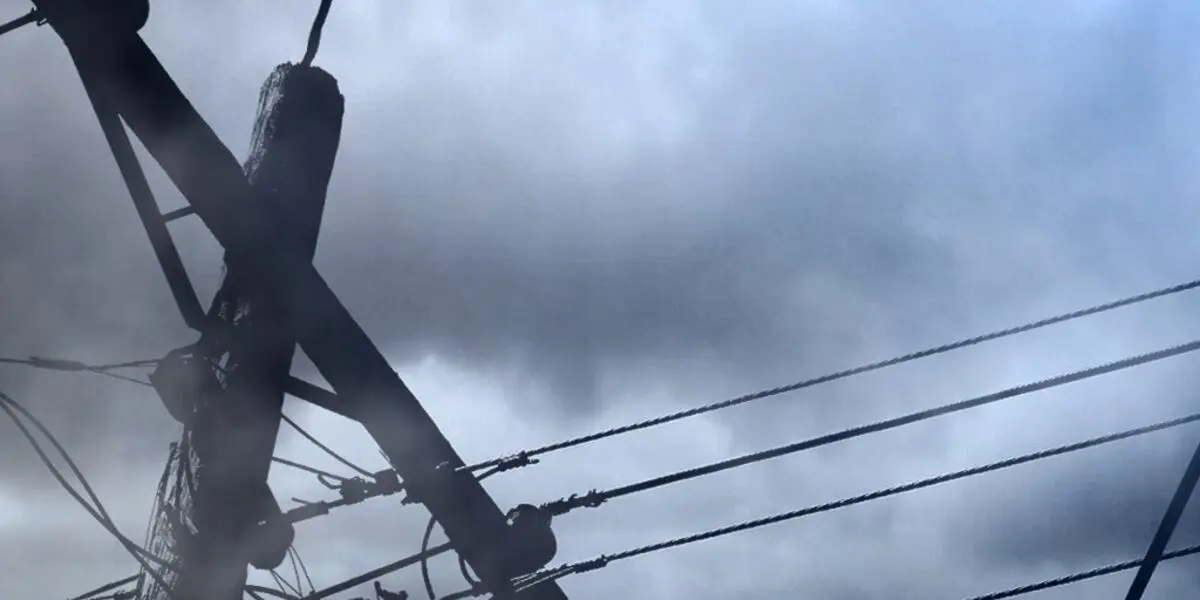

CURRY COUNTY, N.M. — A routine utility repair transformed into an unmitigated disaster on a rain-soaked Friday afternoon in rural Curry County, New Mexico. Ian Massey, a dedicated local lineman employed by the Farmers’ Electric Cooperative, lost his life in a severe industrial accident near Curry Road 7. The incident, triggered by unstable ground conditions, heavy rainfall, and a compromised utility structure, has sent shockwaves through the tight-knit community of Clovis and cast a harsh spotlight on the inherent dangers faced daily by frontline electrical infrastructure workers.
Emergency response teams rushed to the scene following frantic 911 calls, but despite swift medical intervention, Massey succumbed to his injuries at a regional hospital. Local authorities, workplace safety advocates, and utility regulators have since initiated comprehensive reviews to determine the exact sequence of events that led to the fatal electrocution.
Executive Overview
On Friday, September 26, 2026, emergency services in Curry County, New Mexico, were dispatched to a remote rural sector following reports of a severe industrial accident involving a utility infrastructure worker. The victim, identified as Ian Massey of Clovis, was performing repair and stabilization operations on a leaning power pole in an area heavily saturated by recent precipitation.
According to preliminary findings released by the Curry County Sheriff’s Office, Massey was standing near the base of the compromised structure when the pole unexpectedly gave way, collapsing directly into several feet of standing water. The sudden structural failure brought energized lines or equipment into contact with the flooded terrain, resulting in a fatal electrocution.
Responders from the Clovis Fire Department and sheriff’s deputies arrived promptly, navigating difficult, waterlogged terrain to render emergency aid. Massey was rapidly transported via ambulance to Plains Regional Medical Center, where medical professionals made exhaustive efforts to revive him. Tragically, those efforts were unsuccessful.
The incident highlights the compounding hazards of severe weather, unstable geotechnical conditions, and high-voltage electrical work. As Farmers’ Electric Cooperative, local law enforcement, and federal or state occupational safety agencies delve into the specifics of the tragedy, the community mourns the loss of a skilled tradesman who died in the line of duty, keeping the region’s lights on under treacherous environmental conditions.
Detailed Chronology of Events
The Setup: Pre-Existing Infrastructure Strain
In the days leading up to the fatal incident, eastern New Mexico experienced severe, sustained heavy rainfall. The deluge thoroughly saturated the arid soils typical of Curry County, compromising the structural integrity of numerous utility poles throughout the rural grid. Among the affected structures was a power pole situated near Curry Road 7, which had begun to lean noticeably under the combined weight of overhead lines and softened, shifting earth at its base.
Farmers’ Electric Cooperative dispatched maintenance and line crews to the area to assess the hazard, secure the leaning infrastructure, and restore safe operating parameters to the local distribution circuit. Ian Massey, an experienced lineman based out of Clovis, was among the personnel assigned to remediate the compromised pole.
The Incident: Sudden Collapse and Electrocution
On Friday afternoon, Massey was actively engaged in the repair operation at the rural Curry County site. Because of the persistent downpours, the surrounding topography was inundated, leaving several feet of standing water pooled around the base of the utility pole.
While Massey and his team were working to stabilize or dismantle the leaning structure, ground stability gave way entirely. Without warning, the utility pole snapped or pulled free from the mud, toppling into the deep standing water where Massey was positioned.
The sudden collapse caused immediate and catastrophic environmental hazards. The energized components attached to the pole came into direct contact with the flooded expanse, instantly turning the standing water into a lethal electrical hazard before Massey could evacuate the immediate danger zone.
The Emergency Response
First responders were alerted to the industrial accident shortly after the collapse occurred. The Curry County Sheriff’s Office and the Clovis Fire Department mobilized units immediately, racing against the clock to reach the remote rural location.
Upon arrival, emergency personnel encountered a treacherous scene: a downed, energized utility pole resting in standing water, with an unresponsive worker trapped in the immediate vicinity. First responders had to coordinate with utility control operators to ensure power was fully isolated before they could safely approach the patient.
Once deemed safe to enter the water, rescue crews reached Massey, evaluated his condition, and immediately initiated life-saving measures, including cardiopulmonary resuscitation (CPR) and advanced cardiac life support protocols.
Transport and Pronouncement
Recognizing the critical nature of his injuries, emergency medical services loaded Massey into an ambulance for an emergency transit to Plains Regional Medical Center in nearby Clovis. Throughout the transit, medical personnel continued aggressive resuscitative efforts. Despite the heroic measures undertaken by both field medics and emergency room physicians, Massey could not be revived. He was pronounced dead at the hospital, marking a somber day for emergency services, utility workers, and the greater Curry County community.
Supporting Context & Metrics
The High-Risk Profession of the Lineman
Linemen and electrical utility repair technicians consistently rank among the most dangerous professions in the United States. According to data compiled by the Bureau of Labor Statistics (BLS) and safety organizations such as the Electrical Safety Foundation International (ESFI), utility workers face a mortality rate significantly higher than the national average for all private industries.
- Primary Hazards: The leading causes of fatalities and severe injuries among linemen include falls from elevated heights, vehicular accidents in work zones, and electrical contact (electrocution).
- Environmental Factors: Inclement weather—such as heavy rain, high winds, ice storms, and snow—dramatically increases the baseline risk. Saturated soils destabilize heavy utility infrastructure, while wet equipment and standing water drastically lower the human body’s electrical resistance, transforming minor missteps into fatal events.
- Geographical Challenges: In rural areas like Curry County, vast distances between grid nodes mean that repair crews often operate in isolated environments, potentially delaying the arrival of advanced emergency medical care during a crisis.
Infrastructure Vulnerability in Rural New Mexico
The infrastructure managed by cooperatives like Farmers’ Electric Cooperative spans hundreds of miles of rural terrain, crossing agricultural fields, ranch lands, and desert scrub. These systems are perpetually exposed to extreme weather fluctuations common to the American Southwest, ranging from intense summer heatwaves and dry microbursts to torrential autumn rains that trigger flash flooding and severe soil erosion.
When heavy rains soften the earth surrounding wooden or concrete utility poles, the lateral load exerted by overhead conductors can quickly overcome the anchor strength of the soil. This creates a dangerous phenomenon where poles do not merely fail during a storm, but remain standing in a precariously balanced, leaning state—waiting for maintenance crews to disturb them. The sudden shifting of these unstable structures is a recognized hazard in utility safety manuals, yet managing it safely under emergency conditions remains one of the field’s greatest technical challenges.
Official Statements and Community Impact
Farmers’ Electric Cooperative Responds
In the wake of the tragedy, leadership at Farmers’ Electric Cooperative released statements expressing profound grief and solidarity with the family of Ian Massey. The cooperative, which serves thousands of members across eastern New Mexico, emphasized that safety is the foundational pillar of their daily operations, making the loss of one of their own particularly devastating.
"It is with heavy hearts and profound sorrow that Farmers’ Electric Cooperative confirms the passing of our team member and friend, Ian Massey," a cooperative spokesperson shared in a preliminary statement. "Ian was an exemplary lineman and a dedicated professional who took great pride in serving his community. Our immediate focus is supporting his family, loved ones, and co-workers through this unimaginably difficult time. We are cooperating fully with all local authorities and safety investigators to understand every detail of how this accident occurred."
Law Enforcement and Investigation
The Curry County Sheriff’s Office spearheaded the initial on-scene investigation, collecting physical evidence, interviewing surviving crew members, and documenting the site conditions near Curry Road 7. Because the incident falls under industrial and workplace safety jurisdictions, federal and state regulatory bodies—such as the Occupational Safety and Health Administration (OSHA)—are expected to launch independent reviews.
Investigators will analyze whether all standard operating procedures (SOPs) regarding heavy rain protocols, pole stability assessments, grounding techniques, and personal protective equipment (PPE) were strictly adhered to during the repair operation.
Community Outpouring in Clovis
News of Massey’s death reverberated quickly through Clovis and the broader Curry County region. Social media platforms, local forums, and community message boards flooded with tributes from friends, local residents, fellow utility workers, and emergency personnel.
Many highlighted the invisible sacrifices made by utility workers who routinely deploy during hazardous weather conditions—abandoning their own families and comfort to ensure that homes, hospitals, and businesses retain power. Vigils and private memorials are being planned by local community members to honor Massey’s memory and support his grieving family.
Future Outlook: Safety Protocols, Regulatory Scrutiny, and Industry Reform
Implementing Lessons from the Curry County Tragedy
Industrial accidents of this magnitude inevitably trigger critical self-reflection and operational overhauls within the utility sector. As the formal investigations by the Curry County Sheriff’s Office, OSHA, and internal cooperative safety committees progress, several key areas of focus are expected to emerge:
- Enhanced Geotechnical Risk Assessments: Utilities may re-evaluate how crews approach leaning poles compromised by water-logged soils. Implementing mandatory soil-stability testing or utilizing specialized heavy machinery (such as digger derricks) to hold poles securely before workers approach the base could become a more rigid requirement.
- Water Hazard Mitigation: Standardizing protocols for dealing with standing water near electrical infrastructure is critical. Utilizing specialized pumps to clear water from a work zone before attempting stabilization could reduce the risk of simultaneous electrocution and drowning hazards.
- Advanced Personal Protective Equipment (PPE): Reviewing the efficacy of electrical hazard footwear, insulated mats, and dielectric gear when operating in conductive, flooded environments will likely be a primary recommendation of safety inspectors.
The Ongoing Mission of Rural Cooperatives
Farmers’ Electric Cooperative, like many member-owned rural utilities across the country, faces the dual challenge of maintaining aging infrastructure across sprawling geographic footprints while keeping electricity reliable and affordable for rural residents.
As climate patterns shift and extreme weather events become more frequent and intense, the strain on rural electrical grids will only increase. Ensuring that frontline workers are equipped not only with technical tools, but with the most advanced safety protocols, real-time weather-monitoring integration, and psychological support systems, is paramount to preventing future tragedies.
Honoring a Fallen Lineman
For the family, friends, and colleagues of Ian Massey, the road ahead will be defined by mourning and the slow process of healing. Yet, his legacy will endure within the utility community. Every time a lineman climbs a pole, secures a downed line, or restores power in the pitch-black aftermath of a storm, they embody the courage, dedication, and sacrifice that Ian Massey demonstrated every day on the job.
The tragedy in Curry County serves as a solemn reminder of the true cost of our modern electrical grid—and the heavy burden carried by the men and women who keep the current flowing, rain or shine.

0 Comments