

Executive Overview
In an era defined by rapid advancements in preventative medicine and personalized healthcare, understanding the nuances of individual diagnostic reports remains a critical challenge for patients. For decades, breast cancer screenings have served as the cornerstone of early detection. However, millions of women worldwide receive complex diagnostic results that contain medical terminology they are ill-equipped to interpret without guidance.
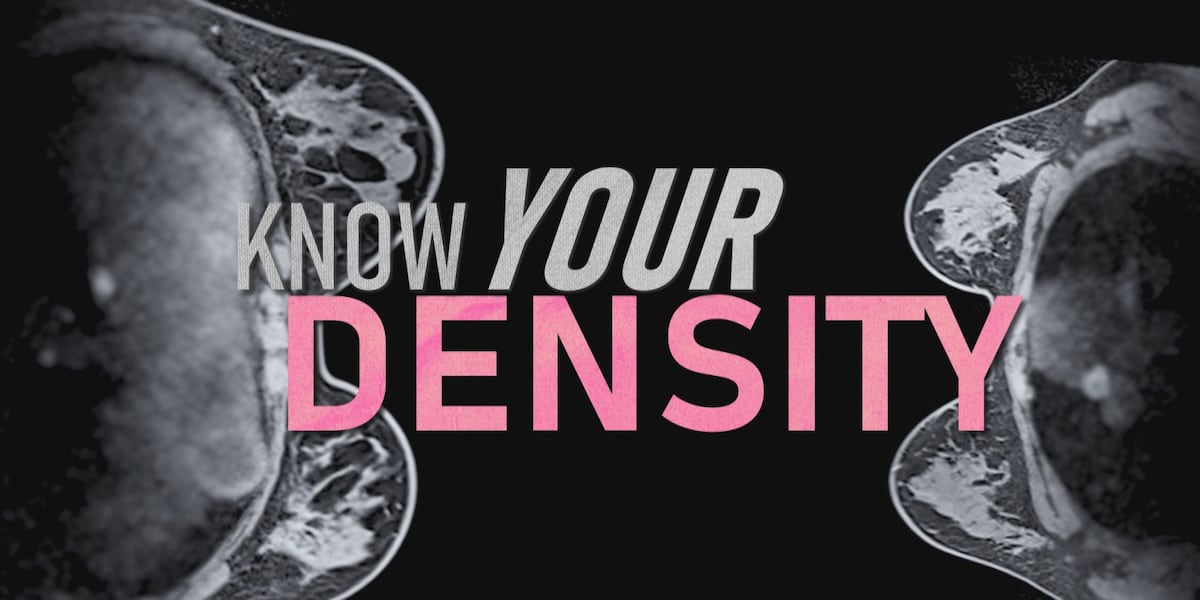
Recognizing a profound gap in patient literacy regarding breast density, WCTV News Anchor and Reporter Abby Walton has spearheaded a transformative public awareness initiative. Sparked by a personal revelation in August 2026—when a routine mammogram revealed she had dense breasts and subsequently necessitated a specialized breast MRI—Walton shared her journey on social media. The overwhelming response, characterized by an influx of queries, concerns, and shared anxieties from viewers, catalyzed the creation of a dedicated four-week web and social media series titled “Know Your Density.”
This comprehensive investigative and educational project aims to demystify radiographic terminology, empower patients with actionable health insights, and highlight why understanding breast composition is no longer optional, but essential. In the inaugural episode of the series, Walton sits down with Dr. Shlermine Everidge, a prominent breast surgical oncologist at Tallahassee Memorial Hospital (TMH). Together, they unpack the fundamental science of breast density, explore the implications of the FDA’s landmark 2024 reporting mandates, and provide a roadmap for women navigating their annual screenings.
As healthcare systems move toward absolute transparency, this series serves as a timely reminder that knowledge is one of the most powerful tools in the fight against breast cancer.
Detailed Chronology: From Personal Discovery to Public Advocacy
The genesis of WCTV’s "Know Your Density" campaign is rooted in transparency, lived experience, and an urgent public demand for clarity.
August 2026: The Catalyzing Post
The initiative began not in a corporate boardroom, but on the personal Facebook timeline of WCTV journalist Abby Walton. Following a standard mammogram, Walton was informed that she possessed dense breast tissue—a finding that doctors recommended following up with a specialized breast MRI for a clearer picture. Intrigued by her own medical journey and realizing how little the average person understands about the term "dense breasts," Walton published a post detailing her experience.
The response was immediate and staggering. Hundreds of women across the Florida Panhandle and South Georgia chimed in. Many shared similar experiences of confusion upon reading their mammogram reports; others admitted they had never heard the term before, despite having undergone routine screenings for years. The sheer volume of questions made it clear that a systemic educational deficit existed regarding breast composition and cancer risk.
Designing the Campaign
Recognizing her platform as a powerful vehicle for community health advocacy, Walton collaborated with WCTV production teams to channel the public feedback into a structured, highly accessible multi-platform initiative. The result was "Know Your Density," a four-week digital series designed to roll out every Wednesday throughout October.
The series was meticulously structured to break down complex oncology concepts into digestible segments:
- Week 1: Defining breast density and understanding how it is categorized.
- Week 2: Evaluating whether a standard mammogram is sufficient for women with dense breasts.
- Week 3: Exploring advanced screening technologies, including MRIs and ultrasounds.
- Week 4: Empowering patients to advocate for themselves during clinical appointments.
The Inaugural Conversation with Dr. Shlermine Everidge
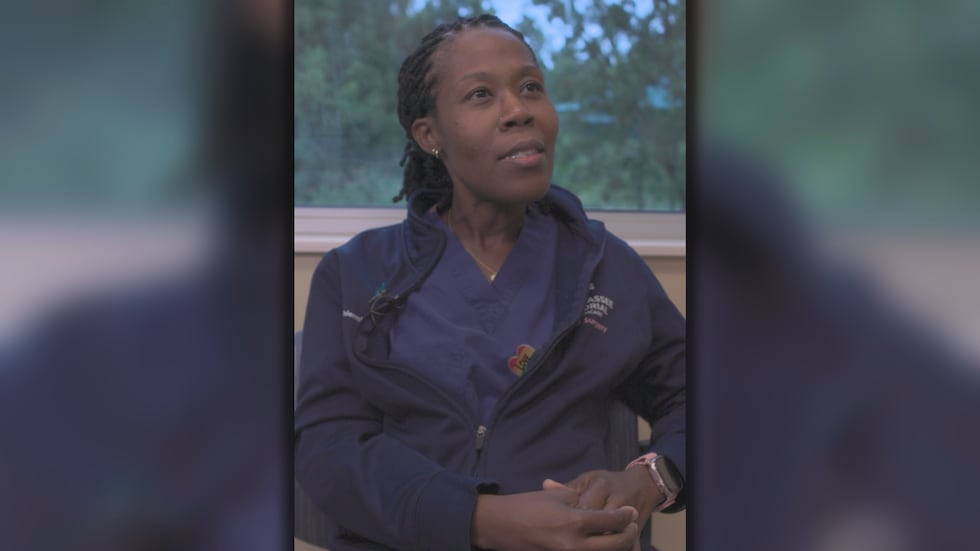
The cornerstone of the first episode features a sit-down interview between Walton and Dr. Shlermine Everidge at Tallahassee Memorial Hospital. Dr. Everidge, an authority in breast surgical oncology, brought clinical precision and empathetic communication to the discussion. By walking viewers through the visual mechanics of a mammogram, Dr. Everidge demystified why dense tissue poses unique diagnostic hurdles and why nationwide reporting laws have fundamentally changed the patient-physician dialogue.
Supporting Context & Metrics: The Science of Breast Density
To truly understand why campaigns like "Know Your Density" are vital, one must examine the clinical definition of breast density, how it is measured, and what it means for long-term health outcomes.
What is Breast Density?
As Dr. Everidge explained during her interview with WCTV, breast density is fundamentally a radiographic term rather than a measure of physical weight, firmness, or size. It describes the composition of the breast tissue as visualized on an X-ray mammogram.
Breasts are composed of two primary types of tissue:
- Adipose (Fatty) Tissue: On a mammogram, fatty tissue appears dark gray or black. Because it offers a uniform, low-density background, it is exceptionally easy for radiologists to examine. A cancerous lesion, which typically appears white on an imaging scan, stands out sharply against a dark, fatty background.
- Fibroglandular Tissue: This category includes fibrous connective tissue and glandular tissue (the milk ducts and lobules). On a mammogram, fibroglandular tissue appears white—the exact same color as most tumors.
The Diagnostic Masking Effect
When a woman has a high volume of fibroglandular tissue relative to fat, she is said to have "dense breasts." This creates what oncologists refer to as a "masking effect."
"On a mammogram, that fatty issue looks nice and black, has an easy-to-look-into background where a white cancer might show up very easily," Dr. Everidge noted. "The more stuff you have [fibroglandular tissue], it makes it a lot more difficult to distinguish that stuff from a small breast cancer that might be hiding."
In essence, searching for a small, early-stage cancer in extremely dense breast tissue can be likened to looking for a snowball in a blizzard.
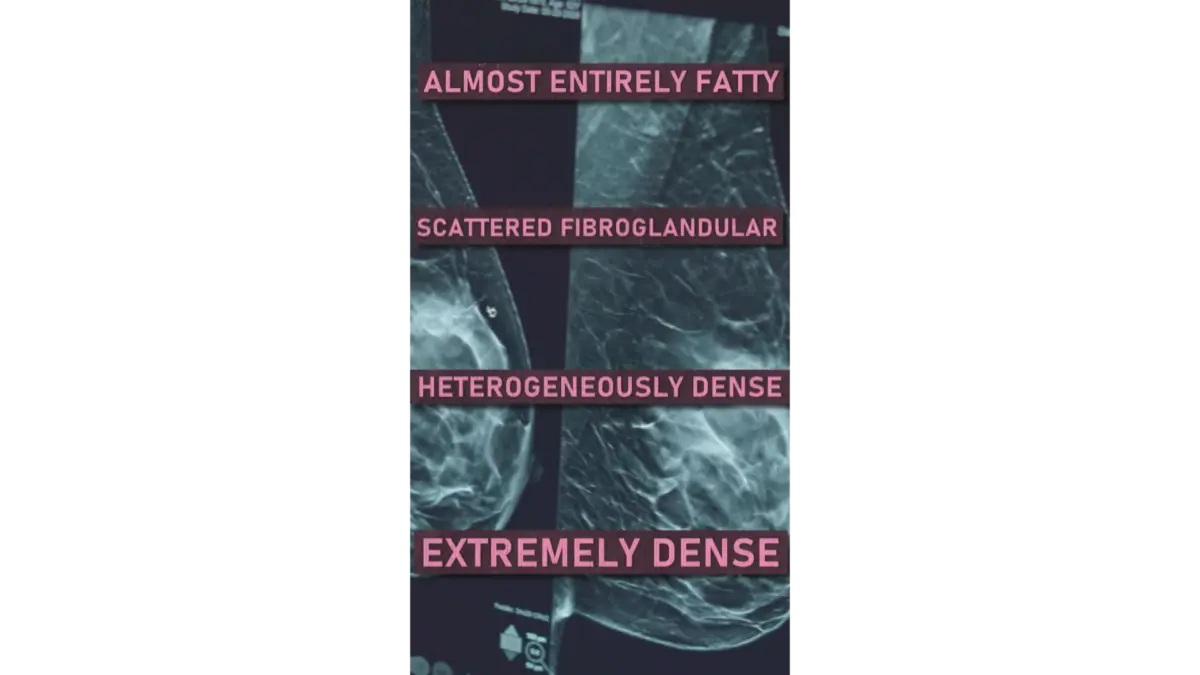
The Four Categories of Breast Density
Physical touch, breast size, and self-examinations cannot reveal a person’s density status. Only a radiologist reviewing a mammogram can definitively categorize the tissue. Under standardized medical reporting systems (such as the Breast Imaging Reporting and Data System, or BI-RADS), breasts are classified into four distinct categories:
- Category A: Almost Entirely Fatty: The breasts are composed almost entirely of fat, making mammographic evaluation highly sensitive and straightforward.
- Category B: Scattered Fibroglandular Densities: There are scattered areas of fibroglandular density, but the majority of the tissue is fatty, allowing for good diagnostic visibility.
- Category C: Heterogeneously Dense: The breasts have multiple areas of dense tissue, which could obscure small abnormalities. This is classified as one of the two categories of "dense breasts."
- Category D: Extremely Dense: The breasts are composed almost entirely of dense glandular and fibrous tissue, significantly lowering the sensitivity of a standard mammogram and placing the patient in the highest density tier.
Age and Fluctuations Over Time
A common misconception is that breast density remains static or only affects younger women. While it is true that density naturally tends to decrease with age as glandular tissue is replaced by fat, this rule is far from absolute.
“For women, it’s natural for them to start off with dense breast tissue, and you can stay dense for a very long time,” Dr. Everidge explained. “I have 80-year-olds that have extremely dense breast tissue or heterogeneously dense breast tissue, but I’ve also seen patients that have extremely dense one year and then two or three years later, have had scattered and so they’re out of that dense breast category completely.”
Because density can fluctuate or persist unpredictably across a lifetime, annual mammograms are non-negotiable. They provide the only longitudinal tracking mechanism to monitor changes in tissue composition.
Independent Risk Factors
Beyond the challenge of visual masking, clinical research has established that high breast density is an independent risk factor for developing breast cancer.
“One of those things we found is having a high breast density actually does slightly increase your risk of developing breast cancer in itself,” Dr. Everidge emphasized. “So not only is it a little more difficult to catch cancer, but it also carries its independent increased risk—not by a bunch in most people’s cases, but it is there.”
Official Statements and Regulatory Shifts: The 2024 FDA Mandate
For decades, information regarding breast density was often buried in technical radiological reports sent exclusively to primary care physicians or gynecologists, leaving patients in the dark. However, the regulatory landscape shifted dramatically in recent years.
The Federal Mandate
As of 2024, the U.S. Food and Drug Administration (FDA) implemented mandatory federal regulations requiring mammography facilities to explicitly include breast density notification language in every patient summary report. Facilities must now inform patients whether their breasts are dense or not, and explicitly advise them to discuss the implications with their referring healthcare providers.
Dr. Everidge praised this regulatory evolution, noting that transparency is transforming proactive oncology care.
“That concept has always existed, but now it’s more transparent with the patients,” Dr. Everidge stated. “And so, the reason that’s come to light is with all the research we have in breast cancer, we start looking into the causes of breast cancer and what we can do to try and catch it earlier or even prevent breast cancer.”
This regulatory shift has empowered patients to take charge of their health diagnostics. Instead of passively receiving a "normal" result, women are now equipped to ask targeted questions: What category do I fall into? Do I require supplemental screening?
Future Outlook: Empowering Communities Through Education
As WCTV’s "Know Your Density" series continues its weekly rollouts through October, the broader impact of grassroots media advocacy is becoming increasingly clear. By transforming a personal medical insight into a public health campaign, Abby Walton and Tallahassee Memorial Hospital are helping to dismantle intimidation surrounding cancer screenings.
What Lies Ahead in the Series
Following the foundational discussion on density classification and risk factors, upcoming segments of the WCTV series will tackle critical follow-up questions:
- Supplemental Imaging: Evaluating whether a mammogram alone is sufficient for women with heterogeneously or extremely dense breasts.
- Technology in Action: Exploring the role of automated breast ultrasounds (ABUS) and contrast-enhanced magnetic resonance imaging (MRI) in catching lesions that hide behind dense tissue.
- Patient Advocacy: Providing concrete talking points for women to use when discussing their BI-RADS density scores with their doctors.
The Broader Medical Horizon
The long-term outlook for breast cancer detection is promising. Driven by artificial intelligence (AI) integration in radiology, enhanced screening modalities, and heightened public literacy catalyzed by campaigns like WCTV’s, the medical community is moving closer to a future where tumors are caught at their earliest, most treatable stages.
For residents across Tallahassee, the Florida Panhandle, and South Georgia, "Know Your Density" is more than just a digital series—it is a vital community resource. By bridging the gap between complex radiological science and everyday patient understanding, WCTV and medical leaders like Dr. Shlermine Everidge are ensuring that no woman has to navigate her health journey in the dark.
To stay updated on future episodes of “Know Your Density,” or to access health resources and reports as they develop, follow WCTV on Facebook, Instagram, YouTube, Nextdoor, and X (Twitter), or download the free WCTV News mobile streaming app.

0 Comments