

Executive Overview
BELTON, S.C. — In a stark reminder of the persistent challenges surrounding domestic animal welfare in the American Southeast, local law enforcement agencies have intervened in a severe case of canine neglect within the city limits of Belton, South Carolina.
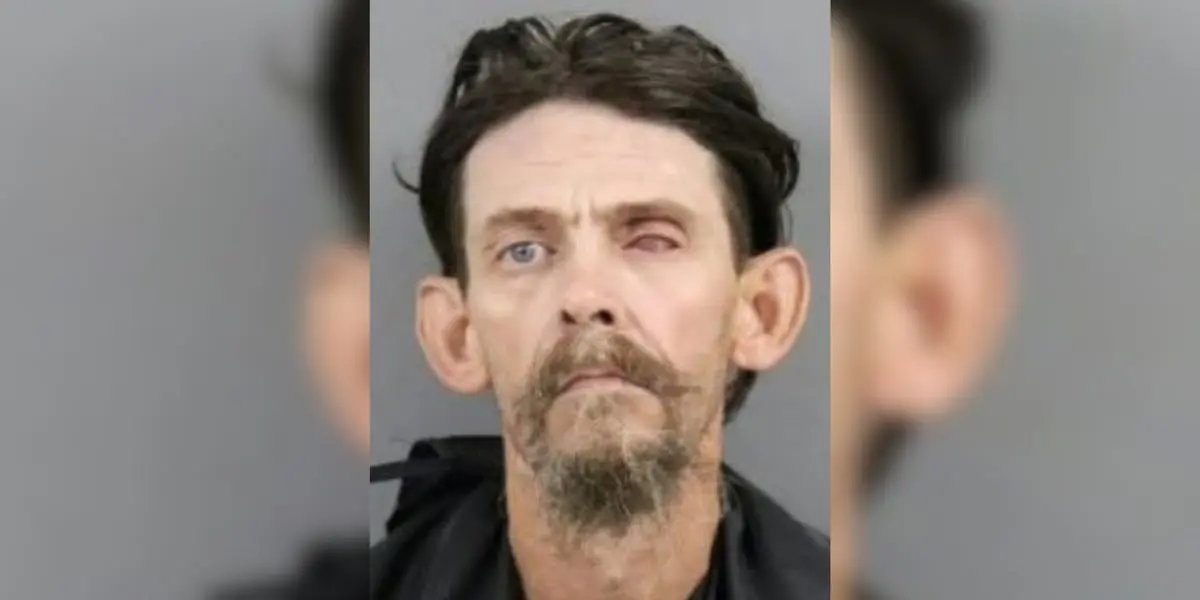
On Thursday, September 26, 2026, detectives from the Anderson County Sheriff’s Office formally arrested 49-year-old James Louie Conard following a multi-week investigation into the conditions of a residential property. Conard now faces eight distinct criminal counts of ill treatment of animals—a misdemeanor charge under South Carolina law that underscores the gravity of systemic neglect.
The intervention led to the emergency seizure of eight dogs, comprising four adult canines and four vulnerable puppies. All eight animals were removed from the property and transferred to the care of Anderson County PAWS, where veterinary teams initiated intensive medical intervention. According to intake evaluations, the dogs suffered from profound systemic neglect, including severe dehydration, heavy flea and internal parasite infestations, profound physical emaciation, and painful physical deformities such as severely overgrown nails.
While Conard was subsequently released from custody after posting an unspecified bond, the case has ignited broader conversations among local animal advocates, municipal leaders, and residents regarding community oversight, municipal animal control enforcement, and the legal thresholds required to protect vulnerable domestic animals from preventable suffering. This comprehensive report details the chronological unfolding of the investigation, the medical findings of the rescued animals, the relevant legal framework in South Carolina, and the future outlook for both the legal proceedings and the rehabilitation of the surviving dogs.
Detailed Chronology of the Investigation
The sequence of events leading to James Louie Conard’s arrest highlights the methodical, step-by-step framework that law enforcement agencies must navigate when addressing allegations of private property animal neglect.
Early September 2026: The Initial Complaint
The investigation commenced during the first week of September 2026, when the Anderson County Sheriff’s Office Animal Control Unit received concerned citizen complaints regarding the welfare of animals kept at a residential property situated within the municipal limits of Belton. Callers reported observing dogs that appeared physically diminished, lacking appropriate shelter infrastructure, and seemingly deprived of basic daily necessities such as potable water.
In response to these public safety and welfare tips, animal control investigators initiated a preliminary inquiry, conducting an initial site assessment at the Belton address. Deputies and animal control officers observed multiple canines on the premises exhibiting visible signs of physical deterioration, including prominent ribs and spinal columns, sunken flanks, and lethargic behavior. Furthermore, investigators noted that the animals lacked access to clean, reliable water sources and showed no evidence of having received necessary preventative or acute veterinary care.
The Notice to Comply: Opportunity for Rectification
Under South Carolina legal protocols governing animal control and welfare enforcement, law enforcement agencies are routinely required to provide property owners with an opportunity to correct minor or moderate administrative and physical care violations before pursuing immediate criminal seizures, provided the animals are not in imminent, life-threatening distress.
Following their initial inspection, investigators issued Conard an official "Notice to Comply." This legal directive outlined the specific deficiencies observed on the property, explicitly instructing the homeowner to:
- Immediately supply adequate, continuous quantities of fresh food and clean water.
- Clean and maintain the living environment to meet basic sanitation standards.
- Secure comprehensive, professional veterinary examinations and necessary treatments for all dogs residing on the property within a defined timeframe.
The Search Warrant and Execution
During subsequent follow-up visits, animal control investigators monitored compliance with the issued notice. According to statements released by the Anderson County Sheriff’s Office, Conard failed to meet the mandatory requirements outlined in the directive. He neither provided proof of veterinary intervention nor adequately improved the physical living conditions and nutritional intake of the animals.
Recognizing that the welfare of the dogs remained severely compromised, investigators escalated the response. Sheriff’s office detectives compiled the accumulated evidence, documented observations, and non-compliance records to present to a magistrate judge, successfully securing a formal search warrant for the property.
On Thursday, September 26, 2026, deputies executed the search warrant at the Belton residence. The operation resulted in the immediate removal of all eight dogs from Conard’s custody. Conard was taken into custody at the scene without incident, transported to the Anderson County Detention Center, and booked on eight criminal counts of ill treatment of animals. He was later released following the posting of bond, awaiting his upcoming court appearances in the local judicial circuit.
Supporting Context, Veterinary Findings, and Metrics
The physical condition of the eight dogs recovered from the Belton property speaks volumes about the prolonged nature of their neglect. Transported directly to Anderson County PAWS—the county’s primary animal shelter and adoption facility—the animals underwent comprehensive triage examinations conducted by licensed veterinary technicians and shelter medical staff.
Medical Evaluation and Triage Data
The findings from the initial veterinary intakes revealed a constellation of medical emergencies and chronic health deficits:
- Emaciation and Nutritional Deficits: Every animal evaluated was classified as underweight, with at least one adult dog determined to be in a state of severe, life-threatening emaciation. Muscle wasting and prominent skeletal structures were documented across the board.
- Dehydration: The animals exhibited severe clinical dehydration, evidenced by delayed skin tenting, tacky mucous membranes, and concentrated urine—indicative of a prolonged absence of accessible, clean drinking water.
- Parasitic Infestations: Medical staff identified heavy external parasite burdens, specifically severe flea infestations that had caused localized dermatitis, hair loss, and anemia. Additionally, diagnostic screenings confirmed internal parasite loads (such as intestinal worms), which further exacerbated the dogs’ nutritional depletion and compromised their immune systems.
- Physical Neglect: The dogs suffered from severely overgrown toenails, some of which had begun to curl inward, causing discomfort, altered gait mechanics, and chronic joint stress.
- Vulnerability of Puppies: Among the eight seized animals were four young puppies. Veterinary professionals noted that developing puppies are exceptionally vulnerable to the compounding effects of malnutrition, dehydration, and parasite loads, making their survival dependent on immediate, specialized medical stabilization, specialized diets, and round-the-clock supportive care.
The Shelter Environment and Resource Strain
The sudden influx of eight medically complex canines places an immediate operational and financial strain on county-run facilities like Anderson County PAWS. Animal shelters across South Carolina routinely operate at or near maximum capacity, balancing the daily intake of stray animals, owner-surrenders, and cruelty-case holds.
Cruelty cases require specialized handling because the animals often serve as physical evidence in ongoing criminal prosecutions. Consequently, shelters must maintain meticulous chain-of-custody documentation, comprehensive medical logs, and forensic photography to support the prosecution’s case in court, all while providing the intensive, high-cost medical care required to nurse neglected animals back to health.
Legal Framework and Official Statements
Understanding South Carolina Animal Cruelty Statutes
Under South Carolina Code of Laws (specifically Section 47-1-40, relating to ill treatment of animals), it is unlawful to torture, torment, needlessly mutilate, cruelly kill, or inflict unnecessary pain or suffering upon any animal, or to fail to supply an animal with sufficient food, water, and shelter.
For each count of ill treatment of animals brought against Conard, the statutory penalties can vary depending on whether the offense is classified as a misdemeanor or a felony, and whether prior convictions exist. Typically, initial offenses involving neglect or failure to provide adequate care are prosecuted as misdemeanors carrying potential fines, mandatory counseling or community service, and short-term incarceration, alongside mandatory forfeiture of the abused animals.
However, animal advocacy groups and prosecuting attorneys increasingly utilize the cumulative nature of multi-count indictments—such as charging individual counts for each animal impacted—to reflect the true scope of suffering and to secure meaningful probationary terms, ownership bans, and financial restitution orders to cover shelter care costs.
Official Statements from Law Enforcement
In official communications regarding the arrest, representatives of the Anderson County Sheriff’s Office emphasized the agency’s zero-tolerance stance on animal neglect and abuse within the county.
"The protection of vulnerable animals remains a top priority for our Animal Control Unit and our investigative divisions," an agency spokesperson noted. "When citizens step forward to report concerning conditions, our deputies investigate thoroughly, afford opportunities for compliance where legally mandated, and take decisive enforcement action when individuals fail to meet basic standards of humane care."
Law enforcement officials also publicly commended the tipsters who contacted the sheriff’s office in early September, reiterating that community vigilance is often the single most effective tool in identifying and halting private acts of animal cruelty that might otherwise remain hidden behind closed doors.
Future Outlook and Rehabilitation Pathway
While the legal system works to adjudicate the criminal charges against James Louie Conard, the immediate future for the eight surviving dogs centers on physical rehabilitation, behavioral assessment, and eventual rehoming.
Surrender of Custody and Rehabilitation
Crucial to the swift transition of the animals toward adoption was Conard’s decision to formally surrender custody of all eight dogs to Anderson County PAWS. By relinquishing ownership rights, Conard removed the legal hurdles that often delay the placement of seized animals during protracted criminal trials, allowing shelter staff to focus entirely on the rehabilitation and placement process.
Veterinary staff at Anderson County PAWS have established individualized recovery plans for each dog:
- Nutritional Stabilization: Transitioning the emaciated dogs and growing puppies onto high-calorie, highly digestible diets through carefully measured, frequent small meals to prevent refeeding syndrome—a potentially fatal metabolic complication that can occur when starving animals are fed too quickly.
- Parasite Eradication: Administering broad-spectrum antiparasitic medications, topical flea treatments, and therapeutic baths to eliminate external and internal infestations.
- Wound and Nail Care: Trimming overgrown nails, treating skin infections resulting from flea dermatitis, and monitoring hydration levels through intravenous or subcutaneous fluid therapy where necessary.
Behavioral Assessments and Adoption Prospects
Beyond physical recovery, animal behaviorists at the facility will subject the dogs to comprehensive psychological evaluations. Prolonged isolation, confinement, and nutritional deprivation can profoundly impact a dog’s socialization, trust in humans, and behavioral stability.
Once the medical teams clear the animals and the behavioral staff complete their conditioning and assessments:
- The dogs will be vaccinated, microchipped, and spayed or neutered.
- Adult dogs and puppies alike will be made available for direct public adoption through Anderson County PAWS, or, if specialized socialization is required, transferred to vetted foster-based rescue partner organizations across the region.
Community members interested in supporting the recovery of these eight dogs—or assisting Anderson County PAWS with the financial and material resource burdens associated with large-scale cruelty seizures—are encouraged to contact the shelter directly regarding monetary donations, high-nutrition food supplies, and volunteer opportunities.
This is a developing story. Updates regarding court dates, judicial outcomes, and the adoption status of the rescued dogs will be provided as official information becomes available from the Anderson County Sheriff’s Office and local judicial authorities.

0 Comments