
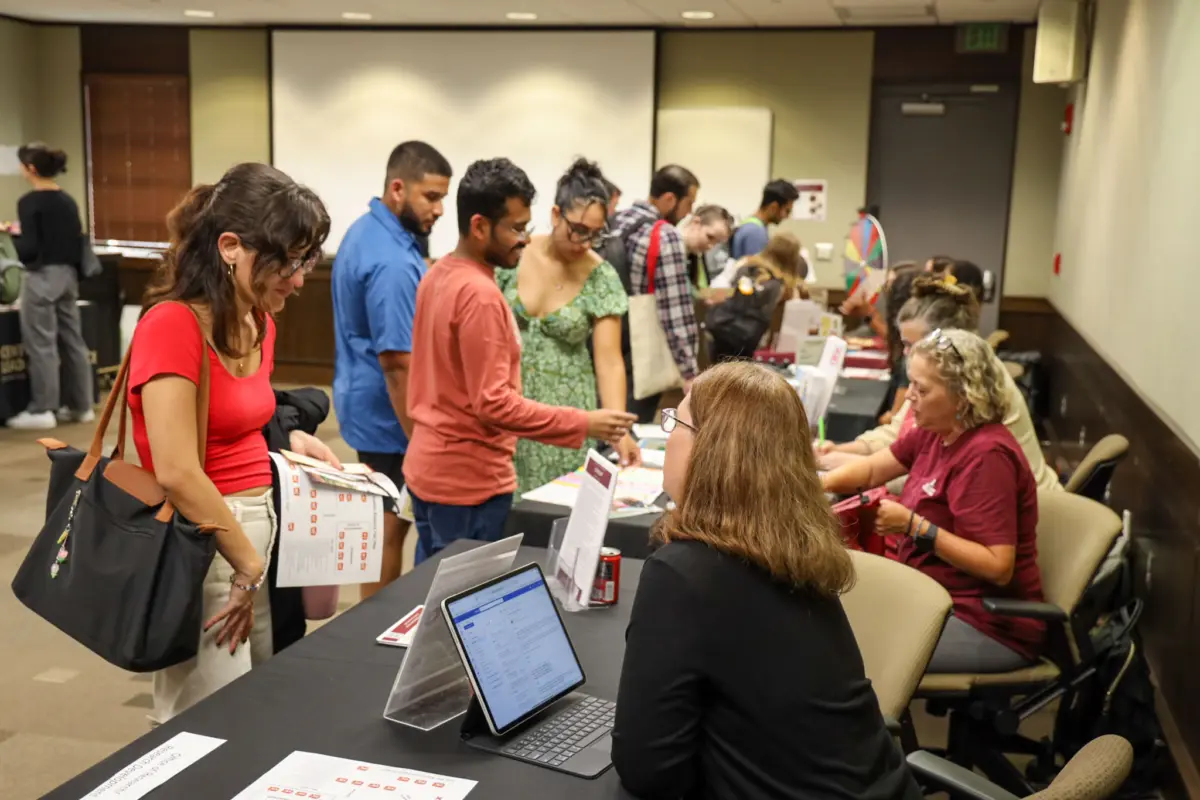

TALLAHASSEE, Fla. — Navigating the rigorous demands of graduate and professional school requires far more than academic dedication; it calls for a robust, multi-faceted support system that addresses the holistic well-being of the scholar. Recognizing this imperative, Florida State University (FSU) is doubling down on its commitment to student success by significantly scaling up one of its most vital campus traditions: the Graduate Student Resource Fair.
Hosted annually by the Graduate School’s Graduate Student Resource Center (GSRC), this year’s event arrives on the heels of unprecedented growth, marked by soaring attendance figures and an expanded organizational scope. To accommodate the surging demand, university organizers have moved the high-profile event to a larger, more prominent venue—Student Union Ballroom D—signaling a major institutional investment in the daily lives, professional trajectories, and personal wellness of FSU’s graduate community.
Scheduled for Wednesday, Sept. 9, from 4:00 p.m. to 6:00 p.m., the upcoming fair represents a vital convergence of campus partners, community service providers, and student-led organizations. By bringing these diverse entities under one roof, FSU is actively dismantling institutional silos, ensuring that the university’s brightest minds have direct, frictionless access to the tools they need to thrive both inside and outside the classroom.
Executive Overview: A Holistic Vision for Graduate Success
At institutions of higher education, undergraduate orientation and resource fairs traditionally dominate the institutional spotlight. However, modern educational leaders increasingly recognize that graduate and professional students—who often juggle advanced research, teaching responsibilities, publication deadlines, and complex personal lives—face a distinct set of stressors and structural challenges.
The FSU Graduate Student Resource Fair is designed to bridge this gap. By functioning as a centralized hub of information, engagement, and advocacy, the fair addresses the whole student. The initiative aligns seamlessly with FSU’s broader strategic vision: redefining student success not merely as the accumulation of credit hours and the eventual defense of a thesis, but as a comprehensive, lifelong journey encompassing mental health, financial literacy, career readiness, and community belonging.
This year’s iteration introduces a groundbreaking expansion: for the first time in the event’s history, Registered Student Organizations (RSOs) will participate alongside official university departments and community partners. This integration of peer-led networks ensures that attendees receive a holistic view of the campus ecosystem, pairing top-down administrative support with bottom-up student solidarity.
Detailed Chronology: The Evolution and Expansion of the GSRC Fair
To fully appreciate the significance of this year’s relocation to Student Union Ballroom D, one must trace the trajectory of the Graduate Student Resource Center and the steady, organic growth of the fair itself.
The Foundation of the GSRC
Established to serve as a centralized nexus for graduate student advocacy, the GSRC has spent years refining its outreach strategies. Recognizing that graduate students often suffer from professional isolation—confined largely to their specific departments, laboratories, or dissertation writing spaces—the center set out to create programs that foster cross-disciplinary dialogue. The Resource Fair emerged as the cornerstone of these efforts, acting as an annual tentpole event designed to welcome incoming scholars while reminding returning students of the vast network of support available to them throughout their academic tenure.
The Turning Point: Exponential Growth
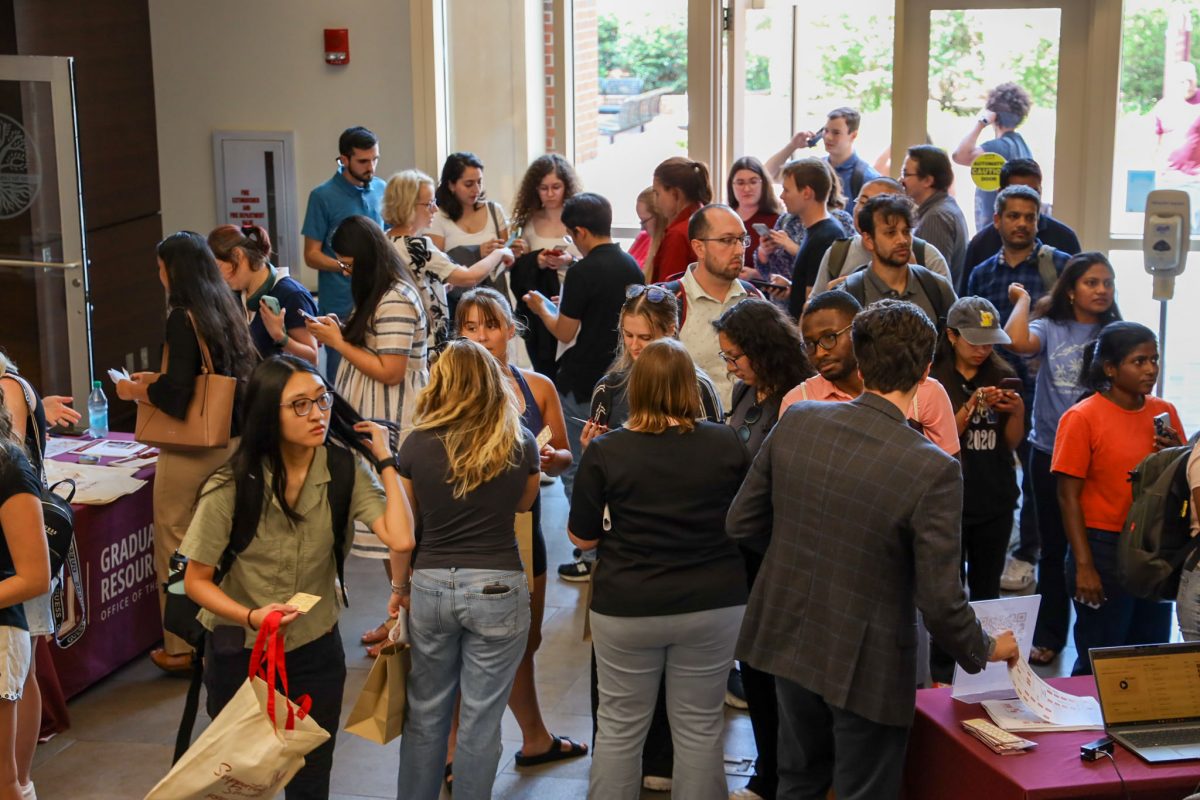
In previous years, the event occupied more modest spaces on campus. While effective, these locations ultimately limited the fair’s capacity to showcase the full breadth of FSU’s campus partners. Last year marked a watershed moment for the initiative. Buoyed by targeted outreach, digital engagement campaigns, and an acute post-pandemic awareness of student mental health and resource needs, attendance skyrocketed by an astonishing 135 percent compared to historical averages.
This dramatic surge caught the attention of university planners. The sheer volume of students packing into the previous venue demonstrated a clear, undeniable appetite for centralized support services and peer networking opportunities. It also highlighted a logistical challenge: the event had simply outgrown its physical footprint.
Transitioning to Student Union Ballroom D
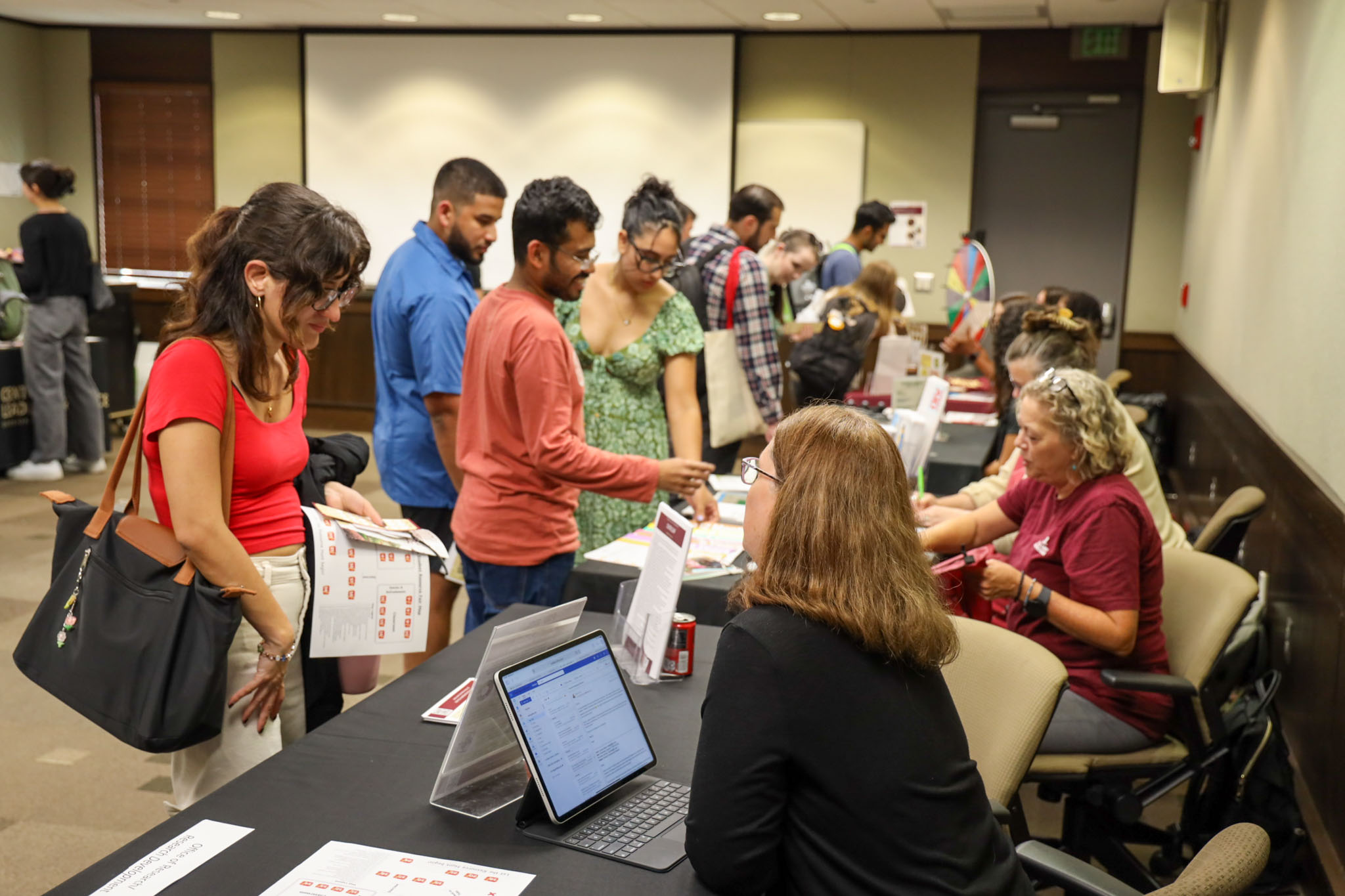
In response to last year’s record-breaking turnout, the GSRC made the strategic decision to elevate the fair’s physical profile by moving it to Student Union Ballroom D. This modern, expansive venue provides the necessary square footage to comfortably house dozens of vendor tables, interactive exhibits, and networking lounges. More importantly, the new location ensures that future participation caps will not restrict eager graduate scholars from accessing crucial campus tools.
Supporting Context & Metrics: The Modern Graduate Student Experience
The expansion of the Graduate Student Resource Fair occurs against a complex backdrop in higher education. National data consistently underscores the unique pressures experienced by graduate and professional students. Balancing rigorous coursework, doctoral research, pedagogical duties, and financial constraints frequently contributes to elevated rates of burnout, anxiety, and professional isolation.
The Anatomy of Graduate Stress
Unlike undergraduates, who move through structured cohorts with clearly defined milestones, graduate students often navigate autonomous, high-stakes environments. The pressure to publish, secure research grants, and prepare for competitive job markets can narrow a student’s focus to the detriment of their physical and mental health.
Furthermore, many graduate students are non-traditional scholars: they may be parents, international students adjusting to a new cultural and academic landscape, or working professionals returning to academia. For these individuals, navigating a sprawling university bureaucracy can be daunting.
Bridging the Information Gap
This is where centralized initiatives like the GSRC fair prove invaluable. Research into student retention and satisfaction demonstrates that early and continuous engagement with campus resources—such as writing centers, health and wellness clinics, career counseling, legal services, and financial aid advisors—significantly improves academic persistence and overall life satisfaction.
By centralizing these resources into a single, high-energy afternoon, FSU eliminates the friction of discovery. Students no longer have to independently comb through dozens of disparate university websites to find specialized mental health support, professional development workshops, or visa assistance. Instead, they can engage in direct, face-to-face conversations with the very professionals tasked with their well-being.
Official Statements: Perspectives from University Leadership
The philosophy driving the expansion of the Graduate Student Resource Fair is anchored in a deep institutional commitment to empathy, equity, and holistic student development.
Brian Wilcoxon, director of the GSRC, emphasizes that the university’s responsibility to its scholars extends far beyond the traditional boundaries of the lecture hall or laboratory bench.
"We want every graduate student at FSU to feel supported in every way, at every stage," Wilcoxon stated. "Our definition of success is broader than getting a degree. The Resource Fair represents the Graduate School’s commitment to that. Here, they’ll find communities who will support them academically, personally and professionally, to graduation and beyond."
This sentiment resonates throughout the academic leadership of Florida State University. By intentionally designing an event that bridges administrative support with student-led community building, the Graduate School is fostering an institutional culture where wellness and academic excellence are viewed as mutually reinforcing rather than competing priorities.
Faculty members and department chairs have similarly lauded the initiative, noting that students who actively participate in campus resource networks are better equipped to handle the intellectual rigors of advanced degree programs. When scholars feel secure in their personal lives and professionally connected to their peers, their academic output and innovative potential naturally flourish.
Future Outlook: Building a Lasting Legacy of Support
As preparations for the Sept. 9 event enter their final phases, anticipation across the FSU campus is palpable. The integration of Registered Student Organizations into this year’s fair signals a new era for graduate community building—one where institutional backing and peer empowerment operate in seamless tandem.
What Attendees Can Expect
Beyond browsing informational tables and engaging with representatives from across the university and the greater Tallahassee community, attendees on Sept. 9 will have access to:
- Interactive Activities: Designed to break the ice and encourage cross-disciplinary collaboration among students from disparate colleges—ranging from the arts and humanities to STEM fields and professional schools.
- Prize Giveaways: Generously sponsored events and raffles designed to add an element of celebration and community fun to the afternoon.
- Direct Consultations: On-site experts ready to answer complex questions regarding health insurance, housing, mental health resources, dissertation writing support, and career placement services.
Looking Ahead
The success of the Graduate Student Resource Fair serves as a bellwether for future university programming. As FSU continues to attract top-tier global talent to its graduate and professional programs, the infrastructure supporting these scholars must scale accordingly.
The move to Student Union Ballroom D is not merely a logistical accommodation for a larger crowd; it is a statement of intent. It demonstrates that FSU’s administration listens to its student body, analyzes institutional metrics, and acts decisively to ensure that every graduate scholar has the space, resources, and community they need to achieve greatness.
How to Participate
All currently enrolled FSU graduate and professional students are warmly invited to attend the event on Wednesday, Sept. 9, from 4:00 p.m. to 6:00 p.m. in Student Union Ballroom D.
To help organizers manage capacity and ensure a seamless experience, students are strongly encouraged to register in advance by completing the official online RSVP form. Additional details, comprehensive schedules, and ongoing updates regarding participating organizations can be found by visiting the official GSRC website.
In an era where higher education is constantly evolving, Florida State University’s proactive approach to graduate student wellness stands as a powerful testament to what is possible when an institution invests wholeheartedly in the holistic success of its academic community.

0 Comments