

TALLAHASSEE, Fla. — As modern democratic institutions face unprecedented headwinds globally, the question of why citizens choose to obey—or defy—the authority of the state has returned to the forefront of political discourse.
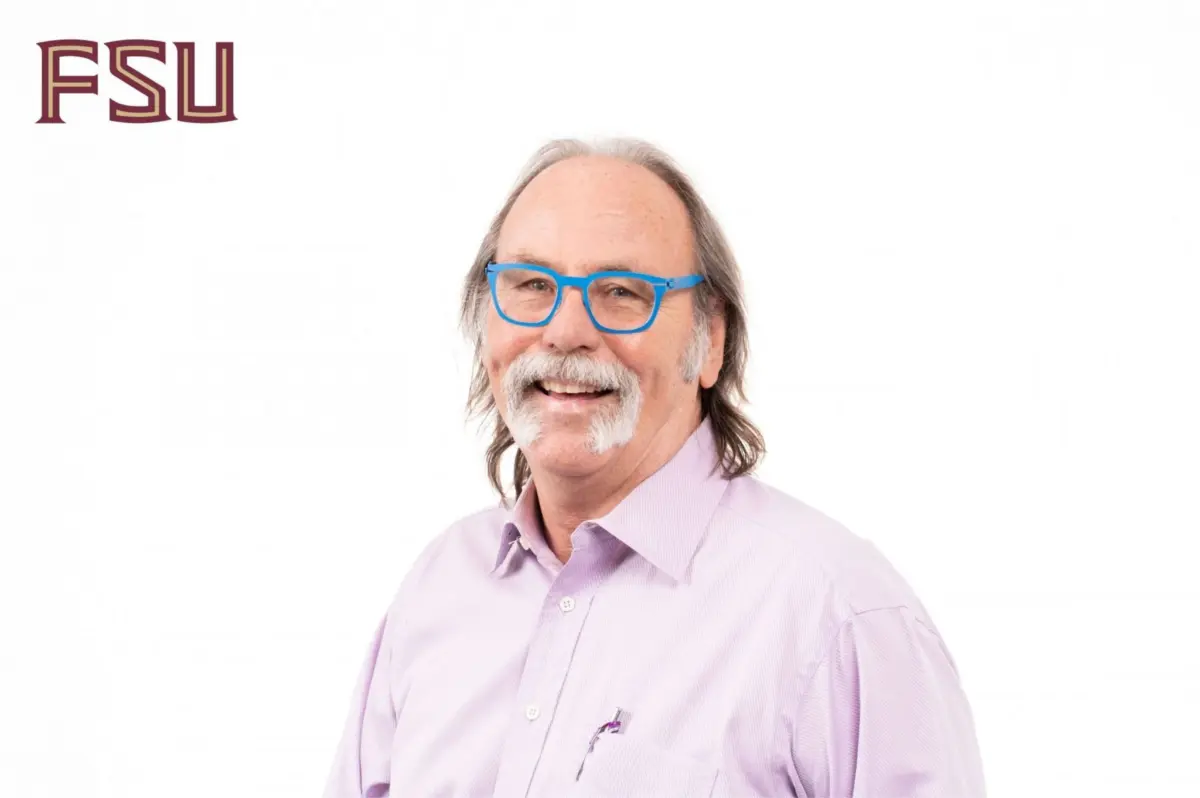
Addressing this pressing contemporary challenge, Florida State University’s Department of Political Science is set to host a flagship public lecture by James L. Gibson, the recently appointed Provost’s Research Professor of Political Science. Titled “Legitimacy: The Theory of the Century,” the event will take place on Tuesday, Oct. 13, 2026, at the historic Beth Moor Lounge within the Longmire Building on the FSU campus.
Drawing on an illustrious, multi-decade career that has redefined the empirical study of political behavior, Gibson’s presentation will explore the foundational mechanics of sociological legitimacy. He will outline how this critical concept operates across the social sciences and present rigorous, empirical evidence regarding the precise mechanisms through which vital public institutions can erode, fracture, and ultimately lose their legitimacy, particularly during eras marked by democratic backsliding and populist polarization.
The lecture is free and open to students, faculty, researchers, and the general public, offering a rare opportunity to engage with one of the world’s foremost authorities on judicial politics, political tolerance, and democratic stability.
Executive Overview: The High Stakes of Institutional Legitimacy
The concept of institutional legitimacy has long served as a cornerstone of the social sciences. Defined broadly as the generalized willingness of a populace to recognize the rightful authority of political, legal, economic, and social institutions, legitimacy acts as the invisible glue holding democratic societies together. When citizens view courts, legislatures, and executive offices as legitimate, they comply with unfavorable rulings and policies voluntarily, preserving social order without the constant application of coercion.
However, in an era characterized by deepening partisan divides, declining trust in public governance, and a global retreat from democratic norms, the resilience of institutional legitimacy is being tested as never before.
Enter James L. Gibson. Joining the FSU faculty this fall as part of the College of Social Sciences and Public Policy’s (COSSPP) continuous effort to attract world-class intellectual talent, Gibson brings more than 40 years of pioneering scholarship to Tallahassee. His upcoming lecture is expected to synthesize decades of survey research, cross-national data, and public opinion trends to offer a unified theory of how legitimacy is built, sustained, and—most crucially—lost.
By examining how public confidence in foundational institutions degrades during periods of institutional overreach, polarization, and democratic erosion, Gibson’s address promises to bridge the gap between high-level academic theory and the stark political realities of the 21st century.
Detailed Chronology: Event Logistics and Schedule
For those planning to attend the Tuesday, Oct. 13, 2026, event, the Department of Political Science has released the following official schedule of proceedings:
- 3:30 P.M. — Featured Public Lecture: Dr. James L. Gibson delivers “Legitimacy: The Theory of the Century.”
- 4:30 P.M. — Reception: A networking and conversational reception immediately following the talk, offering attendees an opportunity to engage directly with the speaker and academic leaders.
- Venue: Beth Moor Lounge, located within the Longmire Building (125 Convocation Way, Tallahassee, FL).
The venue itself—steeped in architectural heritage on FSU’s campus—provides an intimate yet accessible setting for what is projected to be a standing-room-only gathering of students, local policymakers, and political science scholars.
Supporting Context & Metrics: A Lifetime of Scholarship
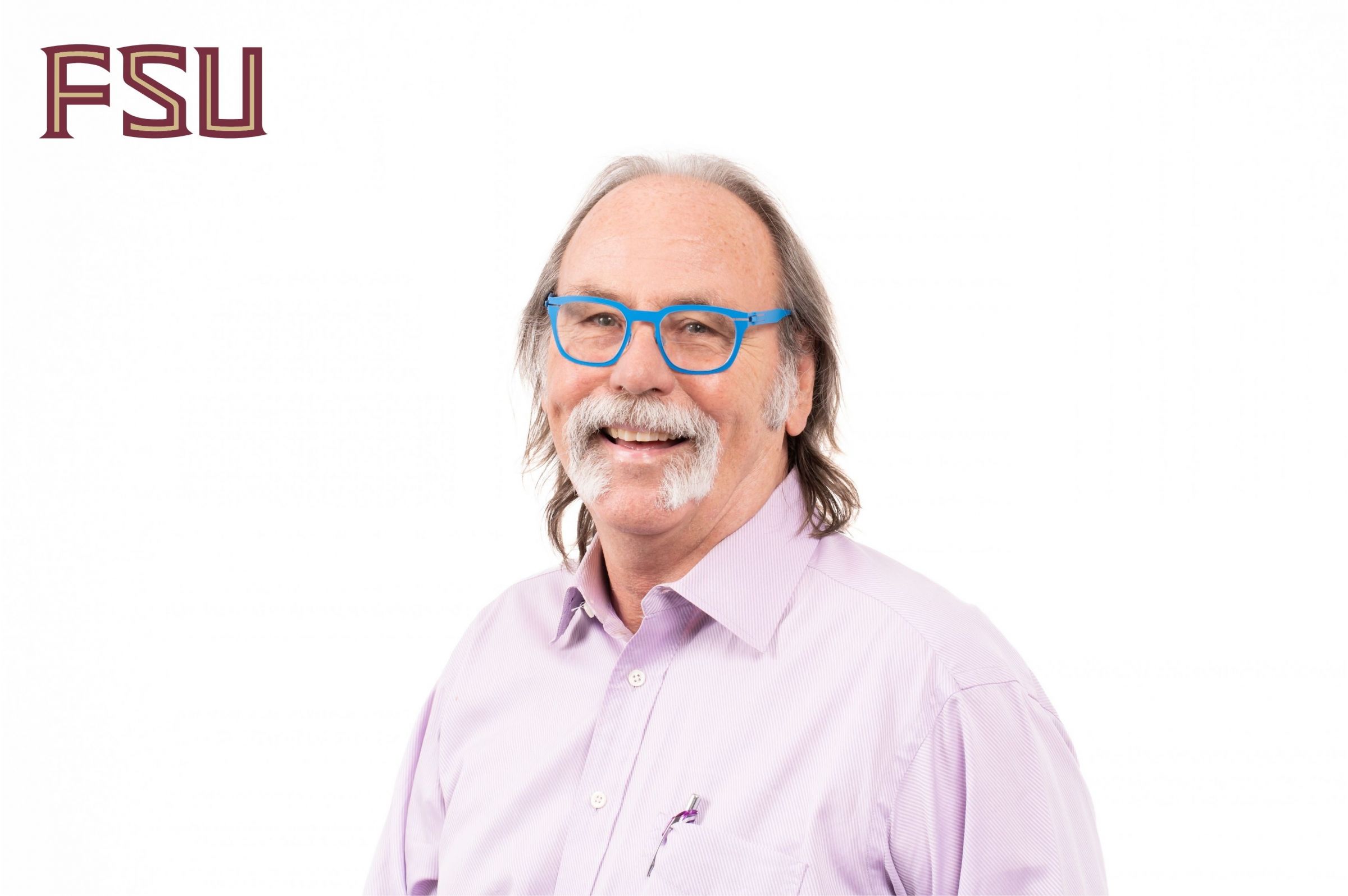
To understand the weight of Professor Gibson’s upcoming address, one must examine the extraordinary trajectory of his academic career. Gibson’s arrival at Florida State University represents a major coup for the institution’s Department of Political Science, instantly elevating its profile in the study of public opinion, judicial politics, and democratic stability.
A Decorated Academic Career
Over a career spanning more than four decades, Gibson has established himself as an international authority on how ordinary citizens perceive and interact with political and legal structures. His work has fundamentally shaped how political scientists measure concepts that were once considered too abstract for empirical analysis, such as political tolerance, institutional loyalty, and the perceived neutrality of courts.
Gibson’s scholarly footprint is immense. He is the author or co-author of more than 100 peer-reviewed scholarly articles published in top-tier academic journals, alongside several influential books that have defined subfields within political science. Notable among his recent monographs are:
- Democracy’s Destruction? (2024) — A timely empirical investigation into the vulnerabilities of democratic systems and the populist pressures threatening contemporary governance.
- Black and Blue: Constitutionalism and the Supreme Court in South Africa (2018) — A landmark comparative study examining the role of legal institutions in post-apartheid reconciliation and constitutional legitimacy.
Recent Accolades
Gibson’s profound contributions to the discipline were formally recognized on a national scale in 2026, when he received the prestigious Warren E. Miller Award from the American Political Science Association (APSA). This accolade honors senior scholars who have made sustained, transformative contributions to the study of elections, public opinion, and voting behavior.
Institutional Background: Inside FSU’s Department of Political Science and COSSPP
The lecture is hosted by Florida State University’s Department of Political Science, a dynamic academic unit housed within the College of Social Sciences and Public Policy (COSSPP). The department enjoys a stellar national reputation for research productivity, faculty influence, and innovative student programming.
Academic Scale and Excellence
- Undergraduate Footprint: With roughly 1,300 majors, the Department of Political Science accounts for a striking one-third of all undergraduate students enrolled in COSSPP.
- Global Ph.D. Program: The department’s doctoral program draws exceptional graduate students from around the world, fostering a rigorous, research-intensive environment that pushes the boundaries of political methodology, American politics, international relations, and comparative politics.
- The APPLE Program: Setting FSU apart from nearly every other institution in the country, the Applied Politics & Policy Learning Experience (APPLE) program offers undergraduates unparalleled, hands-on political exposure. Through exclusive placements in the Florida Legislature and the halls of Washington, D.C., APPLE bridges the gap between classroom theory and real-world governance.
By integrating world-renowned scholars like Professor Gibson into its intellectual ecosystem, COSSPP continues to cement its status as a powerhouse for policy analysis, civic engagement, and rigorous social science research.
Future Outlook: Why Gibson’s Message Matters for the Next Generation
As higher education institutions face mounting scrutiny regarding their role in fostering civil discourse and democratic resilience, events like “Legitimacy: The Theory of the Century” serve as vital forums for critical thinking.
Professor Gibson’s work reminds us that democratic backsliding is rarely a sudden, violent overthrow; rather, it is frequently an insidious erosion of public trust in the rules, norms, and referees of political life. When courts are viewed as partisan actors, when elections are broadly disbelieved, and when legislative bodies are paralyzed by hyper-partisanship, the sociological legitimacy underpinning the state begins to fray.
For the students, researchers, and citizens gathering on October 13, Gibson’s insights will offer both a diagnostic lens to understand current global democratic crises and a theoretical framework for imagining how institutional trust might be repaired.
For more information on the Department of Political Science or to learn more about upcoming public lectures at the College of Social Sciences and Public Policy, visit cosspp.fsu.edu/polisci.

0 Comments