
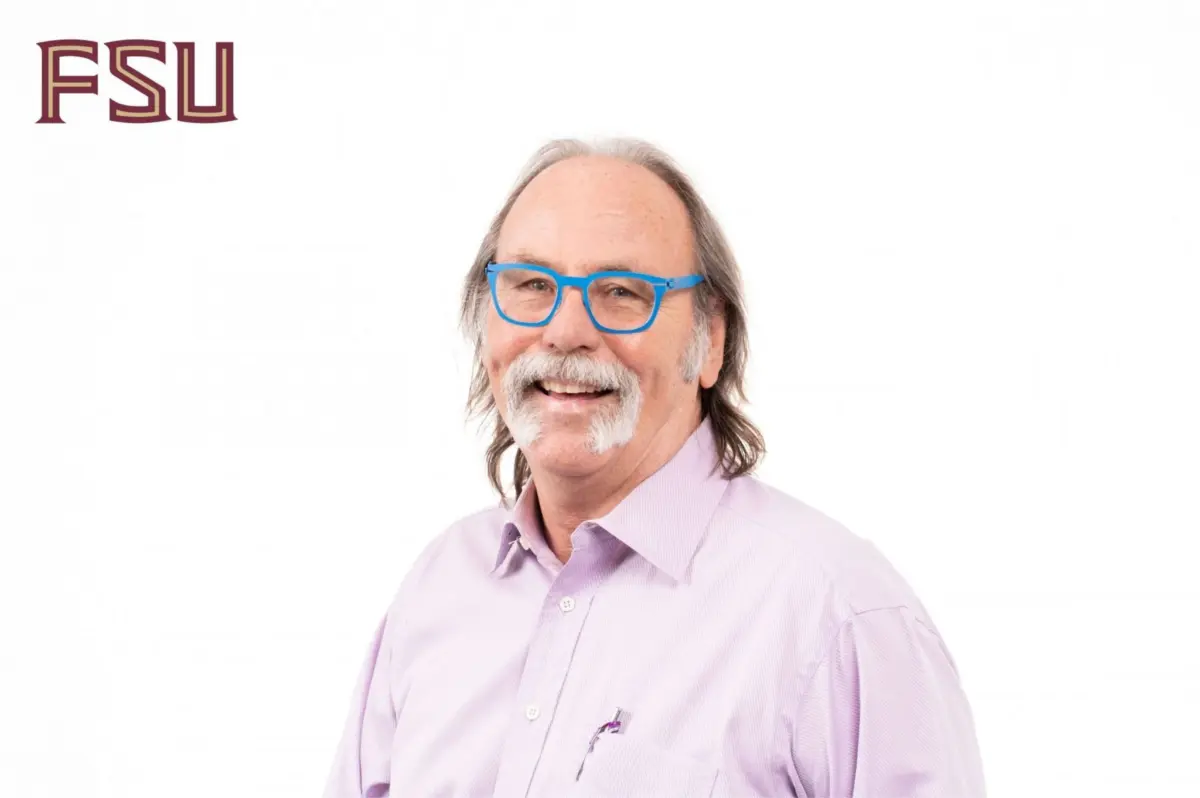

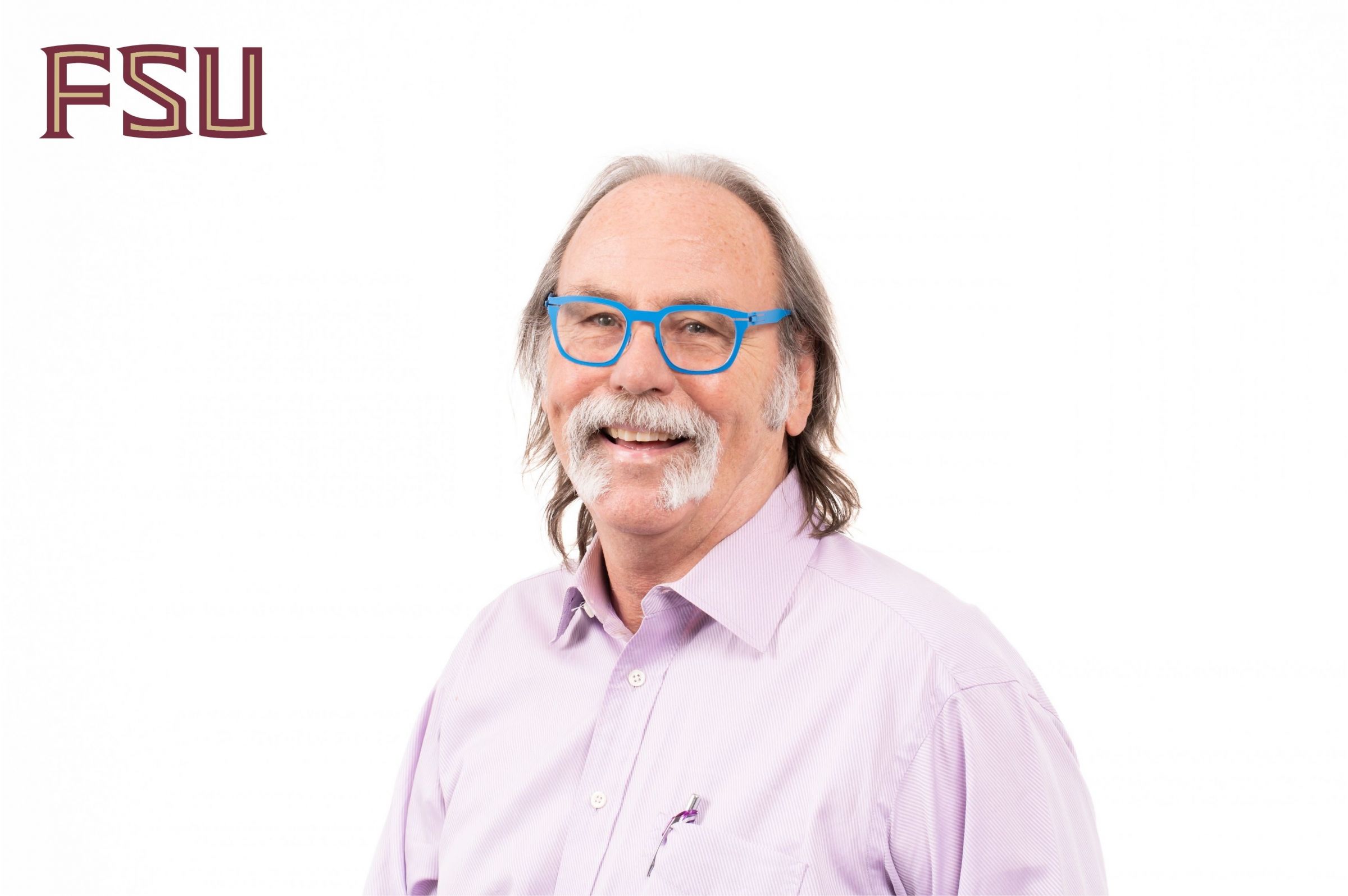
TALLAHASSEE, Fla. — As modern democratic institutions face unprecedented headwinds globally, the question of how governments maintain the trust of their citizenry has never been more urgent. This autumn, the Florida State University (FSU) Department of Political Science is positioning itself at the epicenter of this critical global conversation by hosting a public lecture by James L. Gibson, the newly appointed Provost’s Research Professor of Political Science.
Titled "Legitimacy: The Theory of the Century," the upcoming lecture is scheduled for Tuesday, Oct. 13, 2026, at the historic Beth Moor Lounge within the Longmire Building. Drawing on a sprawling, four-decade-long empirical research career, Gibson will dissect the mechanics of sociological legitimacy, examining how public trust is built, sustained, and—perhaps most crucially—lost during eras of widespread democratic backsliding.
The event, which is free and open to the public, represents a rare opportunity for students, scholars, and community members to engage directly with one of the world’s foremost authorities on political tolerance and institutional trust. For FSU’s College of Social Sciences and Public Policy (COSSPP), the lecture underscores the institution’s growing stature as a premier hub for cutting-edge political science research and rigorous civic discourse.
Executive Overview: A Timely Examination of Democratic Trust
At its core, the concept of sociological legitimacy serves as the invisible glue holding democratic societies together. Broadly defined, legitimacy describes the voluntary willingness of a populace to recognize and accept the rightful authority of political, legal, economic, and social institutions. When legitimacy is high, laws are generally obeyed out of a sense of civic duty and moral obligation rather than mere fear of state coercion. However, when legitimacy fractures, the foundational stability of the state is imperiled.
In his upcoming address, Gibson will explore how contemporary populist movements, polarization, and institutional overreaches are eroding public faith in core democratic pillars, including courts, legislatures, and electoral systems. The lecture aims to bridge the gap between academic theory and real-world political crises, offering attendees a comprehensive framework for understanding why some institutions weather storms of discontent while others swiftly collapse.
The presentation arrives at a watershed moment for FSU’s Department of Political Science. With Gibson joining the faculty this fall, the department has significantly burnished its academic credentials, adding a globally recognized scholar whose lifetime achievements were recently celebrated by the American Political Science Association (APSA).
Detailed Chronology: The Event and Academic Background
The itinerary for Tuesday, Oct. 13, 2026, has been designed to maximize engagement between the speaker, the FSU academic community, and the public:
- 3:30 PM EST: Main lecture by Professor James L. Gibson, titled "Legitimacy: The Theory of the Century," held in the Beth Moor Lounge (Longmire Building, 125 Convocation Way, Tallahassee, FL).
- 4:30 PM EST: Post-lecture public reception, offering attendees an opportunity to converse with Gibson, university leadership, and faculty members from the Department of Political Science.
The Trajectory of a Leading Scholar
The significance of the October 13 lecture is deeply intertwined with Gibson’s remarkable academic journey. Spanning more than 40 years, his research has consistently interrogated the psychological and sociological underpinnings of democratic governance. His scholarship does not merely theorize about democracy; it measures it through rigorous, large-scale empirical surveys conducted across the globe, from the United States to post-apartheid South Africa and transitional European democracies.
Earlier this year, Gibson’s monumental contributions to the discipline were formally recognized when he received the prestigious Warren E. Miller Award from the American Political Science Association (APSA). The accolade, which honors career excellence in the study of elections, public opinion, and voting behavior, places Gibson in the pantheon of political science giants.
His extensive bibliography includes more than 100 peer-reviewed scholarly articles and several seminal books. Notable among his recent works are Democracy’s Destruction? (2024), which investigates the vulnerabilities of democratic norms against the backdrop of rising authoritarian rhetoric, and Black and Blue (2018), an incisive exploration of police legitimacy, racial dynamics, and systemic trust in the legal system.
Supporting Context & Metrics: The Anatomy of Legitimacy and FSU’s Academic Ecosystem
To fully appreciate the weight of Gibson’s upcoming address, one must examine both the academic dimensions of his theoretical framework and the robust institutional environment that now plays host to his work at Florida State University.
Deconstructing "Legitimacy: The Theory of the Century"
Why does Gibson label legitimacy "the theory of the century"? In contemporary political science, classical theories of state power—such as Max Weber’s tripartite classification of authority (traditional, charismatic, and legal-rational)—laid the groundwork for understanding obedience. However, 21st-century democracies face a novel set of stressors: algorithmic misinformation, systemic polarization, the weaponization of conspiracy theories, and deliberate political strategies aimed at discrediting impartial arbiters like courts and electoral boards.
Gibson’s research posits that institutional legitimacy operates as a "reservoir of goodwill." When an institution makes a decision an individual citizen dislikes, a high-legitimacy institution retains its authority because the citizen respects the office itself. Conversely, when that reservoir is depleted through repeated political attacks, institutional malfeasance, or systemic failure, the public withdraws its consent. Gibson’s lecture will present empirical data illustrating the exact tipping points where democratic backsliding transitions from a manageable political friction into an existential institutional crisis.
Inside FSU’s Department of Political Science and COSSPP
Gibson’s arrival at Florida State University as a Provost’s Research Professor speaks to the soaring trajectory of the university’s Department of Political Science. Housed within the College of Social Sciences and Public Policy (COSSPP), the department is a powerhouse of undergraduate education and advanced academic research.
Key metrics defining the department’s current standing include:
- Undergraduate Scale: Home to approximately 1,300 undergraduate majors, the Department of Political Science comprises fully one-third of the entire undergraduate student body within COSSPP.
- Global Reach: The department’s Ph.D. program serves as an international magnet, recruiting top-tier doctoral candidates from around the world to train under leading methodologists and political theorists.
- Research Influence: Faculty members within the department are consistently cited for their high research productivity, publishing groundbreaking studies in top-tier journals across international relations, American politics, public policy, and political behavior.
- Experiential Learning: The department houses the Applied Politics & Policy Learning Experience (APPLE) program—widely noted as the only initiative of its kind in the nation. The APPLE program provides undergraduates with immersive, hands-on political experience embedded directly within the Florida Legislature and the halls of power in Washington, D.C.
Official Statements & Institutional Perspectives
University leadership has expressed profound enthusiasm regarding both Professor Gibson’s arrival on campus and the upcoming lecture, viewing both as milestones for the academic community.
"Bringing a scholar of Professor James L. Gibson’s caliber to Florida State University represents a monumental leap forward for our Department of Political Science and the entire College of Social Sciences and Public Policy," said university representatives in a joint statement regarding his faculty appointment. "His lifetime commitment to dissecting the fragile nature of democratic institutions provides our students and faculty with an unmatched resource. At a time when democracy is being rigorously tested worldwide, having minds like Dr. Gibson’s on our campus ensures that FSU remains a vital center for truth, analysis, and civic enlightenment."
Departmental colleagues have similarly emphasized the practical urgency of Gibson’s research. In an era where trust in courts, elections, and legislative bodies is frequently weaponized for partisan gain, empirical scholarship regarding sociological legitimacy offers a clear-eyed roadmap for reform and resilience.
Future Outlook: The Ripple Effects of Gibson’s Scholarship at FSU
As Florida State University looks toward the remainder of the decade, the integration of senior luminaries like James L. Gibson is expected to catalyze new avenues of research and student mentorship.
Looking forward, the insights shared during the Oct. 13 lecture are anticipated to influence several key institutional trajectories:
- Curricular Integration: Faculty members across COSSPP are expected to incorporate findings from Democracy’s Destruction? and ongoing research into undergraduate and graduate syllabi, challenging students to confront the empirical realities of democratic decay.
- Expanded Public Forums: The lecture is envisioned as the flagship event of an ongoing series designed to bring world-class political analysts to Tallahassee, cementing FSU’s reputation as a premier destination for thoughtful dialogue on the future of governance.
- Empirical Methodologies: For the department’s Ph.D. candidates, Gibson’s presence offers direct access to a master practitioner of survey research and quantitative political analysis, ensuring that the next generation of scholars is well-equipped to study institutional trust using state-of-the-art methodologies.
Event Details At-a-Glance
- What: "Legitimacy: The Theory of the Century" Public Lecture by James L. Gibson
- When: Tuesday, Oct. 13, 2026 — Talk at 3:30 PM EST; Reception at 4:30 PM EST
- Where: Beth Moor Lounge, Longmire Building, 125 Convocation Way, Tallahassee, FL 32306
- Admission: Free and open to the general public, students, and faculty.
For more information regarding the lecture, the Department of Political Science, or COSSPP’s academic programs, visitors are encouraged to explore the official Florida State University news portal and the college’s web directory.

0 Comments