

TALLAHASSEE, Fla. — As democratic systems across the globe face unprecedented stress tests from populist movements, institutional distrust, and rapid political polarization, the fundamental question of why citizens obey—or defy—their governing bodies has never been more urgent.
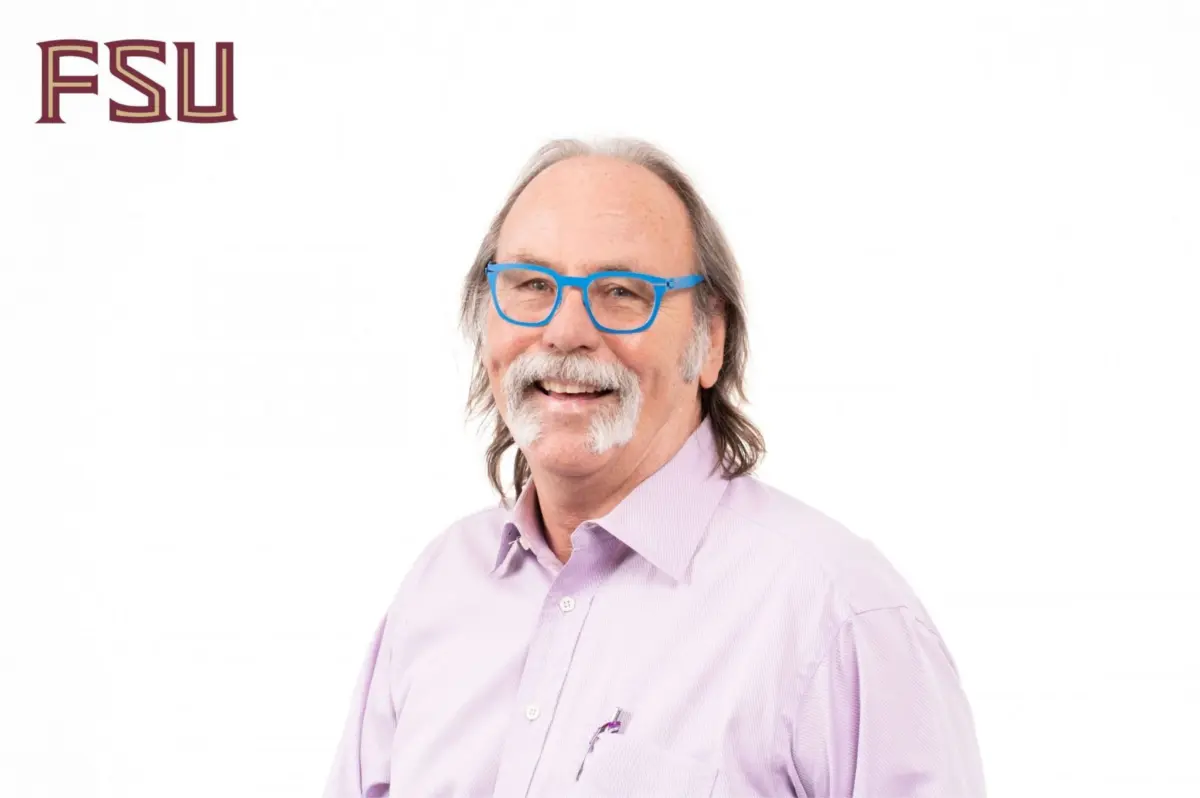
To address this defining crisis of modern governance, the Florida State University (FSU) Department of Political Science, housed within the College of Social Sciences and Public Policy (COSSPP), is preparing to host a landmark public lecture. James L. Gibson, FSU’s newly appointed Provost’s Research Professor of Political Science and a preeminent global authority on democratic theory, will deliver a keynote address titled “Legitimacy: The Theory of the Century.”
The event, which is entirely free and open to the public, is scheduled for Tuesday, Oct. 13, 2026. It promises to draw students, faculty, civic leaders, and political scientists from across the region to examine how the invisible glue holding democratic societies together is being tested—and potentially dissolved—in real time.
Executive Overview: A Defining Moment for Democratic Institutions
The concept of sociological legitimacy sits at the very heart of the social sciences. Broadly defined, legitimacy describes the public’s underlying willingness to recognize the rightful authority of political, legal, economic, and social institutions. When an institution possesses high legitimacy, citizens comply with its rulings and decisions even when they fundamentally disagree with the outcomes. Conversely, when legitimacy evaporates, governance collapses into coercion, systemic defiance, and civil unrest.
Professor Gibson’s upcoming lecture arrives at a critical historical juncture. Drawing on more than four decades of empirical research, Gibson will explore how sociological legitimacy functions, how it is sustained across diverse political cultures, and—most crucially—how institutions can lose their foundational authority during periods of rapid democratic backsliding.
This comprehensive overview delves into the architecture of Gibson’s upcoming address, explores his illustrious academic trajectory, highlights the institutional pedigree of FSU’s Department of Political Science, and contextualizes the broader future outlook for institutional stability in an increasingly volatile global landscape.
Detailed Chronology: Event Logistics and Structure
For those planning to attend this significant academic and public event, the proceedings have been meticulously organized to accommodate both intellectual engagement and scholarly networking.
Event Schedule and Venue
- Date: Tuesday, Oct. 13, 2026
- Keynote Address: 3:30 P.M. EST
- Public Reception: 4:30 P.M. EST
- Venue: Beth Moor Lounge, Longmire Building
- Physical Address: 125 Convocation Way, Tallahassee, FL 32306
- Admission: Free and open to the general public, students, and academic professionals.
The afternoon will commence promptly at 3:30 p.m. in the historic Beth Moor Lounge, located within the Longmire Building on FSU’s main Tallahassee campus. Gibson will deliver his lecture, “Legitimacy: The Theory of the Century,” synthesizing decades of survey data, cross-national studies, and longitudinal research into an accessible yet academically rigorous presentation.
Immediately following the lecture at 4:30 p.m., attendees are invited to a public reception in the same venue. The reception offers a unique opportunity for students, local community members, and fellow researchers to converse directly with Gibson, fostering a dialogue on the practical applications of political science research in contemporary civic life.
Supporting Context & Metrics: The Scholar, The Research, and The Department
Meet Professor James L. Gibson: A Lifetime of Empirical Inquiry
The gravity of the upcoming lecture is underscored by the speaker himself. James L. Gibson joined the faculty at Florida State University this fall as a Provost’s Research Professor of Political Science, representing a major coup for the university’s social sciences division.
For over 40 years, Gibson’s scholarly work has mapped the intricate terrain of democratic legitimacy, political tolerance, and public support for legal and political institutions. His empirical approach has fundamentally shaped how political scientists understand the psychological and sociological underpinnings of compliance and dissent.
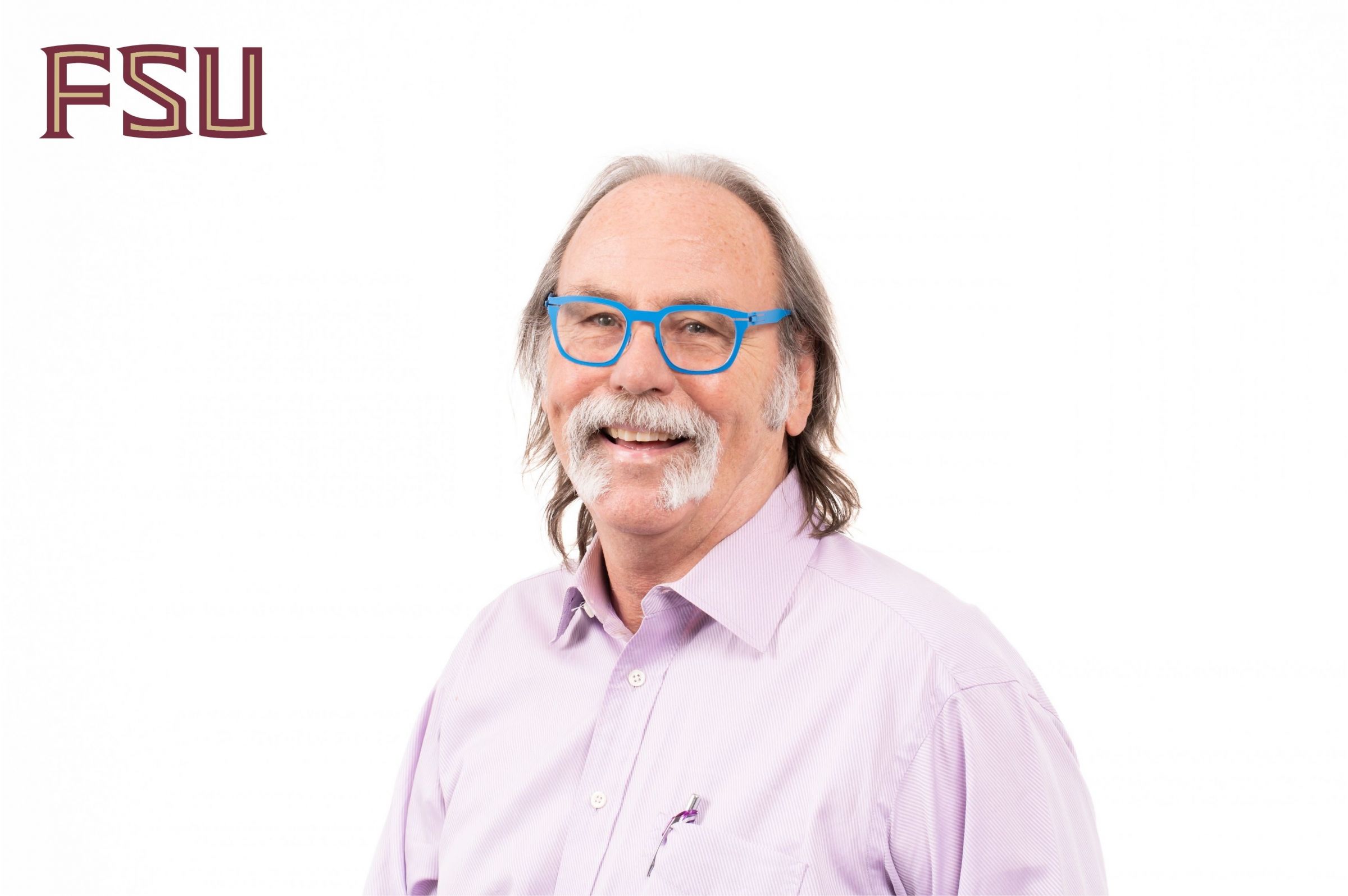
Gibson’s bibliography is both extensive and influential. He is the author or co-author of more than 100 peer-reviewed scholarly articles published in top-tier academic journals, as well as several landmark books. Among his most notable recent publications are Democracy’s Destruction? (2024), which investigates the internal and external threats facing modern democratic regimes, and Black and Blue (2018), a deep dive into the complex dynamics of police legitimacy and racial justice in divided societies.
In recognition of his monumental contributions to the discipline, Gibson was awarded the prestigious Warren E. Miller Award in 2026 by the American Political Science Association (APSA). This honor is bestowed upon scholars who have demonstrated sustained, transformative excellence in the study of elections, public opinion, and voting behavior.
The Mechanics of Legitimacy and Democratic Backsliding
During his lecture, Gibson is expected to unpack the delicate mechanisms through which institutions build "legitimacy reservoirs." According to sociological theory popularized by figures like David Easton and expanded upon by modern scholars like Gibson, institutions accumulate goodwill over time. This reservoir allows them to weather unpopular decisions, economic downturns, and transient policy failures without facing existential threats.
However, Gibson’s recent research focuses heavily on the alarming depletion of these reservoirs. In eras characterized by widespread disinformation, systemic polarization, executive overreach, and the deliberate erosion of norms—phenomena collectively categorized as "democratic backsliding"—institutions face a compounding legitimacy deficit. When courts, legislatures, and electoral bodies are repeatedly delegitimized by political actors for short-term gain, the long-term cost is the collapse of public trust. Gibson’s presentation will provide hard empirical evidence on how this degradation occurs and, crucially, whether institutional legitimacy can be actively restored once lost.
Inside FSU’s Department of Political Science and COSSPP
The decision to host Gibson at Florida State University reflects the rising national and international profile of FSU’s Department of Political Science. Operating under the umbrella of the College of Social Sciences and Public Policy (COSSPP)—led by a vibrant academic community—the department stands as one of the crown jewels of the university.
Key metrics highlight the department’s robust academic ecosystem:
- Undergraduate Footprint: The department is home to roughly 1,300 undergraduate majors, representing an impressive one-third of the entire undergraduate population within COSSPP.
- Faculty Excellence: FSU political science faculty members are consistently recognized globally for their high research productivity, citation impact, and leadership in specialized subfields of political science.
- Graduate Recruitment: The department’s Ph.D. program serves as a magnet for top-tier doctoral candidates, drawing ambitious researchers from across the United States and around the world to study under leading scholars.
- Experiential Learning: The department houses the Applied Politics & Policy Learning Experience (APPLE) program. Uniquely positioned as the only program of its kind in the nation, APPLE bridges the gap between theoretical classroom study and practical application, placing undergraduate students directly into professional roles within the Florida Legislature in Tallahassee and national policy arenas in Washington, D.C.
Official Statements and Academic Perspectives
While the academic community anticipates the empirical insights Gibson will share, university leaders emphasize that events of this caliber are vital for fostering a robust, informed campus culture.
Although administrative statements regarding the lecture underscore its alignment with FSU’s strategic mission to advance public discourse, colleagues within the Department of Political Science note that Gibson’s presence embodies the very pinnacle of empirical social science. By bridging rigorous data collection with real-world political crises, Gibson exemplifies the land-grant and research-intensive university ethos: producing knowledge that not only advances academic theory but also equips citizens and policymakers to safeguard democratic governance.
Future Outlook: Navigating the 21st-Century Crisis of Trust
As democratic societies look toward the remainder of the 21st century, the threats facing governance models are shifting from traditional military or economic vulnerabilities to internal, psychological, and institutional fractures. Polarization, the weaponization of distrust, and the erosion of civic norms represent a silent crisis that can destabilize nations just as effectively as overt conflict.
Professor James L. Gibson’s lecture, “Legitimacy: The Theory of the Century,” is not merely an academic retrospective on four decades of survey research; it is a vital diagnostic tool for our current political moment. By examining how institutions bleed legitimacy—and exploring the empirical pathways required to halt or reverse that decline—Gibson provides a roadmap for democratic resilience.
For the students, faculty, and community members attending the Oct. 13 event at the Beth Moor Lounge, the lecture offers a rare opportunity to engage directly with a scholar who has spent a lifetime decoding the invisible architecture of authority. As FSU continues to cement its status as a powerhouse for political science research and experiential learning, events like this ensure that the university remains at the absolute forefront of the national conversation regarding the future of democracy.

0 Comments