
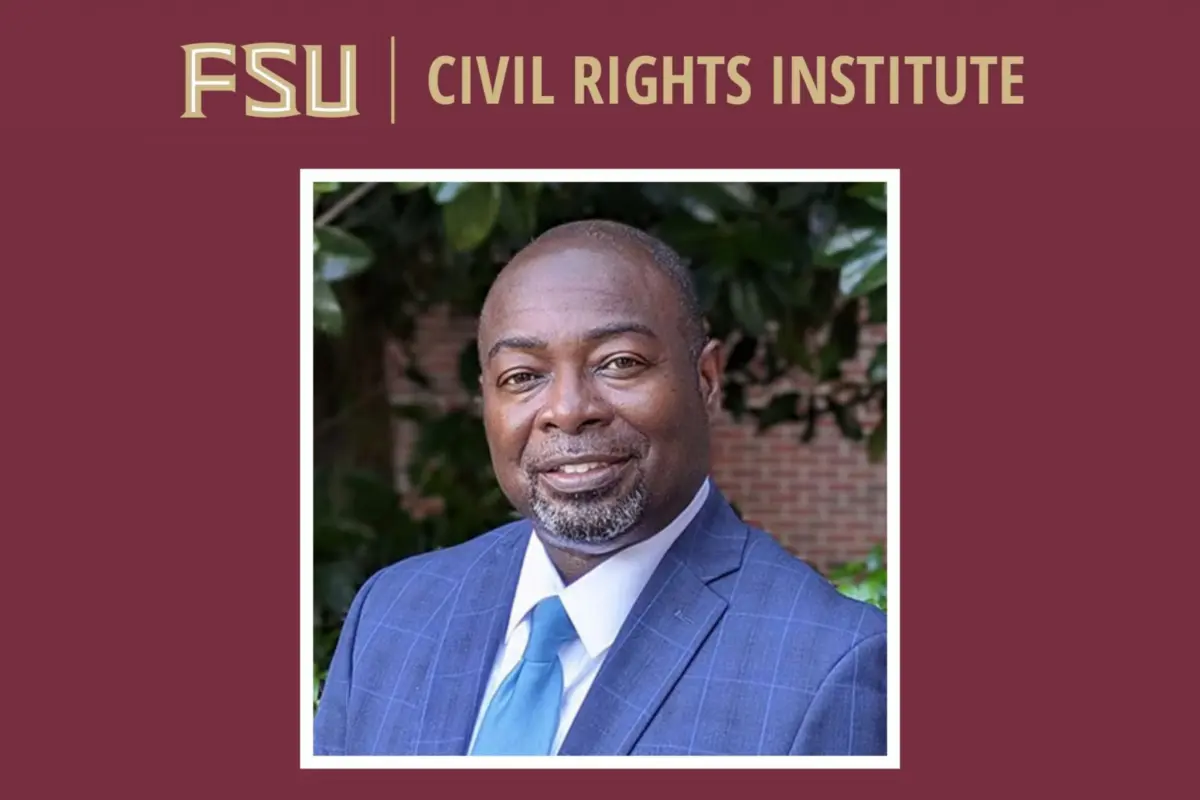

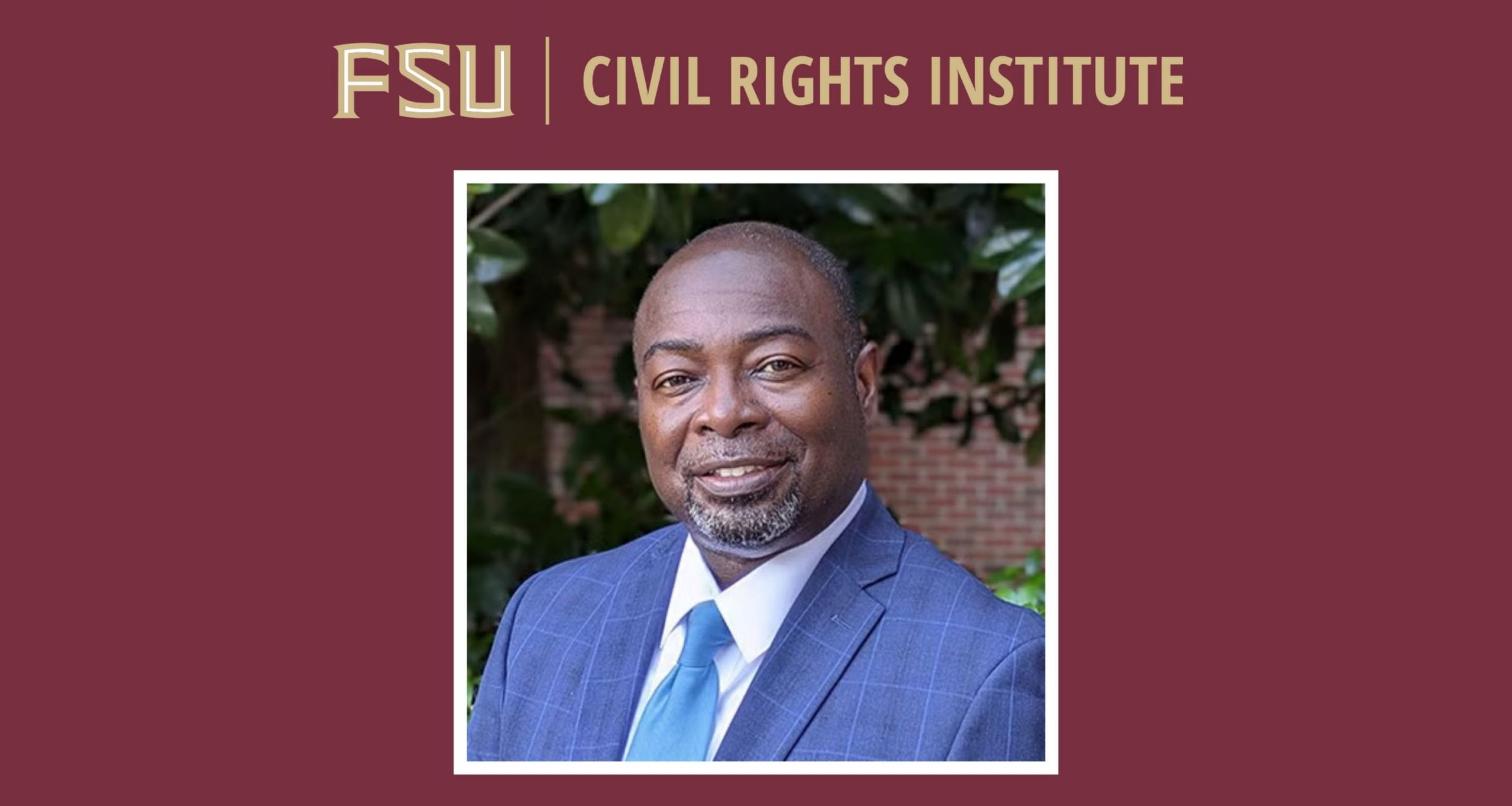
TALLAHASSEE, Fla. — Florida State University has officially named Keithen Mathis, a distinguished scholar, educator, and campus leader, as the interim director of the FSU Civil Rights Institute (CRI). Operating under the administrative umbrella of the College of Social Sciences and Public Policy (COSSPP), the institute serves as a vital academic and community nexus dedicated to chronicling, examining, and advancing the legacy of the American Civil Rights Movement.
In his new capacity, Mathis will oversee the institute’s multifaceted portfolio, steering its academic research agendas, public-facing programming, and community engagement initiatives. This leadership transition marks a significant moment for the institute as it continues to expand its footprint across campus disciplines and solidify its role as a leading voice in civil rights discourse.
Executive Overview
The appointment of Keithen Mathis comes at a critical juncture for Florida State University’s Civil Rights Institute. Mathis, who currently serves as a teaching professor and the associate dean for Culture and Community Engagement at FSU’s College of Social Work, brings a deep reservoir of administrative acumen and scholarly dedication to the position. His extensive background in fostering inclusive academic environments and managing complex community partnerships uniquely positions him to guide the CRI through its current transition period.
The Civil Rights Institute was established to serve as an intellectual bridge between past historical struggles and contemporary societal challenges. By drawing on methodologies from sociology, public health, criminology, and social work, the institute aims to cultivate a multi-faceted understanding of civil rights that resonates both inside and outside the lecture hall.
University leadership has expressed profound confidence in Mathis’s capability to maintain the institute’s upward trajectory while FSU prepares to launch a comprehensive national search for a permanent director in the coming months. This executive overview highlights the immediate continuity of leadership and underscores the university’s unwavering commitment to the institute’s core mission.
Detailed Chronology: The Evolution of the FSU Civil Rights Institute
To fully appreciate the significance of Keithen Mathis’s appointment, it is essential to trace the historical arc and institutional evolution of the Civil Rights Institute at Florida State University.
Inception and Foundational Vision (2018)
The conceptual groundwork for the CRI was laid in 2018, driven by the visionary advocacy and philanthropic commitment of prominent FSU alumni and siblings, Doby and Fred Flowers. Recognizing a distinct need for an institutional body that could systematically study and commemorate the struggles and triumphs of the U.S. Civil Rights Movement, the Flowers siblings partnered with university leadership.
A dedicated volunteer board—comprising faculty members, university staff, and influential community leaders—was quickly assembled to draft the foundational framework for the institute. Their collective vision was to create a space that would not merely look backward at historical milestones, but actively engage students and researchers in addressing modern-day civil rights, equity, and social justice issues.
Expansion and Institutional Integration (2023)
For its first several years, the institute operated largely through grassroots programming, volunteer committees, and collaborative academic events. However, recognizing the growing importance of the CRI’s mission within the broader university ecosystem, FSU leadership initiated a major structural expansion in 2023.
Backed strongly by FSU President Richard McCullough and Provost James Clark, the university integrated the institute more formally into the College of Social Sciences and Public Policy. Crucially, this 2023 expansion provided the financial and institutional backing necessary to transition the CRI from a volunteer-led initiative into a fully operational entity supported by a full-time director and dedicated administrative resources. This structural pivot allowed the institute to scale its operations, secure larger research grants, and deepen its community outreach across the Florida panhandle and beyond.
Transition and Interim Leadership (Present Day)
The current appointment of Keithen Mathis represents the next logical phase in the institute’s institutional maturity. As FSU looks toward the future, the interim leadership phase is designed to ensure programmatic continuity, safeguard existing partnerships, and prepare the infrastructure for a permanent director recruited via a rigorous national search process anticipated in the coming months.
Supporting Context & Metrics: An Interdisciplinary Approach to Civil Rights
The Civil Rights Institute does not operate in a vacuum; rather, it thrives on a deeply collaborative, interdisciplinary model that bridges disparate academic departments across the Florida State University campus.
The Interdisciplinary Ecosystem
Housed within the College of Social Sciences and Public Policy, the CRI actively pulls faculty, researchers, and students from a remarkably broad spectrum of academic disciplines. This cross-pollination of knowledge is vital for tackling complex contemporary civil rights issues, which rarely fit neatly into a single academic silo. Participating departments and colleges include:
- Sociology: Examining systemic inequality, demographic shifts, and the sociological impacts of policy decisions.
- Public Health & Nursing: Investigating healthcare disparities, environmental justice, and equitable access to medical resources in marginalized communities.
- Urban and Regional Planning: Analyzing housing segregation, transit equity, and sustainable community development.
- Criminology: Studying criminal justice reform, policing practices, and civil rights protections within the legal system.
- Social Work: Focusing on community intervention, mental health equity, and grassroots advocacy—areas where interim director Keithen Mathis holds deep professional expertise.
- Education: Exploring historical and contemporary segregation, equitable funding, and pedagogical approaches to teaching civil rights history in K-12 and higher education settings.
Metrics of Engagement
While the CRI’s qualitative impact on campus culture is profound, its quantitative metrics reflect a growing reach. Through public lectures, symposiums, undergraduate research fellowships, and community outreach forums, the institute has engaged thousands of students, faculty members, and community stakeholders. The inclusion of a full-time directorship in 2023 catalyzed an increase in collaborative research projects and public symposia, establishing the institute as a premier regional hub for civil rights scholarship in the American Southeast.
Official Statements and Leadership Perspectives
The announcement of Keithen Mathis’s appointment has elicited strong expressions of support from top-tier university administrators, highlighting his unique qualifications and the strategic importance of the Civil Rights Institute.
Provost James Clark
Jim Clark, FSU provost and executive vice president for Academic Affairs, emphasized the critical timing of the appointment and the institutional trust placed in Mathis:
"The Civil Rights Institute is an important part of the FSU community, bringing people together to examine the past, engage with the present and help shape the future," Provost Clark stated. "Keithen’s experience and expertise make him well-suited to lead the institute during this transition, and I am confident he will continue advancing its important mission."
COSSPP Dean Tim Chapin
Tim Chapin, dean of the College of Social Sciences and Public Policy—the academic home of the CRI—underscored Mathis’s exceptional track record in community engagement and campus leadership:
"Keithen’s deep experience in community engagement and campus leadership makes him well-suited to guide the CRI’s interdisciplinary work and build on the institute’s existing opportunities for advancing dialogue, understanding and public engagement in the area of civil rights," Dean Chapin remarked.
Interim Director Keithen Mathis
Addressing the campus community upon taking up his new responsibilities, Mathis reflected on the gravity and privilege of his interim appointment:
"Accepting this interim appointment is both a tremendous privilege and an important responsibility," Mathis said. "I am honored to serve alongside our faculty, staff, students, alumni and partners as we build on the Institute’s momentum, advance its mission and impact, and embrace the opportunities ahead. Together, we can ensure a smooth transition while laying a strong foundation for the institute’s next exciting chapter."
Future Outlook: The Path Ahead for the FSU Civil Rights Institute
As Keithen Mathis steps into the interim directorship, the Civil Rights Institute faces a horizon rich with both opportunity and responsibility. The institutional landscape of higher education is increasingly called upon to provide empirical research, ethical frameworks, and open public forums for discussing historical justice and modern equity. The CRI is uniquely positioned to answer that call.
Near-Term Priorities under Interim Leadership
Under Mathis’s guidance, the institute will focus on several key operational and programmatic goals over the coming months:
- Strengthening Community Partnerships: Leveraging Mathis’s background in community engagement to forge deeper ties with local civil rights organizations, historical societies, and educational institutions throughout Florida.
- Enhancing Student Involvement: Expanding opportunities for undergraduate and graduate students to participate in civil rights research, internships, and public advocacy projects.
- Sustaining Academic Momentum: Ensuring that ongoing faculty research initiatives, lecture series, and symposia proceed without interruption while the university prepares for a national search.
Preparing for a National Search
Simultaneously, Florida State University administration is finalizing plans to launch a nationwide search for a permanent director. This search will seek out a nationally recognized scholar or leader capable of carrying the institute into its next decade of growth. By placing Mathis—a trusted internal leader with an established reputation for integrity and collaboration—at the helm during this interim period, FSU has guaranteed stability, continuity, and an unwavering commitment to the institute’s foundational ideals.
For further information regarding upcoming events, research initiatives, or academic programs associated with the FSU Civil Rights Institute, members of the university community and the public are encouraged to visit the official FSU Civil Rights Institute website.

0 Comments