

TALLAHASSEE, Fla. — As democracies worldwide grapple with unprecedented polarization, erosion of public trust, and rising authoritarian sentiments, the question of how governance systems maintain—or forfeit—their authority has never been more urgent.
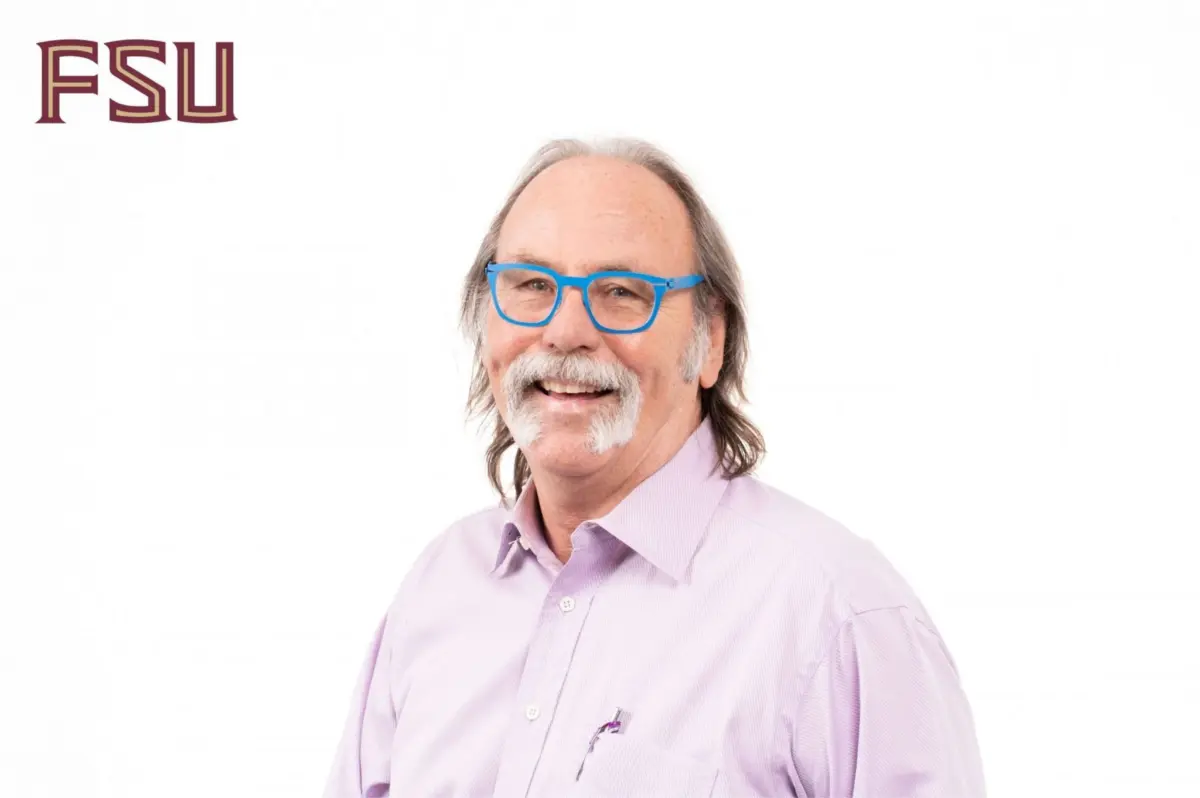
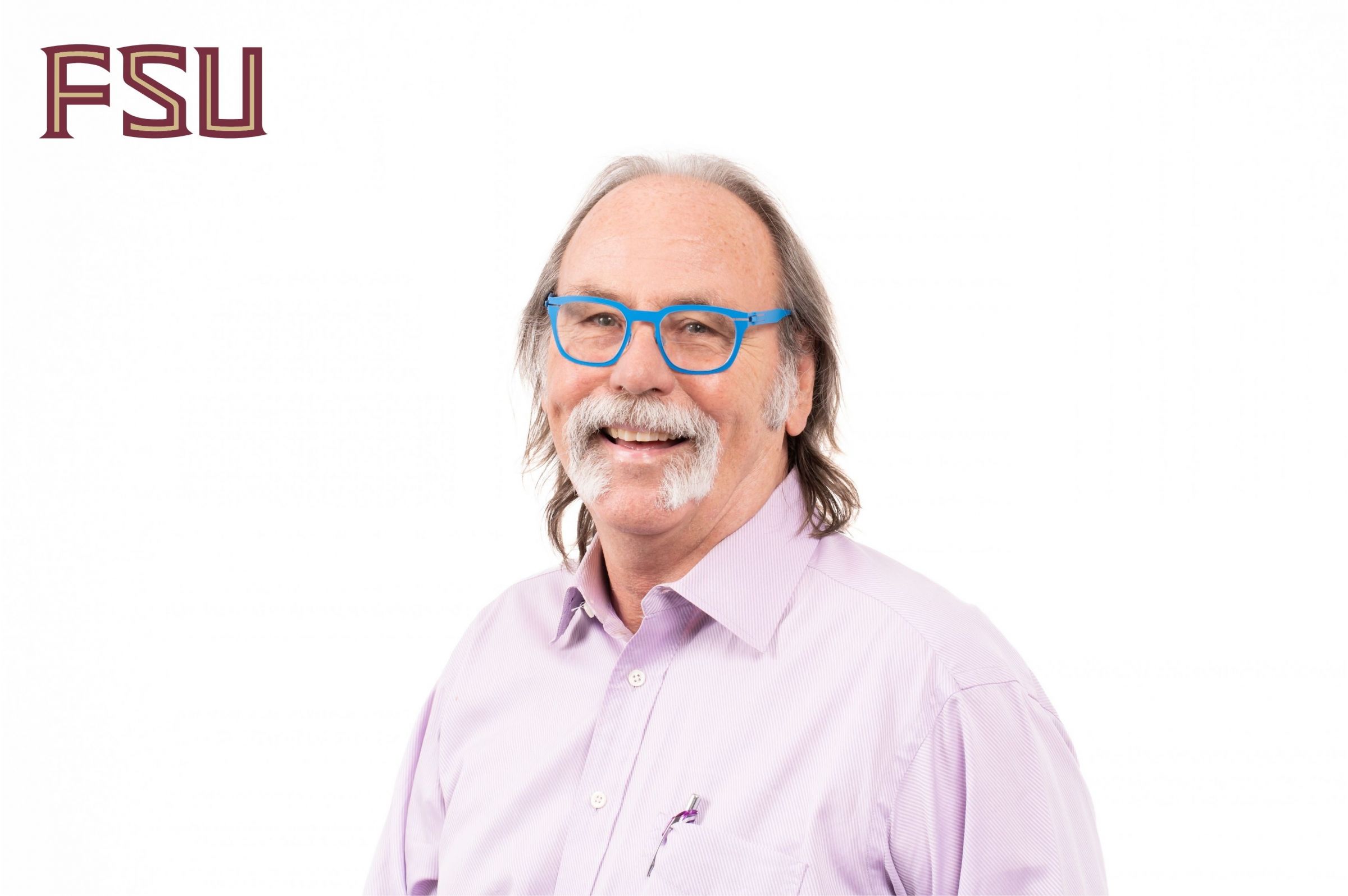
Against this volatile global backdrop, the Florida State University (FSU) Department of Political Science is set to host a landmark public lecture by one of the world’s foremost authorities on political behavior and institutional trust. James L. Gibson, the newly appointed Provost’s Research Professor of Political Science at FSU, will deliver a keynote address entitled “Legitimacy: The Theory of the Century” on Tuesday, Oct. 13, 2026.
Drawing upon a storied, four-decade-long career spent interrogating the psychological and sociological underpinnings of democracy, Gibson’s lecture will explore the fragile mechanics of sociological legitimacy. The event promises to offer deep empirical insights into how foundational institutions—from courts and legislatures to economic and social systems—secure compliance from the citizenry, and crucially, how they unravel during periods of modern democratic backsliding.
Executive Overview
The upcoming lecture by Professor Gibson represents a vital intellectual touchstone for both the academic community and the broader public. At its core, the presentation will synthesize decades of quantitative and qualitative research into a singular, overarching thesis: that the long-term survival of any democratic republic relies less on the coercive power of the state and far more on the voluntary, internalized belief among its people that the state’s authority is rightful, just, and worthy of deference.
- Event Legitimacy: The Theory of the Century
- Keynote Speaker: Dr. James L. Gibson, Provost’s Research Professor of Political Science, Florida State University
- Date: Tuesday, Oct. 13, 2026
- Schedule:
- 3:30 P.M. – Main Lecture
- 4:30 P.M. – Public Reception
- Location: Beth Moor Lounge, Longmire Building, 125 Convocation Way, Tallahassee, FL
- Cost: Free and open to the general public, students, faculty, and researchers.
This high-profile event is hosted by FSU’s Department of Political Science, housed within the College of Social Sciences and Public Policy (COSSPP). It marks a cornerstone event in the academic calendar, highlighting FSU’s growing prominence as a premier hub for cutting-edge political research and public engagement.
Detailed Chronology: A Career Dedicated to Democratic Resilience
To understand the weight of Professor Gibson’s upcoming analysis, one must examine the trajectory of a career that has continually reshaped the boundaries of political science.
Decades of Empirical Inquiry
For over forty years, Gibson’s scholarship has carved out a definitive space in the study of democratic legitimacy, political tolerance, and public opinion. While many political scientists focus exclusively on institutional design—such as constitutional frameworks or electoral laws—Gibson has consistently directed his lens toward the psychological bedrock of politics: the attitudes, beliefs, and prejudices of ordinary citizens.
His early work challenged prevailing assumptions about political tolerance, demonstrating that democracy relies not on an absence of intolerance among the public, but on institutional safeguards and elite leadership that prevent intolerant factions from trampling minority rights. Over time, this line of inquiry expanded into a comprehensive examination of institutional legitimacy, particularly concerning judicial systems. Gibson has long argued that courts, lacking the “purse” of the legislature and the “sword” of the executive, are uniquely dependent on diffuse support—a generalized reservoir of goodwill—to survive crises of unpopular rulings.
Recent Scholarly Milestones and Accolades
Gibson’s arrival at Florida State University this fall punctuates a lifetime of prolific academic output. He is the author or co-author of more than 100 scholarly articles published in top-tier academic journals and has penned several seminal books that have directly influenced modern political discourse.
Notable among his recent publications are:
- Democracy’s Destruction? (2024) – A timely exploration of the internal and external threats facing contemporary democratic states, analyzing the warning signs of systemic decay.
- Black and Blue: African Americans, the Police, and the Rule of Law (2018) – A rigorous empirical investigation into marginalized communities’ perceptions of legal authority, police legitimacy, and systemic justice.
In recognition of his monumental contributions to the discipline, Gibson was awarded the prestigious Warren E. Miller Award in 2026 by the American Political Science Association (APSA). This accolade honors career-defining achievements in the study of elections, public opinion, and voting behavior, placing Gibson in an elite echelon of political scientists whose work has fundamentally altered how scholars understand civic life.
Supporting Context & Metrics: The Anatomy of Legitimacy
What is Sociological Legitimacy?
In political science and sociology, legitimacy is distinct from mere legality or the capacity to exercise physical coercion. Broadly defined, legitimacy is the psychological property of an authority, institution, or social arrangement that leads those connected to it to perceive it as rightful, appropriate, and morally justified.
When an institution possesses high levels of legitimacy, citizens comply with its directives even when those directives run contrary to their immediate self-interest or personal preferences. For instance, a citizen who strongly opposes a Supreme Court ruling will still accept the verdict—not out of fear of punishment, but out of a deep-seated respect for the office and the constitutional order it represents.
However, Gibson’s research underscores that legitimacy is not a permanent endowment. It is a wasting asset. It must be continually replenished through procedural fairness, institutional neutrality, and effective governance.
The Threat of Democratic Backsliding
In his Oct. 13 lecture, Gibson will address one of the most alarming political trends of the 21st century: democratic backsliding. Characterized by the gradual erosion of institutional checks and balances, the subversion of electoral integrity, and the politicization of independent agencies (such as courts and law enforcement), backsliding often occurs from within, driven by populist leaders and polarized electorates.
Gibson’s empirical evidence demonstrates that when institutions repeatedly abandon norms of neutrality or become instruments of partisan warfare, they suffer a catastrophic depletion of sociological legitimacy. Once public trust crosses a critical threshold downward, recovering that trust becomes exponentially difficult, creating a vicious cycle that can culminate in democratic collapse.
Official Statements and Institutional Perspective
The significance of Gibson’s appointment and upcoming lecture extends far beyond an individual academic achievement; it reflects the strategic vision of Florida State University and its College of Social Sciences and Public Policy (COSSPP).
FSU’s Department of Political Science: A National Powerhouse
The Department of Political Science is widely recognized as one of the crown jewels of FSU. Enrolling roughly 1,300 majors, the department accounts for approximately one-third of all undergraduate students within COSSPP. Its faculty members are routinely lauded for their high research productivity, intellectual influence, and active engagement in contemporary policy debates.
Furthermore, the department’s Ph.D. program serves as an international magnet, drawing top-tier doctoral students from around the globe to study under leading scholars like Gibson.
Adding to its distinct pedagogical profile is the Applied Politics & Policy Learning Experience (APPLE) program. As the only initiative of its kind in the nation, APPLE bridges the gap between theoretical classroom instruction and real-world political arenas. It provides undergraduates with immersive, hands-on professional experience within the Florida Legislature in Tallahassee as well as on the national stage in Washington, D.C.
By securing scholars of Professor Gibson’s caliber, FSU reinforces its commitment to providing students with direct access to minds actively shaping global political science.
Future Outlook: Implications for Research and Public Policy
As the academic community and the public prepare for the Oct. 13 address, the broader implications of Gibson’s work point toward an urgent call for institutional reform and civic education.
Rebuilding Public Trust
The central takeaway from “Legitimacy: The Theory of the Century” is unlikely to be merely diagnostic; it will likely offer a roadmap for institutional preservation. As democracies navigate the challenges of the digital age—characterized by misinformation, hyper-partisanship, and declining civic literacy—understanding how to insulate democratic norms from partisan capture is paramount.
For researchers at FSU and beyond, Gibson’s arrival signals an acceleration of empirical studies dedicated to measuring and safeguarding public trust. His ongoing work will undoubtedly guide the next generation of political scientists as they seek answers to the defining governance questions of our era.
Event Attendance and Access
The lecture is open to the public to ensure that these critical insights reach beyond ivory tower walls. Members of the local community, students, journalists, and policy professionals are encouraged to attend the 3:30 P.M. lecture in the Beth Moor Lounge (Longmire Building), followed by an interactive reception at 4:30 P.M., where attendees can engage directly with Professor Gibson and faculty members.
In an era where the future of democratic governance hangs in the balance, James L. Gibson’s examination of institutional legitimacy offers not only an academic masterclass but a vital public warning: democracy thrives only so long as its people believe in its rightful authority.

0 Comments