

Executive Overview
TALLAHASSEE, Fla. — In a decisive move that signals a profound pivot in the strategic trajectory of Florida State University’s storied athletic department, university leadership announced today that Michael Alford is no longer serving as Vice President and Director of Intercollegiate Athletics, effective September 14. The leadership transition marks a critical juncture for the Seminoles, coming at a time of unprecedented financial, structural, and cultural transformation across the broader landscape of collegiate athletics.
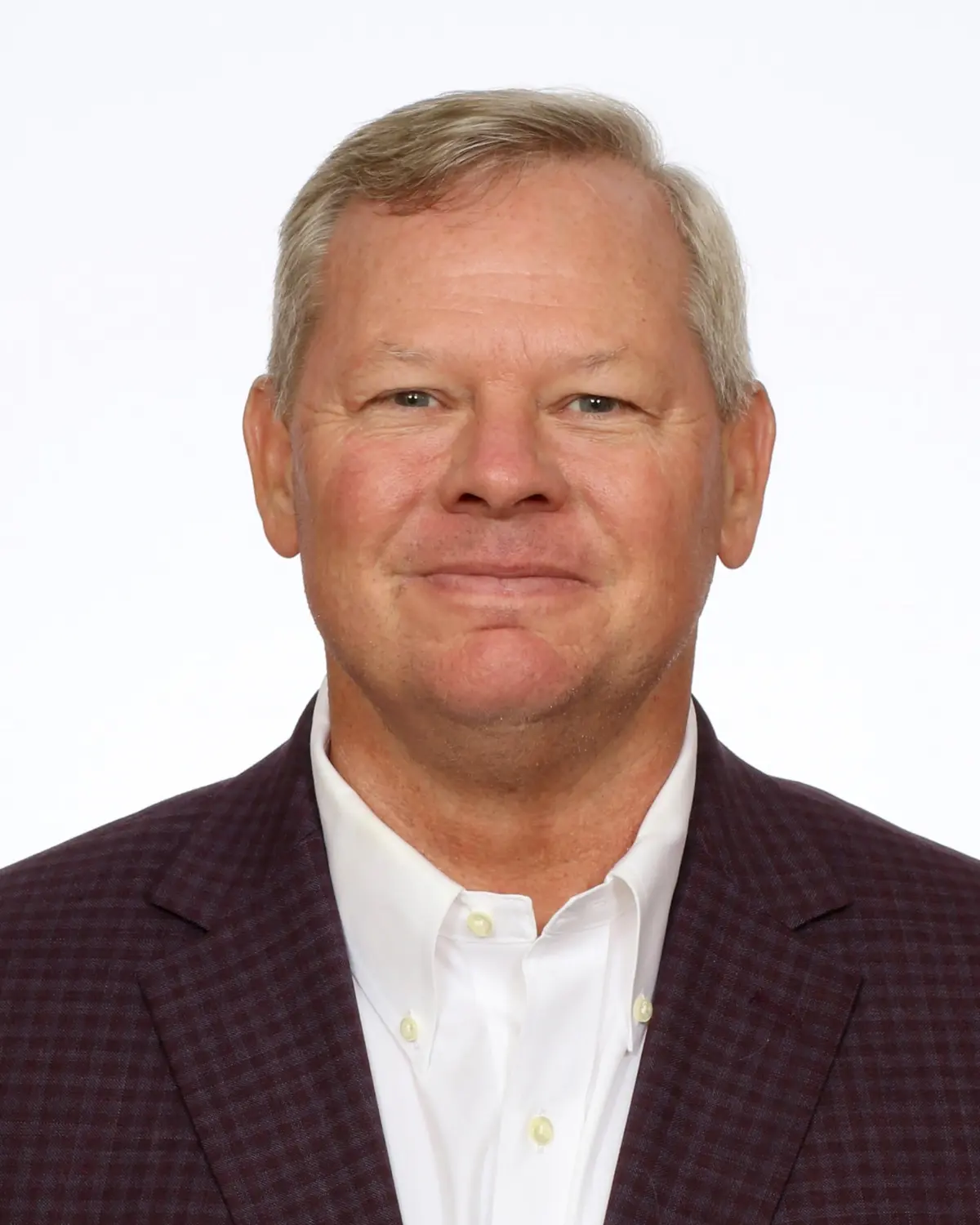
To ensure operational stability and uninterrupted oversight during the ensuing executive transition, FSU President Richard McCullough has tapped Senior Associate Athletics Director Bruce Warwick to serve as Interim Director of Athletics. Warwick, a seasoned administrator who arrived in Tallahassee in 2020 following a distinguished career in the National Football League, will immediately assume stewardship of the department’s day-to-day operations.
Concurrently, the university administration, in close coordination with the FSU Board of Trustees, is preparing to launch a comprehensive, nationwide search to identify and recruit a permanent successor. While university officials have praised Alford for his dedicated service since taking the departmental helm in 2021, the leadership change underscores an uncompromising institutional demand for elevated performance, modernized infrastructure, and a relentless pursuit of national championships.
As the collegiate sports ecosystem navigates the tumultuous waters of Name, Image, and Likeness (NIL) legislation, sweeping conference realignments, and evolving revenue-sharing models, Florida State’s executive leadership has made it clear that maintaining status quo operations is no longer an option. This in-depth report explores the catalysts behind Alford’s departure, examines the immediate administrative implications under Warwick’s interim leadership, contextualizes the structural evolution of Seminole athletics, and projects the road ahead as FSU searches for the next architect of its athletic destiny.
Detailed Chronology of the Transition
The events leading to the sudden September 14 announcement unfolded against a backdrop of mounting competitive pressures and heightened expectations within the Atlantic Coast Conference and on the national stage. While university leadership had spent months deliberating the long-term positioning of the athletic enterprise, the mechanics of the leadership shift were executed swiftly to minimize distraction for student-athletes, coaching staffs, and administrative personnel.
The Timeline of Events
- 2020: Bruce Warwick joins Florida State University as a key administrative hire following an extensive tenure with the NFL’s Los Angeles Rams, bringing a professional-grade operational mindset to the collegiate sector.
- 2021: Michael Alford transitions from his role as President of Seminole Boosters, Inc., to assume the mantle of Vice President and Director of Intercollegiate Athletics, inheriting a department navigating the immediate wake of the COVID-19 pandemic and shifting financial paradigms.
- 2023–2024: FSU experiences high-profile athletic successes coupled with intense off-field debates regarding institutional alignment, revenue distribution, and the financial sustainability required to compete with elite programs in the Big Ten and Southeastern Conference (SEC).
- September 14: Florida State University officially announces that Michael Alford’s tenure as Athletic Director has concluded. President Richard McCullough appoints Bruce Warwick as Interim Director of Athletics, effective immediately.
- Immediate Future: FSU prepares to establish a formal search committee and outline the parameters for a nationwide search for a permanent Athletic Director, with stakeholder input solicited from university leadership, the Board of Trustees, and major philanthropic donors.
The swiftness of the announcement caught many in the broader college sports community by surprise, yet insiders note that the decision reflects a deep-seated alignment between the Office of the President and the Board of Trustees. In modern collegiate sports administration, the margin for error has narrowed dramatically. With universities facing existential questions regarding roster management, facility modernization, and donor relations, FSU’s leadership determined that a clean break was imperative to accelerate the next phase of institutional restructuring.
Supporting Context & Metrics: The Modern Landscape of FSU Athletics
To fully comprehend the gravity of this leadership transition, one must examine the operational, financial, and competitive metrics that define the modern era of Florida State athletics. Over the past several years, FSU has poured unprecedented resources into modernizing its athletic infrastructure, expanding its fundraising apparatus through Seminole Boosters, and striving to maintain a competitive edge in an increasingly polarized collegiate marketplace.
The Financial and Structural Imperative
Running a premier Football Bowl Subdivision (FBS) athletic department in the mid-2020s requires a sophisticated blend of corporate management, real estate development, and high-net-worth donor cultivation. During his time leading Seminole Boosters and subsequently the athletic department, Michael Alford oversaw significant fundraising milestones and capital projects designed to upgrade training facilities, enhance the fan experience at Doak Campbell Stadium, and bolster scholarship endowments.
However, the financial landscape of college athletics has fundamentally shifted. The advent of direct revenue sharing with student-athletes—anticipated to take effect in the near future following antitrust settlements like House v. NCAA—has placed immense pressure on athletic budgets nationwide. Institutions can no longer rely solely on traditional revenue streams from ticket sales, television contracts, and standard donor contributions. They must fundamentally re-engineer their operational models to unlock new liquidity, optimize resource allocation, and protect their competitive standing.
Board of Trustees Chairman Peter Collins alluded directly to these structural realities in his public remarks regarding the transition, noting that while substantial investments have been made, the velocity of change in collegiate sports demands an even more aggressive restructuring. FSU’s leadership is acutely aware that competing at the absolute pinnacle of college football and Olympic sports requires an athletic director capable of navigating complex legal frameworks, cultivating mega-donors, and executing cutting-edge commercial strategies.
Bruce Warwick: Operational Stability and Professional Pedigree
In appointing Bruce Warwick as Interim Athletic Director, President McCullough has turned to a battle-tested administrator whose background bridges the gap between collegiate governance and professional sports operations. Before arriving in Tallahassee in 2020, Warwick accumulated decades of invaluable experience in the National Football League with the Los Angeles Rams organization.
In the NFL, operational efficiency, salary cap navigation, logistics management, and elite player personnel support are paramount. Warwick brought this professionalized ethos to Florida State, where he has overseen internal operations, facility logistics, and administrative workflows as Senior Associate Athletics Director.
Warwick’s deep familiarity with FSU’s internal machinery makes him uniquely qualified to steady the ship during an interim period. By entrusting the day-to-day management to an administrator who commands the respect of coaches, staff, and student-athletes alike, the university has insulated its competitive programs from the administrative turbulence typically associated with executive turnover.
Official Statements and Institutional Perspectives
The gravity of the leadership change was reflected in the measured, forward-looking statements released by Florida State’s primary stakeholders. Rather than dwelling on the past, university leaders emphasized an unyielding commitment to championship-level excellence and structural modernization.
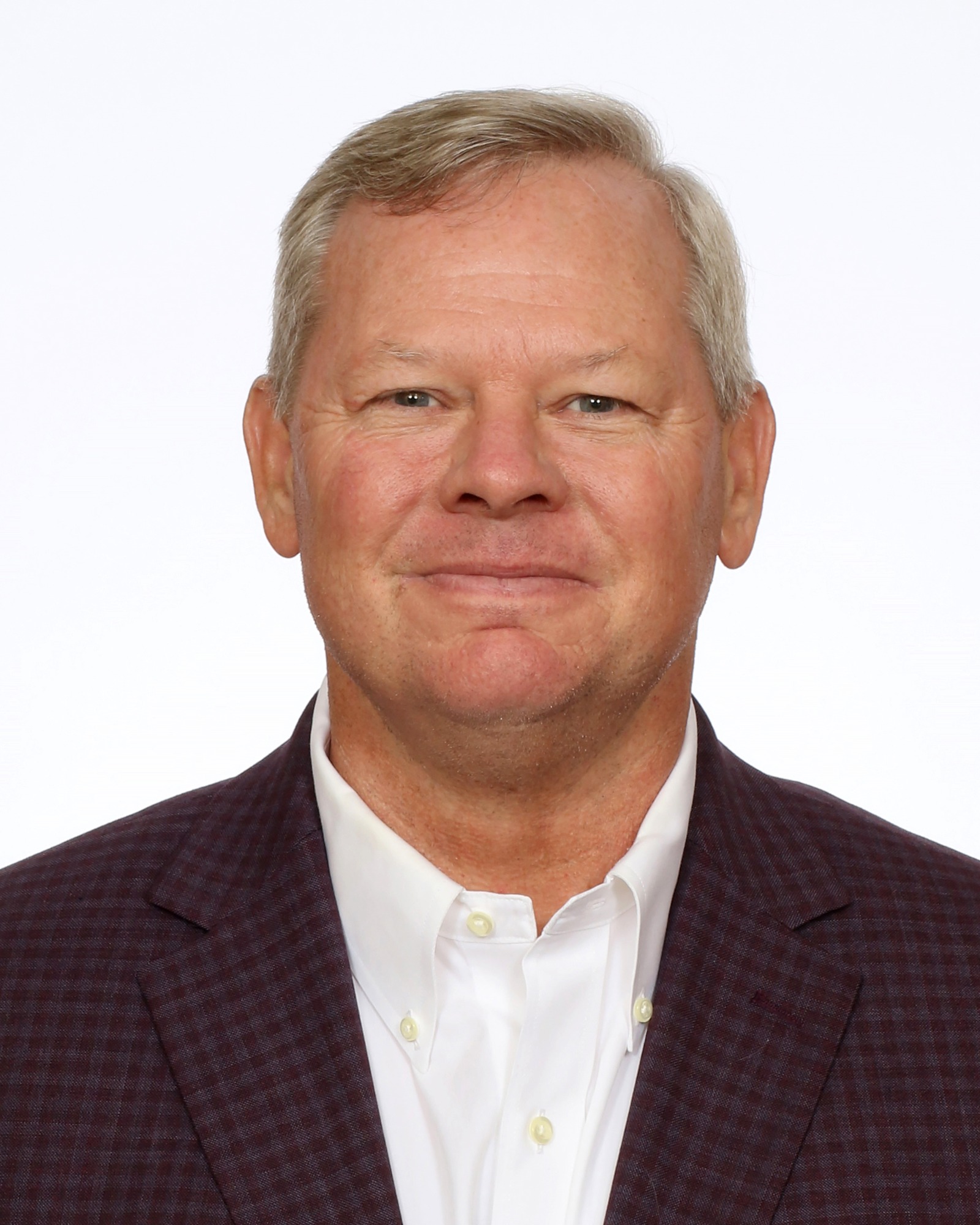
President Richard McCullough
FSU President Richard McCullough framed the decision as a necessary step in aligning the university’s athletic ambitions with its operational execution. While acknowledging Michael Alford’s service, McCullough made it abundantly clear that the institution’s sights are set squarely on national prominence across all sports.
"Michael Alford has served the University and our student-athletes with dedication, and we thank him for his contributions to our athletics programs," President McCullough stated. "As we begin this transition, our focus remains on the success of our teams and continuing to provide every competitive advantage we can to our student-athletes, coaches, and staff."
Expanding on the core philosophy driving the leadership change, McCullough added:
"Florida State is committed to maintaining the highest standards for our student-athletes and staff. We want all of them to be able to play for championships. This leadership change reflects that commitment."
Board of Trustees Chairman Peter Collins
FSU Board of Trustees Chairman Peter Collins provided critical context regarding the long-term strategic vision of the university, highlighting the absolute alignment between the governing board and the executive office. Collins stressed that the structural evolution of the athletic department must continue unabated.
"Changes like this are never easy, but sometimes necessary," Chairman Collins said. "We have made significant investments and structural changes in our athletic program and Seminole Boosters over the past few years, but more are needed. This step begins the next phase of restructuring that the University must commit to in order to compete in this era of college sports. The President and the Board are in lockstep on the mission and what the results must be."
Interim Athletic Director Bruce Warwick
Stepping into the role during a period of transition, Interim AD Bruce Warwick emphasized continuity, empathy, and an unwavering focus on the student-athlete experience. In his inaugural remarks in this capacity, Warwick sought to reassure internal and external stakeholders.
"It is important that we remain dedicated to providing continuity and support to our student-athletes, coaches and staff, who remain our top priority," Warwick affirmed.
Warwick’s immediate agenda centers on maintaining high morale, ensuring that training and competition schedules proceed without interruption, and partnering closely with coaches to address any immediate resource needs during the interim period.
Future Outlook: The National Search and the Road Ahead
As Bruce Warwick assumes the helm on an interim basis, Florida State University’s attention inevitably turns toward the future. The impending national search for a permanent Director of Athletics will be one of the most consequential administrative processes in the university’s modern history.
The Profile of FSU’s Next Athletic Director
What characteristics will the FSU search committee prioritize as they seek a permanent successor? Industry insiders suggest that the ideal candidate must possess a multi-faceted skill set tailored to the realities of 21st-century collegiate athletics:
- Fundraising Acumen and Major Donor Cultivation: With revenue sharing on the horizon and facilities requiring continuous upgrades, the next AD must be a proven rainmaker capable of securing transformational gifts and expanding corporate partnerships.
- Strategic Vision in the NIL and Revenue-Sharing Era: Candidates must demonstrate a sophisticated understanding of how to structure athletic departments to maximize name, image, and likeness opportunities while maintaining compliance and institutional integrity.
- Elite Competitive Alignment: A proven track record of supporting football, basketball, and Olympic sports programs to ensure they consistently contend for conference and national championships is non-negotiable.
- Crisis Management and Leadership Presence: The modern athletic director operates in the public eye under intense media scrutiny. Exceptional communication skills and the ability to project stability during turbulent times are essential.
Conclusion
The departure of Michael Alford and the appointment of Bruce Warwick as Interim Athletic Director mark the end of one chapter and the aggressive opening of another for Florida State University. By acknowledging the necessity of further structural reform and demanding absolute excellence, FSU leadership has signaled that it will leave no stone unturned in its quest to remain a dominant force in collegiate athletics.
As the national search gets underway in the coming weeks, the Seminole community will watch closely, united in its dedication to supporting the student-athletes, coaches, and staff who carry the garnet and gold into battle. Under Warwick’s steady interim stewardship, FSU remains positioned to navigate this transition with poise, purpose, and an unshakeable commitment to championship-level success.

0 Comments