For tens of thousands of Florida State University (FSU) supporters, game day at Doak Campbell Stadium is a sensory-rich ritual defined by sea-of-garnet-and-gold grandstands, the rhythmic roar of the crowd, and the unmistakable, soul-stirring thunder of the FSU Marching Chiefs. Yet, for a select group of elite aviators on Monday, September 7, 2026, the pre-game pageantry carried an infinitely more personal and profound weight.
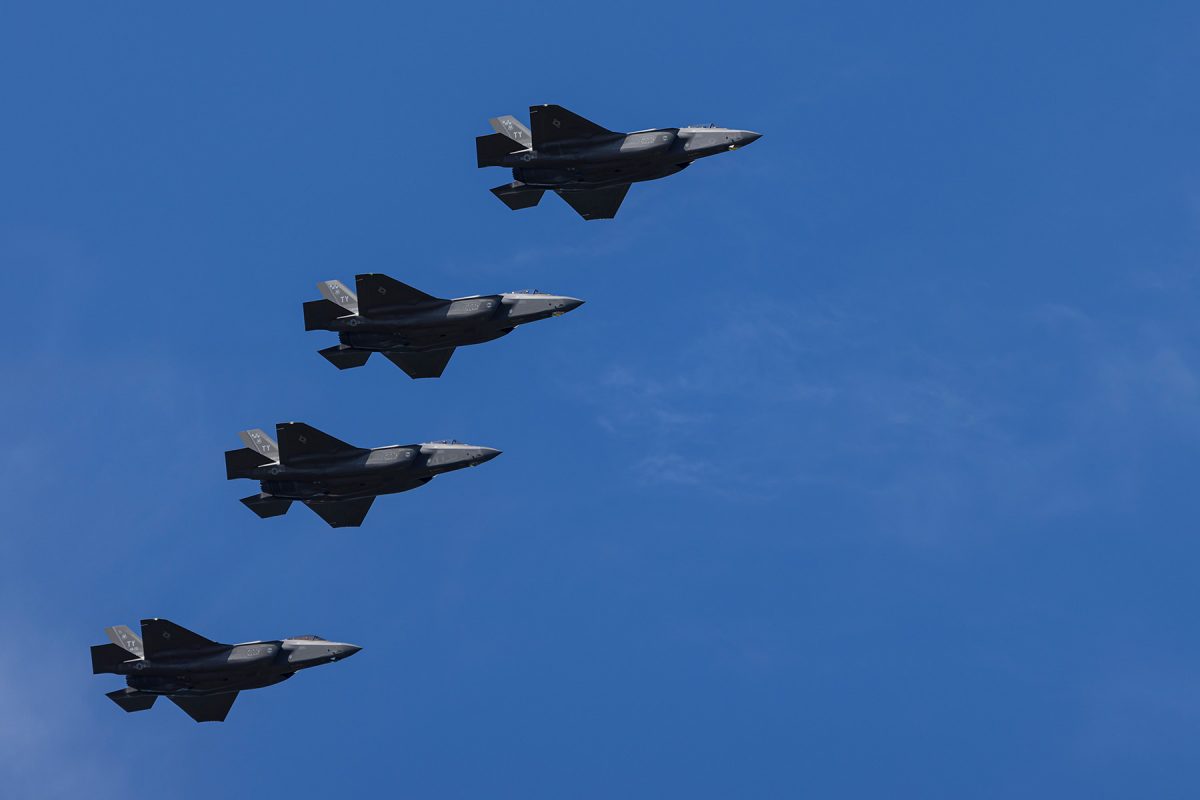
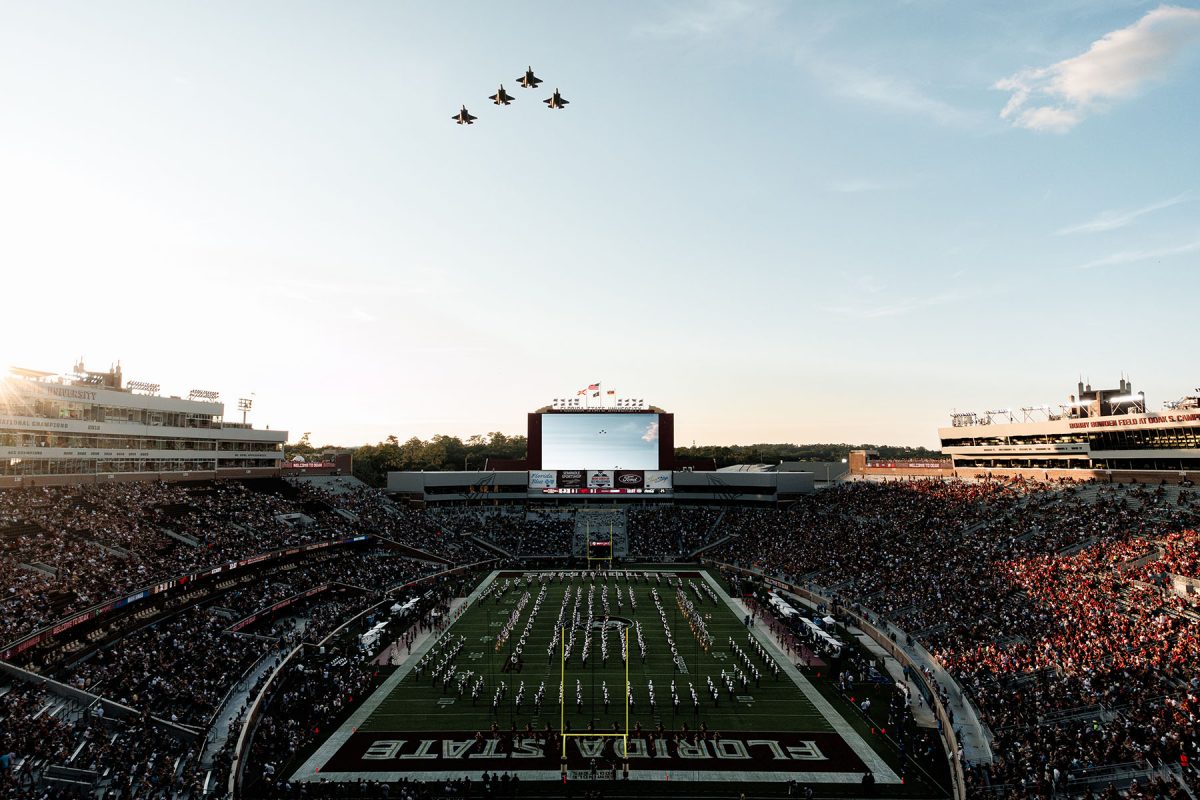
Ahead of a high-stakes football matchup against Southern Methodist University (SMU), the Tallahassee skies trembled as a four-ship formation of U.S. Air Force F-35 Lightning II aircraft sliced through the atmosphere at hundreds of miles per hour. This was no ordinary military demonstration. Three of the four state-of-the-art stealth fighters were piloted by proud FSU alumni returning to the very turf where they once cheered from the student sections as civilian undergraduates and ROTC cadets.
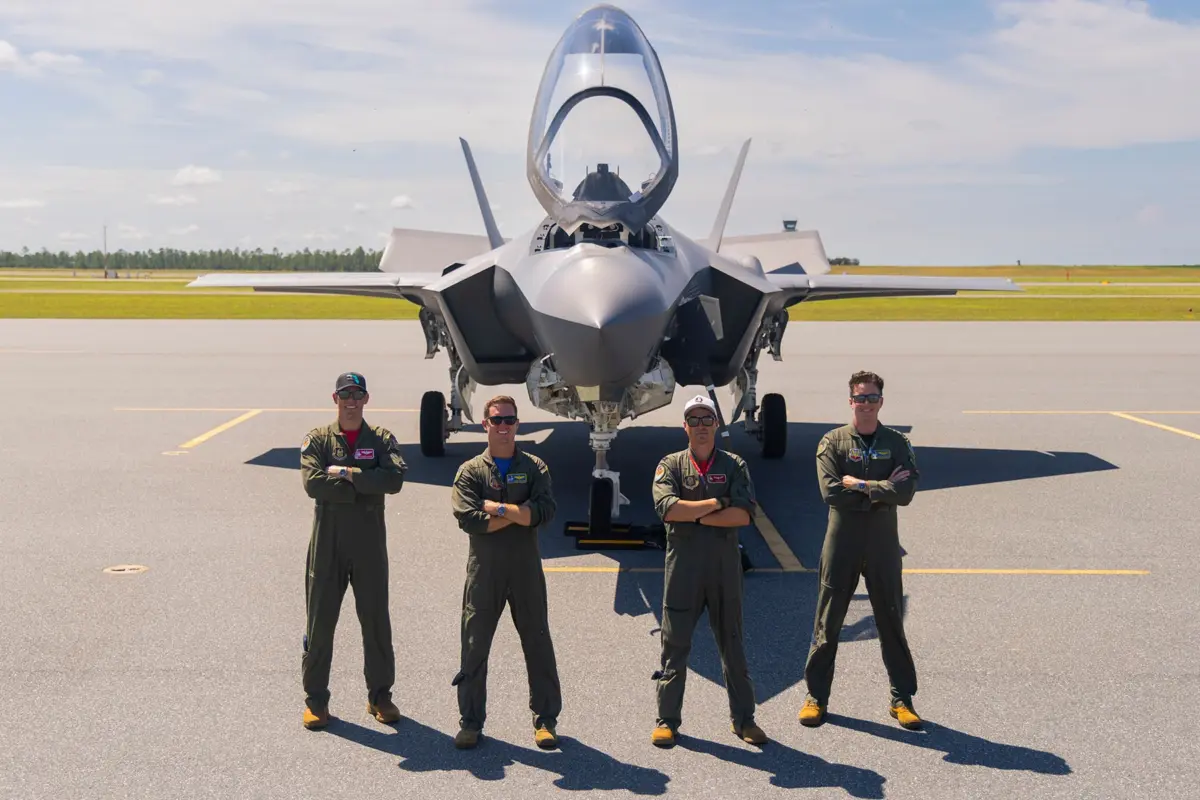
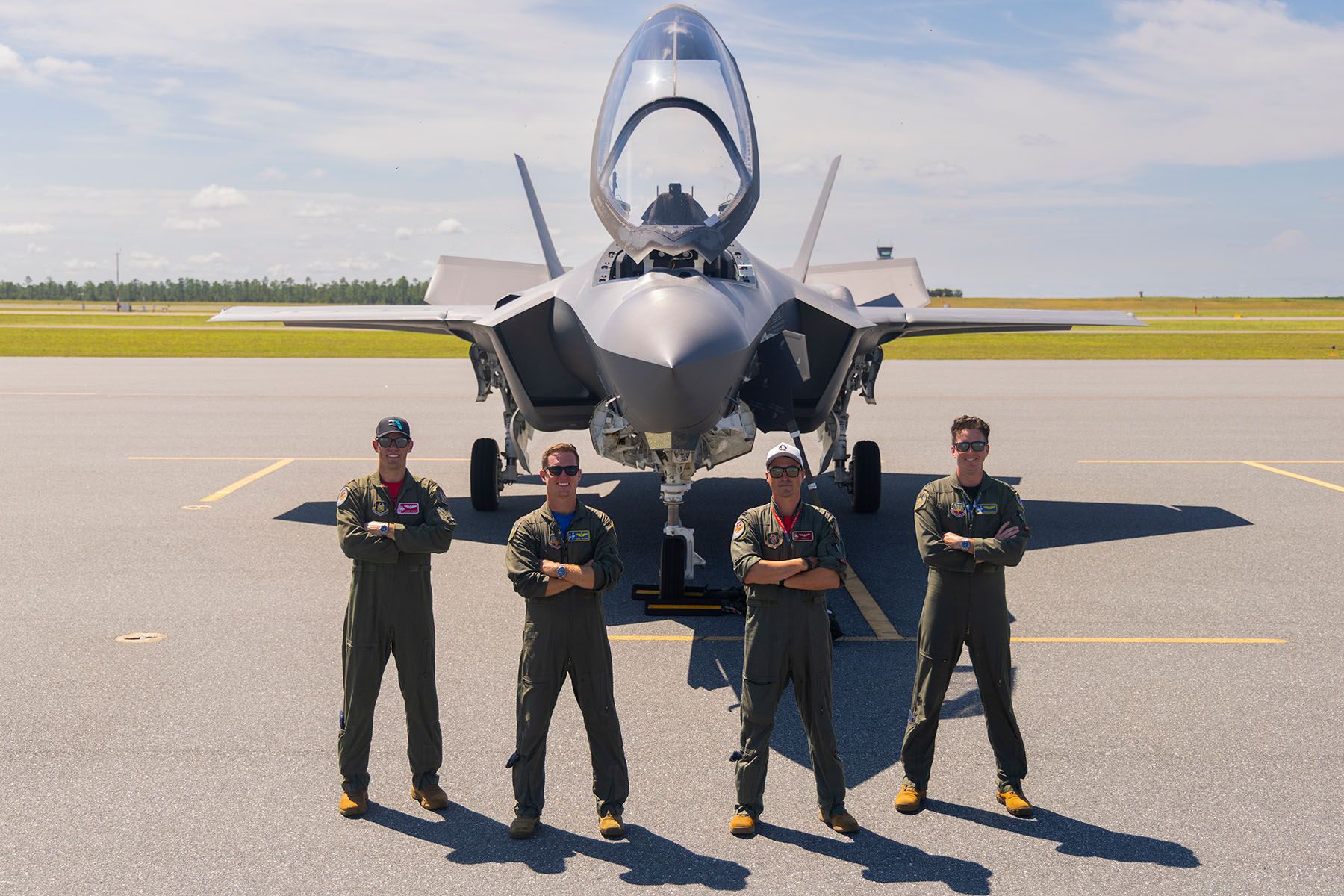
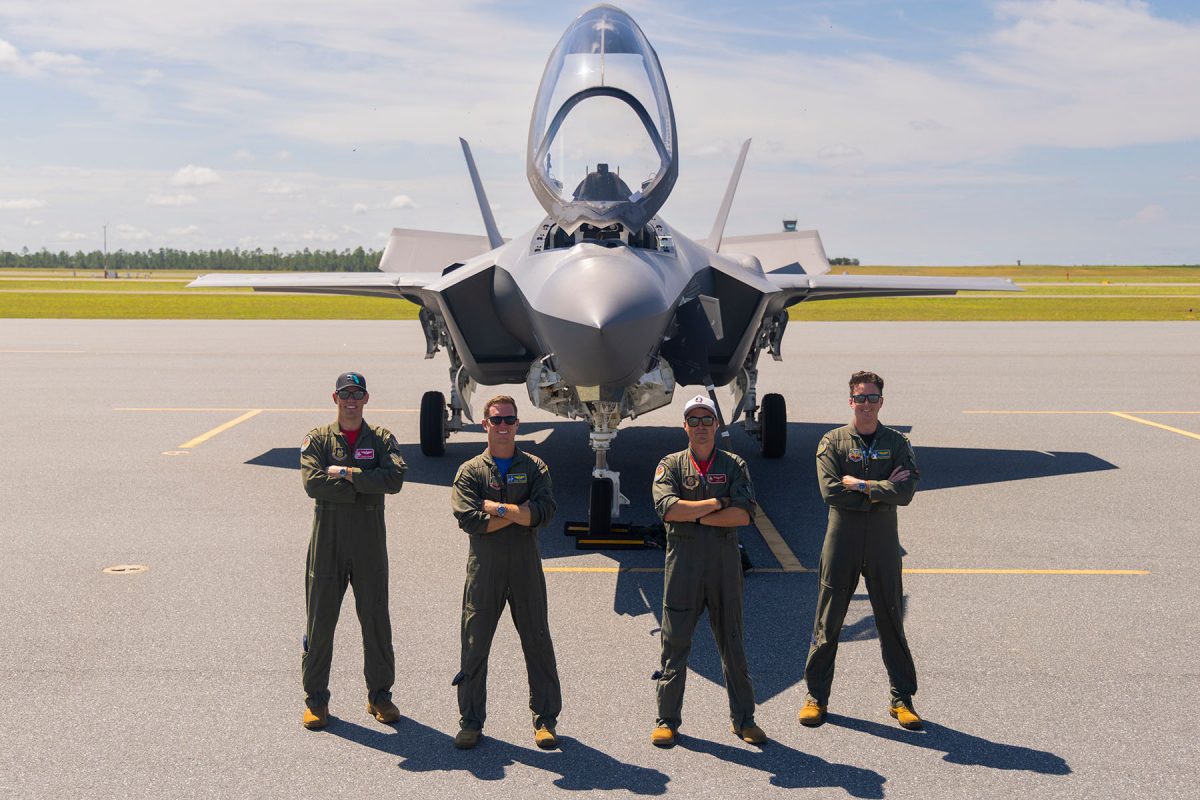
Led by Major Heath “Shady” Williams (B.S. ’15), the flight crew featured Captain Andrew “Cooked” Borger (B.S. ’12) and Captain Cody “Factor” Rochford (B.S. ’17), alongside United States Air Force Academy (USAFA) alumnus Major Robert “Rambo” Kouwe (USAFA ’14). Operating out of Tyndall Air Force Base in Panama City, Florida, the quartet executed a masterclass in aerial precision, syncing their arrival over the 50-yard line down to the exact second with the final notes of the national anthem.
This meticulously orchestrated homecoming bridged a decade of personal and professional evolution, transforming past spectators into modern-day protectors. More than just a striking visual spectacle, the flyover served as a living testament to the trajectory forged by FSU’s academic and ROTC programs, offering a rare look at the intersection of collegiate heritage, military excellence, and community inspiration.
Detailed Chronology: From Blueprint to the Tallahassee Sky
The execution of a multi-million-dollar military flyover above a crowded civilian stadium requires a staggering degree of inter-agency coordination, technical synchronization, and bureaucratic perseverance. For the FSU alumni flight team, bringing this vision to life was a labor of love that spanned well over a year.
Overcoming Adversity: The Road from Cancellation to Completion
Originally slated for the previous college football season, the flyover faced an abrupt and disappointing cancellation due to a federal government shutdown. Rather than letting the opportunity slip away, the pilots—leveraging their deep ties to FSU and support within Air Force leadership—renewed their efforts. Months of behind-the-scenes planning between university officials, athletic department staff, and military command structures culminated in the green light for the September 7, 2026 matchup against SMU.
Rehearsals and Ground Operations
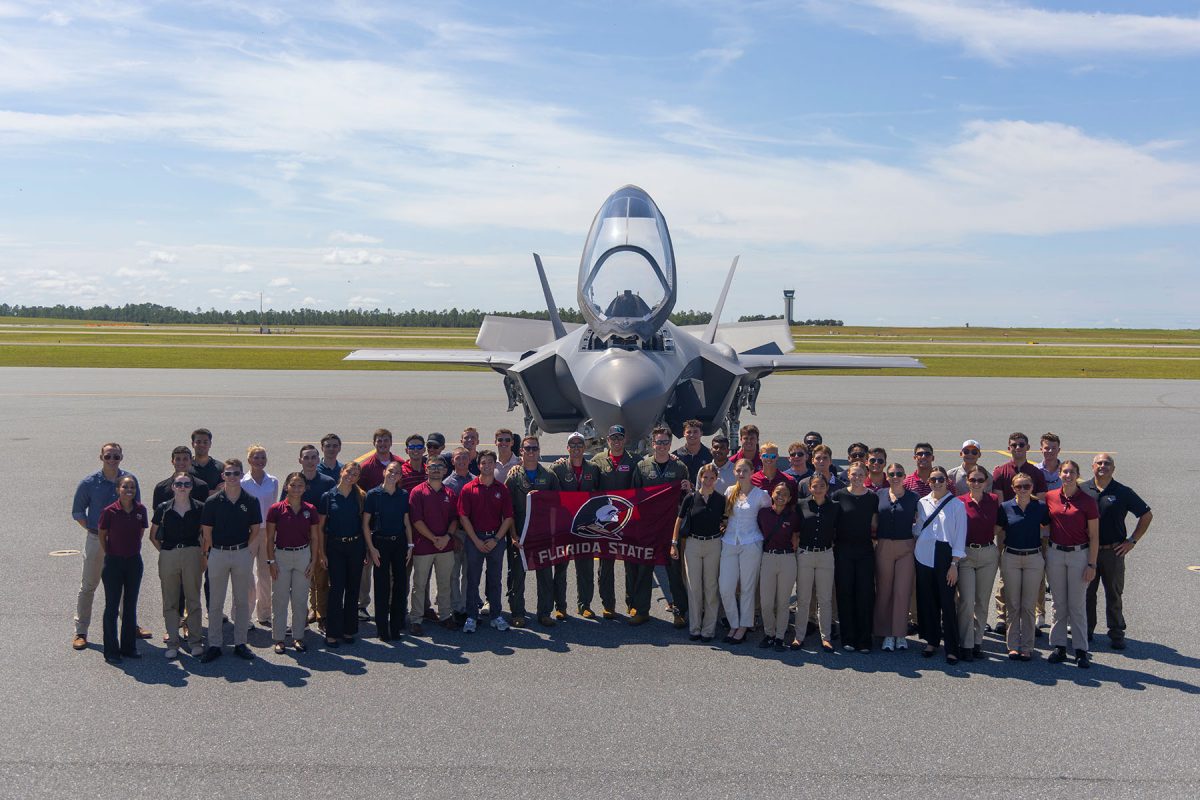
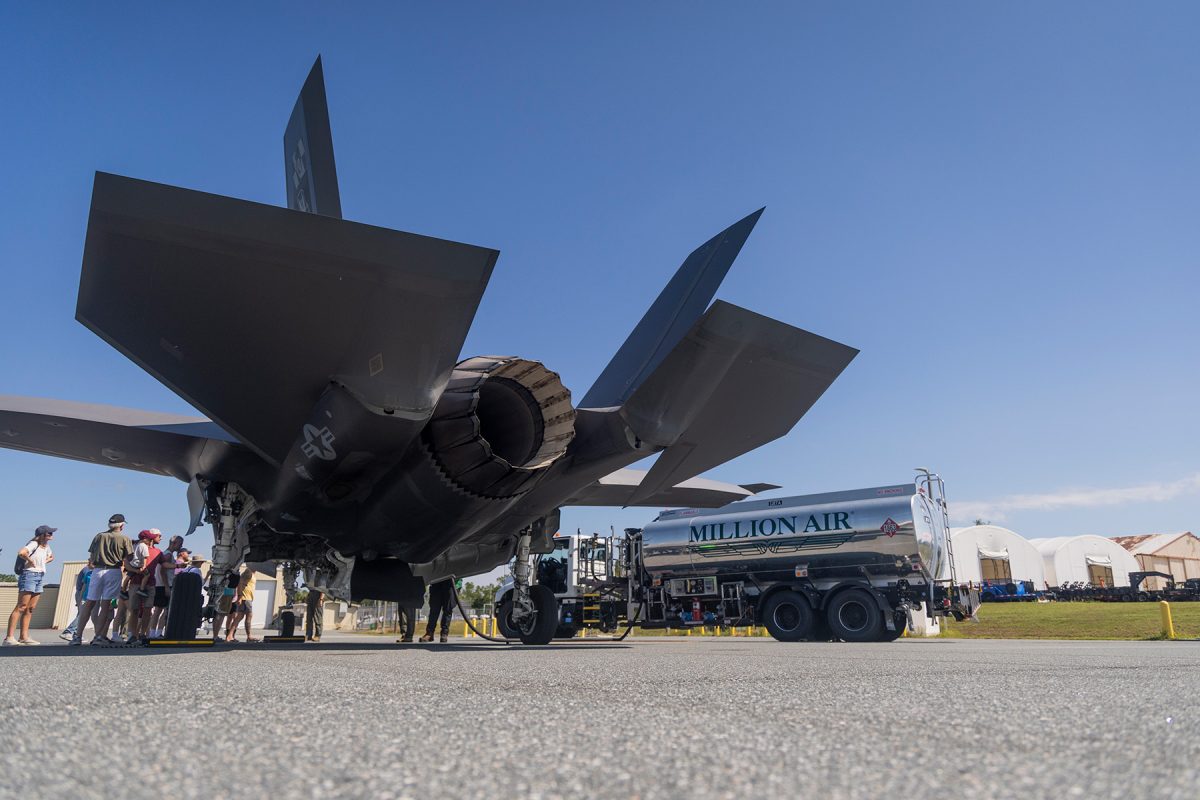
The operational footprint of the mission began hours before kickoff. Operating out of their staging ground at Tyndall Air Force Base, the four F-35s made the short transit to the Tallahassee International Airport, where ground crews prepped, inspected, and refueled the fifth-generation stealth jets.
Before strapping into their cockpits for the main event, the pilots took time to mentor the next generation of military leaders. They visited with cadets from Florida State University’s Air Force ROTC program, sharing insights, answering technical questions, and offering a tangible glimpse into the demanding reality of tactical aviation careers.
Later in the day, the flight crew rattled the windows of Tallahassee with two high-altitude practice runs over Doak Campbell Stadium. These preliminary passes served a dual purpose: they allowed the pilots to dial in their visual checkpoints, wind corrections, and timing profiles against the stadium’s architecture, while simultaneously sending a jolt of adrenaline through the local community, giving fans an exhilarating preview of the evening’s spectacle.
The Precision Final Run
As twilight descended on Doak Campbell Stadium, the four-ship formation positioned itself miles away in holding patterns, waiting for the critical execution cue. Precision timing was paramount. Working in tandem with the FSU Marching Chiefs on the field, the flight lead monitored acoustic and radio cues to ensure the stealth fighters crossed the stadium’s airspace precisely as the national anthem reached its crescendo.
At precisely the right second, the F-35s roared overhead at low altitude, their twin-tail profiles and afterburners capturing the attention of over 70,000 screaming fans. The resulting shockwave of sound cemented an unforgettable beginning to the evening’s athletic competition.
Supporting Context & Metrics: Anatomy of the Mission and the Aviators
To fully appreciate the magnitude of the September 7 flyover, one must examine the hardware involved, the backgrounds of the personnel, and the institutional framework that guided them from campus classrooms to the cockpit of the world’s most advanced multi-role fighter.
The Aircraft: Lockheed Martin F-35 Lightning II
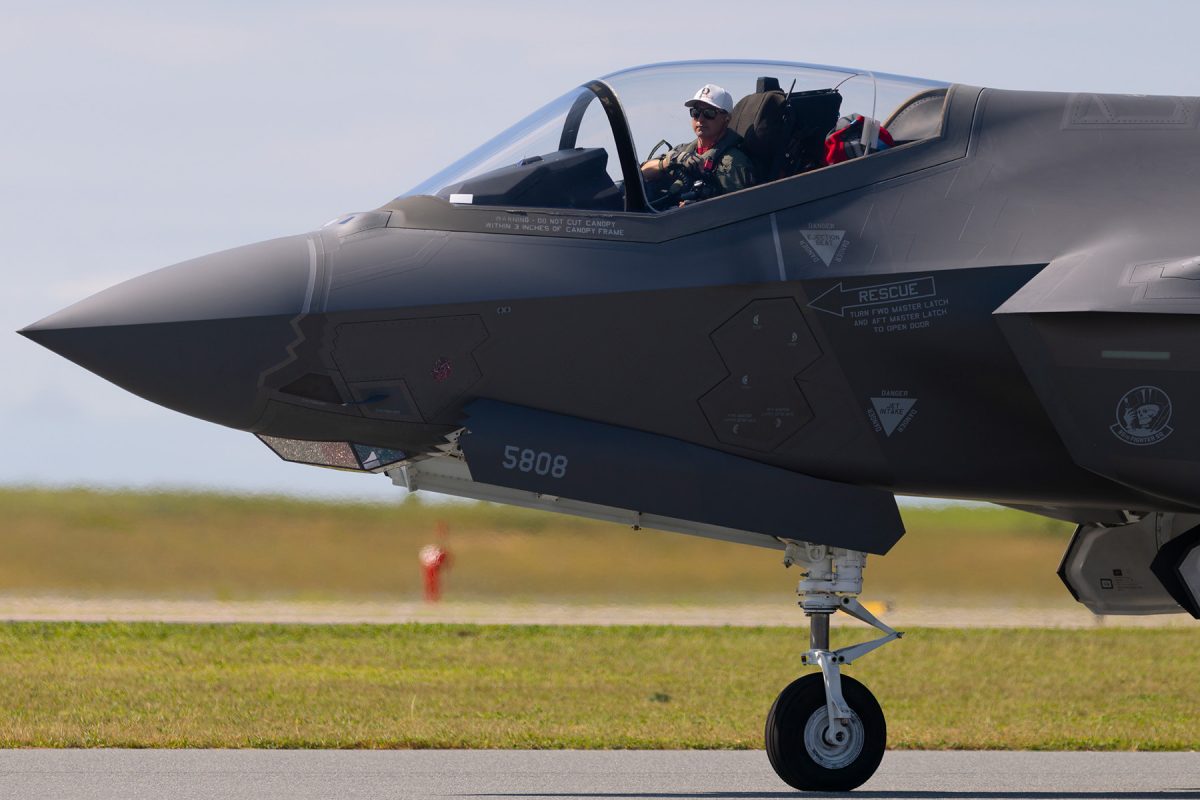
The centerpiece of the mission was the F-35A Lightning II, an agile, supersonic, stealth multi-role fighter designed to replace an aging inventory of legacy tactical aircraft. Boasting a single Pratt & Whitney F135 afterburning turbofan engine capable of pushing the aircraft past Mach 1.6, the F-35 integrates advanced sensor fusion, electronic warfare systems, and low-observable stealth technology.
Valued at roughly $80 million per airframe, the F-35 requires an extraordinary level of pilot proficiency. Operating these jets in a tight four-ship formation at low altitudes over a populated urban stadium demands absolute mastery of spatial awareness, flight instrumentation, and crew resource management.
Meet the Flight Crew
The roster for the Doak Campbell Stadium flyover reads like a roll call of FSU dedication:
Major Heath “Shady” Williams (B.S. ’15): Serving as the mission commander and flight lead, Williams graduated from FSU in 2015. For him, the flight was a literal bucket-list achievement, echoing a formative memory from his freshman year when he watched an A-10 flyover at the very same stadium—unaware that one of those pilots would eventually become his instructor in the F-35 program years later.
Captain Andrew “Cooked” Borger (B.S. ’12): An alumnus of the Class of 2012, Borger brought years of tactical flight experience back to his undergraduate stomping grounds, showcasing the longevity and depth of FSU alumni serving in active-duty combat roles.
Captain Cody “Factor” Rochford (B.S. ’17): Graduating in 2017 after completing his undergraduate studies and ROTC training at FSU, Rochford’s participation represented a direct circle from cadet training to operational command.
Major Robert “Rambo” Kouwe (USAFA ’14): Representing the United States Air Force Academy Class of 2014, Kouwe rounded out the four-ship formation, highlighting the interservice collaboration and brotherhood that defines modern military aviation units.
Institutional Foundations: FSU ROTC and Student Veterans
The success of these aviators is deeply intertwined with the institutional support structures at Florida State University. FSU has long maintained a distinguished Air Force ROTC detachment, consistently producing high-caliber officers who go on to excel in highly competitive fields across the armed forces.
Furthermore, the university has emerged as a national leader in supporting military-connected scholars. Through initiatives like the FSU Student Veterans Center—founded and guided by campus veterans advocates—returning service members and student veterans receive comprehensive academic, professional, and transitional support.
Official Statements and Reflections
The emotional resonance of the event was captured eloquently by the pilots and university leadership alike, highlighting the profound bond between military service members and their academic home.
Reflecting on the opportunity to return to the grounds where his career aspirations first took root, Capt. Cody Rochford shared his gratitude:
"Florida State is just such a great place. I loved every moment of my experience there going through school, going through ROTC and being able to come back and do a flyover for a football game is just an incredible opportunity. To be part of that formation and fly over my alma mater, the place that has done so much for me, is a really cool feeling."
Maj. Heath Williams emphasized the transformative power of visual inspiration, noting how his own career was catalyzed by a similar moment years prior:
"I’ll never forget that because one of the lead pilots ended up being an instructor for me, way down the line in the F-35. I didn’t know that at the time, but I just thought that was the coolest thing ever: to see a group of alumni come back to Florida State, do the flyover and it’s like a life bucket-list thing to check off your list."
Discussing the operational value of the flyover and its connection to the fan experience, Williams added:
"It’s about getting not only the players, but the fans — everybody hyped up. The band does a phenomenal job at doing that, and they sustain it throughout the whole game. But in my opinion, there’s nothing better than kickoff with a bunch of fighter jets going over with a loud noise to kick off the national anthem and really start the game that way. It’s just something that our country has done for decades and will continue to do, and everybody loves it. So, why not be a part of that?"
Billy Francis, a retired Air Force fighter pilot with 26 years of dedicated service, former FSU Air Force ROTC commander, and founding director of FSU’s Student Veterans Center, offered an authoritative institutional perspective on the milestone:
"At Florida State, our goal is to support, empower and prepare our students for gratifying careers. To see them come back home and inspire the next generation of leaders in the stands is as rewarding as it gets."
Future Outlook: Inspiring Tomorrow’s Aviators
As the echoes of the F-35 engines faded into the Florida evening and the Seminoles took the field, the impact of the September 7 flyover extended far beyond the immediate entertainment value of game night.
For the current cohort of FSU ROTC cadets who met with the pilots earlier that afternoon, witnessing alumni command the skies in the world’s most sophisticated stealth fighter provided an undeniable beacon of aspiration. It demonstrated that the path from an FSU lecture hall or a campus parade field to the cockpit of a frontline tactical jet is not an impossible dream, but an achievable reality earned through discipline, academic rigor, and unwavering commitment.
As Florida State University continues to expand its robust support networks for military-connected students and foster excellence within its ROTC ranks, events like this serve as a powerful reminder of the enduring legacy shared by the university and the United States Armed Forces. The sight of alumni pilots thundering over Doak Campbell Stadium has set a high standard for future game-day traditions—ensuring that whenever the national anthem plays in Tallahassee, the eyes of the crowd will eagerly look upward, searching the clouds for the next generation of leaders returning home.



0 Comments