In an era where global literacy is no longer a luxury but an essential competency for the modern workforce, Florida State University (FSU) stands as a towering pioneer in higher education internationalization. Anchored by a robust infrastructure spanning multiple continents, FSU’s International Programs have transformed from modest mid-century off-campus ventures into a globally celebrated academic powerhouse. According to the Institute for International Education’s Open Doors 2025 Report, FSU proudly commands the No. 1 ranking among public universities—and No. 4 overall—nationwide for long-term study abroad enrollments. Furthermore, the university secured the No. 10 spot among public institutions and No. 12 overall for total student participation, with a staggering 2,702 students studying abroad during the 2023–2024 academic year alone.
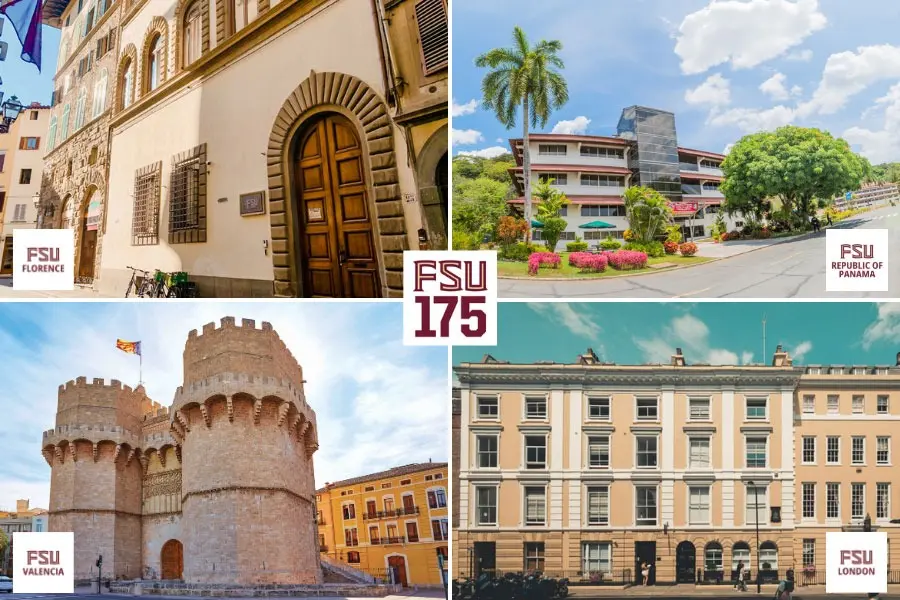
Central to this success are FSU’s signature First Year Abroad (FYA) and First Semester Abroad (FSA) pathways, which celebrated nearly 3,000 program alumni during their 20th-anniversary milestone in the fall of 2025. These immersive programs invite incoming freshmen to begin their collegiate careers at permanent FSU study centers in Florence, London, Valencia, or the historic branch campus in Panama City, Republic of Panama.
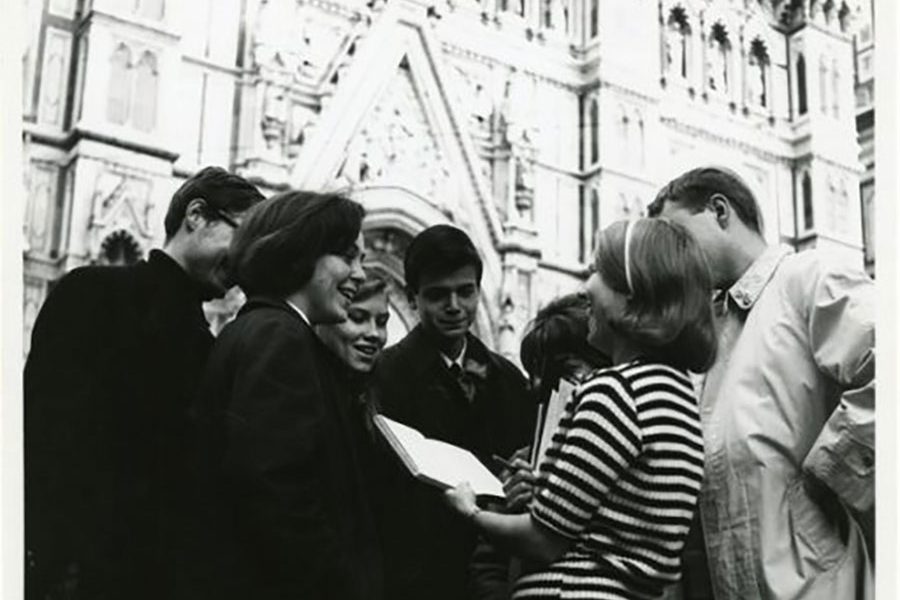
Far from being mere travel excursions, FSU’s international outposts represent permanent, bricks-and-mortar pillars of academic excellence, cultural integration, and historical preservation. From the mud-slicked streets of 1966 Florence to the centuries-old Moorish walls preserved within its Valencia center, FSU has consistently demonstrated a deep commitment to weaving its academic mission into the fabric of host communities across the globe.
Detailed Chronology: Milestones of FSU’s Global Network
The trajectory of Florida State University’s international footprint is a testament to visionary leadership, institutional resilience, and strategic adaptation. Below is a comprehensive chronological breakdown of how FSU established its premier global study centers and branch campuses.
1. FSU Panama Branch Campus (Est. 1957)
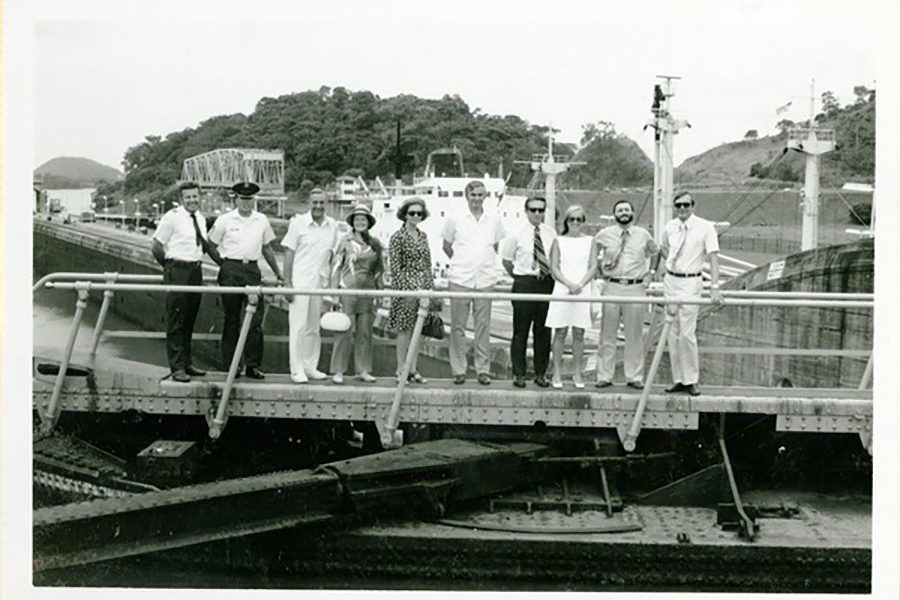
The Department of Defense Contract: FSU’s international journey commenced in 1957 under a contractual agreement with the U.S. Department of Defense. The objective was straightforward yet vital: provide accredited undergraduate education to military personnel and their families stationed within the Panama Canal Zone. Initial operations were housed at Fort Clayton before relocating to the Albrook Air Force Station in 1965.
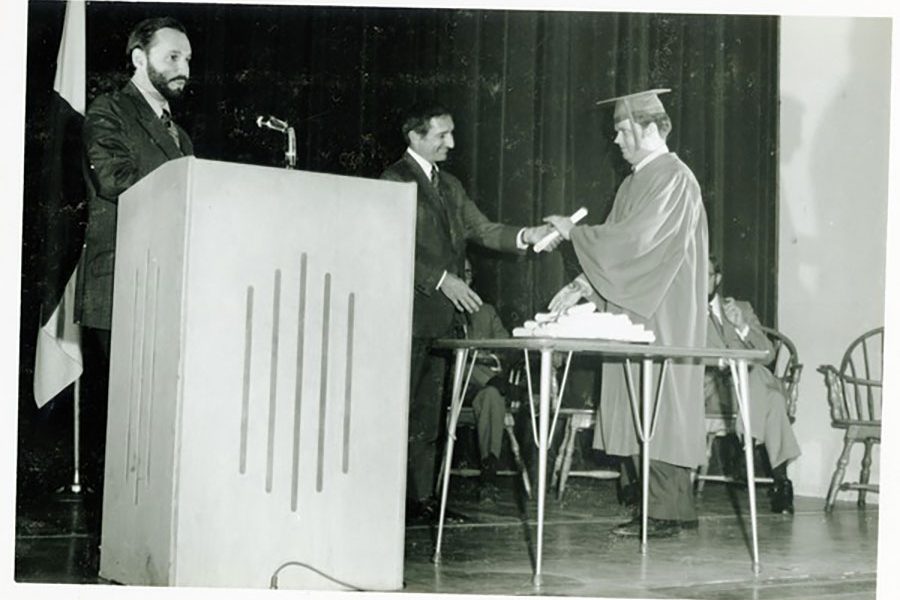
Autonomy and Degree-Granting Status: A major institutional leap occurred in 1967 when the Panama Canal Zone Branch transitioned into a fully degree-granting campus, offering specialized majors in English, international affairs, and the social sciences. Crucially, the campus opened its doors to non-U.S. citizens that same year, laying the groundwork for deep cultural integration between U.S. and Panamanian students.
Navigating Geopolitical Shifts: Following the signing of the Torrijos-Carter Treaties in 1977—which mandated the transfer of the Canal to Panama after 1999—FSU made the bold decision to maintain and expand its operations independently when the U.S. relinquished control on December 31, 1999.
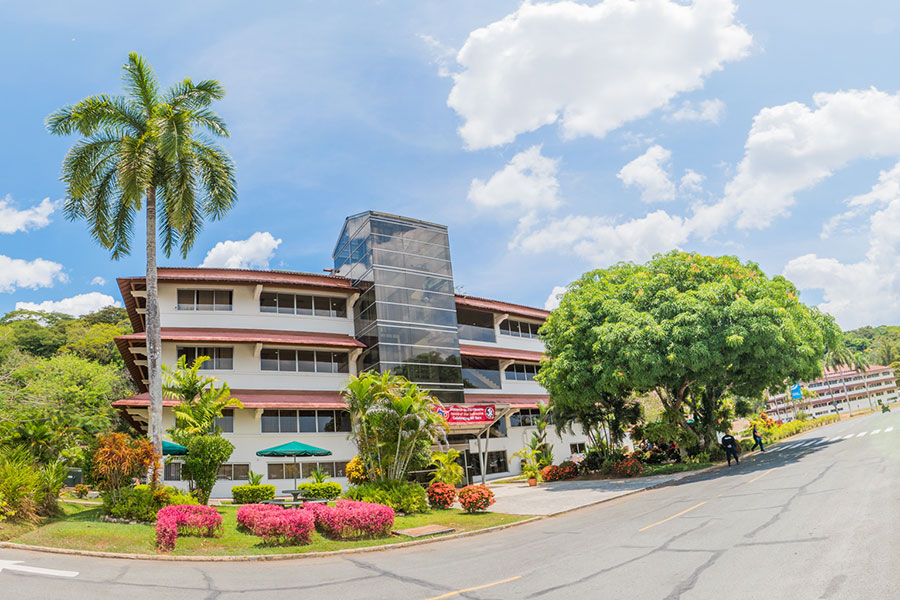
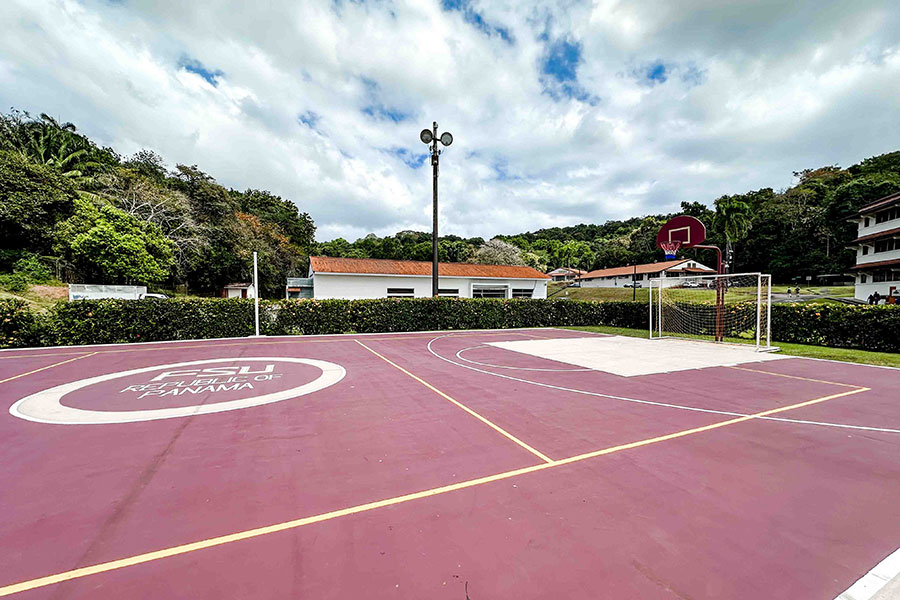
The “2+2” Program and the City of Knowledge: In 2001, FSU launched its innovative “2+2” scholarship initiative, permitting students from Latin America and Latin Caribbean nations to complete their foundational coursework in Panama before finishing their degrees in Tallahassee at in-state tuition rates. By 2009, as the former Fort Clayton military base transformed into the "City of Knowledge"—a premier Latin American hub for research, education, and innovation—FSU Panama relocated directly into this thriving ecosystem as a founding member. Today, the campus serves approximately 500 students representing more than 30 nations.
2. FSU Florence Study Center, Italy (Est. 1966)
Inception Amid the Circus: The conceptual seeds for FSU Florence were planted in 1964. While touring Europe with the famous FSU Flying High Circus, Dean of Students Roscoe "Ross" Oglesby visited the Ancient Roman Theater in Fiesole, just outside Florence, and envisioned a permanent Italian campus for Florida State. This dream materialized in 1966 when English professor Eugene Tanzy welcomed the first cohort of students and faculty to the Hotel Capri.
The "Mud Angels" Legacy: Just weeks after opening, catastrophe struck. In November 1966, the Arno River burst its banks, engulfing Florence in up to 22 feet of water and devastating its invaluable cultural heritage. Eschewing safety and urging evacuation, all 120 FSU students and faculty members courageously stayed behind. They spent weeks knee-deep in mud, rescuing priceless manuscripts and artworks, thereby earning the legendary moniker "Mud Angels."
Archaeological Triumphs at Cetamura del Chianti: In 1973, FSU initiated excavations at Cetamura del Chianti, an ancient site bearing Etruscan, Roman, and medieval layers. Formalized as a field school in 1978, the program evolved into a cornerstone of FSU’s archaeology curriculum. Decades of meticulous fieldwork culminated in 2023 with the grand opening of the Civic Museum at the Origins of Chianti, which houses artifacts unearthed by FSU researchers over half a century.
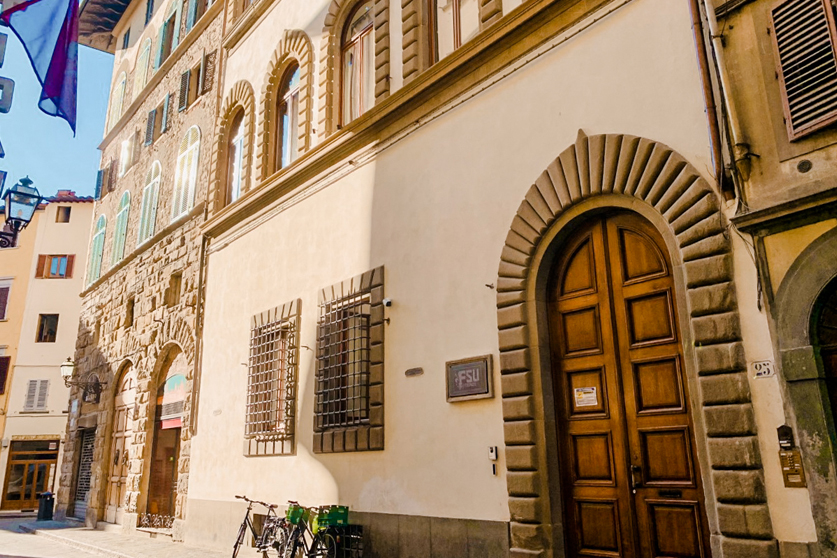
Permanent Homes and Modern Facilities: After occupying the Alessandri Palace starting in 1981, FSU Florence moved to its current permanent home in 2021: the 37,000-square-foot Palazzo Bagnesi Falconeri. This meticulously restored Renaissance palace now features advanced laboratories, modern classrooms, student lounges, a café, and a Tuscan kitchen, all situated a stone’s throw from the Ponte Vecchio and the Uffizi Gallery.
3. FSU London Study Centre, England (Est. 1971)
The Earl’s Court Beginnings: FSU’s British footprint was established in 1971 under the guidance of Geography Department Chair William Brueckheimer. The inaugural six-month program was based out of the Monarch Hotel in the Earl’s Court district.
Academic Maturation and Permanent Acquisition: Throughout the early 1980s, the program transitioned to the Queensbury Hotel in South Kensington and adopted a standard four-month semester model under its first permanent director, Professor Charles Wellborn. By integrating local British faculty alongside Tallahassee professors, FSU elevated the academic rigor of the center. To accommodate surging enrollment, FSU purchased a series of four 17th-century townhouses on Great Russell Street in the culturally rich Bloomsbury district in 1992.
Expansion and Theatre Academy London: Following subsequent property acquisitions and comprehensive modernizations in 1997, the London Study Centre coalesced into a unified academic and residential complex. In 2007, the university founded Theatre Academy London, offering aspiring performers the rare chance to train directly alongside top-tier professionals in one of the globe’s premier theatrical capitals.
4. FSU Valencia Study Center, Spain (Est. 1997)
From Madrid to the Mediterranean: FSU’s initial foray into Spain began in Madrid in the summer of 1997 under College of Music professor Robert L. Smith, later operating in Torremolinos during the academic year. However, a summer visit to Valencia in 1999 captivated program leadership, prompting a permanent relocation to the vibrant Mediterranean city by 2001.
The Garnet and Gold Buildings: In 2007, following extensive renovations, FSU inaugurated the Garnet Study Center behind the historic Torres de Serranos. Expanding further to meet high demand, a second building—the Gold FSU Valencia facility—opened its doors in 2014. These architectural gems uniquely blend centuries-old history with contemporary education: students attend classes in rooms featuring glass floors that expose 14th-century leather tanning tanks and study alongside preserved 10th-century Moorish walls. By its 25th anniversary in 2022, FSU Valencia had served roughly 15,000 students and faculty members.
Florida State University’s dominance in international education is not merely a byproduct of institutional longevity; it is underscored by verifiable data and robust structural support systems.
National Rankings: According to the prestigious Open Doors 2025 Report published by the Institute of International Education, FSU holds the No. 1 ranking among public universities and No. 4 overall nationwide for long-term study abroad participation. Furthermore, FSU ranks No. 10 among public institutions and No. 12 overall for total student mobility, with 2,702 learners participating in global programs during the 2023–2024 academic year.
First Year and First Semester Abroad Milestones: Marking its 20th anniversary in autumn 2025, the FYA and FSA pipelines have successfully matriculated nearly 3,000 program alumni. These pipelines grant incoming freshmen immediate access to international immersion before setting foot on the main Tallahassee campus.
Institutional Investment in Infrastructure: Unlike many academic institutions that rent transient classroom space abroad, FSU owns or maintains long-term leases on dedicated, high-capacity facilities. From the 37,000-square-foot Palazzo Bagnesi Falconeri in Florence to the interconnected Georgian townhouses in Bloomsbury, London, and the historic multi-building complexes in Valencia, FSU’s physical assets abroad total tens of millions of dollars in capital investment.
Global Diversity and Reach: FSU Panama educates approximately 500 students from more than 30 countries. Meanwhile, the Florence center engages over 600 students annually, and Valencia has impacted roughly 15,000 total participants since its inception.
Official Statements: Leadership Perspectives
The institutional philosophy driving FSU’s global initiatives is rooted in a forward-thinking, student-centric ethos. Louisa Blenman, executive director of FSU International Programs, encapsulated the university’s vision in a recent statement:
"FSU has a long history of looking beyond its borders and creating opportunities for students to experience the world firsthand. We look forward to continuing to provide traditional study abroad programs while also creating new opportunities for students and faculty to showcase the strengths of the university around the globe."
This sentiment is echoed by university leadership, including Provost Jim Clark and former presidents such as T.K. Wetherell, who have consistently prioritized capital investments in international study centers. Their collective vision ensures that FSU students are not isolated within state or national borders, but are instead challenged to become culturally agile critical thinkers capable of navigating complex geopolitical landscapes.
Future Outlook: The Next Horizon of Global Engagement
As Florida State University looks toward the future, its International Programs division shows no signs of slowing down. Building upon the resounding success of the Open Doors rankings and the flourishing milestones of the FYA and FSA programs, FSU is actively strategizing new frontiers for academic expansion.
The university aims to deepen its curriculum integration, ensuring that international study is seamlessly incorporated into every major degree track without delaying graduation timelines. Additionally, FSU is expanding faculty-led programs in over ten secondary global locations, extending specialized research opportunities—akin to the Cetamura del Chianti archaeological field school in Italy—into new geographic territories across Asia, Africa, and South America.
By blending historic preservation with cutting-edge academic methodologies, FSU ensures that its study centers remain living, breathing laboratories of global citizenship. As higher education faces an increasingly interconnected world, Florida State University’s proven model of permanent global infrastructure, rigorous academic standards, and accessible financial pathways establishes a gold standard for public research universities worldwide.



0 Comments