

Executive Overview
Nestled in the historic Sweet Auburn neighborhood just east of downtown Atlanta, a modest two-story Queen Anne-style home built in 1895 stands as a profound monument to American history. It was here, at 501 Auburn Avenue, that Michael King Jr.—later known to the world as the Reverend Dr. Martin Luther King Jr.—was born in 1929 and spent the foundational first 12 years of his life.
For decades, this domestic sanctuary has operated as a global pilgrimage site, drawing hundreds of thousands of visitors annually—ranging from international dignitaries and heads of state to everyday citizens seeking a deeper connection to the civil rights movement. However, historical preservation is not a static endeavor; it requires meticulous academic rigor, structural adaptation, and emotional authenticity to ensure that a physical space communicates the truth of the lives lived within its walls.
In July, following a comprehensive, high-stakes closure that began in 2023, the King birth home officially reopened to the public. The reopening coincided strategically with the broader national milestones leading toward the nation’s 250th anniversary. This multimillion-dollar restoration and reinterpretation effort was spearheaded by the National Park Service (NPS) in close partnership with academic and architectural experts. Among the chief contributors to this monumental undertaking is Dr. Kathleen Powers Conti, an assistant professor of history at Florida State University (FSU).
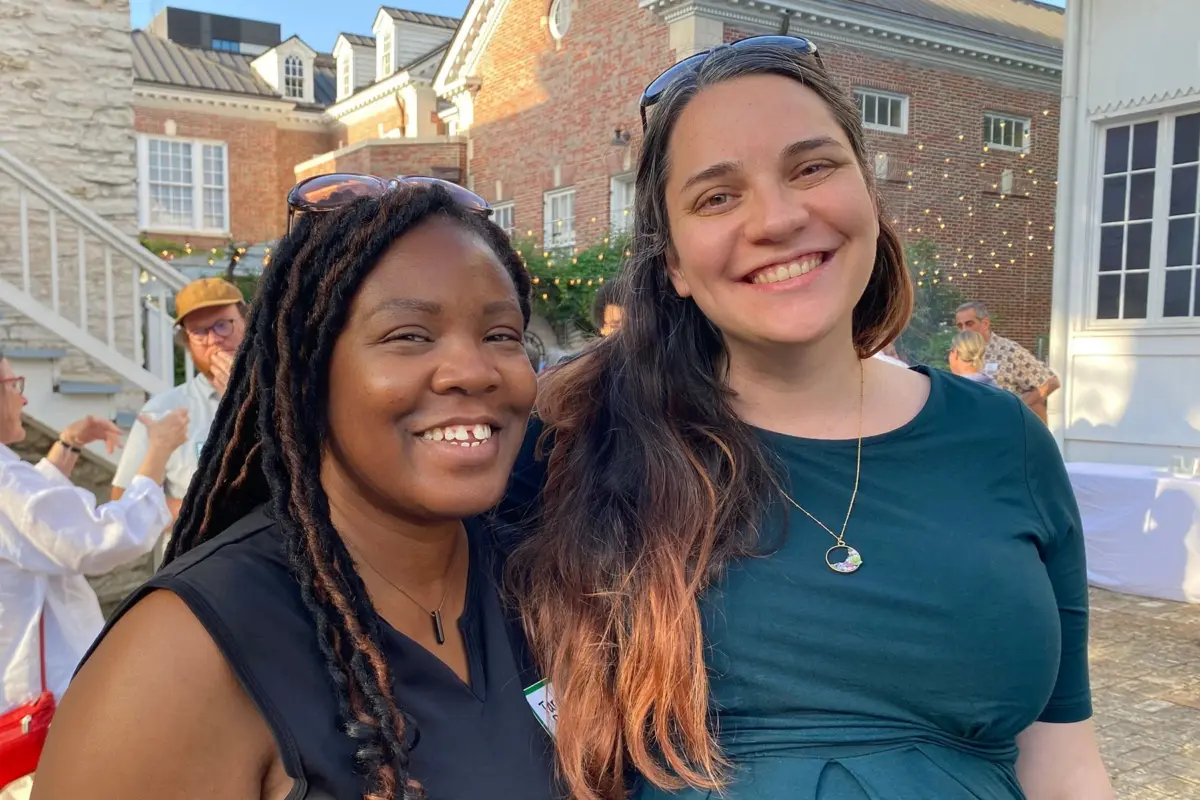
Working alongside architectural historian Dr. Tara Dudley of the University of Texas at Austin, Conti spent years conducting exhaustive archival research, oral history interviews, and material culture analyses. Their objective was transformative: to transition the home from a generalized memorial into a hyper-accurate, sensory-rich, immersive environment that reflects the exact texture of King’s early life. This article explores the investigative depths of the restoration project, the rigorous methodology employed by its academic contributors, and the broader implications of preserving the physical spaces that forged one of the twentieth century’s most defining moral leaders.
Detailed Chronology: From Concept to Reopening
The journey to reimagine Dr. King’s childhood home is a masterclass in modern public history, weaving together academic scholarship, federal oversight, and community collaboration.
Phase I: Groundwork and Collaboration (2019)
The project officially commenced in 2019 when Kathleen Powers Conti—a seasoned historic preservationist with a resume spanning over 100 public history projects across 45 states—was brought into the fold. Collaborating directly with National Park Service personnel, Conti began the arduous task of assessing the home’s structural and interpretive needs. This initial phase involved identifying critical maintenance requirements, updating Americans with Disabilities Act (ADA) accessibility features without compromising the historic fabric of the 19th-century structure, and designing an updated framework to deepen the visitor experience.
Concurrently, Conti forged a partnership with Dr. Tara Dudley, an assistant professor in the School of Architecture at UT Austin. Together, the two scholars embarked on extensive site visits, meticulously observing how thousands of visitors physically moved through and interacted with the limited domestic space. They generated a detailed historic inventory, capturing hundreds of high-resolution photographs of the home’s interior architecture, structural anomalies, and existing artifacts.
Phase II: Archival Deep Dive and Community Integration (2020–2022)
To build a historically bulletproof narrative, Conti and Dudley expanded their methodology far beyond visual observation. They immersed themselves in archival repositories, combed through historical documents, and—crucially—conducted recorded oral history interviews with members of the King family, as well as aging community members who had lived alongside the King family in Sweet Auburn during the 1930s.
Furthermore, the academic team coordinated closely with The King Center—the renowned nonprofit community institution established by Coretta Scott King in 1968. This multi-institutional collaboration ensured that the restoration was not merely an academic exercise, but a culturally resonant homage validated by those who carry the direct lineage and institutional memory of Dr. King.
Phase III: The Closure and Physical Transformation (2023–2024)
By 2023, the wear and tear of welcoming millions of visitors over decades necessitated a full, temporary closure of the birth home. During this period, construction crews, preservationists, and curators executed the physical transformation of the property.
Using the empirical data, photographs, and archival blueprints compiled by Conti and Dudley, the NPS executed sweeping updates to the home’s interior presentation. Every element—from the exact placement of living room furniture to the selection of period-appropriate wallpaper, floorboards, fabrics, and toys—was scrutinized against primary sources from 1929 to 1941.
Phase IV: The Grand Reopening (July 2024)
The home officially reopened to the public in July 2024, perfectly timed to anchor Atlanta’s contributions to the United States’ upcoming 250th anniversary celebrations. The newly reinterpreted home presents a vibrant, lived-in atmosphere that challenges the sterilized, museum-case aesthetic typical of historic house-museums, offering instead an intimate window into the domestic origins of a civil rights icon.
Supporting Context & Metrics: The Sweet Auburn Historic District
To understand the weight of the King birth home restoration, one must examine the broader ecosystem of the Martin Luther King Jr. National Historical Park. Situated in the heart of Atlanta’s legendary Sweet Auburn district—once described by civil rights pioneer John Wesley Dobbs as "Negro Wall Street"—the park spans a multi-block campus that encapsulates the social, economic, and spiritual infrastructure of Black Atlanta during the Jim Crow era.
Key Metrics and Park Scope:
- Annual Foot Traffic: An estimated 700,000 to 1 million visitors from every corner of the globe tour the park annually.
- Architectural Footprint: The National Historical Park encompasses 35 historic structures, anchored by:
- The Martin Luther King Jr. Birth Home (501 Auburn Avenue)
- The Historic Ebenezer Baptist Church (where both King Sr. and King Jr. preached)
- Fire Station No. 6 (where a young King and his neighborhood friends socialized with firefighters during an era of rigid racial segregation)
- The King Center and Dr. King’s crypt
- Geographic Reach: The Sweet Auburn Historic District covers approximately a square mile, serving as a living testament to African American enterprise, religious life, and political organizing.
Shifting the Paradigm: Sensory and Material Accuracy
What sets the recent restoration apart is its commitment to "sensory and material accuracy." For decades, historical preservation focused heavily on visual preservation—ensuring an object looked right from behind a velvet rope. Conti and Dudley pushed the National Park Service toward an immersive paradigm.
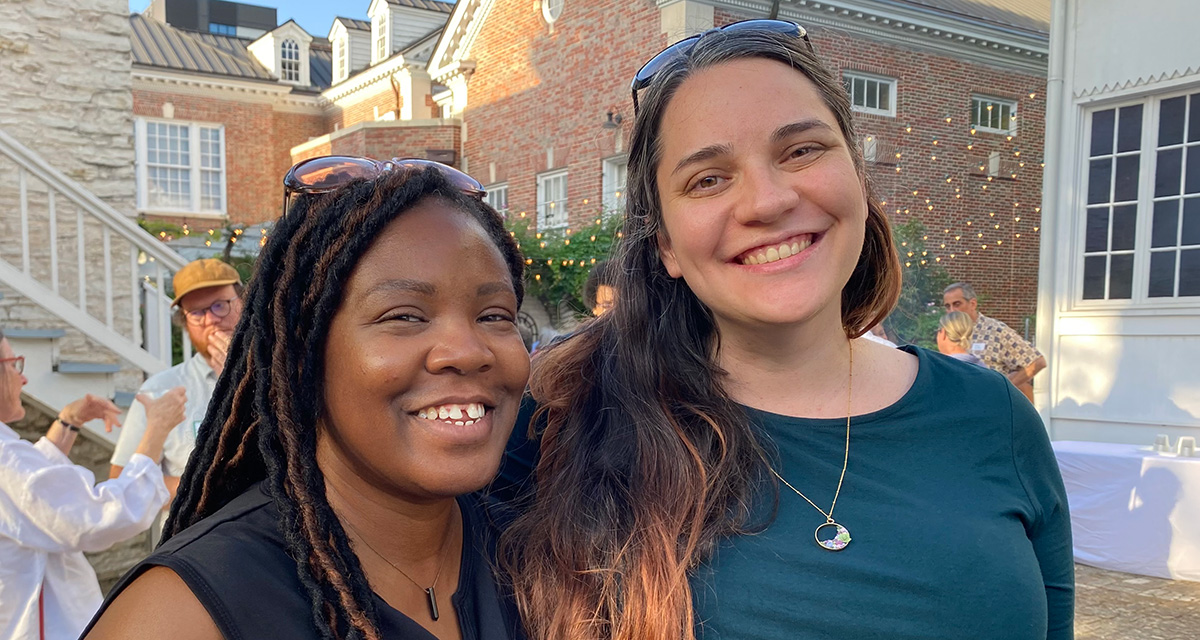
"We wanted to make the space an immersive experience," Conti explained. "We considered what the home would smell like if the family was cooking Sunday dinner or what music they would’ve listened to. We also recommended how to source specific types of period-appropriate materials like flooring, fabrics for tablecloths, curtains, bedding and items like board games and books to ensure visitors have a sense of place and identity."
By investigating the domestic economy of the King household—analyzing what kind of dishes they ate off, the books young Martin read, and the textiles that lined their parlor—the historians transformed a symbol into a lived reality. This approach deconstructs the myth of the one-dimensional activist, reminding contemporary audiences that Dr. King was first a child, a son, a brother, and a neighbor shaped by a specific, vibrant community.
Official Statements and Academic Perspectives
The implications of this restoration project extend far beyond the borders of Georgia, deeply impacting academic institutions like Florida State University and the University of Texas at Austin.
Dr. Jennifer Koslow, chair of the FSU Department of History, emphasized the critical link between high-level academic research and public education:
"FSU’s Department of History makes research accessible for many audiences. Conti’s participation in this project enhances her ability to teach our students how to collect, preserve and interpret history with and for the public. When audiences visit a historic site and read an informative label, they’re often unaware of the depth of research it takes to produce a 50-word explanation. Conti’s work offers students a model for learning best practices in museum studies and recording public history."
The project serves as a living laboratory for university students, proving that historical research is not confined to dusty library carrels or peer-reviewed journals, but directly shapes public memory and national identity.
Reflecting on the emotional and historical weight of the undertaking, Dr. Kathleen Powers Conti shared her perspective on the project’s broader significance:
"This home is a pilgrimage site for thousands of people, including global dignitaries, presidents and everyday citizens. It was a phenomenal project, and I’m grateful for the opportunity to ensure these sites fully honor Dr. King’s legacy and his historical importance."
Furthermore, Conti noted that her team’s recommendations extended beyond the birth home itself, encompassing the adjacent Ebenezer Baptist Church and Fire Station No. 6. Dr. King maintained a lifelong relationship with Ebenezer, serving as co-pastor alongside his father, Martin Luther King Sr., until his tragic assassination in 1968.
"Dr. King is not a one-dimensional activist," Conti remarked. "He’s a human who had a childhood, and places like the fire station and church helped shape him, from playing at the station with his friends to growing up in the church. This work can change how people understand and experience American history, and we’re not just preserving these sites so future generations can experience and understand their important legacies."
Future Outlook: The Next Generation of Public History
As the Martin Luther King Jr. National Historical Park welcomes its post-restoration wave of visitors, the success of the Sweet Auburn project establishes a new benchmark for historic preservation across the United States.
The methodologies pioneered by Conti and Dudley—integrating rigorous archival excavation, material culture tracking, multi-generational oral histories, and sensory immersion—offer a replicable blueprint for museums and national parks nationwide. In an era where historical education is frequently contested, projects like the restoration of 501 Auburn Avenue ground abstract ideals in concrete reality. They force visitors to confront the human dimensions of historical greatness.
For FSU’s Department of History and similar academic incubators, the legacy of this project will resonate through the curriculum for years to come. Students trained in these methodologies enter the workforce equipped to translate complex archival data into compelling, accessible public narratives.
Ultimately, the freshly interpreted rooms of the King childhood home do more than display antiques or recreate a 1930s interior. They whisper of a Sunday dinner shared, the sound of laughter in a Sweet Auburn parlor, and the quiet, formative moments of a young boy who would grow up to alter the moral trajectory of a nation. Through the meticulous scholarship of historians like Kathleen Powers Conti and Tara Dudley, that voice remains clearer, richer, and more vital than ever before.

0 Comments