

Executive Overview
For decades, modern society has sold a singular, romanticized vision of retirement: endless golden years defined by leisure, unstructured days, and the absolute absence of alarm clocks. Yet, for millions of retirees stepping away from the daily grind, reality unfolds quite differently. Within months of leaving the workforce, calendars miraculously fill to the brim. Errands, household management, yard work, social club meetings, volunteer committees, and a steady stream of media consumption rush in to fill the vacuum left by a forty-hour workweek.
On the surface, many retirees appear busier than ever. They marvel at how they ever managed to hold down a job while simultaneously keeping up with domestic life. Initially, staying busy acts as a vital psychological defense mechanism against the paralyzing dread of boredom. However, as the novelty of retirement wears off and retirees settle into their new normal, a subtle and pervasive discontentment often takes root. Beneath the flurry of activity, a quiet realization surfaces: Is this all there is?
This investigative and psychological inquiry explores the profound paradox of the modern retirement lifestyle. While busyness provides motion, it rarely provides meaning. True fulfillment—the elusive element that makes life feel complete, resonant, and deeply satisfying—requires a fundamental re-evaluation of how we spend our time. Stripping away decades of professional conditioning reveals that retirement is not merely a cessation of labor, but a rare, unprecedented opportunity to curate a life driven by personal passion rather than external obligation.

Detailed Chronology: The Evolution of the Retirement Transition
To understand why so many retirees find themselves caught in the trap of "toxic busyness," we must examine the chronological phases of the retirement lifecycle.
Phase 1: The Honeymoon Period (Months 1–6)
The transition begins with a profound sense of relief. Stripped of deadlines, performance reviews, commutes, and corporate politics, the newly retired individual experiences a euphoric surge of autonomy. This phase is characterized by indulgence: sleeping in, tackling long-neglected home improvement projects, taking spontaneous trips, and simply basking in the absence of responsibility.
Phase 2: The Proliferation of Busywork (Months 6–18)
As the novelty of pure leisure fades, human nature asserts itself. Nature abhors a vacuum, and psychological conditioning abhors total inactivity. Conditioned by decades of societal productivity metrics, retirees unconsciously begin to manufacture a new "job." The calendar expands. Routine errands that once took an hour now stretch across an entire morning. Social calendars fill with coffee dates, club meetings, and familial obligations. The individual is as busy as ever—often busier than during their working years—but the tasks lack systemic gravity.

Phase 3: The Discontentment Creep (Months 18–36)
Eventually, the gloss wears off the daily routine. The retiree realizes that a calendar packed with grocery runs, television binges, and civic committee meetings does not equate to a deep sense of purpose. A quiet restlessness sets in. The individual begins to question whether decades of hard work were merely a prelude to a life spent shuffling trivial tasks from one side of the day to the other. This is the critical inflection point: the collision between being busy and being fulfilled.
Supporting Context & Metrics: The Psychology of Purpose
The struggle for post-career fulfillment is not merely an anecdotal observation; it is a well-documented psychological phenomenon backed by extensive research into aging, identity, and life satisfaction.
The Myth of Constant Pleasure
Human beings are biologically and psychologically wired for growth, challenge, and contribution. While leisure and relaxation are vital components of mental health, absolute, unmitigated pleasure quickly loses its potency. Psychologists refer to this as the "hedonic adaptation"—the tendency of humans to quickly return to a relatively stable level of happiness despite major positive or negative events or life changes.

Constant pleasure becomes mundane. What humans crave—and what generates genuine long-term psychological well-being—is purpose. Pleasure is ephemeral and fun; fulfillment is enduring and rewarding. The most successful retirees do not choose between the two; they seek out activities that seamlessly blend enjoyment with a deep sense of personal reward.
Shedding Decades of Professional Conditioning
For forty years or more, most adults define their self-worth through external validation: income earned, projects completed, products sold, or services rendered. Society reinforces the notion that a person’s value is directly tied to their economic productivity.
When a person retires, this framework shatters. Disconnecting personal identity from economic output is one of the most difficult psychological hurdles a retiree will face. Many retirees fall into the trap of believing that every hour of their day must be "productive" in the traditional sense. Breaking free from this mindset requires recognizing that post-retirement activities do not need to yield a profit, solve a societal crisis, or meet anyone else’s approval. The sole metric of success in retirement is personal happiness and authenticity.

Defining Fulfillment in the Post-Career Era
If fulfillment is the ultimate objective of a successful retirement, how is it defined?
The defining characteristic of fulfillment is its deeply subjective nature. There is no universal template. To one individual, fulfillment is found in the quiet solitude of the canvas, capturing light and shadow through oil painting. To another, it is found in the intellectual rigor of learning a new language, the physical exertion of scaling a mountain trail, or the quiet, profound joy of reading a classic novel on a rainy afternoon.
Fulfillment sources can be broadly categorized into internal and external expressions:

- Creative Expression: Channeling inner thoughts and emotions through writing, public speaking, visual arts, or musical performance.
- Altruism and Connection: Investing time in mentoring youth, volunteering for community institutions, supporting animal shelters, or deepening bonds with family and lifelong friends.
- Exploration and Discovery: Traveling to unfamiliar cultures, exploring local history, or immersing oneself in the natural world through gardening, hiking, and observation.
- Intellectual Stimulation: Enrolling in continuing education courses, mastering complex hobbies, or engaging in philosophical discourse.
Crucially, none of these pursuits require validation, economic compensation, or adherence to corporate metrics. They are performed purely because they make the individual feel alive, centered, and "in the zone."
Future Outlook: Curating Your Life on Your Own Terms
Transforming retirement from a state of mere busyness into an era of profound fulfillment requires intentionality. It demands that individuals step off the treadmill of unconscious habits and systematically audit how they allocate their most precious remaining resource: time.
The "Start, Stop, Keep" Audit
Retirement experts recommend a simple yet powerful exercise for individuals feeling the pinch of unfulfilling busyness. Find a quiet, distraction-free space and construct three distinct lists:

- Stop Doing: Identify the routine tasks, obligations, social commitments, and mindless habits that drain your energy without adding genuine value or joy to your life. Release the burden of what you should do in favor of what you actually want to do.
- Keep Doing: Acknowledge the existing habits, routines, and relationships that genuinely enrich your days, keeping them firmly anchored in your weekly schedule.
- Start Doing: Reconnect with dormant passions, childhood curiosities, or lifelong dreams that were sidelined during your working years. What activities made you lose track of time decades ago? Integrate those elements back into your life.
The Ultimate Paradigm Shift
Retirement is the single longest block of autonomous time most human beings will ever receive. It is an unwritten canvas. Moving past the trap of superficial busyness requires shedding the residual pressure to constantly produce, achieve, and check boxes.
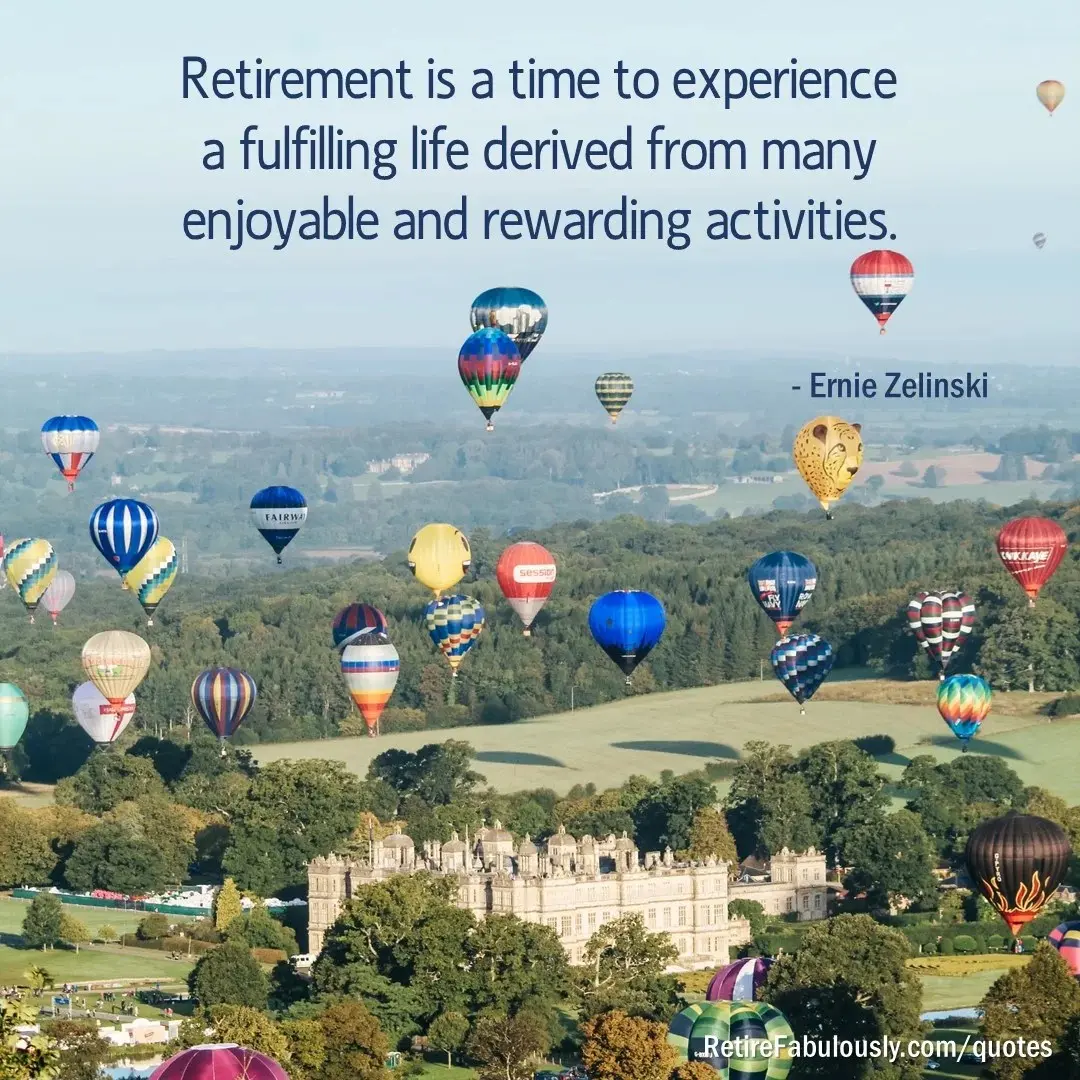
By deliberately designing a lifestyle that balances restful leisure with deeply meaningful pursuits, retirees can unlock the true promise of their golden years. The ultimate question for every retiree is no longer “What do I have to do today?” but rather, “What makes my heart sing, and how will I choose to live my life on my own terms?”

0 Comments