

Executive Overview
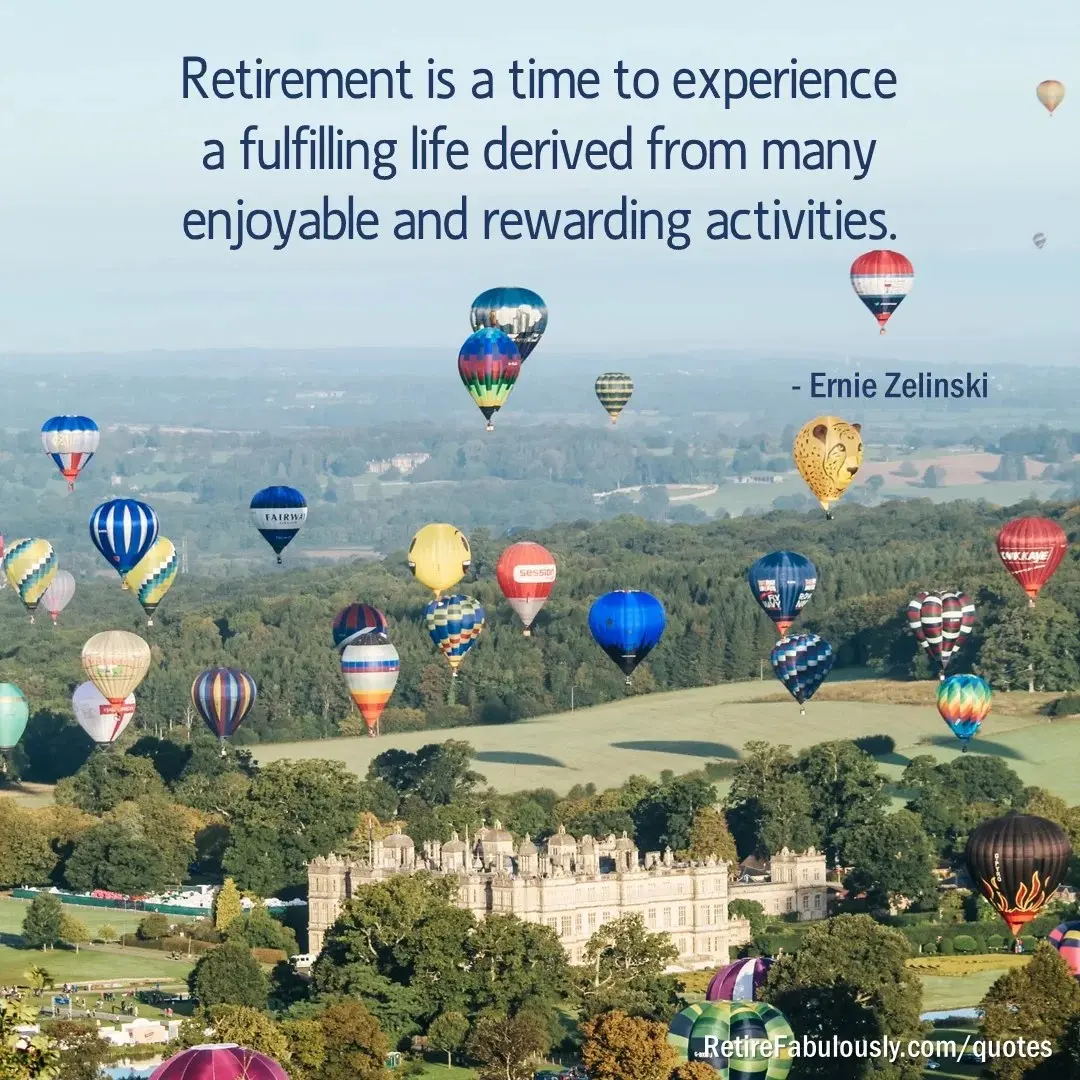
For generations, the cultural narrative surrounding retirement has painted a picture of absolute leisure: endless mornings of unhurried coffee, sunlit afternoons on golf courses, and an open-ended escape from the relentless demands of the corporate world. Yet, for millions of modern retirees, stepping away from the daily grind does not lead to quiet contemplation. Instead, it ushers in a startling paradox: they have never been busier.
Calendars once dominated by boardroom meetings, project deadlines, and client calls are rapidly backfilled with an entirely new set of obligations. Errands, home maintenance, civic club meetings, yard work, childcare duties, and digital entertainment quickly rush in to consume every available hour. To the outside observer—and often to the retirees themselves—this frantic pace feels productive. After all, staying active is universally praised as the key to aging well.
However, after a year or two of navigating this bustling new routine, a subtle, creeping discontent often settles in. Beneath the flurry of activity, a lingering question begins to surface: Is this all there is?
While retirees are undeniably busy, many discover that busyness is not synonymous with happiness. They are checking items off an endless daily checklist, but they are starving for something far more elusive and essential: fulfillment.

This investigative feature examines the modern retirement paradox, exploring why packing our schedules fails to substitute for true purpose. We examine the psychological shift required to transition from a life driven by productivity to one anchored in personal meaning, offering actionable frameworks to help retirees curate a genuinely rewarding post-career life.
Detailed Chronology: The Evolution of the Retirement Transition
To understand how retirees move from the euphoria of freedom to the quiet disillusionment of empty busyness, it is vital to examine the psychological timeline of the retirement transition. Experts generally break this journey down into distinct chronological phases.
Phase 1: The "Honeymoon" Period (Months 1–6)
The initial departure from the workforce is almost universally characterized by relief and celebration. Stripped of alarm clocks, quarterly reviews, and commute-hour traffic, new retirees revel in unallocated time. This phase is marked by a deep sense of liberation. Travel plans are executed, long-neglected hobbies are dusted off, and sleep schedules normalize. During this window, simply not working feels like a full-time job of recovery and exploration.
Phase 2: The "Busyness Trap" (Months 6–18)
As the novelty of pure leisure begins to wear thin, human nature takes over. Nature abhors a vacuum, and time management experts note that unallocated hours are quickly colonized by deferred chores and low-level administrative tasks. Suddenly, the retiree’s schedule is packed once again. House renovations are scheduled, volunteer boards are joined, grocery shopping is spread across multiple specialty stores, and social calendars swell.

During this phase, retirees often boast to their peers about being "as busy as ever." This busyness provides a comforting illusion of continued productivity, masking the loss of a structured professional identity.
Phase 3: The "Discontent Realization" (Months 18–36)
By the end of the second year, the dust settles. The house is pristine, the garden is immaculate, and the local volunteer shifts are firmly locked into a weekly routine. Yet, a quiet malaise creeps in. The retiree realizes that while their days are full, their spirit is not necessarily nourished.
The activities filling the calendar are often obligatory, reactive, or merely time-killing mechanisms rather than deeply resonant pursuits. This is the critical juncture where the realization strikes: being perpetually busy is merely a substitute for a job, and ticking off domestic errands does not fulfill the human need for deep-seated purpose.
Supporting Context & Metrics: The Psychology of Purpose vs. Pleasure
The friction between activity and contentment is well-documented in behavioral psychology and gerontology. For decades, societal messaging has treated retirement purely as a financial destination—a target savings number required to fund a permanent vacation. However, financial readiness does not guarantee emotional resilience.

The Myth of Constant Pleasure
Human evolutionary biology is not engineered to thrive on unending ease. Throughout our lives, our sense of self-worth, resilience, and vitality has been tied to overcoming challenges, solving problems, and contributing value to a broader community.
When workers retire, they often make the mistake of trading purposeful stress for passive pleasure. While pleasure—such as watching a film, lounging at the beach, or dining out—is enjoyable in moderation, it fails to generate the deep psychological rewards associated with achievement and mastery.
- Pleasure is fleeting: It stimulates the brain’s short-term reward pathways (dopamine hits associated with immediate gratification).
- Fulfillment is enduring: It is tied to long-term meaning, personal growth, and authentic self-expression.
The Decades-Long Conditioning of Productivity
For 35 to 45 years, most adults are conditioned to equate their human worth with their economic output. Annual performance reviews, promotions, titles, and paychecks serve as external scorecards.
When an individual retires, that external scorecard vanishes overnight. Without conscious intervention, retirees often attempt to recreate this scorecard through domestic management. They treat home repairs, lawn care, and social networking with the same rigorous, deadline-driven mentality they once applied to their careers. They feel guilty if they sit idle, believing they must be productive every minute of the day.

Breaking this cycle requires a radical mindset shift: recognizing that retirement is not a phase for continued labor or duty, but an unprecedented opportunity for authentic self-determination.
Defining Fulfillment: What Makes Your Heart Sing?
Fulfillment is notoriously difficult to quantify because it is radically subjective. What brings profound joy and a sense of completeness to one person may leave another cold.
Rather than looking to external benchmarks or societal expectations of what a "good retiree" should do, individuals must ask themselves a fundamental question: What makes my heart sing?
Fulfillment typically manifests across several diverse pillars:

- Creative Expression: Channeling inner thoughts and emotions through painting, writing, playing a musical instrument, or crafting.
- Altruistic Contribution: Giving back not out of obligation, but out of genuine passion—mentoring youth, volunteering at an animal shelter, or preserving local history.
- Intellectual Curiosity: Engaging in lifelong learning simply for the joy of discovery, whether that means mastering a new language, taking university courses, or studying history.
- Kinesthetic Engagement: Connecting with the physical world through hiking, gardening, cycling, or exploring uncharted geographies.
- Deep Social Connection: Cultivating intimate, unhurried relationships with friends, family, and community members who share mutual values.
Crucially, none of these pursuits require a financial paycheck, a performance review, or an employer’s validation. For the first time in their adult lives, retirees have the sovereign right to engage in activities purely for the intrinsic joy they provide.
Strategic Framework: The "Start Doing, Stop Doing, Keep Doing" Audit
If you find yourself caught in the modern retirement trap—exhausted by endless busywork yet unfulfilled—it is time to hit the pause button. Reclaiming your retirement requires a deliberate, structured audit of how you spend your most precious non-renewable resource: time.
Financial planners and life coaches recommend conducting a reflective audit using a simple three-column exercise.
Step 1: Create Space and Silence
Find an environment free from digital distractions, phone notifications, and family interruptions. Sit down with a blank notepad and divide it into three distinct categories:

- Start Doing
- Stop Doing
- Keep Doing
Step 2: Evaluate Your Current Routine
Review your typical weekly schedule. Examine every recurring commitment, appointment, chore, and leisure activity. Ask yourself a rigorous question for each item: Does this bring genuine value, joy, and vitality to my life, or am I doing it merely out of habit, guilt, or social obligation?
- Stop Doing: Place activities here that drain your energy, feel like burdensome chores, or are driven by old work-related habits of forced productivity. If you are volunteering for an organization out of mere politeness rather than passion, it belongs in this column.
- Keep Doing: Retain the routines, relationships, and hobbies that consistently make you feel alive, grounded, and content.
- Start Doing: Reflect on your core values, forgotten childhood dreams, and past peak experiences. What activities brought you deep joy years ago that you pushed aside for your career? Introduce these neglected passions into this column.
Step 3: Shift from "Should" to "Want"
For decades, decisions were dictated by what you should do to meet professional and family responsibilities. Retirement is your absolute window to pivot toward what you want to do.
Future Outlook: Designing Your Dream Retirement
The transition from a career-driven life to a self-curated existence is arguably the most psychologically demanding phase of the human life cycle. It requires dismantling an identity built over a lifetime and constructing a new one based entirely on internal fulfillment rather than external achievement.
As life expectancies rise and active retirement spans multiple decades, society must shift its perspective. Retirement is no longer merely an ending or a prolonged vacation; it is a vital, creative chapter of life with its own unique developmental milestones.

Navigating this chapter successfully means rejecting the false comfort of frantic busyness. It requires the courage to slow down, examine the contents of our daily lives, and discard the exhausting expectation that we must always be "productive" to matter.
By intentionally curating our time, prioritizing deep fulfillment over superficial entertainment, and designing a life aligned with our truest values, we unlock the greatest gift retirement has to offer: the freedom to live life completely on our own terms.
The calendar is blank. The choice is yours. What will you start doing today?

0 Comments