


EXECUTIVE OVERVIEW
Every autumn, a massive demographic tide shifts across North America. More than one million retirees and flexible remote workers pack up their belongings, lock their northern homes, and head south. Bound for the sun-drenched expanses of Florida, Arizona, Texas, and other Sunbelt havens, these seasonal migrants—affectionately and colloquially known as "snowbirds"—are in pursuit of a lifestyle promising the best of both worlds. They seek to preserve lifelong ties with family, friends, and familiar community roots while evading the physical toll, biting cold, and psychological isolation of harsh northern winters.
For older adults, this annual migration is far more than a recreational retreat; it is often a health-preserving necessity. As the human body ages, the hazards of winter multiply exponentially. Shoveling heavy, wet snow places an immense strain on the cardiovascular system, while a single slip on an icy patch can result in catastrophic, life-altering injuries. Furthermore, freed from the daily obligations of a 9-to-5 career, retirees increasingly view their golden years as an opportunity to prioritize wellness. Swapping thermal wear for golf shirts, tennis racquets, and walking shoes allows for a physically active lifestyle that might otherwise be impossible trapped indoors for months on end.
However, beneath the idyllic imagery of swaying palm trees, pristine golf courses, and poolside relaxation lies a labyrinthine logistical challenge. Transitioning into a snowbird is not merely an extended vacation. It is a complex exercise in dual-residency management that requires meticulous planning across multiple vectors—including real estate, taxation, postal logistics, utility management, home maintenance, pet care, and continuity of medical coverage. For those considering joining this migratory wave, a thorough understanding of the hidden costs, regulatory hurdles, and practical inconveniences is essential to ensure that the pursuit of a sun-soaked utopia does not turn into a bureaucratic nightmare.
Detailed Chronology: The Snowbird Lifecycle and Planning Timeline
A successful seasonal migration cannot be improvised at the onset of the first autumn frost. It requires a structured, multi-month timeline that begins nearly a year before the migration takes place.
Phase 1: Exploration and Trial Rentals (January – March of the Prior Year)
Industry experts and seasoned snowbirds universally agree on one golden rule of seasonal migration: never purchase a second home without testing the waters first.
- The Rental Phase: Prospective snowbirds should spend at least one full season renting in a target region. Better yet, experienced migrants recommend trying out completely different states or micro-climates over consecutive years. A coastal Florida town offers a vastly different humidity level, culture, and social atmosphere compared to the arid desert landscape of Scottsdale or the master-planned active adult communities of Central Florida, such as The Villages.
- Securing Accommodations: Because demand for winter rentals in prime Sunbelt locations is exceptionally high, the search must begin early. Many seasoned travelers lock in their winter rentals as early as January or February—nearly ten full months before arrival. Platforms like VRBO and Airbnb, alongside local community bulletin boards and specialized real estate agents, are vital resources for securing leases of three months or longer.
Phase 2: Logistics and Financial Auditing (April – July)
Once a target location is established, the spring and summer months should be dedicated to auditing the logistical and financial implications of dual residency.
- Tax and Residency Review: Snowbirds must assess their state tax obligations. Establishing residency in a low-tax or no-tax state like Florida or Texas involves strict guidelines, usually requiring a physical presence of at least 183 days per year. Failing to meet these rules can result in dual-state income tax liabilities.
- Healthcare Mapping: Seniors must evaluate their health insurance networks. Traditional Medicare offers nationwide coverage, but Medicare Advantage plans and private policies typically restrict coverage to specific local networks, leaving snowbirds vulnerable outside of emergency room visits. This period is the time to coordinate medical record transfers and arrange prescription refill strategies.
Phase 3: Home Preparation and Infrastructure (August – October)
As autumn approaches, attention shifts to securing both the primary northern home and the southern winter residence.

- Utilities and Subscriptions: Homeowners must contact their utility providers to arrange seasonal "hibernation" options for cable, internet, and phone services to avoid paying for unused bandwidth. Newspaper deliveries should be canceled, and mail forwarding protocols must be established.
- Property Maintenance Contracts: Reliable contractors, lawn-care services, and trusted neighbors must be lined up. For those living in cold northern climates, this means scheduling plumbers to winterize pipes or arranging for a programmable thermostat to keep ambient heat at a safe baseline to prevent frozen, bursting pipes.
Phase 4: The Migration (November – December)
The final leg of the journey involves the physical transit of people, pets, and possessions. Whether driving a personal vehicle, towing a travel trailer, utilizing a car-shipping service, or flying south, travelers must execute their travel plans while double-checking insurance binders, emergency medical kits, and pet travel requirements.
Supporting Context & Metrics: Financial Realities and Logistical Realities
Transitioning to a snowbird lifestyle introduces a distinct economic footprint. The financial architecture of maintaining two dwellings—or funding an extended mobile lifestyle—requires precise budgeting.
1. The Cost of Real Estate and Accommodations
Snowbirds generally choose among four distinct housing models, each carrying its own cost-benefit profile:
- Traditional Second Homes & Condos: Purchasing a second property involves closing costs, furnishing expenses (buying duplicate sets of appliances, kitchenware, and furniture), and steep property taxes. Furthermore, homeowner’s insurance rates for properties left vacant for extended periods can be exorbitant, and policies often require regular physical inspections by a designated caretaker.
- Seasonal Rentals: Renting offers flexibility, allowing travelers to experience new neighborhoods annually. However, soaring rental rates in popular Sunbelt markets mean that competition is fierce, and prices continue to climb year-over-year.
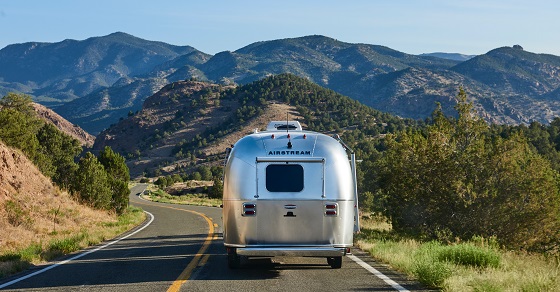
- Recreational Vehicles (RVs) and Park Models: For those who prefer the open road, RVs—ranging from high-end touring coaches costing half a million dollars to modest travel trailers—offer the ultimate mobility. Pets, personal belongings, and creature comforts travel directly with the owner. However, RV owners must budget for campground fees, towing infrastructure (such as a secondary flat-towed vehicle for local errands since driving a massive RV to the grocery store is impractical), and poor fuel economy.
2. The Tax Burden
Dual residency invites complex scrutiny from state tax authorities. Beyond paying property taxes on multiple parcels of real estate, snowbirds risk triggering residency audits. States track days spent within their borders using cell phone data, toll road passes, and credit card receipts. If a retiree spends too much time in their northern home while claiming a southern domicile for tax purposes, they can face retroactive tax assessments, penalties, and interest charges.

3. Mail and Communication Logistics
In an era dominated by digital communication, traditional mail remains a surprisingly stubborn hurdle. While bills can be auto-paid and correspondence digitized, critical physical documents—such as certain official tax notices, original vehicle titles, or specialized packages—still require a mailing address.
- USPS forwarding has limitations, as it often fails with temporary or commercial mail-forwarding services.
- Many RV parks refuse to accept mail for short-term visitors, necessitating the use of post office "General Delivery" services or private mailbox providers (such as UPS Stores or specialized mail-forwarding services in domicile-friendly states like South Dakota, Texas, or Florida).
4. Pet Care and Mobility
Pets are cherished family members, and many snowbirds bring their dogs and cats along for the journey. However, pet ownership can severely restrict rental availability, as many landlords enforce strict no-pet policies or weight limits. For exotic pets—such as birds, reptiles, or fish—owners must secure reliable foster care or arrange for local pet-sitters to make daily home visits.
Expert Insights and Official Considerations
Navigating the transition successfully often requires leaning on authoritative resources and expert guidance. Industry specialists emphasize that proactive planning is the single greatest determinant of a stress-free migration.
Dave Hughes, author of The Quest for Retirement Utopia, underscores the importance of a realistic evaluative process when choosing a winter destination. According to Hughes, prospective snowbirds must thoroughly assess what environmental and social factors matter most to them before committing capital to real estate:

"The Quest for Retirement Utopia will help you find the retirement spot that’s right for you! It will suggest new possibilities for where and how you might retire, help you clarify what factors are most important, and evaluate each place realistically to dissuade you from making a poor choice."
Healthcare Continuity: A Critical Warning
Medical infrastructure is arguably the most critical variable for aging snowbirds. Healthcare policy experts issue persistent warnings regarding Medicare coverage fragmentation:
- Traditional Medicare: Offers broad coverage across the United States, allowing beneficiaries to see any doctor or specialist who accepts Medicare, regardless of geography. This makes traditional Medicare the gold standard for interstate travelers.
- Medicare Advantage (Part C) Plans: Generally tied to localized HMO or PPO networks. Enrolling in a Medicare Advantage plan in your home state typically means you will have zero non-emergency coverage while wintering out-of-state. Snowbirds relying on these private plans must purchase supplemental travel medical insurance or switch to a plan with nationwide network access.
- Prescription Refills: Managing three-month mail-order pharmacy shipments requires careful synchronization so that medications do not arrive at an empty northern address while the snowbird is three states away.
Future Outlook: The Evolution of the Snowbird Lifestyle
As demographic shifts accelerate with the aging of the Baby Boomer generation, the snowbird phenomenon is undergoing a profound structural evolution.
1. The Rise of the "Digital Snowbird"
Historically dominated by retirees, the modern snowbird demographic increasingly includes younger, remote-working professionals and semi-retirees in their 50s. Enabled by high-speed satellite internet (such as Starlink), flexible corporate remote-work policies, and co-working spaces proliferating across the Sunbelt, these younger migrants are blending winter escapes with active careers. This shift is altering the real estate market, driving demand for properties equipped with robust home-office infrastructure rather than just traditional retirement amenities.

2. Climate Change and Micro-Destination Shifts
Traditionally, Florida and Arizona commanded the vast majority of snowbird migration. However, rising winter temperatures, extreme heat events, and escalating homeowners’ insurance crises in coastal Florida are prompting a strategic reassessment. A growing segment of seasonal migrants is exploring "cool-weather" snowbirding (escaping deep southern summers for northern mountains) or diversifying into secondary Sunbelt markets across the Carolinas, Georgia, and the Texas Hill Country.
3. Smart Home Technology and Remote Monitoring
The logistical friction of managing two properties is rapidly diminishing thanks to the Internet of Things (IoT). Modern snowbirds increasingly rely on smart-home ecosystems—including remote-monitored smart thermostats, water shut-off valves that automatically trigger upon detecting a leak, high-definition security cameras, and smart locks. These technologies allow homeowners to monitor their northern properties in real time from a smartphone screen thousands of miles away, dramatically reducing the anxiety of vacant home ownership.
Conclusion
The snowbird lifestyle offers an enriching, health-affirming antidote to the bleakness of northern winters. Yet, beneath its sun-kissed surface lies a complex logistical undertaking. By approaching the transition with rigorous financial auditing, comprehensive healthcare mapping, and trial-period rentals, migrants can transform a potential logistical minefield into a seamless, sustainable, and truly fabulous seasonal adventure.

0 Comments