


Executive Overview
Every year, more than a million retirees pack up their belongings, leave behind the biting winds and treacherous ice of the northern United States and Canada, and head south. Bound for the sun-drenched landscapes of Florida, Arizona, and other Sunbelt havens, these seasonal migrants—affectionately and familiarly known as "snowbirds"—embrace what many consider the ultimate retirement luxury: the best of both worlds.
This lifestyle offers a compelling psychological and physical reprieve. It allows aging adults to maintain deep-rooted ties to family, lifelong friends, and familiar communities during the temperate months, while completely escaping the physical hazards and dreary isolation of winter. For older adults, trading snowstorms for swaying palm trees is not merely a matter of luxury; it is often a practical health decision. Frigid temperatures exacerbate joint pain, snow shoveling poses a severe cardiac and musculoskeletal risk, and icy sidewalks threaten catastrophic slips and falls. Furthermore, liberated from the rigid demands of the traditional workforce, retirees are increasingly asking: Why endure the cold when the rest of the country is playing golf, tennis, and walking outdoors in the sunshine?
However, transitioning into a dual-location lifestyle is far more complicated than simply embarking on an extended vacation. Beneath the allure of endless sunshine and leisure lies a complex web of logistical hurdles, financial considerations, and legal technicalities. From navigating dual-state tax liabilities and complex mail-forwarding systems to maintaining an empty northern home and managing restricted healthcare networks, successful snowbirding requires meticulous planning. This report provides an exhaustive, authoritative examination of the snowbird phenomenon, breaking down the financial commitments, regulatory traps, and operational strategies necessary to make seasonal migration a seamless reality.
Detailed Chronology: The Lifecycle of a Seasonal Migration
Transitioning from a single-home lifestyle to a dual-location existence does not happen overnight. It requires a disciplined, year-round operational timeline. To help prospective snowbirds navigate this major life change, experts recommend breaking the process down into a structured chronology.
Phase One: Strategic Exploration and Testing (January to March of the Prior Year)
Before purchasing real estate or locking into long-term leases, prospective snowbirds must test-drive their prospective destinations. Experts strongly advise renting for at least one full season before committing capital to a permanent second home.
- The Rental Trial Run: Spend three months living in the target community during its peak winter season. This allows retirees to evaluate traffic patterns, local demographics, humidity levels, social opportunities, and overall community culture.
- Exploring Multiple Regions: Do not settle on the first location visited. Test the humid, coastal lifestyle of Florida’s Gulf Coast against the dry, desert heat of Arizona’s Valley of the Sun. For those contemplating a future permanent relocation where their snowbird home eventually becomes their primary residence, this trial period is utterly indispensable.
Phase Two: Securing Accommodations and Logistics (April to July)
Demand for winter rentals in premier Sunbelt locations is exceptionally high, outstripping supply in many desirable active adult communities like The Villages or On Top of the World in Florida.

- Booking Early: Securing a long-term rental (three months or more) often requires locking in agreements as early as January or February of the preceding winter. Utilizing platforms like VRBO, Airbnb, local real estate boards, and community bulletin boards during this window is critical.
- Vehicle and Transport Planning: Retirees who choose to fly to their winter destination must decide how they will get around locally. Options include renting a car for the season, purchasing an inexpensive secondary vehicle to keep at the destination, or utilizing reputable car shipping services to transport their primary vehicle south.
Phase Three: Preparing the Homefront and Tying Up Loose Ends (August to October)
As autumn approaches, snowbirds must simultaneously prepare their primary northern residence for an extended vacancy and ready their possessions for transport.
- Home Winterization: In regions experiencing hard freezes, homeowners must decide whether to keep the heating system running at a reduced temperature (typically 50°F to 55°F) to prevent pipes from freezing and bursting, or hire a professional plumber to completely drain the plumbing system and shut off the main water valve.
- Appliance and Energy Audits: Unplugging non-essential electrical appliances, emptying and cleaning refrigerators and freezers, and stopping or "hibernating" unnecessary utility services (such as cable television and landline telephone packages) helps mitigate safety risks and financial waste.
- Exterior Maintenance Arrangements: Homeowners associations (HOAs) and municipal ordinances rarely forgive un-shovveled walkways or overgrown lawns just because a resident is down south. Snowbirds must contract reliable local services or trusted neighbors to handle snow removal, lawn mowing, pool chemical balancing, and weed control.
Phase Four: Execution and Arrival (November to December)
The migration south typically occurs late in the autumn before the first major winter storm strikes.
- Medical and Mail Transitions: Finalizing mail-forwarding protocols, ensuring prescription drug supplies are adequate or transferred to a southern pharmacy, and verifying health insurance coverage parameters are the final administrative hurdles cleared before locking the northern front door and heading south.
Supporting Context & Metrics: The Realities of Dual-Home Living
While the cultural image of the snowbird involves pristine golf courses and poolside relaxation, the operational reality is defined by meticulous budgeting and regulatory navigation. To evaluate the true scope of the snowbird lifestyle, one must analyze the primary friction points: cost, taxation, logistics, and healthcare.

1. Financial Architecture: Buying vs. Renting vs. RVing
The financial commitment of snowbirding varies dramatically depending on the chosen mode of habitation.
- Traditional Real Estate (Buying): Purchasing a second home—whether a single-family house, condominium, mobile home, or manufactured park model—demands substantial capital. Beyond the purchase price, buyers must budget for duplicate furnishings, appliances, kitchenware, and doubled property insurance rates. Insuring a home left vacant for extended periods can be notably expensive due to water-damage and break-in risks.
- The Rental Market: Renting provides ultimate flexibility, allowing snowbirds to experience a different geographic region or neighborhood each winter. However, soaring rental rates and fierce competition require aggressive planning. Furthermore, renters build no home equity during their stay.
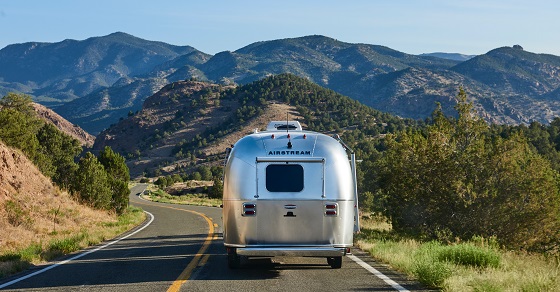
- The Recreational Vehicle (RV) Lifestyle: Owning an RV offers unparalleled freedom, allowing travelers to transport pets, clothing, and personal belongings directly while camping across diverse scenic corridors throughout the year. However, RVs present distinct challenges. High-end motorcoaches rival the cost of bricks-and-mortar homes, while smaller travel trailers require heavy-duty tow vehicles. Once parked in an RV park or resort, utilizing a massive motorhome for daily local errands is impractical, prompting many travelers to tow a secondary "toad" vehicle behind their rig, adding fuel and towing complexities.
2. The Tax Labyrinth
Tax implications represent one of the most misunderstood aspects of seasonal migration. Snowbirds often discover that maintaining two residences triggers complex multi-state compliance obligations:
- Property Taxes: Owning real property in two states means paying property taxes in both jurisdictions, regardless of how many months out of the year the properties are occupied.
- State Income and Residency Rules: States aggressively protect their tax bases. Spending a significant portion of the year in a Sunbelt state can trigger residency audits. States evaluate "domicile" based on a statutory day-count test (often the classic 183-day rule), voter registration, driver’s licenses, vehicle registrations, and the location of primary medical providers and financial accounts. Failing to properly manage these ties can result in unexpected state income tax liabilities.
3. Mail, Communication, and Infrastructure
Managing administrative life across state lines requires modern digital integration. While electronic billing and email handle the vast majority of day-to-day correspondence, physical mail remains a persistent challenge.

- Forwarding Options: Options range from official USPS change-of-address and temporary forwarding services to specialized private mail-forwarding companies that scan envelopes or bundle physical packages. For RVers constantly on the move, traditional mail is frequently routed through general delivery at local post offices or private mail drops in RV parks.
4. Healthcare and Insurance Continuity
Perhaps the most critical variable for retirees over the age of 65 is maintaining uninterrupted access to quality medical care.
- Medicare vs. Private Advantage Plans: Beneficiaries enrolled in traditional Medicare enjoy nationwide coverage, allowing them to see any participating doctor or hospital anywhere in the United States. Conversely, those enrolled in private Managed Care or Medicare Advantage plans are typically restricted to localized provider networks. Crossing state lines often strips away coverage for non-emergency care, leaving snowbirds vulnerable to out-of-pocket expenses unless they purchase specific supplemental travel or PPO riders.
- Prescription Management: Coordinating three-month mail-order pharmaceutical refills requires precise calendar synchronization to ensure medications arrive at the correct geographic address at the right time.
Official Perspectives and Expert Guidance
Industry experts, financial advisors, and authors who specialize in retirement transitions emphasize that preparation is the ultimate safeguard against retirement disillusionment.
Dave Hughes, author of The Quest for Retirement Utopia, underscores that finding the right geographic fit requires rigorous self-assessment. According to Hughes, prospective snowbirds must evaluate their core personal values—such as proximity to cultural amenities, climate tolerances, and community social structures—before sinking financial capital into a second property.

"The quest for the ideal retirement spot is not about finding a flawless postcard image," notes retirement relocation literature. "It is about realistically evaluating factors that impact your daily well-being, financial security, and long-term peace of mind, ensuring that your winter escape does not become a logistical nightmare."
Similarly, real estate and insurance analysts stress that risk management must precede relaxation. Insurance underwriters consistently remind seasonal homeowners that vacant property policies require explicit endorsements. Unchecked water leaks or heating system failures during a northern freeze can cause catastrophic property damage that standard homeowner policies may deny if the property was left unmonitored for more than 30 consecutive days without professional oversight or documented checks by a neighbor.
Future Outlook: The Evolution of the Snowbird Phenomenon
Looking ahead, the snowbird lifestyle is evolving in response to demographic shifts, economic pressures, and technological innovations.

The aging of the massive Baby Boomer generation guarantees that demand for Sunbelt housing, active adult communities, and RV infrastructure will remain exceptionally robust over the coming decade. However, the nature of this migration is transforming. Modern retirees are increasingly tech-savvy, utilizing smart-home automation systems—such as remote thermostat monitors, internet-connected water shut-off valves, and high-definition security cameras—to manage their northern properties from thousands of miles away with unprecedented peace of mind.
At the same time, economic realities are reshaping how snowbirds travel. Rising real estate valuations in traditional hotspots like Florida and Arizona, combined with escalating homeowners insurance premiums and broader inflationary pressures, are forcing many retirees to look beyond traditional destinations. Emerging markets in the Southeast, the Texas Hill Country, and parts of the Pacific Northwest are seeing influxes of seasonal migrants seeking more affordable alternatives to overcrowded coastal hubs.
Ultimately, while the operational logistics of maintaining two households demand careful planning, the foundational appeal of the snowbird lifestyle remains undiminished. For the million-plus Americans and Canadians who make the seasonal trek, escaping the winter freeze is more than a seasonal routine—it is a vital investment in physical health, mental renewal, and the enduring enjoyment of the golden years.

0 Comments