Every year, as autumn gives way to freezing temperatures across the northern United States and Canada, a mass migration takes place. More than a million retirees pack up their belongings, lock the doors of their northern properties, and head south to the sun-drenched expanses of Florida, Arizona, Texas, and other Sunbelt states. Known affectionately as "snowbirds," these seasonal migrants chase warm weather, active outdoor lifestyles, and an escape from the physical hazards and seasonal depression associated with brutal winters.
For older adults, enduring sub-zero temperatures, shoveling heavy snow, and navigating icy walkways can quickly transform from an inconvenience into a genuine health hazard. The risk of slips and falls, combined with the cardiovascular strain of heavy physical exertion in the cold, makes the prospect of a winter in the Sunbelt exceptionally appealing. Furthermore, freed from the daily obligations of the traditional workforce, retirees are increasingly asking a simple question: Why stay where it’s cold?
However, transitioning to a dual-residency lifestyle is far more complicated than embarking on an extended vacation. While the rewards—such as year-round golf, tennis, swimming, and an overall enhancement of physical and mental well-being—are substantial, the logistical, financial, and legal hurdles are significant. Successful seasonal migration demands meticulous planning, foresight, and a clear understanding of the hidden complexities involved in maintaining two separate households.
This comprehensive report examines the multifaceted realities of the snowbird lifestyle, breaking down the financial commitments, legal and tax implications, logistical nightmares, and healthcare considerations that every prospective migrant must evaluate before heading south.
Detailed Chronology & Planning Blueprint: Preparing for the Migration
Transitioning into a seasonal migrant is a project that spans the entire calendar year. To avoid chaotic scrambles and costly mistakes, experienced snowbirds adhere to a strict, chronological planning blueprint.
Phase 1: Spring and Summer — Evaluation and Exploration
The snowbird journey begins long before the first leaves fall. Experts recommend that individuals or couples considering a seasonal move should first rent in a prospective area for at least one full season. This "test drive" helps prevent costly long-term mistakes.
Test-Driving Locations: Renting across different regions—such as comparing the humid coastal climate of Florida against the dry, desert heat of Arizona—provides invaluable perspective.
Exploring Active Adult Communities: Locations like The Villages or On Top of the World in Florida offer built-in social structures, clubs, and recreational amenities, but they are not right for everyone. Visiting during peak season allows prospective buyers to experience traffic, crowd densities, and local infrastructure firsthand.
The Rental Timeline: Because demand for winter rentals in premier Sunbelt locations is exceptionally high, prospective snowbirds must begin scouting and securing properties as early as January or February of the previous winter. Long-term rentals (three months or more) secure the best rates and availability through platforms like VRBO, Airbnb, local real estate boards, and community bulletin boards.
Phase 2: Late Summer — Logistics, Utilities, and Mail Management
As summer wanes, attention turns to the operational framework of managing two properties simultaneously.
Mail Forwarding Solutions: Traditional mail does not seamlessly follow a snowbird. While the United States Postal Service (USPS) offers temporary forwarding, it has limitations, particularly for extended stays or if the traveler moves between multiple locations. Many snowbirds utilize third-party mail-forwarding services or rely on trusted neighbors and relatives to bundle and ship mail. For those living in RV parks that reject temporary visitor mail, establishing a Post Office General Delivery address is often necessary.
Utility Hibernation: Maintaining high-speed internet, cable, and landline services at two homes year-round is a financial drain. Homeowners must contact utility providers well in advance to negotiate "hibernation" or seasonal suspension rates without incurring steep reconnection fees.
Medical Record Transfers: Snowbirds must coordinate with their primary care physicians to ensure seamless continuity of care. This includes compiling comprehensive medical histories and establishing relationships with healthcare providers in the destination state. Managing prescription refills—especially for those utilizing mail-order pharmacies with strict three-month dispensing limits—requires careful calendar alignment.
Phase 3: Autumn — Winterizing the Primary Homestead and Traveling South
As October approaches, preparations reach a fever pitch. The primary residence must be safely secured against freezing temperatures, while the southbound journey is finalized.
Property Protection: In northern regions prone to deep freezes, leaving a home unattended requires specific protocols. Homeowners must either maintain the heating system at a reduced temperature (typically around 55°F) to prevent pipes from freezing and bursting, or hire a professional plumber to completely drain the home’s plumbing system and shut off the main water valve. All non-essential appliances should be unplugged, and refrigerators emptied and left ajar to prevent mold.
Exterior Maintenance and Security: Snowbirds must arrange for snow removal, lawn care, pool maintenance, and general property checks. Discontinuing daily newspaper delivery is essential, but arrangements must also be made with neighbors to clear promotional flyers and free community papers from the driveway to prevent the home from appearing unoccupied to potential intruders.
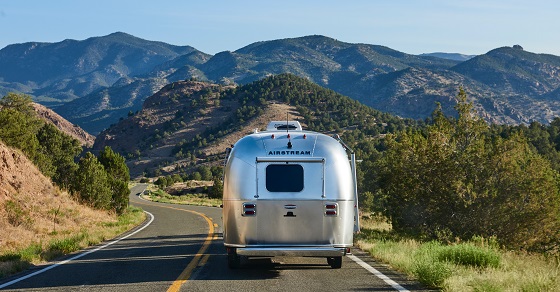
Transportation Logistics: Whether driving, flying, or towing, getting south requires a calculated transit plan. Those who fly often utilize professional car shipping services to transport their primary vehicle or rent a vehicle upon arrival. RV owners face a different set of challenges, balancing the comforts of a mobile home with the realities of fueling costs, campsite reservations, and the necessity of towing a secondary "dinghy" car for local errands once parked.
Supporting Context & Metrics: The Financial and Economic Realities
While the lifestyle promises endless sunshine, the financial ledger requires cold, hard realism. Maintaining two living spaces introduces complex economic variables that can catch unprepared retirees off guard.
The Cost of Housing: Buying vs. Renting vs. RVing
Snowbirds generally choose one of three housing models, each carrying distinct financial profiles:
Purchasing a Second Home: Whether a condominium, manufactured home, or single-family residence, buying a second home involves upfront capital outlays, closing costs, and duplicate furnishing expenses (appliances, dishware, and furniture). Furthermore, homeowner’s insurance rates for properties left vacant for extended periods can be substantially higher.
Renting Seasonally: Renting offers flexibility, allowing travelers to experience different regions year after year without long-term maintenance liabilities. However, rising rental rates in high-demand Sunbelt markets mean costs climb steadily year over year.
The RV Lifestyle: Owning a recreational vehicle provides the ultimate portability, allowing travelers to bring pets, clothing, and personal items with them while exploring multiple regions. However, the costs associated with high-end Class A motorhomes, fuel consumption, campground/RV park space rentals, and secondary vehicle towing can rival or exceed the costs of traditional real estate.
Tax Implications and Residency Rules
One of the most complex aspects of the snowbird lifestyle involves state taxation.
Property Taxes: Owning property in two states means paying property taxes in both jurisdictions, often without receiving primary residency exemptions (such as Florida’s Homestead Exemption) on the secondary home.
Income and Estate Taxes: States aggressively monitor residency status to capture income and estate tax revenues. Spending more than 183 days in a state often triggers statutory residency, but states also look at "tie-breaker" tests—such as where you vote, where your primary doctor is located, where your pets live, and the size of your homes—to determine tax obligations. Snowbirds must meticulously track their days spent in each state to avoid unexpected audits and dual state income tax liabilities.
Healthcare Coverage: Medicare vs. Advantage Plans
Navigating medical insurance across state lines is a critical concern for older adults:
Traditional Medicare: Enrollees covered under traditional Medicare parts A and B can see any doctor or hospital in the United States that accepts Medicare, making it the most flexible option for interstate travelers.
Medicare Advantage Plans: Conversely, private Medicare Advantage (Part C) plans typically operate within strict regional provider networks. Outside of emergency room care, out-of-network medical expenses incurred at a snowbird destination may not be covered, leaving retirees vulnerable to out-of-pocket costs unless they maintain supplemental coverage or return home for routine care.
Official Statements and Industry Insights
Experts in retirement planning and senior lifestyle logistics emphasize that preparation is the ultimate differentiator between a dream retirement and a logistical nightmare.
Dave Hughes, author of The Quest for Retirement Utopia, underscores the importance of evaluating lifestyle priorities before making a permanent or semi-permanent commitment:
"The snowbird lifestyle offers the best of both worlds, but enjoying it successfully is much more complicated than simply going on a long vacation. Evaluating factors like climate, community structure, healthcare access, and taxation realistically will dissuade retirees from making costly, impulsive choices and help them find the setup that truly fits their needs."
Similarly, real estate analysts note that the demand for seasonal housing continues to outstrip supply in premier Sunbelt destinations. Industry reports from property management associations highlight that early reservation timelines are tightening. What once required booking six months in advance now routinely demands inquiries a full year ahead, particularly in master-planned active adult communities where seasonal rentals are heavily contested.
Transport and logistics specialists also report an escalating demand for automobile shipping and RV transit services, reflecting the growing demographic of active, mobile retirees who refuse to let geography limit their quality of life.
Future Outlook: The Evolution of the Snowbird Phenomenon
As the massive "Baby Boomer" generation continues to reach retirement age, the landscape of seasonal migration is evolving rapidly. Several key trends are shaping the future of the snowbird lifestyle:
Technological Integration: The rise of remote healthcare telehealth services, digital banking, and automated smart-home security systems has made managing two households easier than ever. Snowbirds can now monitor their northern properties via high-definition security cameras, adjust smart thermostats remotely, and consult with physicians across state lines without interrupting their continuum of care.
Geographic Diversification: While Florida and Arizona remain the undisputed capitals of the snowbird migration, rising real estate costs and climate considerations are pushing retirees to explore alternative destinations. Emerging hotspots in the Carolinas, the Texas Hill Country, and the Pacific Northwest are attracting a new wave of seasonal migrants seeking slightly milder transitions rather than intense desert or tropical heat.
The Rise of Flexible Co-Ownership and Fractional Living: To mitigate the high costs of purchasing a second home that sits vacant for half the year, innovative fractional ownership models and home-exchange platforms are gaining traction among retirees. These options provide access to warm-weather properties without the heavy capital commitment and maintenance burdens of sole ownership.
Conclusion
The tradition of migrating south for the winter remains one of the most popular aspirations for retirees seeking to escape the hazards and gloom of northern winters. By approaching the transition with rigorous financial planning, careful attention to tax and legal residency rules, and proactive management of healthcare and property logistics, snowbirds can successfully bridge two worlds. For those willing to do the preparatory work, the reward is an enriched, active, and sun-filled chapter of life that redefines what it means to age well.





0 Comments