
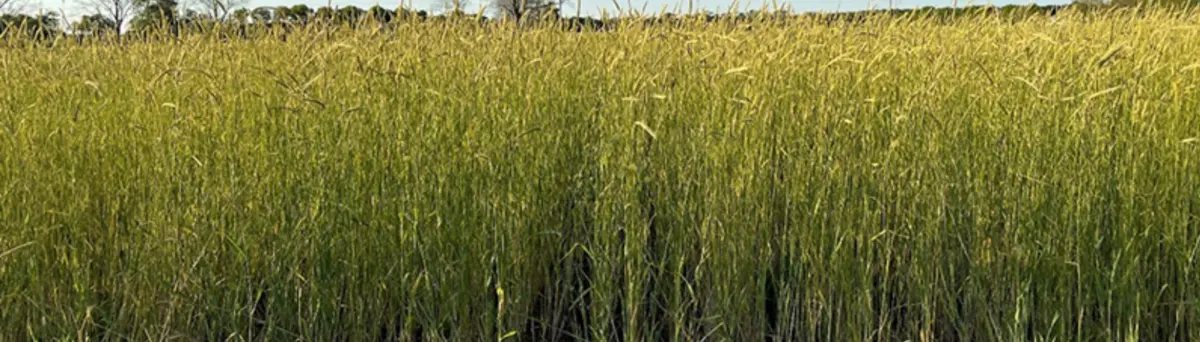

COLUMBIA COUNTY, Fla. — As the scorching days of the North Florida summer finally give way to the crisp, amber mornings of autumn, a profound transition takes place across the region’s agricultural landscape. Across Columbia County and the broader Suwannee River Valley, multi-generational row-crop farms, commercial vegetable operations, and sprawling livestock pastures pull back on intensive production. Harvesters are parked in barns, irrigation pivots are dialed back, and the earth appears to enter a well-deserved period of dormancy.
Yet, beneath the surface, local agricultural experts warn that letting the soil truly "go to sleep" is one of the most costly mistakes a producer can make.
According to Dr. Derrick R. Conover of the University of Florida’s Institute of Food and Agricultural Sciences (UF/IFAS) Extension in Columbia County, the autumn lull presents a golden, yet fleeting, window of opportunity. Rather than leaving fields bare to battle the relentless winter elements, forward-thinking growers are increasingly turning to cover crops. This simple, cost-effective management practice acts as an ecological bridge between harvest seasons, protecting vulnerable acreage from erosion, naturally boosting soil fertility, suppressing aggressive winter weeds, and engineering a resilient foundation for the upcoming 2026 growing season.
Whether managing a few intensive backyard vegetable plots or hundreds of acres of commercial pastureland, implementing a strategic cover crop program is no longer viewed as a fringe practice for organic enthusiasts—it is a cornerstone of modern, sustainable farm management.
Executive Overview: The High Stakes of Winter Soil Management
In North Florida, the combination of sandy coastal plain soils, intense seasonal downpours, and warm winter temperatures creates a unique agronomic challenge. Unprotected soils left bare after a fall harvest are sitting ducks. Nutrient leaching, wind and water erosion, and the proliferation of stubborn winter weeds can strip a field of its hard-earned productivity before spring ever arrives.
Cover crops serve as living armor for the earth. By establishing a robust root system and canopy during the cooler months, these specialized plants lock vital nutrients—such as nitrogen and phosphorus—into the soil profile rather than letting them wash away into local watersheds. Simultaneously, they stimulate the underground microbiome, pump organic matter back into the earth, and physically break up compacted layers of soil that inhibit root growth.
For North Florida producers, the integration of cover crops translates directly to the bottom line. By naturally fixing atmospheric nitrogen, cover crops can drastically reduce the volume of synthetic fertilizers required when spring planting kicks off. Furthermore, the suppression of winter weeds minimizes the need for heavy herbicide applications down the road.
To help local growers navigate this transition, UF/IFAS Extension has highlighted five exceptional cover crops proven to thrive in the climate and soil conditions of Columbia County and North Florida. Each brings a specialized set of agronomic benefits to the table.
Detailed Chronology & Technical Breakdown: The Top Five Cover Crops for North Florida
Selecting the right cover crop depends heavily on farm goals, soil types, and the intended cash crop for the following spring. Here is an in-depth breakdown of the five primary varieties recommended by agricultural specialists for North Florida’s autumn planting window.
1. Crimson Clover (Trifolium incarnatum): The Nitrogen and Pollinator Powerhouse
For growers looking to slash their synthetic fertilizer bills while simultaneously supporting local ecosystems, Crimson Clover stands out as a premier cool-season legume. Thriving in the mild winters of the Florida panhandle and northern peninsula, this plant acts as a biological fertilizer factory.
- Primary Benefits: Crimson clover possesses the natural ability to fix atmospheric nitrogen through a symbiotic relationship with soil rhizobia bacteria. This process converts inert nitrogen gas from the air into a plant-available form, drastically reducing the need for manufactured nitrogen amendments when spring cash crops are established.
- Ecological Impact: In early spring, crimson clover bursts into a sea of brilliant red, cone-shaped flowers. This vibrant display is more than just aesthetically pleasing; it serves as a critical, high-quality nectar and pollen source for honeybees, native pollinators, and beneficial insects emerging from winter.
- Management & Termination: To maximize its nitrogen-fixing potential without allowing the plants to become woody or reseed uncontrollably, producers must carefully time termination. The golden rule for crimson clover is to mow or roller-crimp the stand at the early bloom stage, well before viable seeds are set.
2. Rye (Secale cereale): The Ultimate Defender Against Erosion and Weeds
When it comes to raw hardiness, adaptability to poor sandy soils, and resistance to cold snaps, cereal rye remains the undisputed king of winter cover crops in the Southeast.
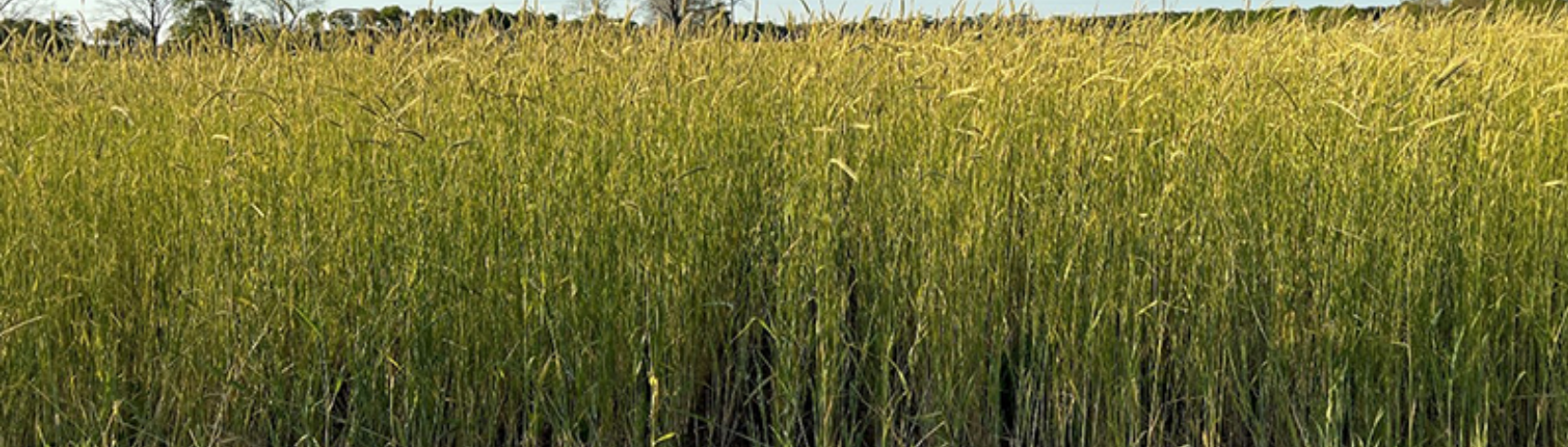
- Primary Benefits: Rye is exceptionally aggressive in its growth habit. It establishes quickly in the fall, producing a dense, fibrous network of roots that physically anchor sandy soils against wind and winter rains. Above ground, its thick canopy shades out the soil surface, effectively starving winter weeds of the sunlight they need to germinate and thrive.
- Synergistic Potential: Rye is rarely a solitary player in sophisticated farming systems. It is widely praised for its ability to serve as an ideal companion grass when mixed with legumes like crimson clover or Austrian winter peas. The grass provides structural support and carbon-rich residue, while the legume pumps nitrogen into the soil mix.
- Agronomic Edge: Even in soils with low fertility or poor moisture retention, rye soldiers on, making it a reliable safety net for producers who might be working with marginal acreage.
3. Oats (Avena sativa): Fast Coverage and Prime Forage
For livestock producers and vegetable growers seeking rapid fall establishment, oats offer an unbeatable combination of speed and utility, though they require careful timing regarding local weather patterns.
- Primary Benefits: Oats germinate with remarkable swiftness, providing rapid temporary ground cover and producing substantial early biomass. For livestock operations, oats double as an exceptional, highly palatable temporary forage crop for grazing animals during the lean winter months.
- Climatic Considerations: Unlike its tougher cousin cereal rye, oats lack extreme freeze tolerance. If temperatures drop into hard freezes typical of some northern interior counties, oats can suffer winter-kill. Consequently, agricultural extension agents advise early fall planting to ensure the crop achieves maximum biomass before the coldest winter weather sets in.
- Organic Matter Contribution: As oats naturally break down or are incorporated into the soil, they inject a valuable surge of organic matter, improving soil structure and water-holding capacity.
4. Austrian Winter Pea (Pisum sativum subsp. arvense): High-Performance Nitrogen Factories
For operations seeking heavy-duty biological nitrogen production paired with rapid early-spring growth, the Austrian winter pea is a standout legume.
- Primary Benefits: These cool-season vining legumes produce an abundance of lush, succulent biomass. When managed correctly and incorporated into the soil in early spring, Austrian winter peas can contribute up to a staggering 100 pounds of available nitrogen per acre. This represents a massive cost savings on commercial fertilizers.
- Companion Planting: Much like cereal rye, Austrian winter peas perform exceptionally well when planted in a polyculture mix alongside small grains. The structural stems of the companion grain support the sprawling, viney habit of the peas, preventing them from matting heavily on the ground and improving overall air circulation within the canopy.
- Spring Transition: Their rapid breakdown in warm spring soils ensures that the captured nutrients are quickly released just as the following season’s crops are demanding maximum nutrition.
5. Tillage Radish (Raphanus sativus var. longipinnatus): Natural Subsurface Engineering
Soil compaction is a silent thief of agricultural productivity, restricting root growth and preventing water from infiltrating deep into the profile. Enter the tillage radish—a specialized brassica that acts as a biological subsoiler.
- Primary Benefits: The tillage radish sends a massive, aggressive taproot deep down into the earth, often penetrating several feet through dense hardpans. This natural drilling action shatters compacted soil layers without the need for heavy, fuel-hungry mechanical tillage equipment.
- Nutrient Scavenging: Beyond physical soil conditioning, brassicas act as elite nutrient scavengers. They mop up residual nitrates left over from the summer crop, preventing those nutrients from leaching into the groundwater table.
- The Decomposition Phase: As winter transitions to spring, the radish thaws and rapidly decomposes. This leaves behind deep, perfectly structured vertical channels in the soil profile. These biopores serve as superhighways for air, water, and the fragile roots of the subsequent cash crop, allowing them to plunge deeper into the earth with minimal resistance.
Supporting Context & Metrics: The Science of Soil Health
The push for cover cropping in North Florida is backed by a growing body of agronomic data demonstrating tangible long-term benefits for farm operators. According to soil health metrics tracked by agricultural institutions across the southeastern coastal plain, continuous cropping without cover crops leads to a steady decline in soil organic matter (SOM). In sandy soils, where SOM levels naturally hover well below 2%, every tenth of a percent gained matters immensely.
- Water Retention: Increasing soil organic matter through consistent cover cropping significantly enhances the soil’s sponge-like capacity. For every 1% increase in soil organic matter, an acre of soil can hold approximately 20,000 gallons of extra water—a vital buffer during unpredictable spring dry spells.
- Erosion Prevention: During heavy tropical downpours or persistent winter frontal systems, bare soil can experience catastrophic sheet and rill erosion. Dense cover crop root mats reduce sediment loss by up to 90%, preserving the farm’s most valuable asset: its topsoil.
- Economic Return on Investment (ROI): While purchasing seed and adjusting planting schedules requires an upfront investment of capital and labor, economic analyses consistently show that cover crops pay dividends. Savings on synthetic nitrogen fertilizers, reduced herbicide expenditures due to weed suppression, and avoided costs from remediating soil compaction all contribute to a positive net return within two to three seasons.
How to Choose the Right Cover Crop for Your Operation
With so many diverse options available, determining the ideal cover crop strategy can feel overwhelming. Dr. Conover and the UF/IFAS Extension team emphasize that selection should be guided by a clear assessment of farm goals and soil conditions:
- Identify the Primary Problem: Are you battling soil compaction, trying to fix nitrogen, or fighting stubborn winter weeds? Match the problem to the plant (e.g., tillage radish for compaction, crimson clover or Austrian winter peas for nitrogen, rye for weed suppression and erosion).
- Evaluate Your Soil Test: Getting your soil tested through the UF/IFAS Extension office is a critical first step. Soil testing reveals baseline nutrient levels and pH, helping you determine whether specific amendments are needed—particularly when establishing complex legume or brassica mixes.
- Consider Your Cash Crop Rotation: Ensure that your cover crop termination timeline aligns smoothly with the planting date of your spring vegetables or summer row crops. Cover crops should be terminated at least two to four weeks prior to planting cash crops to allow for proper residue breakdown and moisture stabilization.
- Scale Appropriately: Cover crops are not reserved exclusively for massive commercial operations. Small-scale market gardeners, homesteaders, and backyard vegetable growers can utilize these exact same principles on plot scales ranging from a few hundred square feet to several acres.
Future Outlook: Setting the Stage for 2026 and Beyond
As North Florida agriculture looks toward the 2026 growing season and beyond, resilience is the name of the game. Changing weather patterns, fluctuating fertilizer prices, and the ongoing imperative to protect local water resources mean that traditional, high-input farming methods are facing increased scrutiny and financial pressure.
Cover crops represent a paradigm shift: moving away from a philosophy of fighting nature to one of working in harmony with biological systems. By keeping living roots in the ground all winter long, North Florida producers are actively engineering soils that are more fertile, more structurally resilient, and infinitely better equipped to weather environmental and economic storms.
Getting Connected: Resources and Local Support
For growers looking to take the next step in their soil health journey, expert guidance is close to home. Comprehensive literature, technical guides, and research updates are available online through the official UF/IFAS Extension agriculture portal at https://sfyl.ifas.ufl.edu/agriculture/cover-crops/.
For personalized assistance regarding cover crop management strategies, high-quality local seed sources, or professional soil sampling and interpretation, producers are encouraged to contact the UF/IFAS Extension Columbia County Office directly at (386) 752-5384.
Don’t let your fields sleep this winter—put them to work for your future success.
Authored by Dr. Derrick R. Conover, UF/IFAS Extension, Columbia County.

0 Comments