

Executive Overview
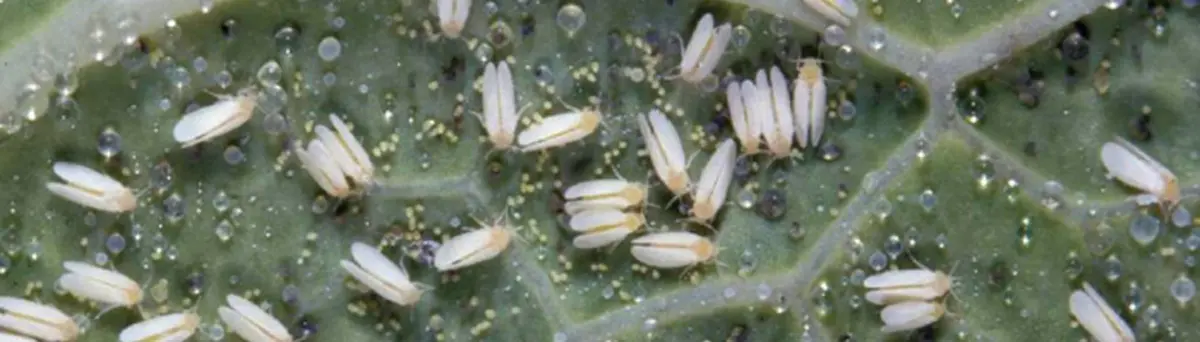
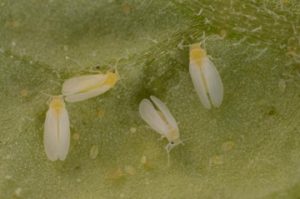
For farmers across North Florida’s agriculturally rich Suwannee Valley, the arrival of late summer and autumn brings more than just a welcome break from the punishing heat of peak summer—it signals the return of a persistent and formidable agricultural adversary. Brushing past a row of peppers, tomatoes, or cucurbits during these months often startles a living cloud of tiny, snow-white insects into the air. While these creatures—predominantly species such as Bemisia tabaci—appear deceptively fragile, they represent one of the most destructive threats to regional vegetable production.
Beyond causing direct feeding damage by draining vital plant sap, these pests act as vectors for devastating plant pathogens, most notably the Tomato Yellow Leaf Curl Virus (TYLCV) and various destructive cucurbit viruses. The resulting impact can strip crops of their market quality, stunt growth, and cause catastrophic yield losses right on the threshold of harvest.
To combat this seasonal crisis, agricultural experts Dr. Derrick R. Conover of UF/IFAS Extension in Columbia County and Dr. Xavier Martini, Assistant Professor of Entomology at the University of Florida, have synthesized critical research and field strategies. Their work outlines an integrated pest management (IPM) framework designed to help small-scale and commercial farmers safeguard their autumn yields through cultural controls, organic repellents, biological conservation, and tactical chemical applications.
Detailed Chronology and Seasonal Dynamics: Why Autumn Exacerbates the Threat
To understand how to defeat the whitefly, growers must first understand the biological and environmental catalysts that drive population explosions during the fall transition period.
The Summer-to-Fall Population Surge
Whitefly populations do not emerge overnight; rather, they build steadily over the growing season. However, North Florida’s protracted warm autumn temperatures create an optimal window for exponential reproduction. Unlike pests whose numbers are heavily suppressed by intense summer downpours, whiteflies are remarkably resilient to rainfall patterns compared to temperature fluctuations. Warm fall days accelerate the reproductive cycle of Bemisia tabaci, drastically shortening the time it takes for eggs to develop into destructive nymphs and egg-laying adults.
The Agricultural Migration Cycle
Compounding the temperature factor is the landscape-level movement of pests across diverse cropping systems. Large commercial farming operations play an indirect role in this dynamic. Throughout the spring and summer, massive populations of whiteflies cycle through expansive host fields, such as cotton or extensive cucurbit plantings.
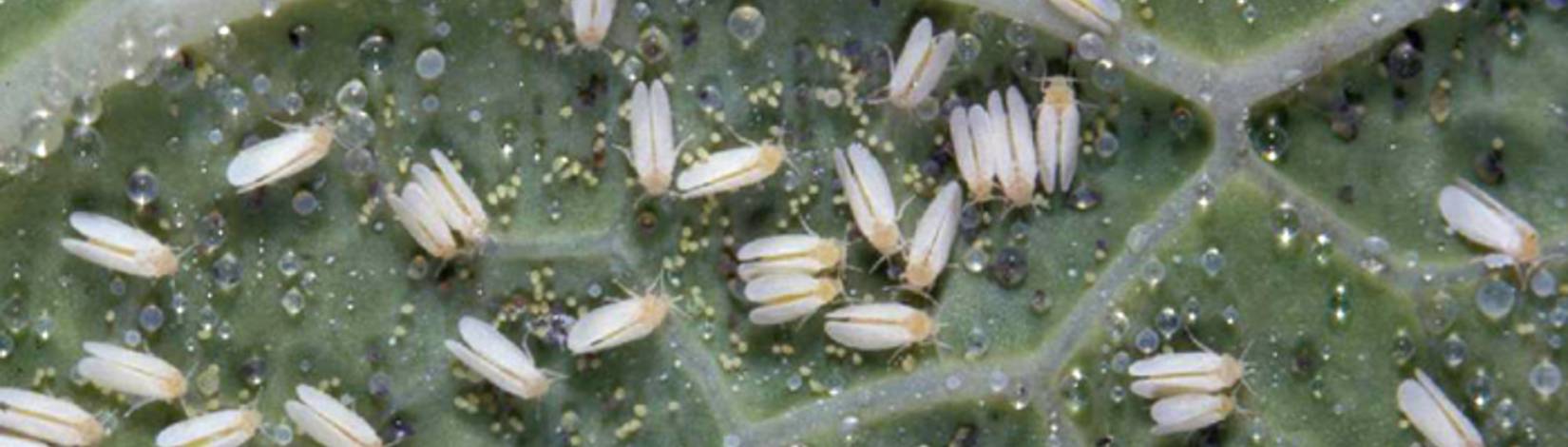
As these primary commercial crops are harvested or decline in nutritional value, massive waves of displaced whiteflies are forced to migrate. Seeking alternative sustenance, these dense swarms disperse across the broader agricultural landscape, frequently landing on the smaller-scale diversified farms that characterize much of the Suwannee Valley. For small producers, this late-season influx arrives precisely when their high-value autumn crops—such as fresh-market tomatoes and peppers—are most vulnerable, creating a compounding crisis that requires immediate, coordinated intervention.
Supporting Context & Metrics: The Dual Threat of Sap-Feeding and Viral Transmission
Whitefly damage operates on two distinct fronts: physical devastation caused by direct feeding and systemic ruin driven by vector-borne plant viruses.
Direct Feeding Damage
At the microscopic level, immature whiteflies (nymphs) and adults use piercing-sucking mouthparts to extract phloem sap from the vascular system of host plants. When populations reach high densities, this continuous drainage deprives the plant of essential photoassimilates and nutrients. The physical toll manifests as leaf yellowing, premature leaf drop, stunted growth, and an overall loss of vigor. Furthermore, as whiteflies feed, they excrete a sticky substance known as honeydew. This sugary secretion coats the foliage and fruit, promoting the growth of black sooty mold. This secondary fungal infection blocks sunlight—further reducing photosynthesis—and severely devalues the crop by leaving unsightly blemishes that render produce unmarketable.
Viral Pathogen Transmission
While physical damage is costly, the transmission of phytopathogenic viruses presents a far graver existential threat to autumn crops. Bemisia tabaci is an exceptionally efficient vector for several devastating plant viruses, including:
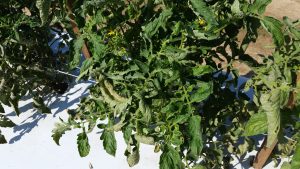
- Tomato Yellow Leaf Curl Virus (TYLCV): A relentless pathogen that causes severe upward leaf curling, yellowing of leaf margins, flower drop, and near-total stunting of tomato plants, frequently resulting in a total loss of marketable fruit.
- Cucurbit Leaf Curl Virus and Related Pathogens: These viruses target squash, cucumbers, melons, and pumpkins, causing severe chlorosis, distorted foliage, and drastic reductions in fruit set and quality.
Because whitefly populations and virus incidence both peak simultaneously in the autumn months, the probability of infection is exceptionally high. A single migratory wave can inoculate an entire field within days, making preventive barriers infinitely more effective than reactive treatments.
Research-Backed Protection Strategies for Fall Crops
Mitigating whitefly pressure requires a multi-layered defense strategy tailored to the specific vulnerabilities of the pest at different stages of its life cycle. Researchers have evaluated numerous interventions, categorizing their efficacy and best-practice deployment for small and mid-sized farming operations.
Summary of Fall Whitefly Management Strategies
| Strategy | Effectiveness in Fall | Notes / Best Practices |
|---|---|---|
| Reflective Mulch & Row Covers | High | Significantly reduces initial whitefly landing rates and delays virus incidence during early plant establishment. |
| Limonene-Scented Kaolin Sprays | High (Dry Years) | Performs best under low rainfall conditions; acts as a physical barrier and repellent, reducing virus transmission and increasing marketable yield. |
| Biological Control & Biopesticides | Moderate–High | Works best as an integral component of an IPM program; preserves native predators and parasitic wasps. |
| Synthetic Insecticides | High (Short-Term) | Requires strict product rotation to prevent rapid resistance development; use judiciously to avoid destroying beneficial insect populations. |
| Area-Wide & Landscape Management | High | Demands coordination with neighboring farms to synchronize planting, manage weeds, and minimize post-harvest reinfestations. |
Cultural Practices
The first line of defense begins before the crop is even planted. Utilizing reflective plastic mulches disorients incoming adult whiteflies by reflecting ultraviolet light, effectively masking the presence of young crops from aerial pests. Additionally, floating row covers can provide physical exclusion during the critical early-season establishment phase when plants are most susceptible to viral infections. Growers must also practice rigorous sanitation, promptly destroying crop residues immediately after harvest to eliminate lingering breeding sites.
Chemical and Organic Repellents
When physical barriers are insufficient, targeted organic and chemical applications provide necessary suppression. Recent entomological research highlights the effectiveness of limonene-scented kaolin clay particle films. When applied to crop foliage, this non-toxic mineral barrier creates an unsuitable tactile and visual surface for landing whiteflies. It has proven especially effective during dry autumn spells, significantly lowering virus incidence and boosting overall harvest yields.
When utilizing synthetic insecticides for short-term knockdown, growers must exercise extreme caution. Indiscriminate chemical use can decimate populations of beneficial predatory insects and parasitoids, leading to secondary flare-ups. Rotating chemical modes of action is mandatory to prevent the rapid development of physiological resistance within regional whitefly populations.
Biological and Biopesticide Approaches
Harnessing natural enemies forms the backbone of sustainable, long-term whitefly management. Conserving and releasing biological control agents—such as predatory beetles, lacewings, and specialized parasitoid wasps (Encarsia and Eretmocerus species), alongside entomopathogenic fungi—can suppress nymph populations naturally. These biological tools excel when integrated into a comprehensive Integrated Pest Management (IPM) program that prioritizes selective chemistry over broad-spectrum annihilation.
Official Statements and Expert Insights
Addressing growers across the Suwannee Valley, extension specialists emphasize that whiteflies should be viewed as an environmental constant rather than an isolated emergency.
"Whiteflies are an undeniable fact of life for North Florida growers, but they do not have to spell absolute disaster for your fall vegetable crops," explains Dr. Derrick R. Conover of UF/IFAS Extension in Columbia County. "By deliberately combining proactive cultural practices, the active conservation of beneficial insect populations, and the careful, rotated use of approved insecticides, small-scale farmers can successfully keep whitefly populations below economic injury thresholds and protect their hard-earned harvests."
Dr. Xavier Martini, Assistant Professor of Entomology at the University of Florida, underscores the importance of spatial dynamics and regional cooperation. "Because these insects migrate fluidly across different host plants and farm boundaries—moving seamlessly from field crops like cotton into vegetable production systems—individual farm efforts can sometimes feel overwhelmed," notes Dr. Martini. "A proactive, integrated, and landscape-level approach is undeniably our best defense against this tiny yet remarkably mighty pest."
Future Outlook: Building Long-Term Agricultural Resilience in North Florida
As shifting climatic patterns continue to influence regional weather anomalies, extended warm autumns are likely to remain a recurring challenge for North Florida agriculture. Consequently, the pressure exerted by vector-borne agricultural pests like Bemisia tabaci is expected to intensify, requiring continuous adaptation by the state’s agricultural community.
Looking forward, the future of sustainable vegetable production in the Suwannee Valley hinges upon the widespread adoption of community-wide Integrated Pest Management frameworks. Individual growers can no longer afford to operate in isolation. Future resilience will rely heavily on coordinated, area-wide management initiatives where neighboring farmers synchronize planting schedules, collectively manage weed hosts that harbor overwintering populations, and share real-time monitoring data regarding migratory flight paths.
Furthermore, ongoing entomological research spearheaded by institutions like the University of Florida Institute of Food and Agricultural Sciences (UF/IFAS) continues to explore next-generation interventions, including advanced biopesticides, push-pull cropping strategies, and genetically resilient crop varieties. By embracing these evidence-based, collaborative tools, North Florida farmers can secure the longevity and profitability of their autumn harvests, ensuring that the Suwannee Valley remains a vibrant cornerstone of regional agricultural production for generations to come.

0 Comments