

By the Florida Travel + Life Editorial Team
Published: January 2026
Executive Overview
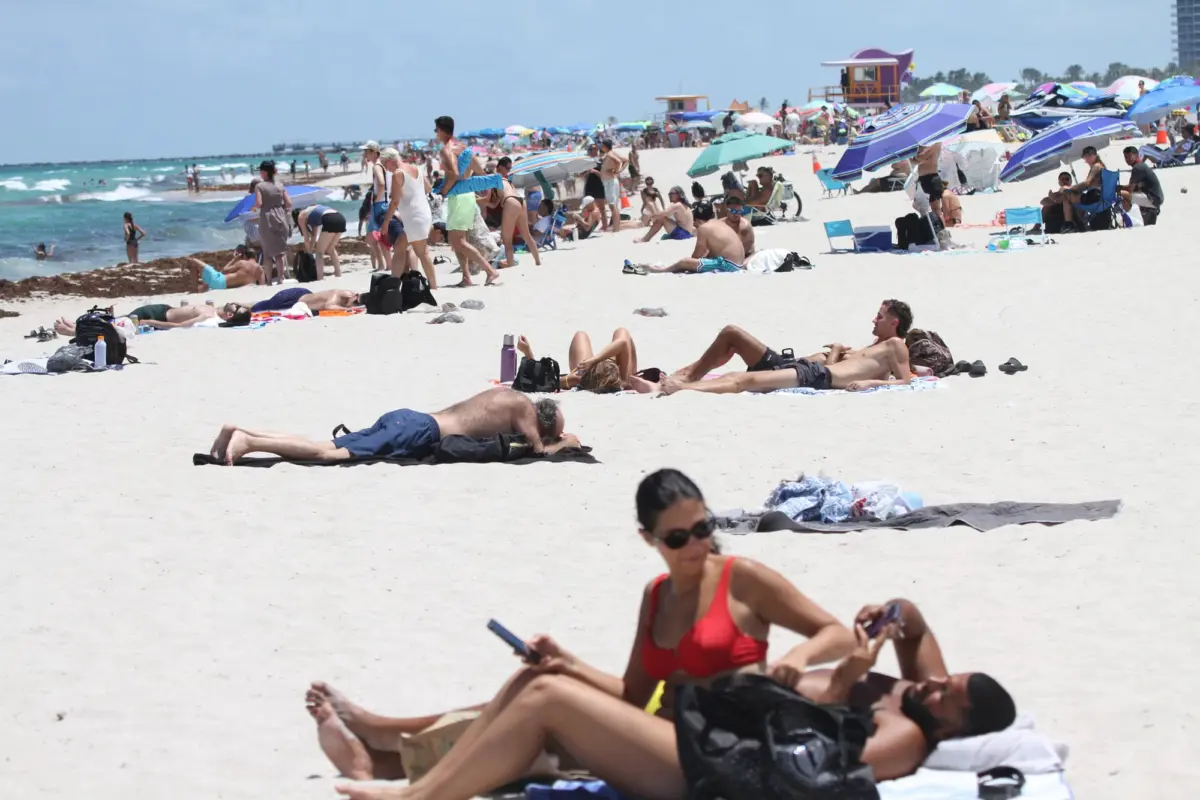
Florida’s economic engine—its robust and multifaceted tourism industry—demonstrated continued resilience and upward momentum throughout the third quarter of 2025. According to preliminary data released by VISIT FLORIDA, the state’s official destination marketing organization, an estimated 34.3 million travelers journeyed to the Sunshine State between July and September 2025. This figure represents a notable, steady increase compared to the same three-month period in 2024, signaling that Florida remains a premier global destination despite shifting macroeconomic headwinds, domestic travel normalization, and evolving international market dynamics.
The third-quarter performance underscores a thriving visitor economy driven heavily by robust domestic travel, alongside encouraging signs of recovery within key overseas and Canadian inbound markets. While historical summer travel patterns typically see a shift from the peak spring break rush, Q3 2025 proved that Florida’s diverse portfolio—spanning world-renowned beaches, theme parks, eco-tourism destinations, and cultural hubs—continues to capture the imagination of travelers near and far.
Behind these impressive visitor counts lies a carefully coordinated strategy of targeted international marketing, infrastructural enhancements, and localized community investments. State leaders and tourism executives credit this multifaceted approach with insulating the Florida economy and maintaining the state’s competitive edge in the fiercely contested global travel landscape.
Detailed Chronology: The Q3 2025 Tourism Landscape
To fully understand Florida’s tourism performance in the third quarter of 2025, it is essential to examine the distribution of arrivals and the shifting behavioral patterns of travelers over the months of July, August, and September.
July: The Peak Summer Surge
The quarter kicked off with July, traditionally one of the busiest months of the year for domestic family travel. Despite typical summer weather patterns—featuring high temperatures and frequent tropical downpours—families and vacationers flooded Florida’s coastal destinations, theme parks, and resort communities. Domestic travel dominated this period, with interstate highways and regional airports reporting high capacity. Theme park corridors in Central Florida and beachside destinations from the Panhandle to the Florida Keys operated at strong occupancies.
August: The Shoulder Season Transition
As August arrived, the seasonal transition from peak summer family vacations to the back-to-school window began to influence travel metrics. While overall visitor volume naturally moderated compared to the frantic pace of July, the decline was notably softer than in historical pre-pandemic years. This resilience was largely bolstered by aggressive state-level marketing campaigns, competitive resort pricing, and an influx of international travelers who favor late summer and early autumn for extended holiday stays.
September: Sustaining Momentum Through Strategic Markets
Historically a quieter month for Florida tourism as schools resume across the nation, September 2025 held its ground. The state successfully mitigated the traditional post-labor-day slump by leaning into emerging international markets, particularly within Latin America, where school calendars and holiday periods differ from those in the United States. Additionally, weekend getaway tourism, convention business, and corporate travel began to ramp up in major urban centers like Miami, Orlando, Tampa, and Jacksonville, balancing out the temporary dip in leisure family travel.
Supporting Context & Metrics: Breaking Down the 34.3 Million Visitors
A granular analysis of the VISIT FLORIDA data reveals clear structural pillars supporting the state’s 34.3 million third-quarter visitors. The data highlights both the unshakeable foundation of domestic tourism and the steady, incremental recovery of international segments.
[Q3 2025 Visitor Breakdown: Total ~34.3 Million]
 ├── Domestic Travelers (U.S. Residents): ~31.5 Million (91.7%)
 ├── Overseas International Travelers:   ~2.3 Million (6.7%)
 └── Canadian Visitors:                  ~507,000 (1.6%)
1. Domestic Dominance (91.7%)
Domestic travelers continue to be the bedrock of Florida’s tourism economy. Accounting for 91.7 percent of total visitation, roughly 31.5 million U.S. residents chose Florida for their summer and early-fall getaways in Q3 2025.
- Drive Markets vs. Fly Markets: Regional drive markets—including neighboring states like Georgia, Alabama, and the broader Southeast—remained exceptionally strong, benefiting from accessible highway networks and diverse road-trip itineraries. Meanwhile, major metropolitan areas in the Northeast and Midwest sustained steady flight volumes into Florida’s international airports.
- Consumer Spending: Despite inflationary pressures that have impacted consumer discretionary spending nationwide, domestic travelers continued to prioritize experiential travel, directing funds toward dining, entertainment, and hospitality services across the state.
2. The Resurgence of Overseas Visitation
International inbound travel—a crucial component for high-yield tourism spending—showed positive year-over-year growth in the third quarter of 2025, with an estimated 2.3 million overseas visitors.
- Latin American Strength: VISIT FLORIDA’s localized marketing strategies paid dividends in key Latin American markets. Brazil, Colombia, and Argentina demonstrated notable increases in visitor volume compared to Q3 2024. Brazil, in particular, continues to anchor South American travel to Florida, drawn by familial ties, retail opportunities, and cultural affinity, particularly in South Florida and Central Florida.
- European Inbound Markets: While European travel faced some headwinds related to transatlantic flight capacities and currency valuations, key markets such as the United Kingdom, Germany, and France maintained steady volumes, favoring extended-stay holidays in Florida’s coastal and resort regions.
3. Canadian Inbound Sector
Canadian visitors accounted for an estimated 507,000 arrivals during the third quarter. While Q3 is traditionally a shoulder period for Canadian travel to the Sunshine State—with the peak snowbird season arriving later in the fall and winter months—the half-million mark reflects a healthy baseline of early-season travelers escaping the transitional weather up north.
Official Statements and Strategic Vision
The release of the Q3 2025 figures prompted statements from key state leaders and tourism administrators, who emphasized that Florida’s ongoing success is not accidental, but rather the result of calculated public-private partnerships, targeted global outreach, and strategic economic management.
VISIT FLORIDA Leadership Perspective
Bryan Griffin, President and CEO of VISIT FLORIDA, pointed to the numbers as definitive proof of the state’s unmatched appeal.
"The third-quarter data underscores Florida’s enduring strength as the world’s premier travel destination," Griffin stated in the official release. "Our strategy focuses on sustaining our dominant domestic market share while aggressively expanding our outreach in key international regions. By showcasing the incredible diversity of our state—from our iconic beaches and world-class attractions to our rich cultural heritage and hidden natural treasures—we continue to inspire travelers to choose Florida time and time again."
Griffin emphasized that VISIT FLORIDA’s agile marketing framework allows the organization to swiftly pivot resources to capture high-value demographics, ensuring that marketing dollars yield maximum return on investment for local economies, small businesses, and hospitality workers.
Economic Impact and Infrastructure: The State Commerce Perspective
Florida Secretary of Commerce J. Alex Kelly expanded the conversation beyond mere visitor headcounts, framing tourism as an integral pillar of the state’s broader economic health. Kelly highlighted that a thriving tourism industry directly correlates with robust investments in infrastructure, workforce development, and community quality of life.
"Tourism does not happen in a vacuum," Kelly noted. "The sustained performance of our visitor economy is directly supported by strategic state investments in transportation networks, regional infrastructure, and workforce training programs. When we build better roads, expand regional airports, and support our local communities, we create an environment where both residents and visitors thrive."
Kelly noted that workforce development initiatives launched over previous fiscal years have successfully mitigated staffing shortages that plagued the hospitality sector in post-pandemic years, ensuring elevated standards of customer service across hotels, restaurants, and entertainment venues.
Future Outlook: Navigating Challenges and Capitalizing on Opportunities
As Florida looks ahead from the successes of the third quarter of 2025 into the future of travel, state tourism officials and industry stakeholders are mapping out strategic priorities to maintain momentum.
1. Diversifying Source Markets
While traditional feeder markets in the U.S. Northeast, Midwest, and core European and Latin American countries remain vital, VISIT FLORIDA is increasingly eyeing emerging global markets. Strategic investments in digital-first marketing campaigns are designed to capture tech-savvy, high-net-worth travelers from secondary international markets where outbound tourism is on the rise.
2. Balancing Growth with Sustainability
With millions of visitors traversing the state annually, destination management and sustainability have taken center stage. Local tourism boards across Florida are collaborating with environmental agencies to protect fragile coastal ecosystems, coral reefs, and the Everglades. Initiatives promoting eco-tourism, responsible wildlife viewing, and sustainable hospitality practices are increasingly integrated into VISIT FLORIDA’s promotional messaging, ensuring that the state’s natural assets remain pristine for generations to come.
3. Embracing Technological Integration
The modern traveler expects seamless digital interactions, from AI-powered concierge services and frictionless booking platforms to personalized itinerary planning. Florida’s hospitality sector is heavily investing in digital infrastructure to enhance the visitor journey from the moment a trip is conceived to post-vacation engagement.
Conclusion
The third quarter of 2025 has cemented Florida’s status as a juggernaut in the global travel and hospitality sector. By welcoming 34.3 million visitors, the state has once again proven its capacity to attract, entertain, and inspire millions of people from every corner of the globe. Through a balanced strategy of domestic retention, aggressive international expansion, and steadfast commitment to community infrastructure, Florida’s tourism industry is exceptionally well-positioned to navigate the future and scale new heights in the years to come.

0 Comments