

Executive Overview
In the modern corporate landscape, sudden workforce reductions have become an increasingly common mechanism for structural realignment. Recently, a major Fortune 500 corporation announced a sweeping 15% workforce reduction, utilizing generous early retirement incentive packages to achieve its restructuring goals. For eligible employees, this sudden corporate pivot presents a profound existential and professional crossroads.
While financial metrics, pension calculations, and severance structures frequently dominate initial discussions, an equally critical element is often overlooked: psychological and emotional readiness. Statistics from the Employee Benefits Research Institute (EBRI) indicate that approximately 70% of individuals leave the workforce earlier than originally planned, doing so an average of three years ahead of schedule.
Retirement is rarely a permanent vacation; rather, it is the transition to a continuous "seven-day weekend." Without a structured approach to daily time management, mental stimulation, and personal identity, the sudden acquisition of forty or more weekly hours can transform from a coveted reward into an isolating vacuum. This report examines the non-financial facets of early retirement, drawing on longitudinal trends, psychological insights, and actionable frameworks to help professionals transition successfully into their post-corporate lives.
Detailed Chronology: The Anatomy of an Early Exit Decision
The decision to accept an early retirement package is rarely impulsive; it typically unfolds across several distinct phases of evaluation, negotiation, and psychological adjustment.

Phase 1: The Corporate Announcement and Initial Shock
When a major corporation announces significant downsizing—such as a 15% workforce reduction—the immediate atmosphere among employees is characterized by uncertainty. For workers in their mid-to-late fifties, who may have envisioned continuing their careers well into their sixties, an early retirement buyout offer introduces an unexpected timeline. Colleagues often find themselves navigating communal decision-making, observing peers accept buyouts while weighing their own professional trajectories against financial contingencies.
Phase 2: Quantitative Analysis vs. Qualitative Readiness
Once the initial shock subsides, the evaluation process divides into two distinct tracks:
- The Financial Audit: Collaborating with financial planners to analyze pensions, severance packages, healthcare continuation (such as COBRA or ACA options), and projected timelines until Social Security eligibility.
- The Qualitative Audit: Assessing personal readiness to leave a career identity behind. For many, this phase involves contemplating alternative interim income streams—such as consulting, part-time entrepreneurial ventures, or community-based roles—to bridge the financial gap before drawing official retirement benefits.
Phase 3: The Leap and the Decompression Period
Upon accepting the package, the immediate aftermath is typically marked by a decompression phase. Experts suggest allowing several weeks of unstructured time to unlearn the psychological conditioning of alarm clocks, performance reviews, and corporate deadlines. However, this period of rest is intended to be temporary.
Phase 4: Long-Term Integration and Identity Reconstruction
The final phase involves establishing a sustainable, fulfilling daily routine. Successfully retired individuals replace corporate metrics with personal pursuits, curating a balanced lifestyle encompassing physical health, intellectual curiosity, community connection, and creative fulfillment.

Supporting Context & Metrics: The Reality of Early Retirement
To contextualize the scale of early exits, industry research provides critical baseline data regarding modern retirement trends.
- The 70% Phenomenon: According to the Employee Benefits Research Institute’s (EBRI) Retirement Confidence Survey, roughly 70% of retirees exit the workforce earlier than anticipated.
- The Three-Year Gap: On average, these individuals hang up their hats three years prior to their target retirement date, frequently prompted by corporate restructuring, health considerations, or shifting personal priorities.
- The Income Bridge Challenge: Those who depart before traditional retirement ages must often navigate a financial and professional gap. For instance, individuals departing at age 56 may need to secure supplemental income streams for five or more years before claiming Social Security benefits at age 62 or accessing Medicare at age 65.
The Four Pillars of a Sustainable Retirement Routine
Transitioning away from a structured corporate environment requires deliberate intentionality. To avoid stagnation, successful retirees curate a balanced weekly schedule distributed across four core pillars:
[Early Retirement Lifestyle Framework]
  ├── 1. Physical Activity (Mobility, Sports, Daily Walking)
  ├── 2. Mental Stimulation (Lifelong Learning, Classes, Reading)
  ├── 3. Socialization (Proactive Networking, Community Groups)
└── 4. Fulfillment (Creative Expression, Volunteering, Passion Projects)- Physical Activity: Sedentary habits pose a primary risk in retirement. Incorporating regular physical movement—whether through structured sports like pickleball, tennis, and golf, or simple daily walking routines—protects long-term health and mobility.
- Mental Stimulation: Cognitive engagement prevents mental fatigue. Lifelong learning through auditing university courses, participating in community education programs, or engaging in complex literature keeps the mind sharp.
- Socialization: While corporate life offers built-in social interaction, retirement requires proactive relationship management. Workplace acquaintances frequently fade, necessitating deliberate efforts to cultivate deep friendships and community ties.
- Fulfillment: Defined as activities that induce a state of "flow" where time becomes irrelevant, fulfillment can be found through artistic expression, writing, music, mentorship, or philanthropy.
Official Statements & Expert Perspectives
Navigating the psychological hurdles of early retirement requires guidance from professionals who specialize in life transitions rather than balance sheets.
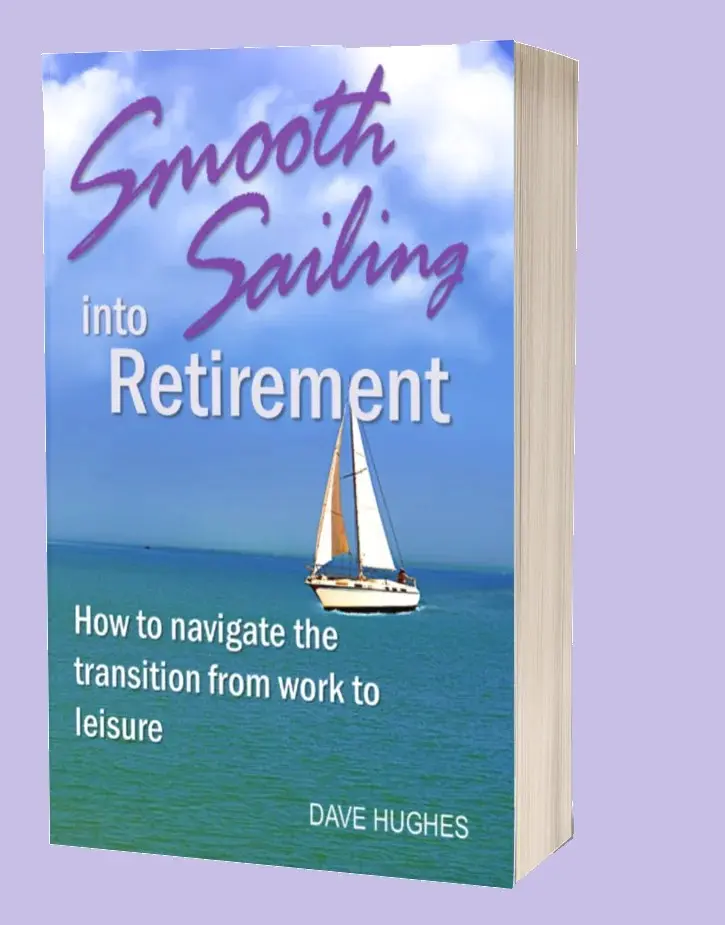
Dave Hughes, author of Smooth Sailing Into Retirement and advocate for the non-financial preparation of post-career life, emphasizes that retirement must be approached with a clear blueprint:

"We all love vacations and weekends because they give us a nice break from our work days. I hate to be the bearer of bad news, but retirement is not a permanent vacation. I think it’s more accurate to view retirement as each week being a 7-day weekend. When you wake up on your first non-work day, what will you do? Retirement is a fantastic opportunity to design the life you truly want to live. You are being given 40+ hours of your week back."
Furthermore, qualitative insights from early retirees underscore the profound shift in mindset required to embrace this life stage:
"There are so many other interesting ways to spend your time. I feel like early retirement is a gift, but it’s such an incredible gift. It’s a gift I need to use." — Martha Felt-Barton
Experts stress that shedding a corporate title—whether one was a software engineer, senior manager, or corporate executive—requires redefining personal identity. While a job title offers immediate prestige and validation, retirement forces individuals to construct an internal sense of purpose grounded in who they are rather than what they produce.

Future Outlook: Designing Your Post-Corporate Identity
As organizations continue to streamline operations and offer early exit incentives, the modern workforce will see an increasing number of professionals transitioning into retirement well before traditional milestones.
The future belongs to those who view early retirement not as an abrupt termination of utility, but as an invitation to self-reinvention. Successfully navigating this transition involves several forward-looking strategies:
- Embrace the Mindset Shift: Move away from annual reviews, KPIs, and corporate ladder-climbing. Accept that your new "job" is curating a life of personal satisfaction, health, and engagement.
- Build a Personal Portfolio: Just as investors diversify financial portfolios, retirees must diversify their time portfolios across physical, mental, social, and creative assets.
- Redefine Your Whether transitioning into an author, musician, volunteer coordinator, or consultant, establish a post-career identity that provides daily motivation and a compelling reason to wake up in the morning.
By pairing sound financial planning with robust psychological preparation, early retirement can transform from an imposed corporate disruption into the most rewarding chapter of an individual’s life.

0 Comments