

Executive Overview
While Florida is globally celebrated for its sun-drenched coastlines, neon-lit theme parks, and vibrant subtropical ecosystems, a far more chilling reality lurks beneath its tropical veneer. Far from the tourist-packed boardwalks and bustling metropolis centers lies a rich, deeply unsettling folklore woven from centuries of maritime disaster, Civil War tragedies, frontier violence, and occult history.
Every major global region lays claim to its own architectural or geographical nightmares—from the elusive Bigfoot of the Pacific Northwest and Scotland’s legendary Loch Ness Monster to Russia’s terrifying "Well to Hell." Yet, the Sunshine State holds a unique, eclectic catalog of urban legends that are as bizarre as they are bone-chilling. Blending historical fact with supernatural speculation, these ten eerie tales offer a glimpse into a darker side of Florida history. From vengeful swamp creatures and gravity-defying roads to haunted dolls and phantom hitchhikers, these are the urban legends guaranteed to keep even the bravest travelers awake at night.
Detailed Chronology & Historical Context
To truly understand Florida’s paranormal landscape, one must examine the timeline of trauma and settlement that birthed these legends. The state’s history is a turbulent mosaic of indigenous displacement, Spanish colonization, bloody territorial conflicts, and isolated frontier survival.

The chronology of these chilling tales spans over a century of development:
- The Civil War Era (1860s): Tales of wartime atrocities and frontier madness take root in places like Hardee County’s Bloody Bucket Bridge.
- The Late 19th Century (1889–1890s): The mysterious burial of Elizabeth "Bessie" Budd-Graham in Tallahassee and the tragic maritime accidents near the newly constructed St. Augustine Lighthouse establish lasting local myths.
- The Early 20th Century (1906): The arrival of Robert the Doll in Key West introduces voodoo lore and psychological horror to the island city.
- The Mid-to-Late 20th Century (1950s–1980s): The construction of modern engineering marvels—such as Spook Hill and the Sunshine Skyway Bridge—inadvertently creates modern automotive folklore, alongside the peak of Bigfoot mania that popularized the Florida Skunk Ape in the 1960s and ’70s.
The Top 10 Florida Urban Legends
1. The Bloody Bucket Bridge (Wauchula, Florida)
Located in Hardee County—proudly dubbed the "Cucumber Capital of the World"—Wauchula harbors a historical horror story far removed from its agricultural fame. Local folklore centers on the Civil War era, revolving around a slave who served as the town’s primary midwife. Haunted by the forced separation from her own child, the woman suffered a devastating psychological break.
According to legend, she began smothering the newborns she delivered, falsely informing grieving parents that the babies were stillborn. She would then carry their remains in a bucket to a nearby bridge, dumping them into the dark waters below. Eventually driven completely mad by her actions, she allegedly became haunted by visions of her buckets filling with autonomous blood. Today, local lore warns that visiting the bridge on the night of a full moon will reveal the river water running crimson.

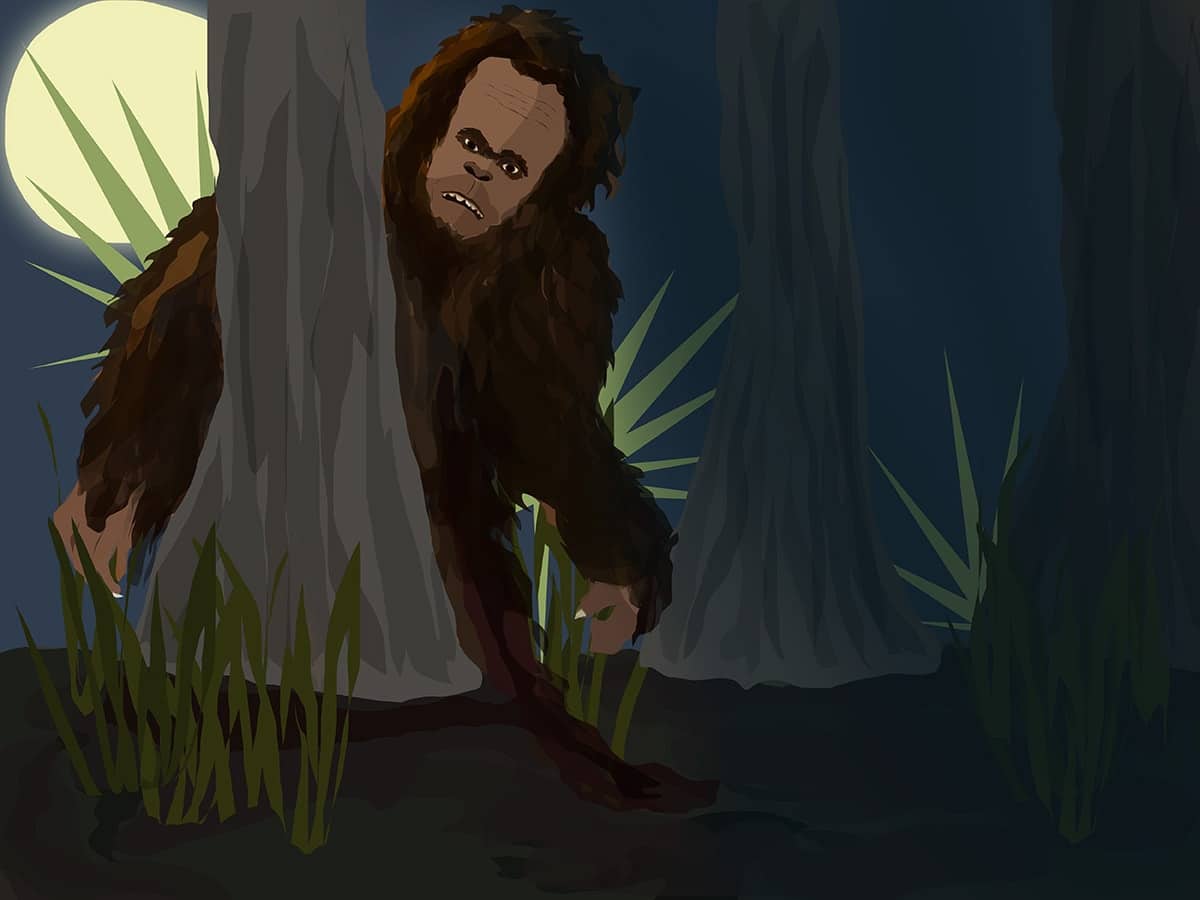
2. The Florida Skunk Ape (Ochopee, Florida)
Often called the Swamp Cabbage Man, the Stink Ape, or the Myakka Skunk Ape, this bipedal cryptid shares a lineage with the Pacific Northwest’s Bigfoot. Surging in popular culture during the cryptozoology mania of the 1960s and 1970s, the creature has been reported across South Florida, North Carolina, and Arkansas.
Distinguished by an overpowering, nauseating odor—allegedly compounded by its habitat sharing space with alligators and decaying swamp matter—the Skunk Ape remains a staple of southern folklore. Cryptozoologists can even visit the official Skunk Ape Research Headquarters in Ochopee, Florida, where researchers actively catalog historical sightings and field reports.
3. Spook Hill (Lake Wales, Florida)
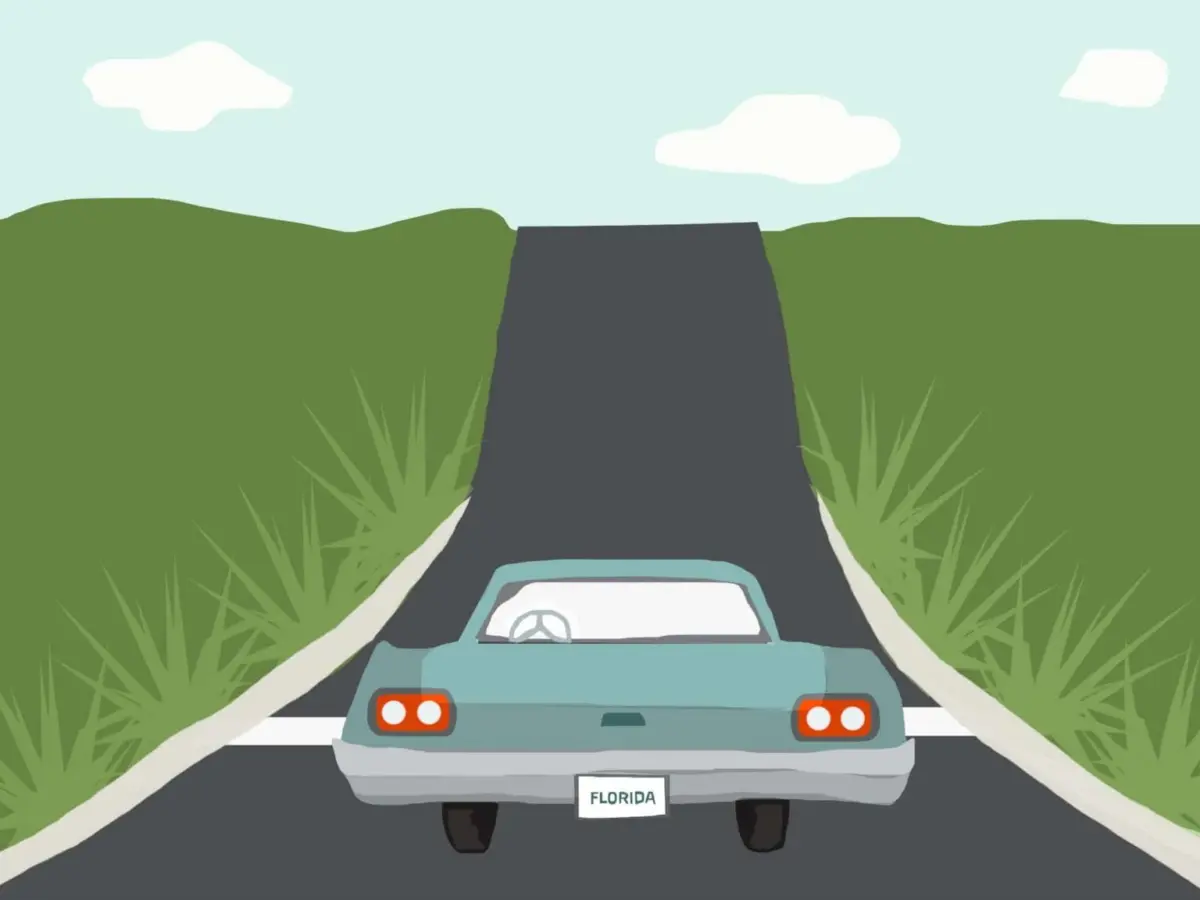
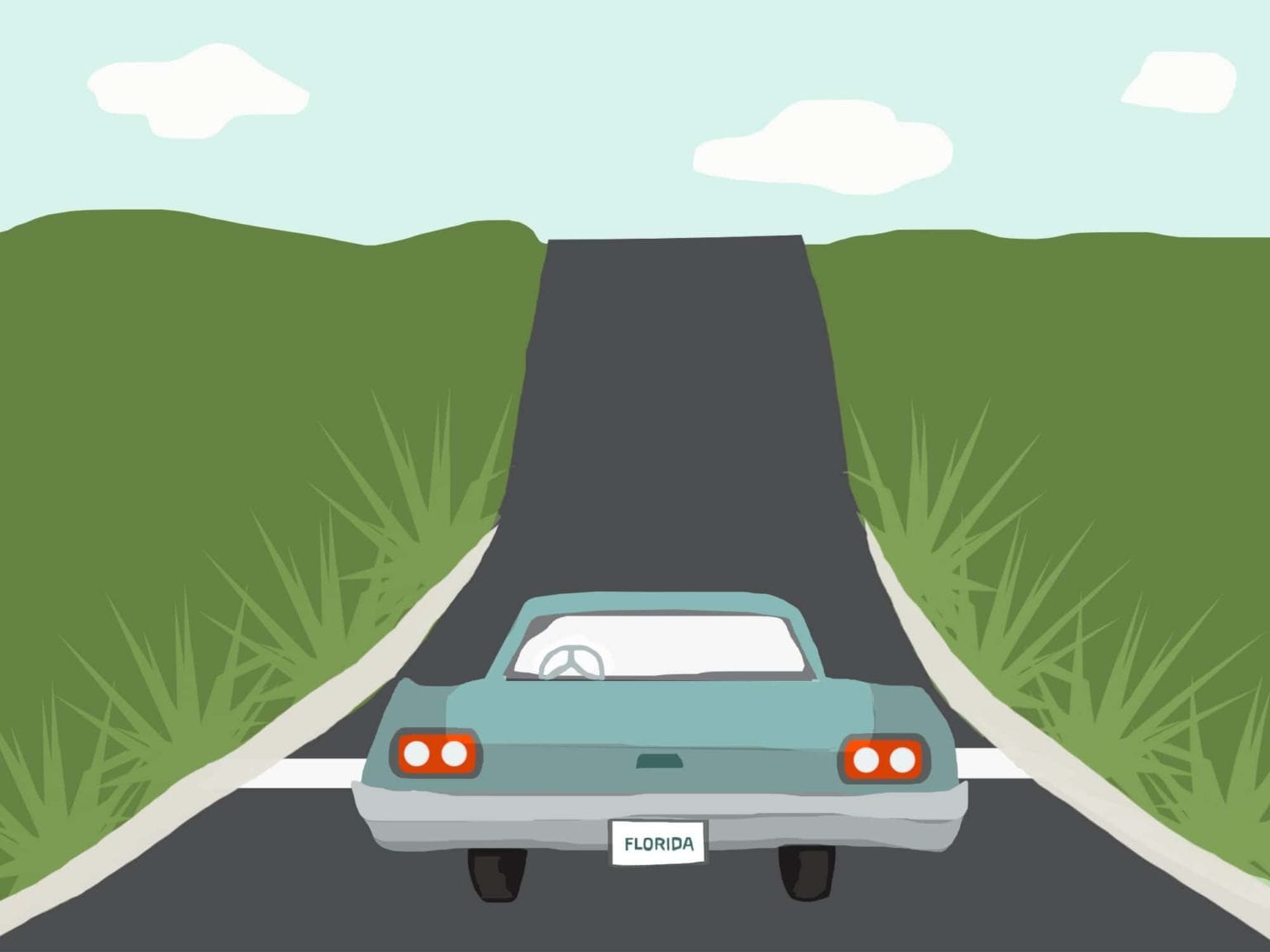
Gravity hills are rare geological anomalies, but Lake Wales has turned its natural curiosity into a supernatural phenomenon. On Spook Hill, motorists can pull their vehicles to a designated spot, place the transmission in neutral, and witness their cars seemingly roll uphill against the laws of physics.

Local roadside markers attribute the phenomenon to an ancient battle between a Native American village chief and a giant alligator. According to the legend, the chief slew the beast, creating a small lake, and was buried on the northern slope. When pioneer mail riders first noticed their horses struggling to pull carriages down the slope, they named it Spook Hill. Today, locals debate whether the phenomenon is caused by optical illusions, magnetic anomalies, or a tribal chief continuing to protect his sacred burial grounds.
4. Robert the Doll (Key West, Florida)
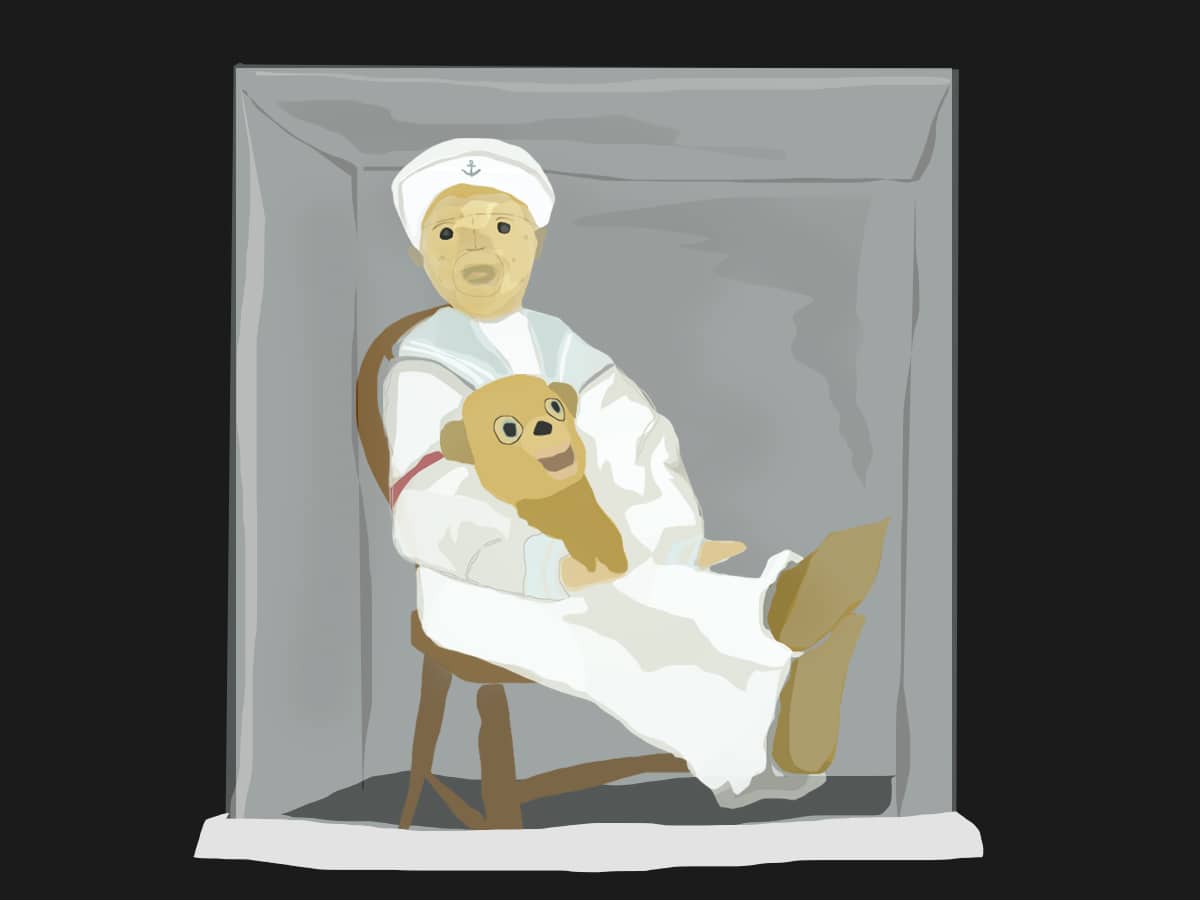
Scoring an 11 out of 10 on the scale of unsettling artifacts, Robert the Doll is a Key West legend with international notoriety. In 1906, a young boy named Robert Eugene Otto—who chose to go by "Gene"—was given a 40-inch-tall doll stuffed with wood wool and dressed in a miniature sailor suit by a household nanny who practiced voodoo.
Gene quickly adopted the doll as his closest confidant, giving it his own name and holding hushed conversations with it for hours. Soon, family members and neighbors reported hearing a second, distinct voice answering Gene back. Others claimed to see the doll pacing the upper windows of the house when the family was away. Today, Robert resides securely behind glass at Fort East Martello Museum, where curators warn visitors to ask the doll’s explicit permission before taking a photograph—or risk instantaneous camera malfunctions.
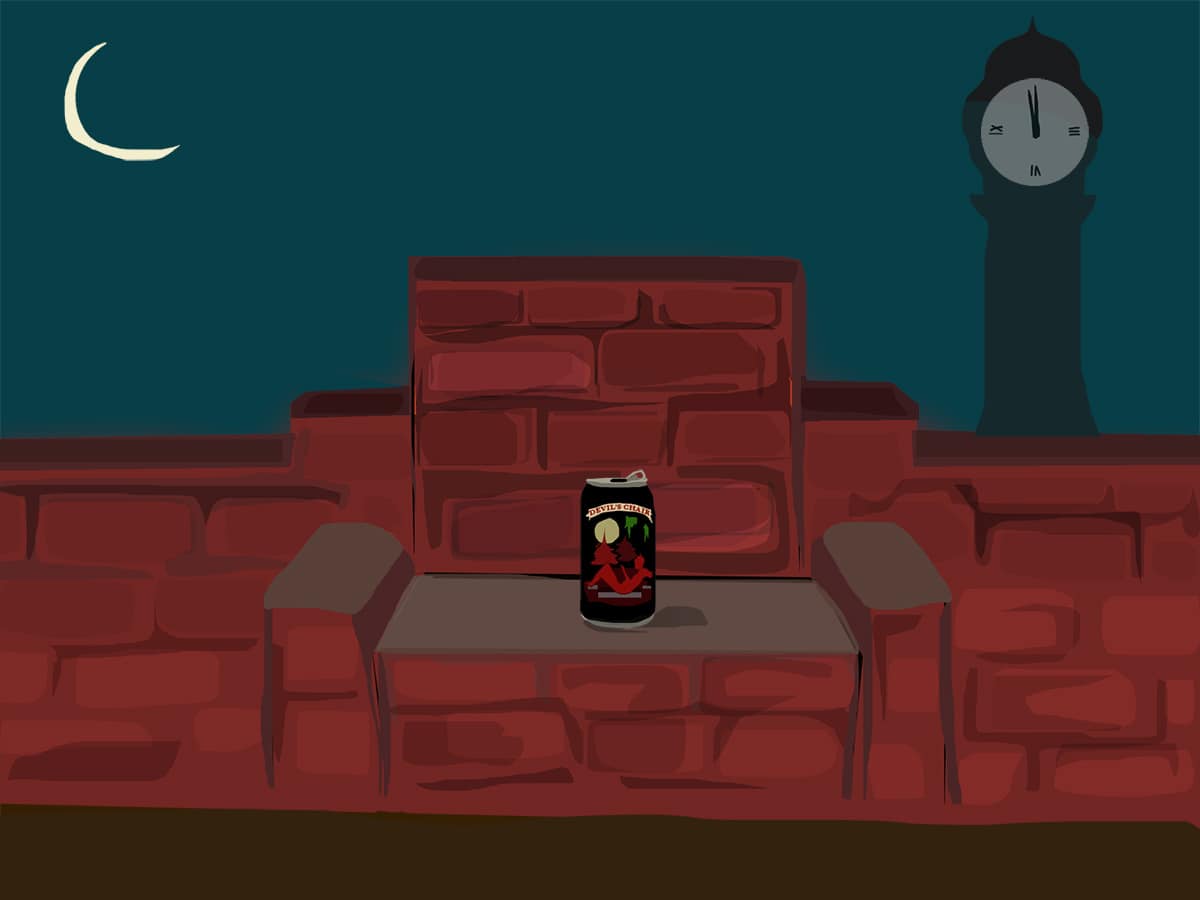
5. The Devil’s Chair (Cassadaga, Florida)
Cassadaga is internationally celebrated as the "Psychic Capital of the World" due to its high concentration of spiritual mediums and clairvoyants. However, the town’s most infamous attraction is a municipal cemetery containing the infamous "Devil’s Chair."
Legend claims the wide, solid-brick bench was constructed by Lucifer himself, who returns every night at midnight to sit and contemplate worldly sins. Folklore warns that anyone brave enough to sit in the chair will be whispered dark, insidious ideas and haunted for the rest of their days. An even stranger companion myth claims that if an unopened can of beer is left on the chair overnight, it will be found completely empty by morning—without the pull-tab ever having been cracked.
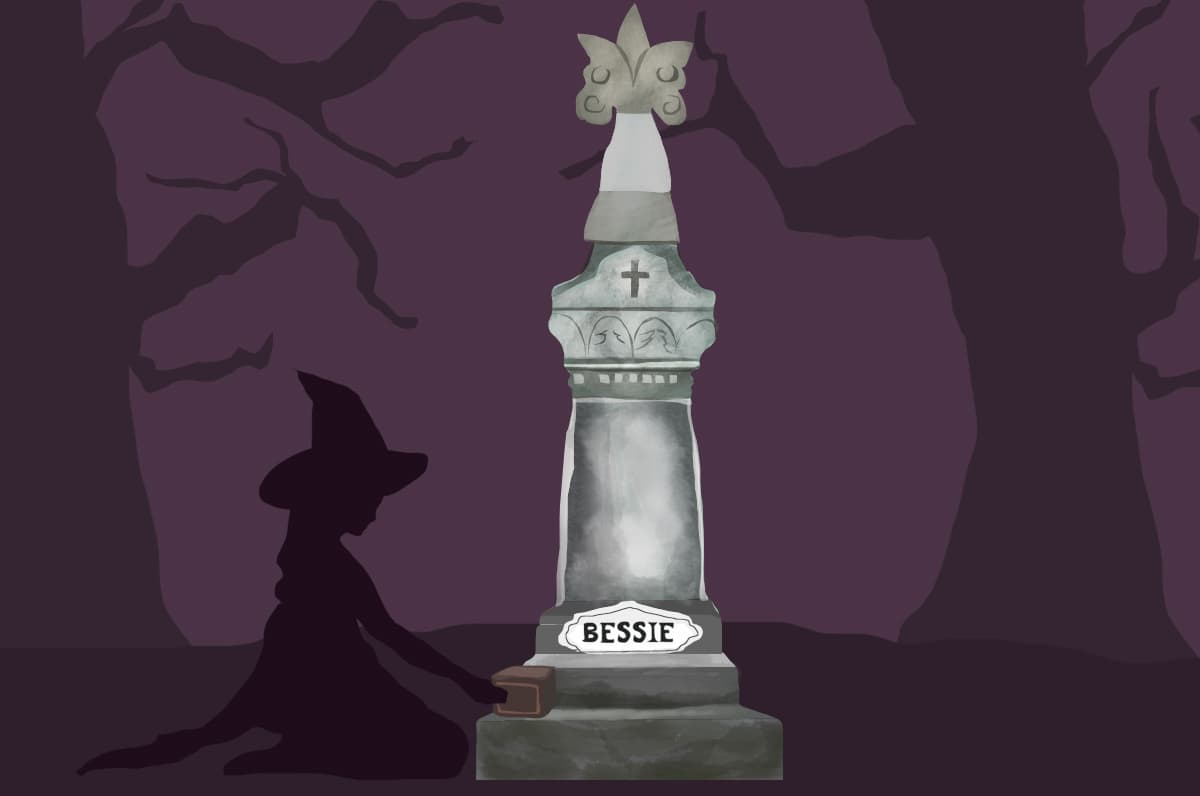
6. The Grave of the Tallahassee Witch (Tallahassee, Florida)
In 1889, a 23-year-old mother and wife named Elizabeth "Bessie" Budd-Graham was laid to rest in Tallahassee’s historic Old City Cemetery. Despite her brief and unremarkable life in historical records, her tombstone is among the most ornate in the cemetery, sparking persistent rumors that she was secretly a practitioner of the occult.
Occult theorists point to two major pieces of "evidence": her grave faces west rather than the traditional Christian eastward orientation, and her epitaph features an adapted excerpt from Edgar Allan Poe’s haunting poem, Lenore:
"Ah! Broken is the golden bowl. The spirit flown forever! Let the bell toll! A saintly soul floats on the Stygian River…"
Esoteric scholars argue that phrases like "broken is the golden bowl" and "doubly dead" carry secret codes related to vampire execution and witchcraft traditions. To this day, modern practitioners of the occult frequently leave tokens and gifts at her gravesite.
7. The Ghosts of the St. Augustine Lighthouse (St. Augustine, Florida)
As the nation’s oldest continuously occupied European-established city, St. Augustine is saturated with maritime history and tragedy. Built in 1874, the historic lighthouse is the site of numerous documented paranormal investigations.
One prominent resident is Peter Rasmussen, an early lighthouse keeper with a notorious penchant for cigars; staff and visitors frequently report catching the distinct aroma of tobacco smoke in closed, empty stairwells. A far more tragic tale involves the Pity sisters—Eliza and Mary—who tragically drowned in the adjacent bay during nineteenth-century construction renovations. Visitors to the observation deck late at night still report hearing the faint, chilling sound of children laughing from the top of the tower.
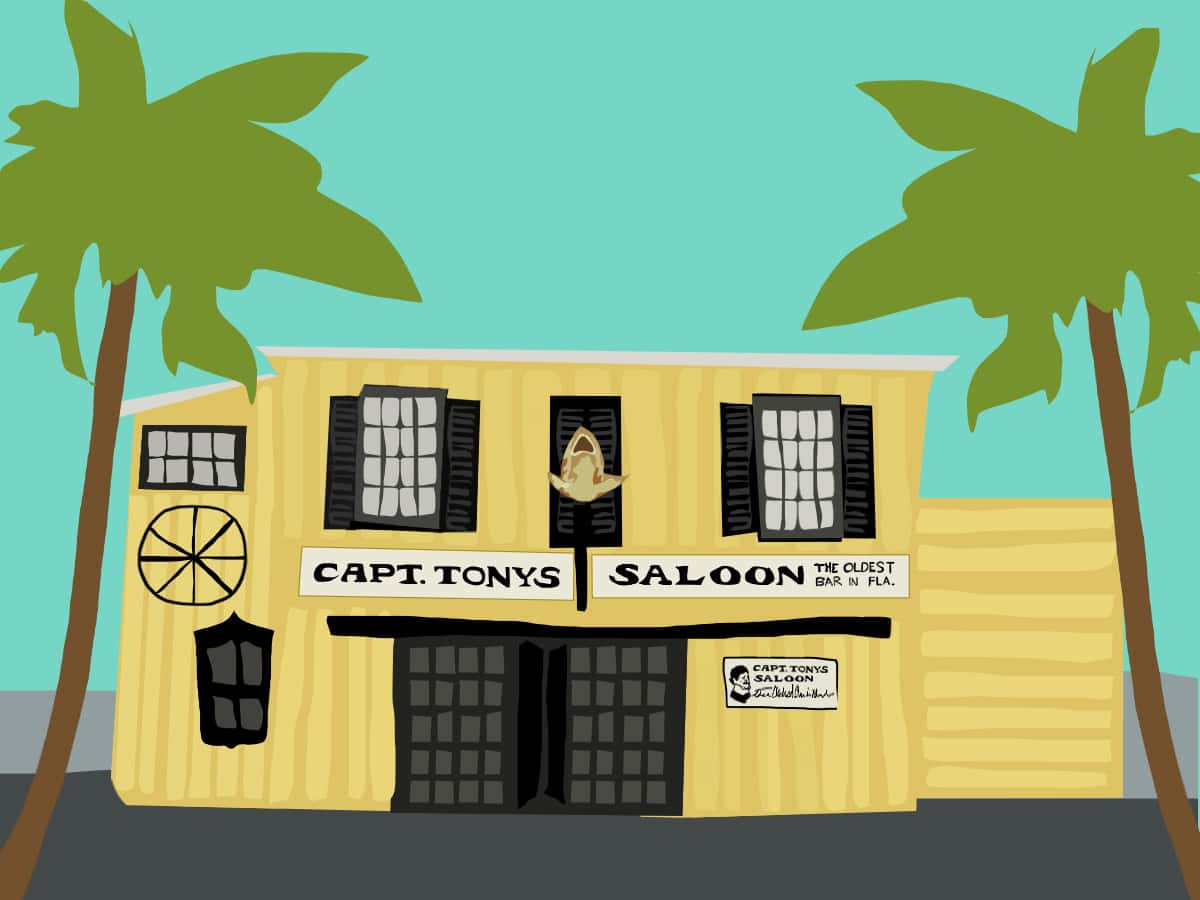
8. The Hanging Tree at Captain Tony’s Saloon (Key West, Florida)
Long before it became a legendary watering hole, the building housing Captain Tony’s Saloon served many functions: a wireless telegraph station, a cigar factory, a temporary morgue, and the site of Key West’s official public gallows.
The structure was literally built around the city’s notorious "hanging tree," where local pirates and criminals met their end. During major floor renovations in the 1980s, construction workers uncovered the skeletal remains of over a dozen bodies buried beneath the floorboards. Today, patrons report relentless paranormal activity, including phantom voices, mysteriously locked bathroom doors, and the heavy, oppressive atmosphere of a colonial execution site.
9. The Sunshine Skyway Bridge Phantom (Tampa Bay, Florida)
Stretching majestically across the mouth of Tampa Bay to connect St. Petersburg and Bradenton, the Sunshine Skyway Bridge is a triumph of modern civil engineering. Tragically, its staggering height has also made it a focal point for hundreds of tragic suicides over the decades, compounded by a catastrophic 1980 shipping accident that collapsed a central span and killed 36 people.
Motorists crossing the span late at night frequently report encountering a distressed, beautiful blonde hitchhiker. According to drivers who have pulled over to assist her, she climbs into the vehicle and maintains a somber silence until the car reaches the apex of the bridge, where she begins to weep before vanishing into thin air while the vehicle is still in motion.
10. The Fairchild Oak (Ormond Beach, Florida)
Situated within Bulow Creek State Park, the Fairchild Oak is a botanical marvel boasting a massive trunk and an expansive canopy draped in thick, weeping Spanish moss. Yet, beneath its picturesque exterior lies a dark local reputation.
According to regional park lore, the ancient oak was the site of multiple historical suicides. Visitors walking beneath its heavy branches frequently report sudden, overwhelming waves of existential sorrow, depression, and unexplained anxiety. Some paranormal enthusiasts claim to have witnessed a sorrowful male apparition lingering near the roots before dissolving into the shadows of the park.
Supporting Context & Metrics
The persistence of these urban legends is not merely a cultural oddity; it drives a thriving tourism subsector across Florida.

- Economic Impact: Haunted tourism, ghost tours, and paranormal excursions generate tens of millions of dollars annually for historical districts in Key West, St. Augustine, and Cassadaga.
- Preservation: Paradoxically, local urban legends often serve as the primary catalyst for historical preservation. Historic preservation societies leverage ghost stories and folklore to secure grant funding and community interest for deteriorating nineteenth-century structures, cemeteries, and landmarks.
- Cultural Longevity: Digital platforms, podcasts, and video documentaries have amplified these regional tales, transforming hyper-local rumors into globally recognized destinations for dark tourism enthusiasts.
Official Statements & Expert Perspectives
Historians, folklorists, and local tourism boards maintain a nuanced view regarding the intersection of history and paranormal folklore.
"Urban legends are rarely born out of thin air," notes regional Florida historian Marcus Vance. "In a state that developed as rapidly and violently as Florida—through frontier wars, yellow fever epidemics, economic busts, and devastating hurricanes—folklore acts as a psychological coping mechanism. The ghost stories and urban legends we tell are simply our way of processing unresolved historical trauma."
Tourism representatives in historic enclaves like Key West and St. Augustine emphasize that while the tales may stretch the boundaries of scientific verification, they offer an authentic connection to the past.
"When visitors step into Captain Tony’s Saloon or walk the grounds of Fort East Martello to see Robert the Doll, they aren’t just seeking a cheap scare," a representative from the Key West Art & Historical Society stated. "They are engaging with tangible pieces of our island’s complex cultural heritage. The stories give a voice and a narrative to the ordinary people who lived, suffered, and built these communities centuries ago."
Future Outlook
As Florida continues to experience rapid population growth, urban development, and modernization, its historical landscapes face constant pressure from real estate expansion and infrastructure projects. Ironically, this rapid transformation tends to amplify interest in the state’s vanishing wild spaces and historic markers.
Experts predict that dark tourism and paranormal exploration will continue to grow in popularity. Digital media evolution—ranging from immersive augmented-reality ghost tours to high-production investigative podcasts—ensures that legends like Robert the Doll, Spook Hill, and the Bloody Bucket Bridge will endure for generations to come. Far from fading away in the Florida sun, these shadows will continue to captivate, terrify, and remind residents and travelers alike that beneath the paradise lies a deep, enduring mystery.

0 Comments