

Executive Overview
For decades, the cultural narrative surrounding retirement has painted a picture of absolute, unmitigated leisure: endless mornings sipping coffee on the veranda, uninterrupted afternoons on the golf course, and a stress-free existence devoid of alarms, deadlines, and corporate politics. Yet, for millions of newly minted retirees, reality tells a sharply contrasting story.
Step into the daily routine of a typical retiree, and you are far more likely to find a calendar crammed to the margins. Errands, household chores, doctor’s appointments, yard work, social club meetings, and hours spent consuming television and media quickly fill the vacuum left by a 40-hour workweek. Indeed, many retirees report being just as busy—if not busier—than they were during their peak career years.
While staying active certainly beats the alternative of paralyzing boredom, a subtle psychological shift often occurs after the initial novelty of retirement wears off. Somewhere around year two, as the dust settles into a predictable routine, a quiet discontentment begins to surface. Retirees look at their packed schedules and ask a haunting question: Is this all there is?

The core crisis of modern retirement is not a lack of activity; it is a profound deficit of fulfillment. While society conditions us to equate busyness with productivity and worth, human psychology dictates that constant motion and superficial pleasure are poor substitutes for deep, abiding purpose. True retirement satisfaction requires stepping off the relentless treadmill of "doing" and transitioning toward a life curated by intentionality, personal alignment, and intrinsic reward.
Detailed Chronology: The Evolution of the Retirement Transition
Understanding the modern retirement crisis requires examining the psychological milestones that individuals typically experience upon exiting the workforce.
[The Honeymoon Phase] ──> [The Busy Trap] ──> [The Discontented Plateau] ──> [The Intentional Awakening]
   (Months 1 - 6)           (Months 6 - 18)        (Years 1 - 2+)                (Ongoing)
- Relief from stress     - Accumulation of chores - Realization of emptiness   - Mindset shift & lists
- Sense of freedom       - Over-scheduled days    - Search for fulfillment      - Designing a purposeful life
Phase 1: The Honeymoon Phase (Months 1–6)
The immediate aftermath of leaving a career is characterized by an overwhelming sense of relief. The psychological weight of corporate performance reviews, quarterly quotas, and rigid morning commutes lifts almost overnight. During this initial period, rest, relaxation, and spontaneous travel provide an immediate, satisfying high. Sleep debt is paid off, and long-delayed home projects are finally tackled.

Phase 2: The Busy Trap (Months 6–18)
As the novelty of pure leisure fades, human nature—accustomed to structure and productivity—kicks in. Without the organizing framework of a job, a strange phenomenon occurs: minor tasks, administrative errands, and social obligations expand to fill the available time. Calendars fill up with routine commitments. The retiree marvels at how they ever managed to work a full-time job while still handling these responsibilities, failing to realize that their schedule has simply been co-opted by low-stakes busyness.
Phase 3: The Discontented Plateau (Years 1–2 and Beyond)
Eventually, the illusion of busyness wears thin. The retiree realizes that a day spent running errands, cleaning gutters, and watching three hours of evening television lacks systemic meaning. A subtle anxiety or melancholia sets in. They discover that being constantly occupied is not the same as being deeply engaged. The realization hits: they have traded the rigid deadlines of a career for a self-imposed prison of trivial tasks.
Phase 4: The Intentional Awakening (Ongoing)
The final stage of a successful transition involves an intentional reckoning. By breaking free from the societal conditioning that equates human worth with non-stop productivity, the retiree begins to audit their time. Through deliberate introspection—often utilizing structured exercises like "Start, Stop, Keep Doing" audits—they redesign their daily existence around activities that genuinely resonate with their core values.

Supporting Context & Metrics: The Psychology of Busyness and Purpose
To contextualize this phenomenon, modern psychological and sociological research sheds light on why humans struggle so immensely with unstructured time.
The Productivity Trap and Cultural Conditioning
For generations, modern industrial societies have tethered human identity to economic output. From childhood through our late sixties, we are measured by grades, titles, promotions, and bank accounts. When an individual retires, they do not automatically shed these decades of psychological conditioning.
Psychologists note that many retirees suffer from phantom productivity syndrome—an involuntary compulsion to justify their existence through constant motion. If they are not checking off items on a to-do list, sweeping a floor, or volunteering, they feel an underlying hum of guilt.

Pleasure vs. Fulfillment: The Neurological Divide
Neuroscience distinguishes sharply between the dopamine spikes associated with immediate pleasure and the sustained serotonin and endorphin levels linked to deep fulfillment.
- Pleasure is passive and fleeting. It includes eating a rich meal, watching a gripping movie, or lounging on a beach. It is enjoyable, but it leaves no lasting legacy of personal growth.
- Fulfillment is active and enduring. It stems from mastery, creativity, contribution, and authentic connection. It is the feeling of being "in the zone"—whether writing, painting, mentoring, or communing deeply with nature.
While pleasure is a necessary and healthy component of a balanced life, it cannot anchor a human soul for thirty consecutive years of retirement. Without purpose, pleasure quickly devolves into hollow distraction.
Official Perspectives & Expert Insights
Gerontologists, retirement coaches, and behavioral psychologists increasingly warn that financial planning is only half the battle when preparing for post-career life.

"Retirement is not a destination of endless leisure; it is an unwritten canvas. The greatest challenge most retirees face is not running out of money, but running out of meaning."
Experts emphasize that while career fulfillment was constrained by economic viability—meaning we had to get paid for our labor—retirement offers an unprecedented window of autonomy. For the first time in an adult’s life, economic utility is completely decoupled from personal value.
Furthermore, retirement specialists note a distinct gender divide in how the transition is experienced. Men, who often over-identify with their professional titles and corporate networks, frequently experience a sharp identity crisis upon retirement, throwing themselves into hyper-scheduled home projects or advisory boards to recapture status. Women, who more frequently maintain robust social networks and community ties outside the workplace, often navigate the social transition more smoothly, yet may still fall into the trap of over-committing to caretaking roles that neglect their own personal desires.

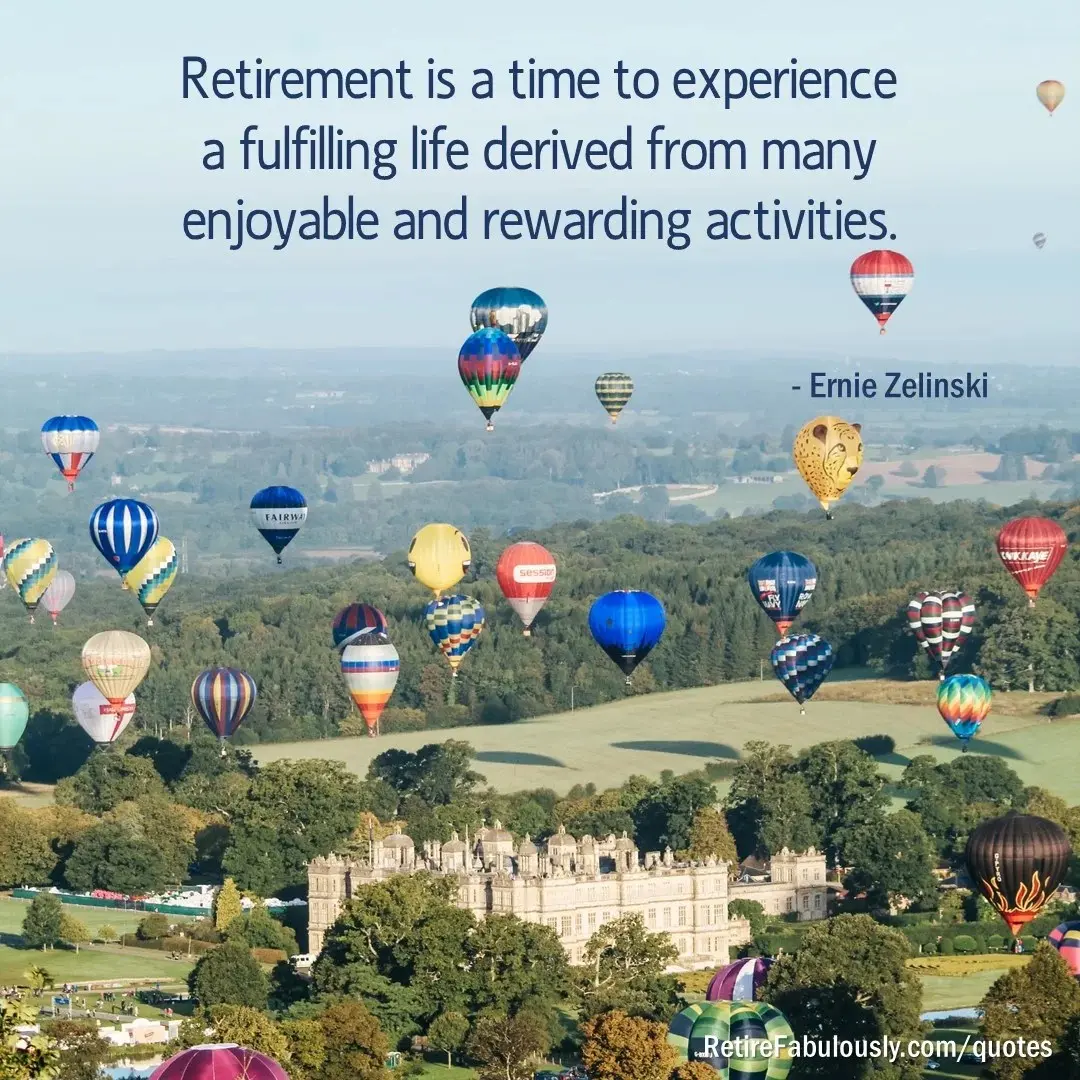
Renowned retirement authors and thinkers echo these sentiments, stressing that the ultimate objective of retirement is not to avoid work, but to curate a life based entirely on personal authenticity. As highlighted in literature focusing on designing dream retirements, the secret lies in achieving a harmonious portfolio of activities that keep the mind sharp, the body active, and the spirit genuinely inspired.
Future Outlook: Curating Your Personal Renaissance
As life expectancies rise, modern retirement is evolving from a brief period of decline into a vibrant, multi-decade life stage often referred to as a "personal renaissance."
To capitalize on this golden window, retirees must move away from reactive busyness and toward proactive life curation. This requires structural self-reflection. Experts recommend conducting a periodic personal audit using three distinct pillars:

1. The "Start, Stop, Keep Doing" Audit
Find a quiet, distraction-free environment and evaluate every routine component of your week.
- Stop Doing: Eliminate activities driven purely by obligation, guilt, or the ingrained reflex to stay "productive" for productivity’s sake.
- Keep Doing: Preserve those routines and relationships that genuinely add joy, health, and comfort to your daily existence.
- Start Doing: Reintroduce forgotten passions, creative pursuits, intellectual explorations, or physical adventures that you shelved decades ago due to career pressures.
2. Shifting from "Should" to "Want"
For decades, your choices have been dictated by external demands: what your boss needed, what your clients expected, what your family required. Retirement demands a radical cognitive inversion. Every decision must be filtered through a single, liberating filter: Do I genuinely want to do this?
3. Embracing the Freedom of Self-Definition
Ultimately, retirement offers the rare luxury of self-authorship. By letting go of the need to accumulate external accolades, professional titles, or continuous output, retirees can discover a profound sense of peace. The ultimate measure of a successful retirement is not how many items you checked off your daily errand list, but how often you cultivated moments that made your heart sing.

0 Comments