

Executive Overview
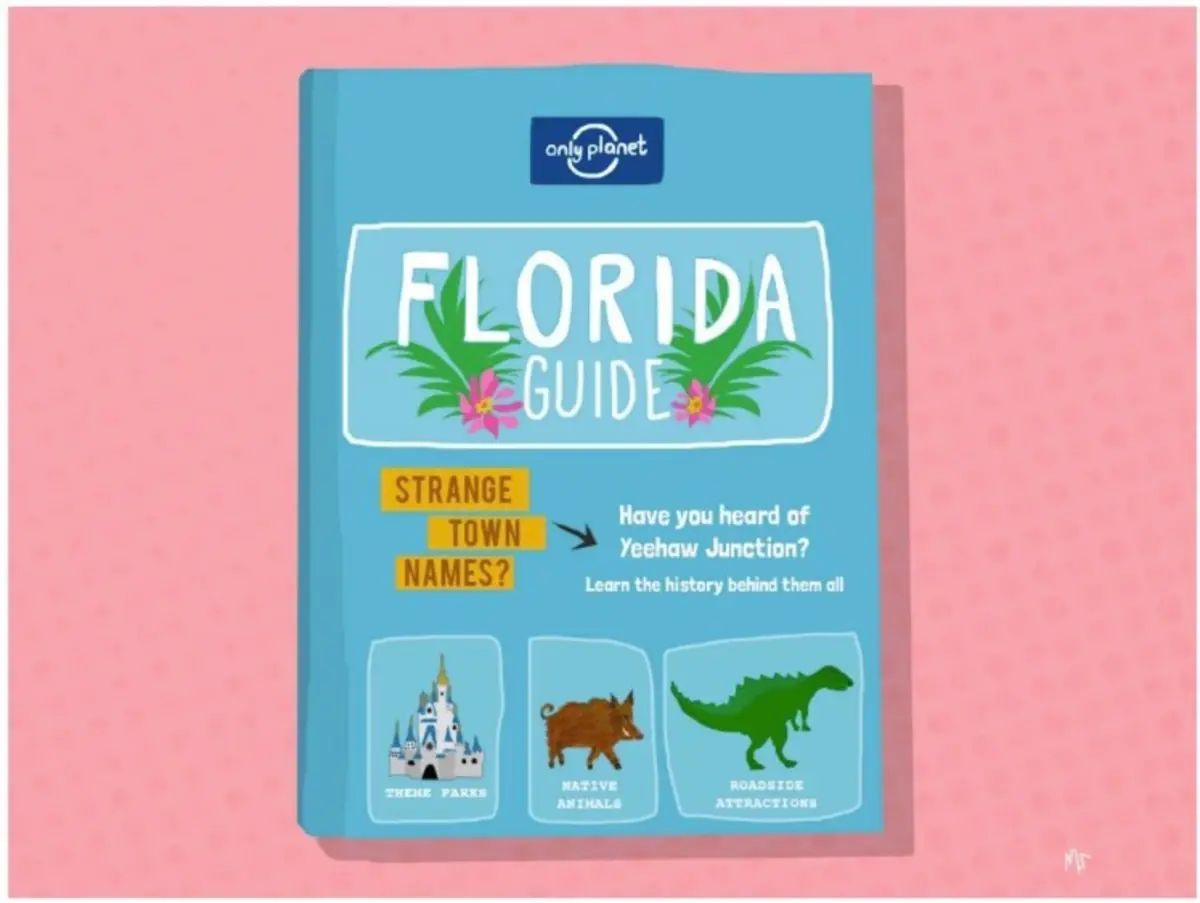
Between the state’s aquatic predators, its headline-grabbing citizenry, and its evolving reputation as a haven for high-profile political figures, Florida is frequently characterized as America’s eccentric uncle. Much like the relative who leaps fully clothed into a Christmas morning swimming pool just to capture a chaotic family photograph, the Sunshine State has long marched to the beat of its own eccentric drum.
However, this penchant for the unconventional is far from a modern phenomenon. Long before the era of viral internet culture and reality television spectacles, Florida’s early pioneers, surveyors, postmasters, and developers planted the seeds of institutional oddity. This was achieved by bestowing names upon their settlements that range from the merely curious to the downright baffling.
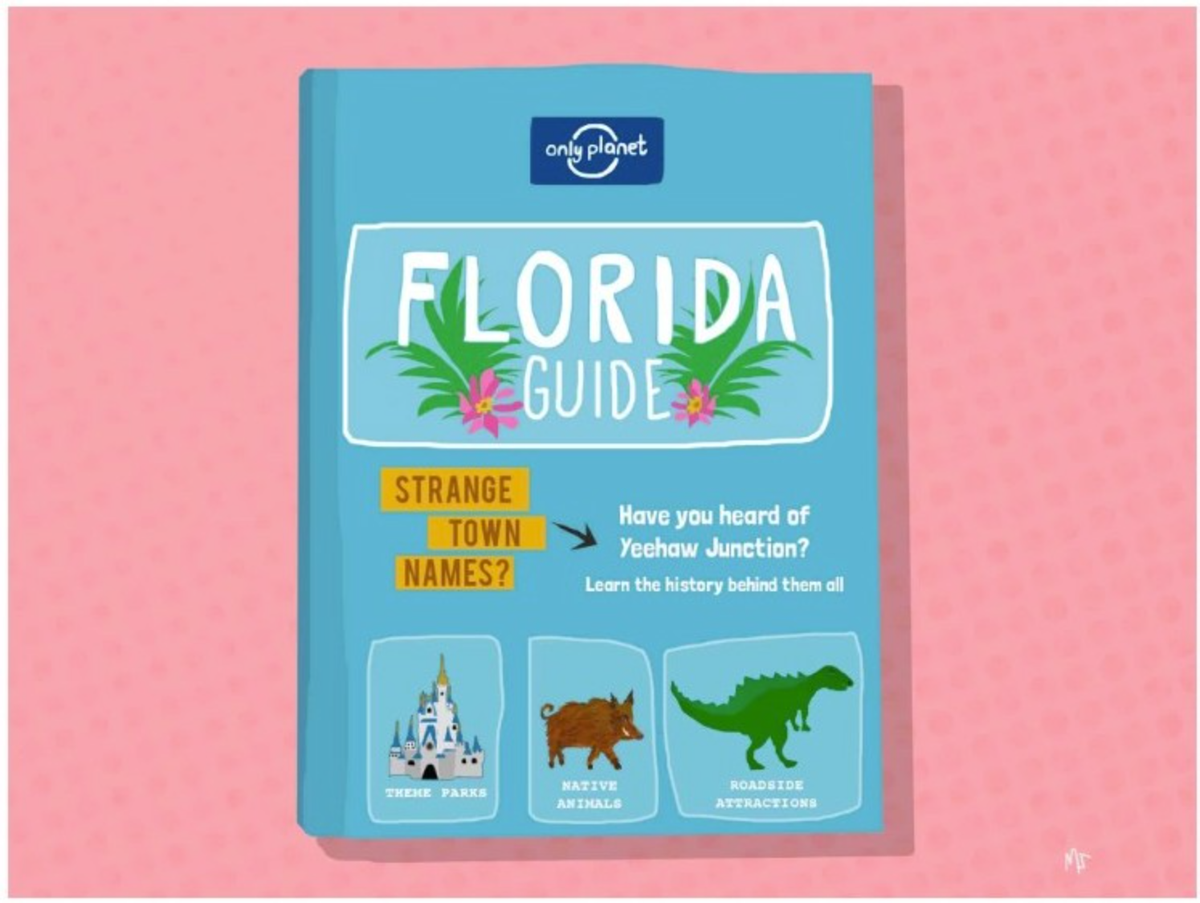
From communities baptized after breakfast condiments and unrequited romances to those bearing the names of foreign capitals or missing the letter "F" altogether, Florida’s geopolitical map serves as a geographic archive of its colorful past. This investigation delves into the historical records, local folklore, and surprising legacies behind ten of the strangest town names in the Sunshine State, exploring how these peculiar monikers came to be and what they reveal about the evolution of the American frontier.
Detailed Chronology of Florida’s Eccentric Nomenclature
To understand how Florida acquired such a whimsical collection of place names, one must examine the chronological tapestry of its settlement—a timeline marked by wartime strategy, citrus booms, economic desperation, and romantic whims.
1. The Second Seminole War and the Founding of Christmas (1837)
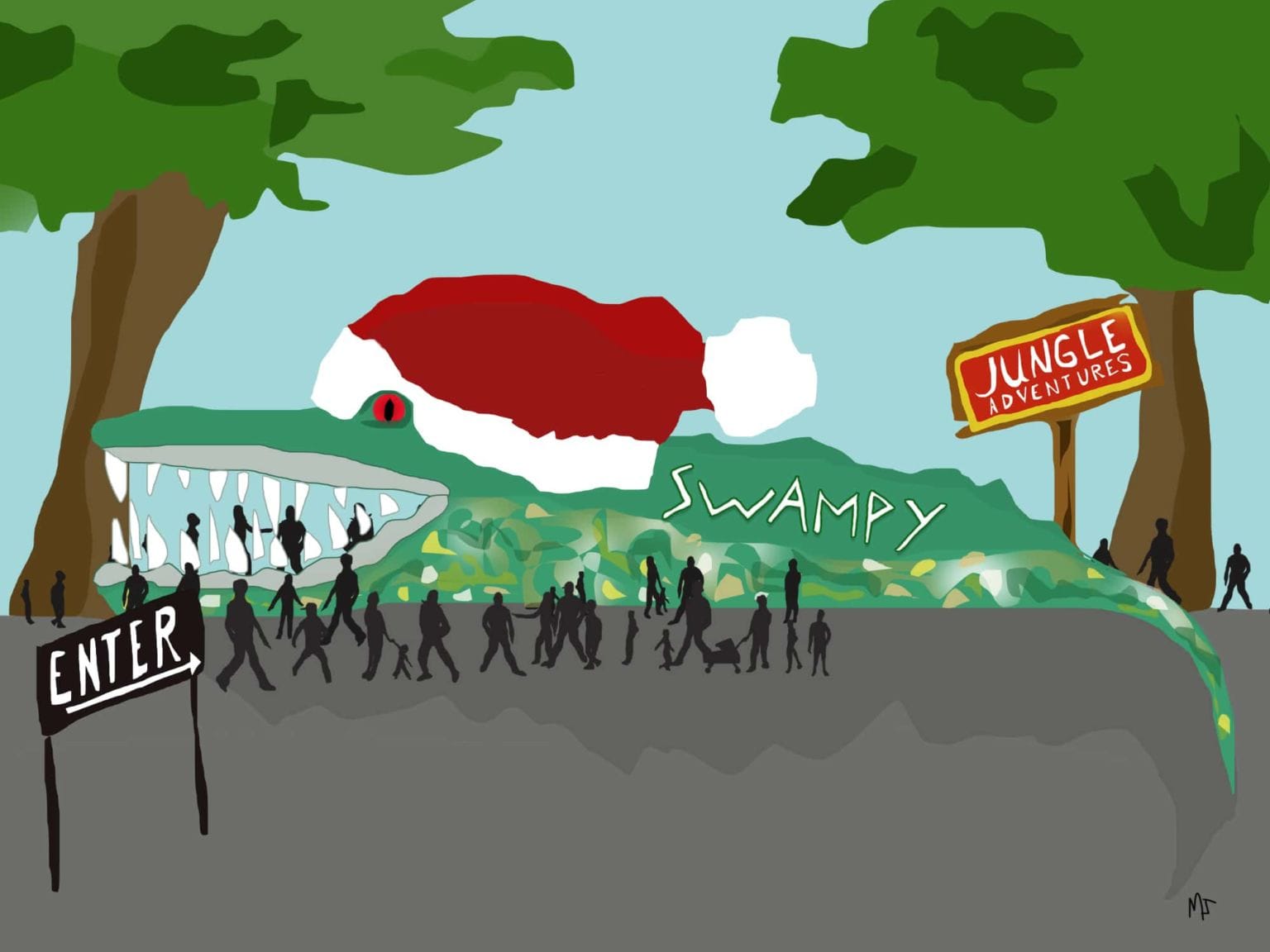
Long before it became associated with holiday cheer and the world’s largest alligator-shaped building, the site of Christmas, Florida, was chosen for entirely tactical reasons. On December 25, 1837, amidst the violent upheavals of the Second Seminole War, a massive contingent of 2,000 U.S. Army soldiers and Alabama volunteers marched into the region of Central Florida. Their mission was to establish a fortified military outpost. Completing construction on Christmas Day, the troops aptly named the installation Fort Christmas. Today, a full-scale historical replica stands as a testament to this martial origin, while the modern post office sees a seasonal surge of holiday mail dispatched from residents eager to bear the postmark of "Christmas, Florida."
2. The Civil War Era and the Genesis of Two Egg (1860s)
Moving to the northwestern panhandle during the turbulent era of the American Civil War, a small community initially known as Allison—named after a local sawmill enterprise—began to take shape in Jackson County. However, the official moniker would be completely upended decades later during the economic despair of the Great Depression. According to local lore, two young boys would frequently visit a local mercantile store to barter two simple eggs in exchange for essential family commodities like sugar. The transaction became so routine that the establishment, and eventually the entire surrounding settlement, became colloquially and permanently known as Two Egg.
3. The Post Office Romance of Lulu (1890s)
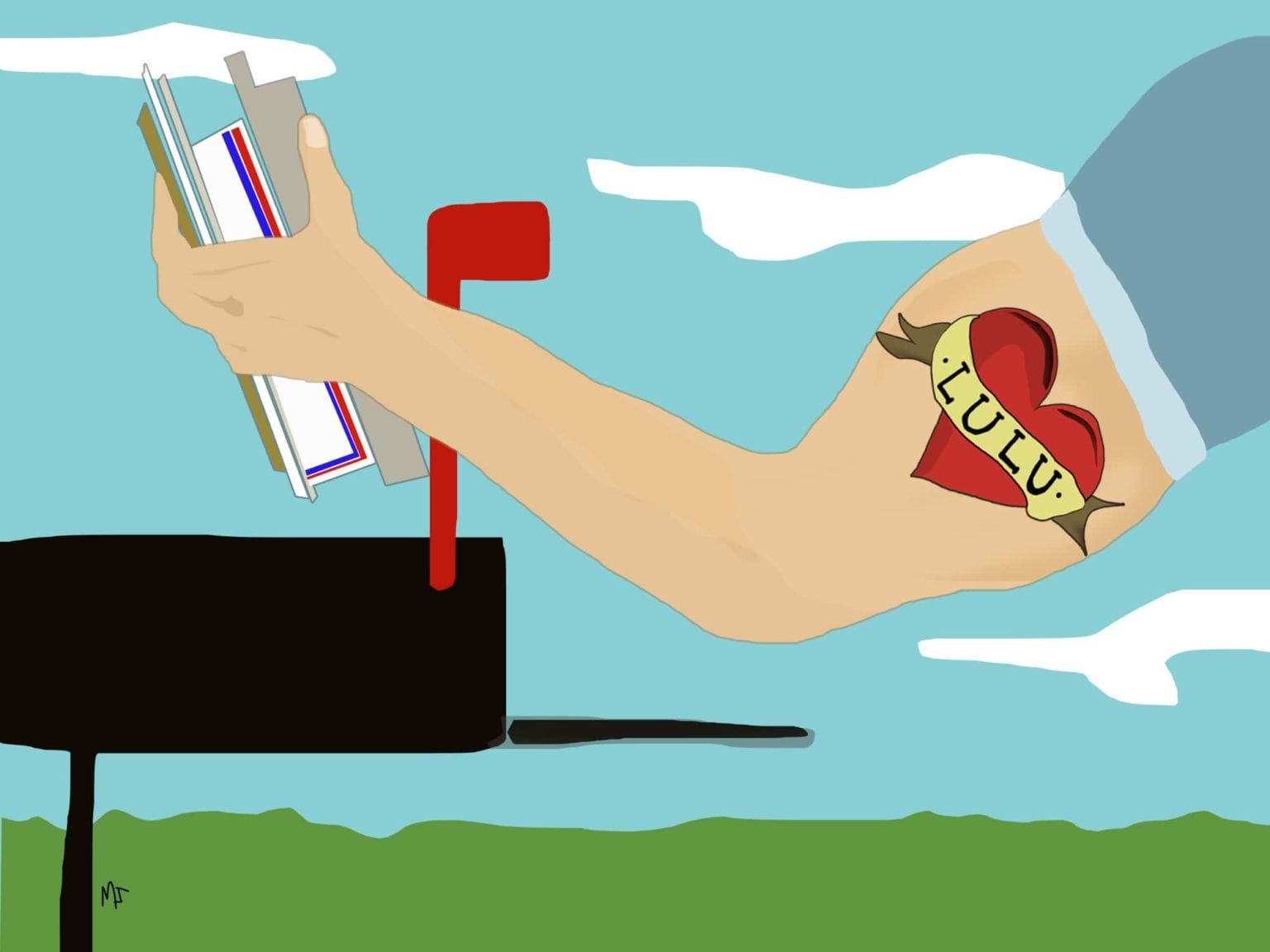
By the final decade of the 19th century, the expansion of postal routes across North Central Florida led to the formal naming of minor settlements. In Columbia County, a small unincorporated community required a designation for its newly established post office. The inaugural postmaster decided to honor the sentiment of the hour by naming the town after his romantic partner, Lulu. Although the romance itself ultimately withered away, the geographical dedication endured, cementing the ephemeral love affair into the permanent cartography of Columbia County.
4. The Citrus Boom and the Birth of Frostproof (Early 20th Century)
As Florida entered the 20th century, real estate developers and agricultural barons sought innovative ways to market the state’s interior. Situated in the southern end of Polk County, the town of Frostproof was established to lure agricultural investors. While no region in Florida is entirely immune to sub-freezing temperatures, agricultural planners intentionally adopted the moniker "Frostproof" as a marketing tactic. The goal was to reassure citrus growers—whose crops are notoriously vulnerable to cold snaps—that the local microclimate was safe for investment, a gamble that helped shape the state’s agricultural economy.
5. The Naming of Howey-in-the-Hills (1925–1927)
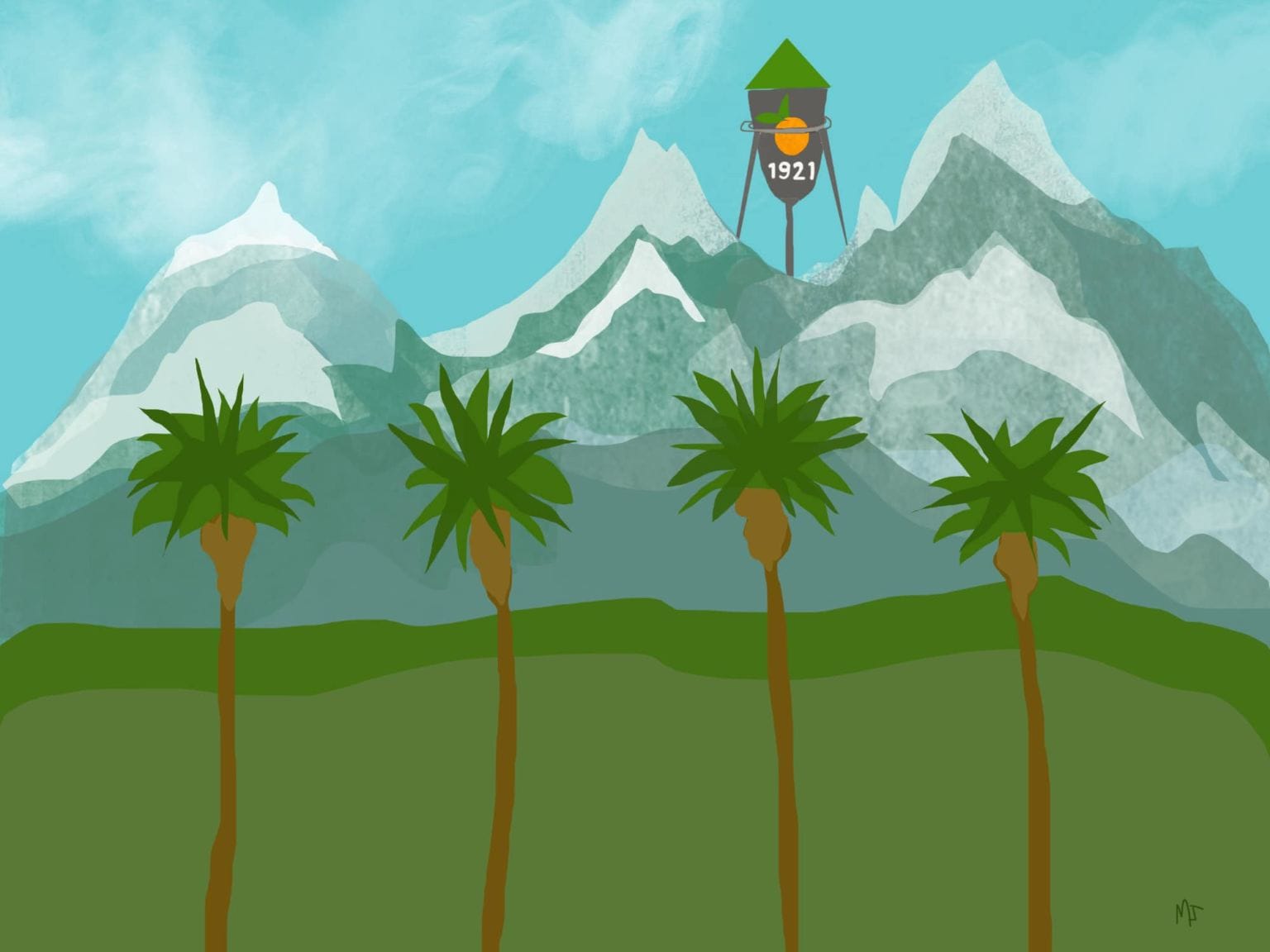
In 1925, citrus juice pioneer William John Howey founded a settlement in Lake County simply named "Howey." Recognizing the unique geography of the region—which featured undulating topography entirely atypical of Florida’s generally flat landscape—Howey grandly referred to the hills as "the Florida Alps." Capitalizing on this topographical anomaly, the town officially altered its name to Howey-in-the-Hills in 1927, permanently linking the industrial citrus magnate’s vision to the rolling landscape northwest of Orlando.
6. The Great Depression and the Rise of Briny Breezes (1920s–1930s)
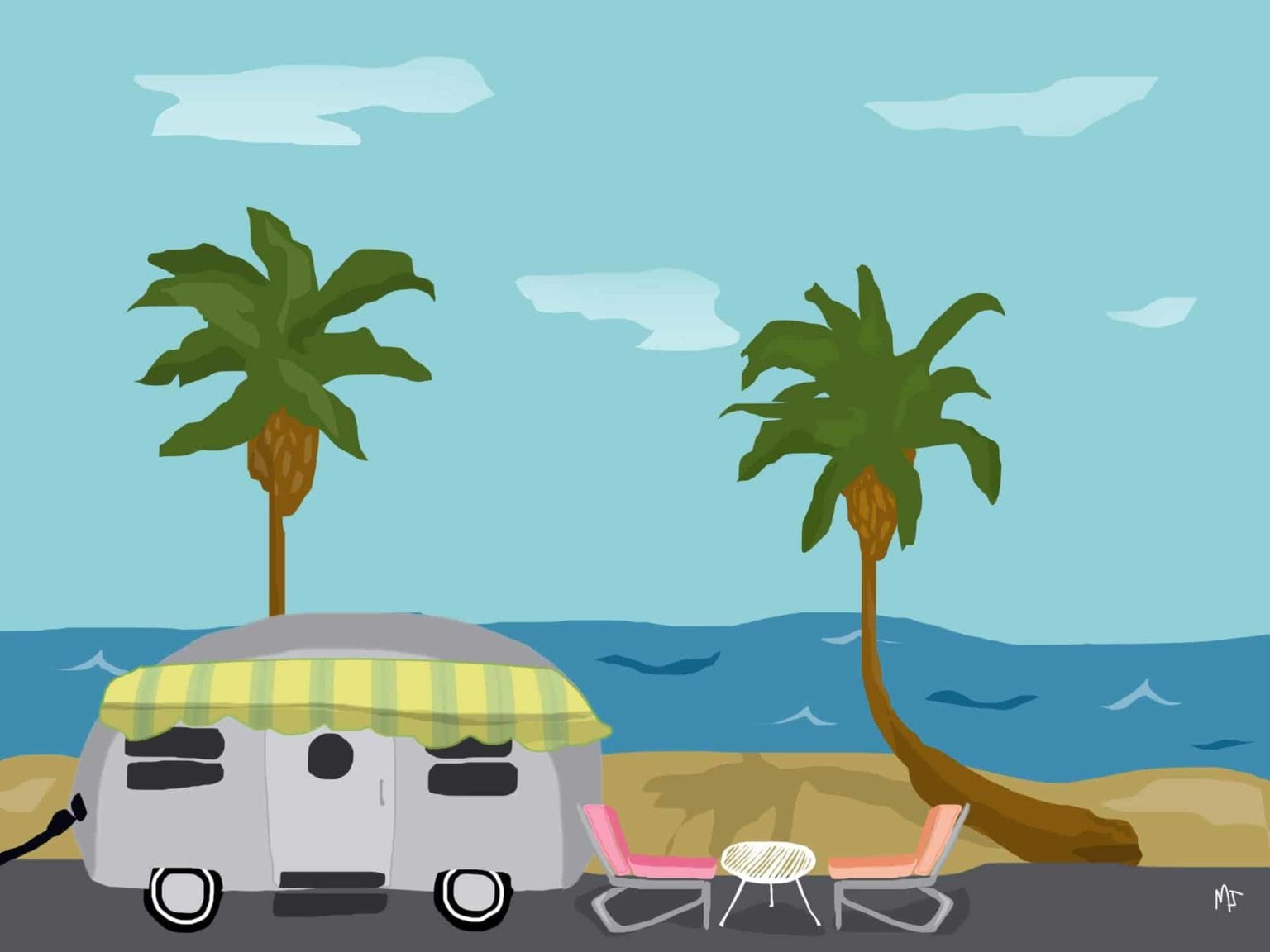
Along the Atlantic coast in Palm Beach County, what is now Briny Breezes began as a modest strawberry farm owned by a Michigan lumberman. During the 1920s and 1930s, the owner rented out land parcels to tourists and travelers for a nominal fee of three dollars a week. Decades later, as the owner approached retirement, he offered his tenants the unprecedented opportunity to purchase their individual plots for roughly $2,000 each. The newly empowered residents incorporated the coastal strip as Briny Breezes—a nod to the sea breezes blowing off the Atlantic and the Intracoastal Waterway—creating a uniquely autonomous, mobile-home-centric coastal enclave.
7. The Consonant Drop of Lorida (1937)
In Highlands County, a small community south of Orlando navigated a revolving door of early identifiers, including Cow House, Sunnyland, and Istokpoga. By 1937, persistent logistical confusion involving local railways and postal sorting tied to the Istokpoga name forced civic leaders to take drastic action. Seeking a streamlined, universally recognized identity, town leadership decided to adopt the state’s own name, with one slight modification: they simply dropped the initial letter "F," giving birth to Lorida.
Supporting Context & Metrics: A Statistical Snapshot
To fully appreciate these peculiar localities, it is necessary to examine their demographic footprints, geographic coordinates, and distinctive claims to fame. The following data outlines the scope and scale of these communities:
| Town Name | County | Estimated Population | Geographic Context | Primary Historical or Cultural Claim |
|---|---|---|---|---|
| Frostproof | Polk County | ~3,032 (2024) | Central Florida (Polk County) | Named to attract citrus growers; home to citrus baron Ben Hill Griffin Jr. |
| Howey-in-the-Hills | Lake County | ~1,175 (2018) | Lake County (Orlando Metro) | Features Florida’s rolling topography; site of the state’s first citrus juice plant (1921). |
| Yeehaw Junction | Osceola County | ~240 (2010) | Central Florida (Turnpike & SR 60) | Site of covert Cold War biological testing ("Agent TX") in the late 1960s. |
| Christmas | Orange County | ~1,146 (2018) | East of Orlando | Built around Fort Christmas (1837); houses the world’s largest alligator-shaped building. |
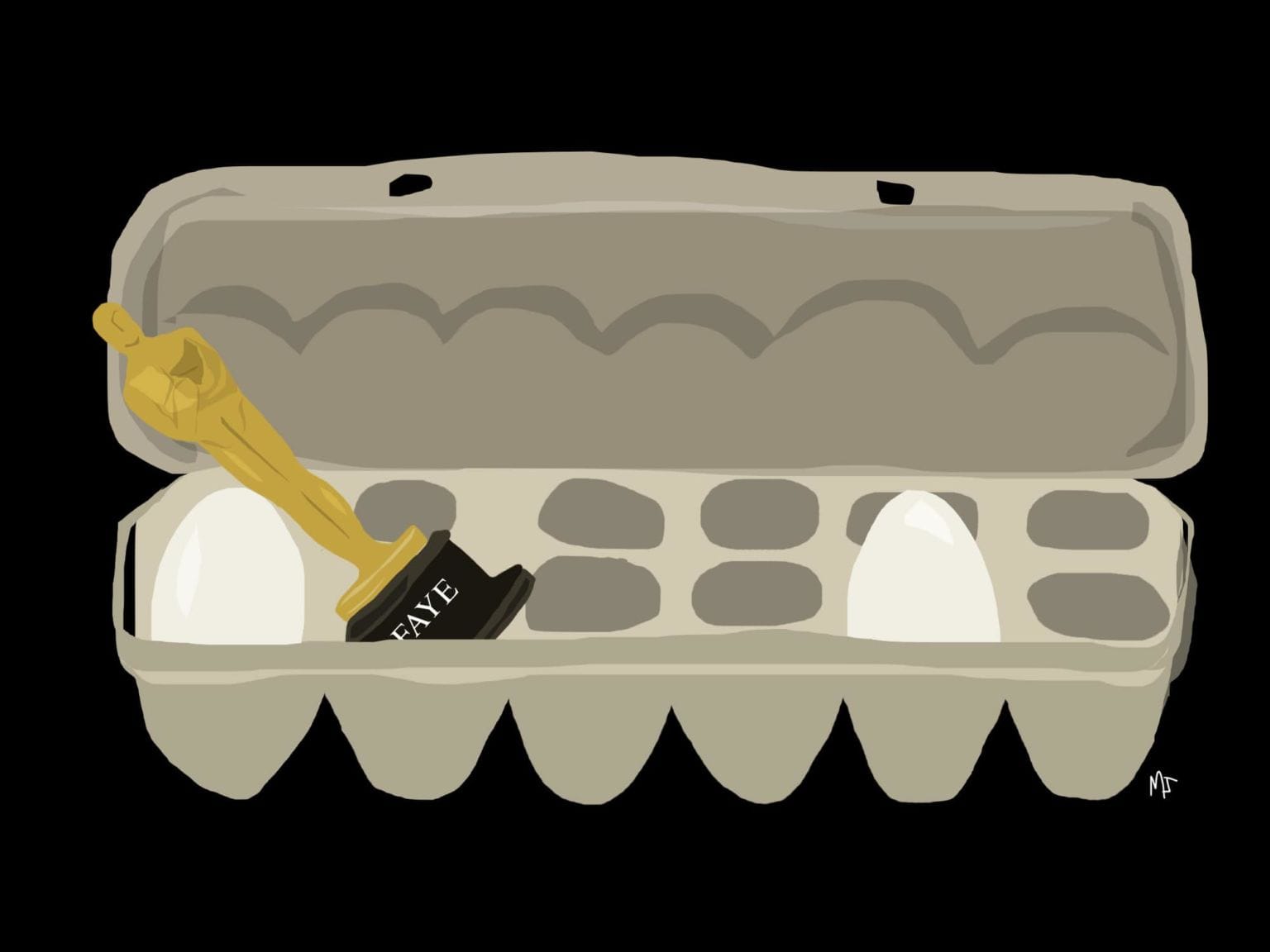
| Two Egg | Jackson County | Unknown | Northwest Florida (Jackson County) | Named after a Depression-era barter system; childhood home of actress Faye Dunaway. |
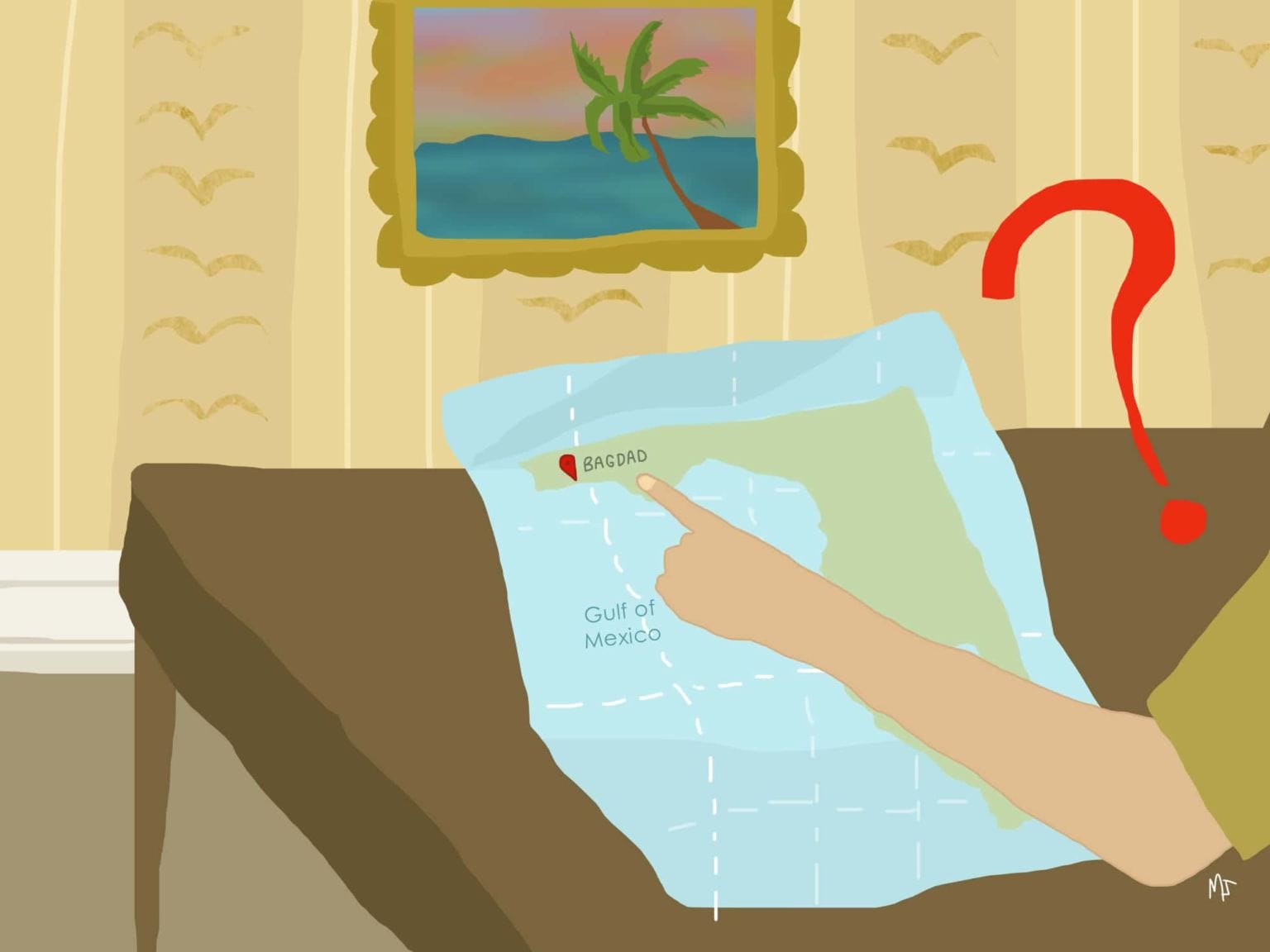
| Bagdad | Santa Rosa County | ~1,490 (2000) | Florida Panhandle | Founded as a lumber mill town in 1840; birthplace of golfer Bubba Watson. |
| Briny Breezes | Palm Beach County | ~411 (2000) | South Florida Coast | A 0.1-square-mile mobile home town; setting for the 2005 film In Her Shoes. |
| Lulu | Columbia County | Unknown | North Central Florida | Named by a lovelorn postmaster in the 1890s after his girlfriend. |
| Lorida | Highlands County | Unknown | South of Orlando (Highlands County) | Renamed from Istokpoga in 1937 by dropping the "F" from Florida. |
| Mayo | Lafayette County | ~1,237 (2010) | Lafayette County (North Florida) | Named after Confederate Col. James Micajah Mayo; temporarily renamed "Miracle Whip" in 2018. |
Official Statements and Archival Insights
The bizarre etymology of these towns is supported by decades of historical documentation, state archives, and corporate marketing campaigns that illuminate the motivations of Florida’s early settlers.
Historians and archivists note that promotional naming was a common strategy during Florida’s land booms. In the case of Frostproof, agricultural historians point out that while freezes occasionally decimated crops—most notably in the devastating winters of the late 19th and 20th centuries—the psychological reassurance provided by the town’s name was a brilliant piece of early real estate marketing.
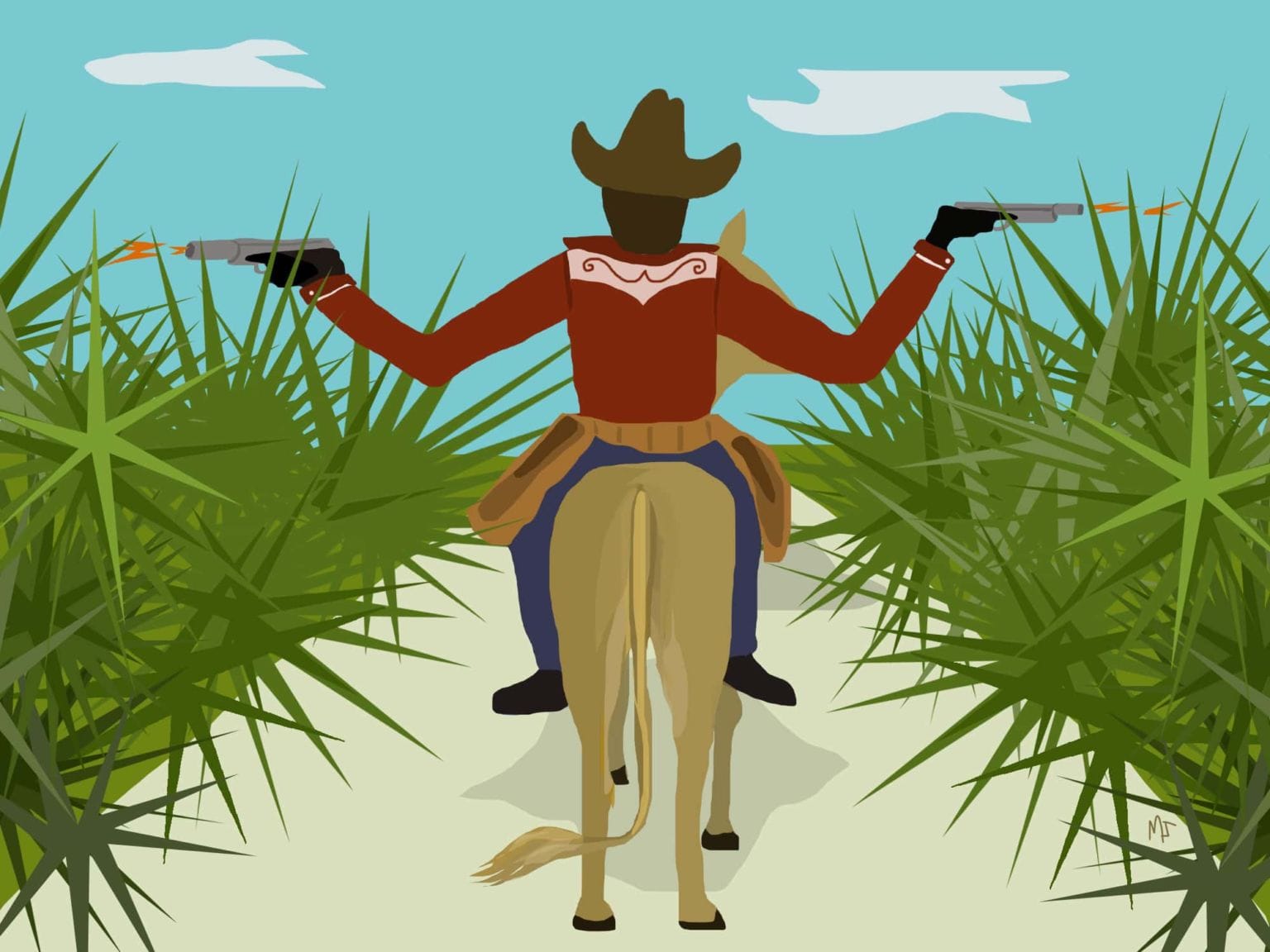
The clandestine history of Yeehaw Junction offers a stark contrast to its whimsical name. Declassified federal documents revealed in 2002 confirmed that the rural crossroads served as a testing ground for "Agent TX" during the late 1960s. The open-air biological warfare trials, designed to evaluate the dissemination of agents targeting cereal grains, remained a closely guarded secret from local residents for decades, adding a layer of dark intrigue to an otherwise sleepy highway intersection.
Corporate sponsorship and marketing stunts have also played a role in the modern evolution of these names. In 2018, the town of Mayo—uniquely named after a real historical figure, Confederate Colonel James Micajah Mayo—accepted a $250,000 corporate donation from Kraft Heinz to temporarily rebrand itself as "Miracle Whip, Florida." Residents donned promotional apparel and participated in commercial shoots, demonstrating that modern municipal identities remain malleable in the face of contemporary advertising incentives.
Future Outlook: Preservation vs. Modernization
As Florida continues to experience rapid population growth, absorbing hundreds of new residents daily, the future of these quirky communities hangs in a delicate balance.
For micro-communities like Briny Breezes, economic pressures from real estate developers pose an ongoing existential threat. Despite a failed $500 million buyout offer in 2005, the immense land value of a 0.1-square-mile coastal strip in Palm Beach County ensures that developers will continue eyeing the property. Yet, the deep-seated community cohesion among its retired mobile-home residents suggests a fierce resistance to wholesale transformation.
Similarly, unincorporated settlements like Yeehaw Junction, Lulu, and Lorida face the challenges of rural depopulation and infrastructure strain. As major state highways expand and urban sprawl creeps outward from metropolitan hubs like Orlando and Tampa, these historical outposts run the risk of being swallowed entirely by commercial development or reduced to mere highway markers.
Nevertheless, local historical societies, regional museums, and municipal governments are increasingly recognizing the economic and cultural value of their eccentric heritage. Heritage tourism—drawing travelers eager to send holiday mail from Christmas, photograph the giant alligator building, or explore the rolling hills of Howey—provides a sustainable economic lifeline. By embracing their unusual origins, these towns ensure that Florida’s reputation as America’s most fascinatingly eccentric state will endure for generations to come.

0 Comments