

Executive Overview
As the global health landscape slowly transforms and vaccination campaigns progress worldwide, society stands on the precipice of a profound sociocultural transition. For millions of older adults—particularly those navigating or preparing for retirement—the gradual emergence from pandemic-related restrictions offers far more than a simple return to status quo. It presents a rare, historic juncture for a comprehensive "retirement reset."
For over a year, the COVID-19 pandemic forcefully stripped away the frantic rhythms of modern life. Calendars were wiped clean overnight; social gatherings, long-awaited vacations, cultural events, and routine interpersonal connections were abruptly canceled, postponed, or shifted into virtual formats. While this enforced isolation and disruption proved universally challenging, stressful, and occasionally agonizing, it simultaneously functioned as a massive societal reality check.
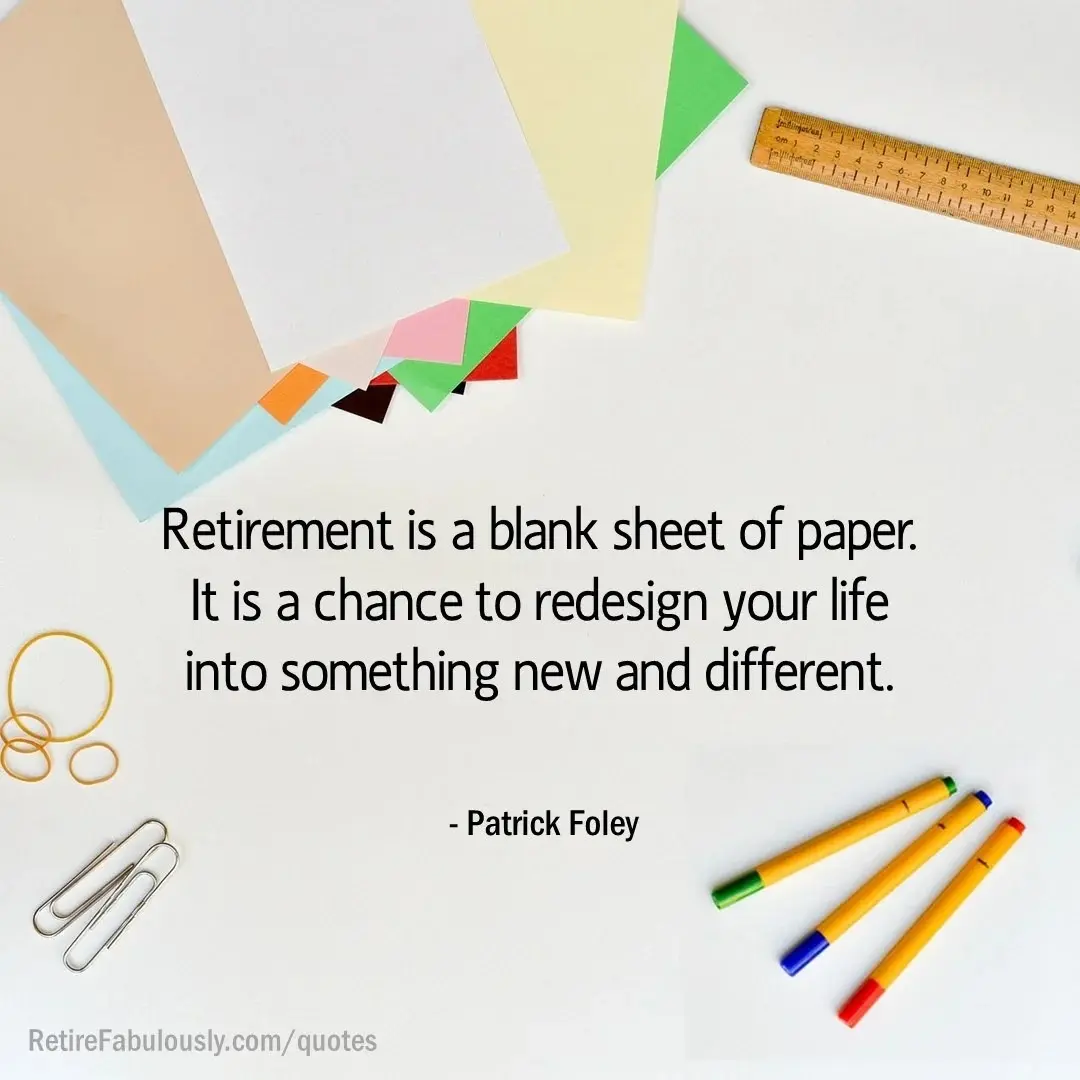
Retirement has long been championed as an optimal period to intentionally design one’s life for maximum fulfillment and personal satisfaction, free from the daily grind of traditional employment. Now, the collective trauma and shifting perspectives bred by the pandemic have magnified that opportunity. As individuals evaluate the components of their pre-pandemic routines, many are asking a fundamental question: Do we actually want to go back to the way things were?
This article explores the psychological, behavioral, and practical dimensions of the post-pandemic retirement reset. Drawing on lessons learned during months of lockdowns, reduced travel, and slowed-down pacing, we examine how retirees and near-retirees are recalibrating their values, pruning unfulfilling obligations, shedding outdated "someday" bucket lists, and charting a deliberate, intentional course for the chapters ahead.
Detailed Chronology: The Evolution of the Pandemic Life and Its Impact on Retirement
To understand the current appetite for a retirement reset, it is essential to trace how the pandemic altered daily existence, consumer habits, and psychological well-being across distinct phases over the past year.

Phase 1: The Initial Shock and the Empty Calendar (Spring – Summer 2020)
When the initial wave of lockdowns hit in early 2020, the immediate psychological impact was defined by shock, uncertainty, and a sudden, stark emptiness. For career professionals who had spent decades maintaining hyper-packed schedules—a momentum that often carried directly into early retirement—the sudden eradication of social commitments was jarring.
However, an unexpected psychological phenomenon emerged during those initial months: a paradoxical sense of relief. Many retirees noted a quiet comfort in having an entirely blank calendar. The societal pressure to "always be doing something" evaporated. Commutes vanished, social obligations disappeared, and the frantic pace of consumer culture ground to a halt. While the underlying anxiety of a global health crisis remained heavy, the immediate environment offered a forced pause that few would have ever voluntarily chosen.
Phase 2: Adaptation, Coping, and Behavioral Shifts (Fall 2020 – Winter 2021)
As the pandemic settled into a protracted reality, daily life adapted. Households established new routines, some deeply beneficial and others born out of pandemic-induced ennui and stress.
On the positive side, many individuals rediscovered the simple pleasures of the physical world. Walking routines surged, backyard gardening gained unprecedented popularity, and cooking meals at home became a creative outlet rather than a chore. Families leaned heavily into technology to maintain bonds, while others made a conscious, concerted effort to deepen relationships with the closest members of their inner circles.
Conversely, the prolonged isolation took a heavy toll. Elevated stress levels and chronic uncertainty triggered coping mechanisms that were less than ideal. Comfort eating, increased alcohol consumption, and hours of passive screen time became default behaviors for many attempting to simply survive the psychological weight of isolation. The home became simultaneously a sanctuary and a containment zone, highlighting both the joys of domestic tranquility and the claustrophobia of restricted mobility.

Phase 3: The Vaccine Rollout and the Threshold of Re-emergence (Spring 2021 Onward)
By mid-April 2021, significant milestones were achieved: approximately 40% of the United States population had received at least one vaccine dose, with much higher coverage concentrated among older age brackets. This medical milestone injected a profound sense of hope back into the public consciousness.
Yet, this light at the end of the tunnel triggered an unexpected existential dilemma. As society began discussing the parameters of the "new normal," individuals realized they were no longer the same people who entered lockdown in March 2020. Priorities had shifted. Relationships had been tested and re-evaluated. Activities that were once treated as absolute necessities suddenly seemed trivial, while neglected passions and neglected personal connections had taken on newfound urgency. The impending return to normalcy was no longer a straightforward reunion with the past; it required a conscious choice about what to carry forward and what to leave behind.
Supporting Context & Metrics: Behavioral Shifts and Psychological Realignment
The urge to reset retirement is not merely anecdotal; it is supported by broader sociological observations regarding how human beings respond to systemic disruption. When faced with mortality and sweeping lifestyle changes, human value systems routinely undergo seismic recalibration.
The Great Pruning of Commitments
During the height of restrictions, individuals experienced a natural experiment in "life minimalism." Without access to movie theaters, cruise ships, crowded restaurants, and large gatherings, people discovered how little they actually missed certain elements of their pre-pandemic routines.
For retirees, this period acted as a filter. Social circles naturally contracted to encompass only the most vital, life-affirming relationships. Civic boards, volunteer commitments, and club memberships that had been maintained out of sheer habit or social obligation were dropped. Many realized that their pre-retirement and early-retirement schedules had been overcrowded not by design, but by default—driven by societal expectations rather than authentic desire.

The Myth of the "Someday" Project
Lockdown granted people an abundance of unstructured time, leading many to believe they would finally tackle long-postponed domestic projects. Whether it was organizing digital photo archives, converting vintage VHS tapes to digital formats, or archiving vinyl record collections, the narrative was clear: If I only had the time, I would do it.
Yet, the reality of having a year of uninterrupted free time exposed a deeper truth. Many of these "someday" projects remained untouched. This realization served as a powerful psychological mirror: if a task has lingered on a mental to-do list for years, and remained ignored even during a global lockdown with zero competing distractions, the honest conclusion is often that the individual simply does not want to do it. Letting go of these phantom obligations is a cornerstone of the retirement reset, freeing mental bandwidth for pursuits that genuinely ignite passion.
Official Perspectives and Expert Frameworks
Retirement and life-design experts emphasize that major historical disruptions frequently serve as catalysts for personal reinvention. While financial planning is routinely discussed in retirement circles, psychological and lifestyle architecture remain equally critical components of a successful post-work transition.
The Philosophy of Intentional Space
Financial and lifestyle commentators note that the primary error people make in early retirement is attempting to replicate the frantic pacing of their working years. Society conditions individuals to equate busyness with productivity and self-worth.
The pandemic shattered that paradigm by forcing a complete cessation of busywork. Experts argue that individuals who successfully navigate the post-pandemic reset are those who intentionally resist rushing back to a fully booked calendar. By preserving periods of unstructured white space in their schedules, retirees protect their time, reduce stress, and cultivate mental well-being.

Re-evaluating the Social Fabric
Gerontologists and sociologists point out that relational health is the single greatest predictor of longevity and happiness in later life. The pandemic forced a rigorous audit of our social networks. Relationships that relied entirely on superficial proximity—such as casual acquaintances at the office or distant social circles built around networking—faded away. In their place, deep, resilient bonds with family and close friends were reinforced. The retirement reset encourages individuals to permanently prioritize these core relationships rather than squandering precious time on unfulfilling social obligations.
The Ten-Question Framework for Your Retirement Reset
For those ready to harness this unique historical moment to re-evaluate their priorities, values, and long-term plans, structured self-reflection is essential. Whether evaluated independently or discussed with a spouse or life partner, the following ten probing questions provide a roadmap for designing a customized, fulfilling retirement:
-
Do you want to return to living your life precisely as you did before the pandemic?
Challenge the default setting. Are there old routines you are eager to shed permanently? -
Which people did you miss the most, and which relationships naturally declined in importance?
Identify your true circle of connection and invest your social capital accordingly. -
What activities did you genuinely miss, and what did you discover you didn’t miss at all?
Separate genuine passions from cultural autopilot.
-
Which positive habits developed during the pandemic do you want to keep?
Whether daily outdoor walks, home-cooked meals, or quiet morning routines, anchor these into your permanent schedule. -
Which negative or coping habits do you want to eliminate or replace?
Acknowledge stress-induced behaviors without judgment, and consciously transition away from them. -
What have you learned about your own resilience, adaptability, and emotional needs this past year?
Self-awareness is the bedrock of effective life design. -
As you look toward the remainder of your life, how have your core priorities shifted?
Has your definition of a successful, happy day changed fundamentally? -
Do you have a revised list of experiences and milestones you wish to pursue?
Discard the phantom "someday" projects and update your true bucket list.
-
Do you prefer the slower pace and emptier calendar, or are you genuinely eager to be busier?
Match your schedule to your authentic energy levels rather than external expectations. -
Has the realization that "life is too short" instilled a deeper sense of urgency and purpose in your daily choices?
Translate existential clarity into actionable, meaningful daily living.
Future Outlook: Embracing the New Normal on Your Own Terms
As communities continue to navigate the complexities of public health recovery, the window for a intentional retirement reset remains wide open. The "new normal" does not have to be an automatic restoration of pre-pandemic stress, overcommitment, and societal rush.
Instead, individuals possess a rare second chance to curate their remaining years with deliberate care. By acting as the conscious architects of their own schedules, nurturing high-value relationships, discarding unfulfilled obligations, and embracing the restorative power of unstructured time, retirees can emerge from the shadows of the pandemic stronger, wiser, and more aligned with their authentic values than ever before.
The blank slate is once again yours to write upon. The only question remaining is: What will you choose to put on the board?

0 Comments