

Executive Overview
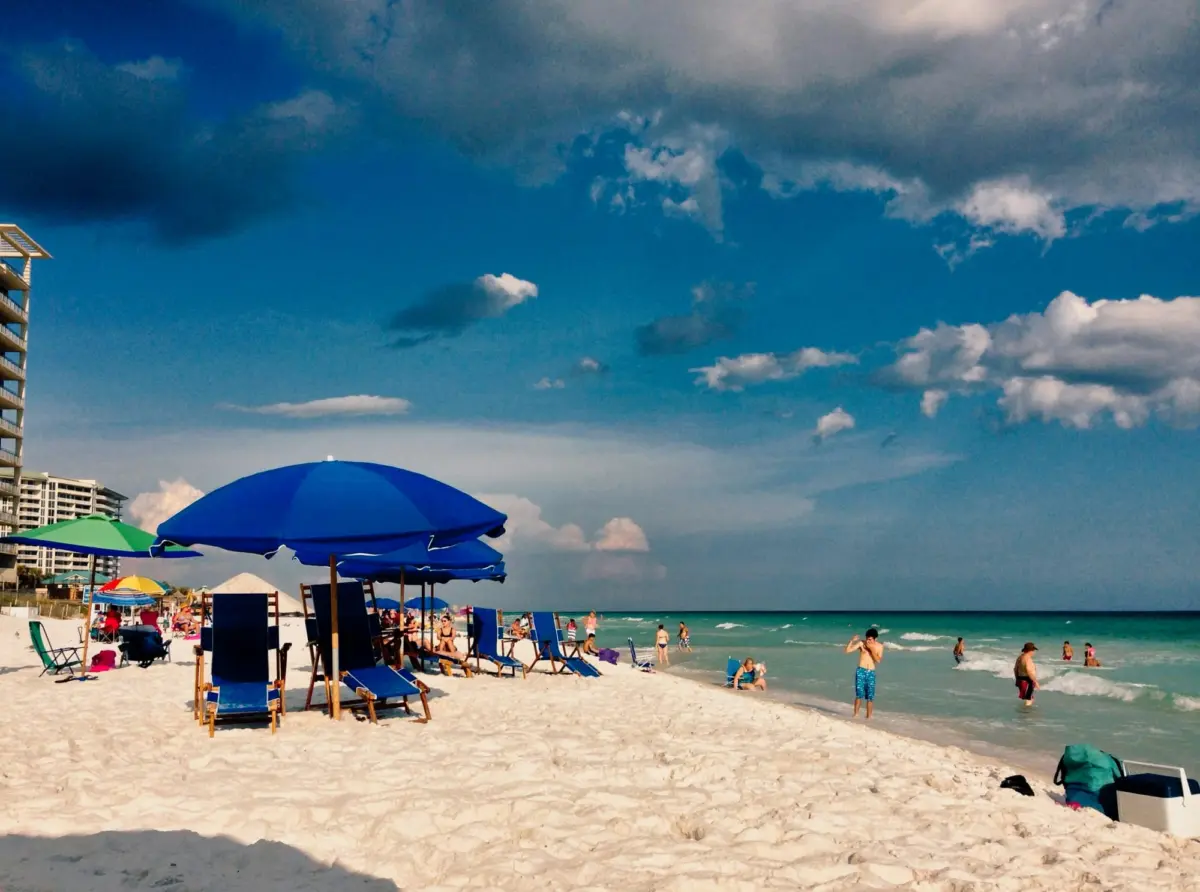
For over half a century, the phrase "The Sunshine State" has served as the undisputed cultural and commercial shorthand for Florida. Stamped on millions of license plates, emblazoned across tourism brochures, and woven deeply into the global imagination, the moniker feels as permanent as the peninsula’s white-sand beaches. Yet, a rigorous examination of meteorological data, climatological studies, and geographic realities reveals a surprising truth: Florida’s official nickname is built more on brilliant marketing than actual atmospheric dominance.
While Florida is undeniably associated with palm trees, coastal living, and bright skies, meteorological data compiled by public health agencies, the National Weather Service, and climatological researchers tells a different story. When stacked against its U.S. counterparts, Florida consistently falls short of claiming the absolute top spot for sunshine. In fact, depending on the metric applied, the state ranks anywhere from sixth to tenth in the nation for actual hours of sun.
This deep-dive investigation explores the origins of Florida’s famous title, examines the hard data that challenges its validity, highlights the atmospheric quirks—such as the state’s legendary summer afternoon thunderstorms—that complicate its weather profile, and considers what alternative monikers might better capture the true essence of America’s southern coastal jewel.
Detailed Chronology: How Florida Claimed the Sun
To understand how Florida became "The Sunshine State," one must look back through the legislative history and tourism milestones that shaped the state’s identity. Contrary to popular belief, the moniker was not adopted when the territory became a U.S. state in 1845, nor was it a poetic designation handed down by early Spanish explorers.
- The Early Decades (Late 19th to Mid-20th Century): As railroads pushed southward and developers like Henry Flagler opened up the coastline, Florida began marketing itself as a winter sanctuary for frost-bitten northerners. During this era, various descriptors were used informally in promotional materials, including "The Everglade State" and "The Peninsula State." However, colloquial references to sunshine began appearing with increasing frequency in regional advertising.
- The 1940s and 1950s: The post-World War II tourism boom catalyzed a need for a unified state identity. Chambers of commerce across Florida actively promoted the healing, restorative power of the state’s warm climate. The term "Sunshine State" began appearing on novelty items, postcards, and early iterations of state vehicle markers.
- The Legislative Pivot of 1970: Despite decades of informal usage, it was not until 1970 that the Florida Legislature officially codified the moniker. Lawmakers voted to designate "The Sunshine State" as the official state nickname, replacing older, lesser-used alternatives. The move cemented the phrase in state statutes and cleared the way for its integration into official state branding, most notably on automobile license plates starting in the late 1970s and 1980s.
- The Modern Era: For the past fifty years, the nickname has remained unchallenged in the public consciousness. Billions of dollars in tourism revenue have been generated under the banner of perpetual sunshine, masking the complex meteorological reality of the state’s climate.
Supporting Context & Metrics: Crunching the Weather Data
When the Centers for Disease Control and Prevention (CDC) and various meteorological bodies analyze sunlight across the United States, they measure the average percentage of possible sunshine—the proportion of time that the sun is actually visible out of all the daylight hours in a year. When these metrics are applied, Florida’s standing as "The Sunshine State" takes a serious hit.
Where Does Florida Rank?
According to comprehensive climatological data, Florida frequently ranks 10th nationally in terms of overall annual sunshine. States in the arid Southwest—such as Arizona, New Mexico, Nevada, and Texas—consistently eclipse Florida in the number of clear, cloudless days and total annual hours of sunshine.
Even when looking at alternative datasets provided by the National Weather Service, which accounts for regional micro-climates and seasonal shifts, Florida rarely breaks into the top five, typically hovering around 6th place.
National Sunshine Rankings (General Consensus):
1. Arizona
2. New Mexico
3. Nevada
4. Texas
5. California
6. Florida (or trailing behind select Southwestern and Gulf neighbors depending on CDC metrics)
The "Partly Cloudy" Paradox
Why does a state famous for its beach culture lag behind the desert Southwest? The answer lies in Florida’s unique geography and atmospheric dynamics. Positioned between the warm waters of the Gulf of Mexico and the Atlantic Ocean, the peninsula experiences intense humidity and sea breezes.
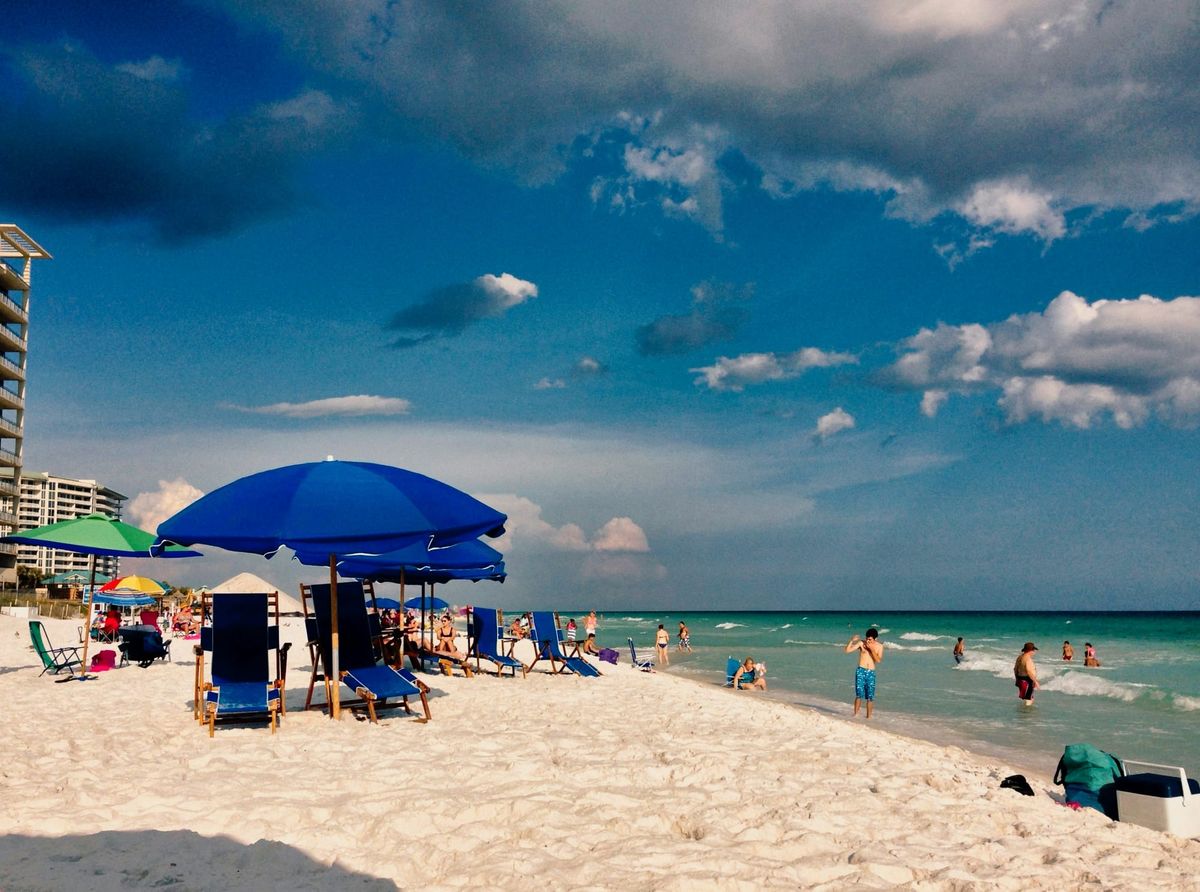
During the spring and summer months, these atmospheric conditions fuel a nearly daily cycle of convective heating, leading to towering cumulonimbus clouds and torrential afternoon thunderstorms. Meteorologists point out that while Florida certainly receives immense amounts of sunlight during the morning hours, its afternoons are frequently punctuated by heavy cloud cover and sudden downpours. In fact, some meteorologists have jokingly—yet accurately—argued that "The Partly Cloudy State" or "The Thunderstorm State" would be a far more scientifically precise description of Florida’s climate pattern.
The City-Level Breakdown
Examining individual municipalities yields an even more surprising picture. When analyzing the sunniest cities in the United States based on percentage of possible sunshine, major Florida metropolitan areas often fail to crack the national Top 10. Cities in Arizona (like Yuma and Tucson) and California (like Redding) routinely dominate national charts for uninterrupted sunshine.
Within Florida itself, weather enthusiasts and travel analysts looking for the absolute best-performing weather cities invariably point toward Southwest Florida. Compilations of top-tier Florida weather cities frequently highlight regions such as:
- Naples
- Fort Myers
- Punta Gorda
These southwestern coastal pockets experience slightly lower annual rainfall totals and reduced afternoon storm intensity compared to their central and southeastern counterparts, making them the true solar champions of the peninsula. Yet, even these localized hotspots struggle to compete with the unrelenting, cloud-free arid expanse of the American Southwest.
Official Statements & Industry Perspectives
The dissonance between Florida’s official nickname and its actual meteorological standing has not gone unnoticed by travel experts, climatologists, and regional outdoor organizations.
Tourism analysts point out that while the nickname may be factually inaccurate from a strict meteorological standpoint, its commercial value is immeasurable. A tourism representative speaking on condition of anonymity noted: "No one is going to book a winter vacation to ‘The Partly Cloudy State.’ ‘The Sunshine State’ evokes an emotional response, a promise of warmth and escape that transcends raw data points."
Meanwhile, environmental and outdoor recreation advocates have increasingly championed the idea that Florida’s identity should be rooted in its most dominant physical characteristic: water. Organizations such as Play Hard Florida have argued that the state’s entire ecosystem, economy, and cultural heritage are defined not merely by the light in the sky, but by the liquid landscape that surrounds and permeates the peninsula.
Future Outlook: Reimagining Florida’s Identity
As climate patterns evolve and tourism marketing adapts to modern consumer expectations for authenticity, the conversation around regional identities is shifting. While state lawmakers are unlikely to strip away an entrenched brand like "The Sunshine State," the growing body of meteorological data invites a broader appreciation of what makes Florida truly unique.
If Florida were to rebrand based on comprehensive geographical facts rather than 1970s marketing strategy, compelling alternatives exist. Chief among them is "The Water State." Consider the staggering metrics that support this alternative
- 1,350 miles of coastline—the most of any state in the contiguous United States.
- Over 30,000 freshwater lakes, ranging from expansive inland seas like Lake Okeechobee to thousands of crystal-clear sinkhole and spring-fed lakes.
- 26,000 miles of rivers and streams, creating an intricate hydrological network across the peninsula.
- The Everglades, a globally unique, slow-moving sheet of water spanning millions of acres.
- 663 miles of pristine beaches framing the peninsula on both sides.
Ultimately, whether Florida is basking under a cloudless desert-like sky or weathering a dramatic, sun-drenched afternoon tropical downpour, the state will likely remain "The Sunshine State" in the hearts of millions of visitors and residents alike. However, looking past the marketing slogan reveals a far more complex, water-bound paradise whose true identity is far richer than a simple ray of sunshine can convey.

0 Comments