

Executive Overview
When most Americans think of the foundational chapters of United States history, their minds naturally drift northward to the shores of New England and the mid-Atlantic. School textbooks have long ingrained the narratives of the Pilgrims stepping ashore at Plymouth Rock in 1620 or English colonists establishing the Jamestown settlement in Virginia in 1607. However, these monumental milestones are eclipsed by more than four decades by a sun-drenched coastal community in northeastern Florida.
St. Augustine, founded on September 8, 1565, holds the distinction of being the oldest continuously occupied settlement of European and African origin in the United States. Long before English flags flew over the early American colonies, Spanish explorers planted their standards in the Florida soil, carving out a permanent foothold in the New World that would endure through imperial rivalries, bloody conflicts, and sweeping geopolitical shifts.
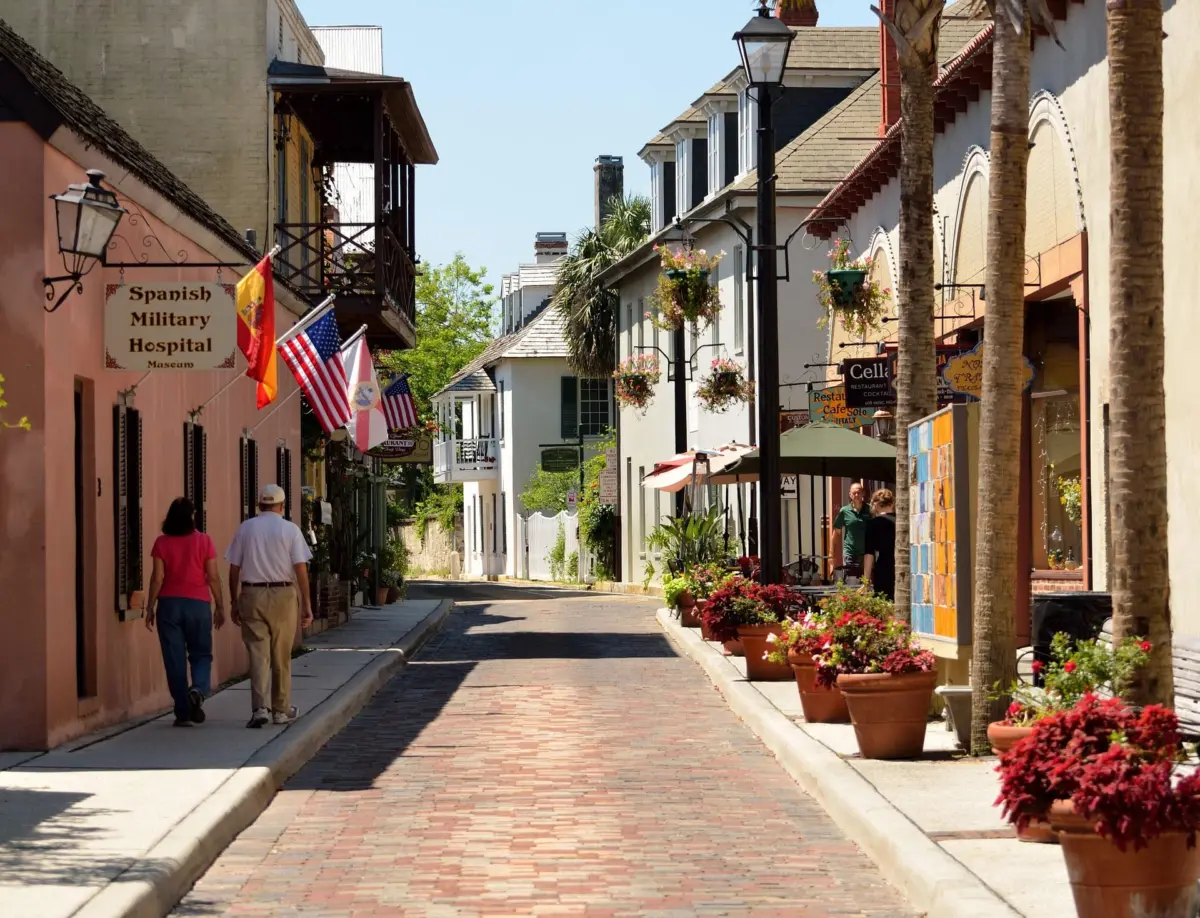
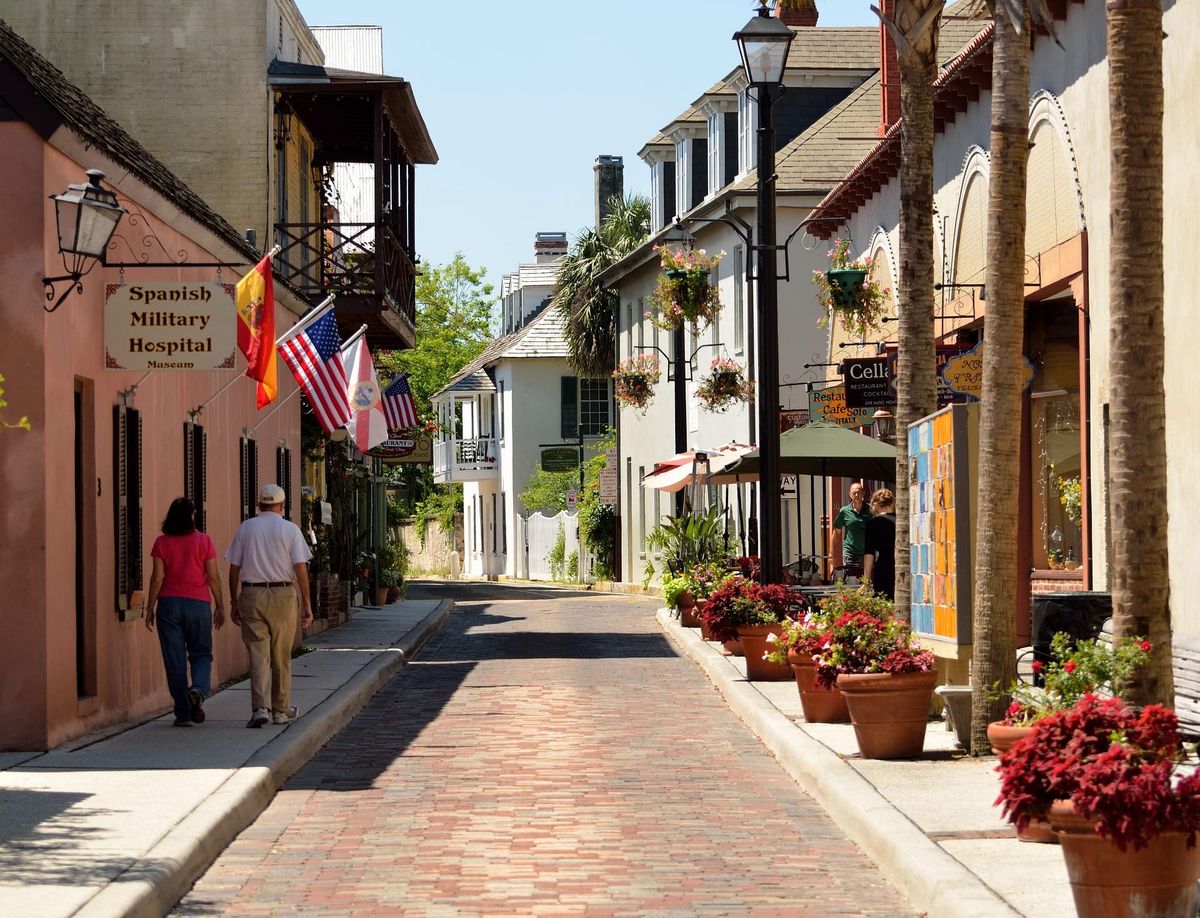
Today, this vibrant destination on Florida’s Historic Coast welcomes approximately two million visitors annually. They arrive not merely for the coastal weather, but to walk the narrow, coquina-paved lanes—such as Aviles Street, widely believed to be the oldest street in the United States—and to gaze upon the imposing stone walls of the Castillo de San Marcos.
This deep investigative feature explores the intricate chronology of St. Augustine’s founding, the historical context that predates the popular Anglo-centric narrative of American history, the economic and cultural metrics of its modern tourism engine, perspectives from preservationists and officials, and the future outlook for safeguarding a four-century-old urban landscape against modern challenges.
Detailed Chronology: From Ponce de León to Menéndez de Avilés
To understand the longevity of St. Augustine, one must retrace a sweeping maritime timeline defined by ambition, shipwreck, diplomacy, and tactical warfare. The Spanish presence in Florida did not happen overnight; it was the culmination of more than half a century of failed colonial experiments and high-stakes imperial competition.
1513: The Discovery of La Florida
The foundational mythos of Spanish Florida begins with Juan Ponce de León, a veteran conquistador who served as the first governor of Puerto Rico. In the spring of 1513, Ponce de León led an expedition northward across the Bahama Channel, seeking new lands, wealth, and—according to later romanticized accounts—the legendary Fountain of Youth.
On Easter Sunday, April 2, 1513, his expedition sighted the verdant coast of the peninsula. Because the sighting occurred during Pascua Florida (the Feast of Flowers, or the Spanish Easter season), Ponce de León named the territory La Florida. He explored portions of the Atlantic coast, including areas between modern-day Melbourne Beach and St. Augustine, laying the formal crown claim for the Spanish Empire.
The Decades of Failed Attempts (1513–1565)
Claiming a territory on paper proved vastly different from subduing and settling it. Over the subsequent five decades, Spain launched at least a half-dozen formal attempts to colonize the Florida peninsula, all of which met disastrous ends.
- Harsh weather and devastating hurricanes shattered coastal fleets.
- Fierce resistance from indigenous populations—including the Timucua, Calusa, and Apalachee—repelled European incursions.
- Supply shortages, starvation, and mutiny plagued early inland expeditions, such as those led by Pánfilo de Narváez (1528) and Hernando de Soto (1539).
By the mid-16th century, Spain viewed Florida less as a land of immediate mineral riches and more as a vital strategic shield. Treasure galleons laden with Peruvian silver, Mexican gold, and Caribbean riches routinely sailed up the Gulf Stream along the Florida coast to catch prevailing westerlies back to Europe. Leaving this shipping lane unprotected invited French and English corsairs to prey on Spanish commerce.
1565: The Arrival of Pedro Menéndez de Avilés
The geopolitical calculus shifted dramatically in 1564 when French Huguenots, led by Jean Ribault, established Fort Caroline near the mouth of the St. Johns River (in present-day Jacksonville). To Catholic Spain, a French Protestant stronghold so close to the vital shipping lanes was an intolerable security threat and a direct challenge to their territorial sovereignty.
King Philip II dispatched Admiral Don Pedro Menéndez de Avilés with a massive armada charged with a dual mandate: eradicate the French interlopers and establish permanent Spanish control over La Florida.
Menéndez de Avilés arrived off the northeastern coast of Florida on August 28, 1565—the feast day of St. Augustine of Hippo. On September 8, he formally stepped ashore, ordered the mass to be celebrated, and named the nascent settlement St. Augustine (San Agustín).
Shortly thereafter, Menéndez launched a daring overland surprise attack during a torrential hurricane against Fort Caroline, routing the French forces and effectively securing unchallenged Spanish dominance over the region. St. Augustine was born not merely as a trading post, but as a heavily fortified military outpost designed to project imperial power.
Supporting Context & Metrics: St. Augustine vs. The Traditional American Timeline
The popular historical consciousness in the United States has long been dominated by the Anglo-American narrative, which views Jamestown (1607) and Plymouth (1620) as the dawn of American civilization. Comparing St. Augustine’s foundational timeline to these later settlements highlights a chronological gap that rewrites standard history:
| Settlement | Founding Year | European Power | Lag Behind St. Augustine |
|---|---|---|---|
| St. Augustine, FL | 1565 | Spain | Baseline (0 years) |
| Santa Fe, NM | 1610 | Spain | 45 years later |
| Jamestown, VA | 1607 | England | 42 years later |
| Quebec City, Canada | 1608 | France | 43 years later |
| Plymouth, MA | 1620 | England | 55 years later |
| New Amsterdam (NYC), NY | 1624 | Netherlands | 59 years later |
Beyond its age, St. Augustine boasts several other pioneering milestones that cement its unique place in American history:
- The First Multi-Ethnic Community: From its inception, St. Augustine was a mosaic of Spaniards, enslaved and free Africans, Indigenous peoples, and later, Minorcans, Greeks, and Italians. This made the city a melting pot long before the concept of the American "melting pot" entered political discourse.
- The Oldest Schoolhouse: The historic wooden schoolhouse on St. George Street, constructed in the late 18th century during the Spanish colonial period, stands as a testament to early American education.
- The Castillo de San Marcos: Completed by the Spanish in 1695 using coquina—a unique sedimentary rock formed from millions of microscopic shell fragments—this masonry fortress is the oldest of its kind in the continental United States. Remarkably, it was never successfully taken by force during its centuries of active military use.
Official Statements & Preservation Perspectives
Maintaining a city with roots stretching back to the Renaissance requires a delicate balance between historical authenticity, archaeological stewardship, and modern municipal management. Historic preservationists, municipal leaders, and National Park Service authorities constantly grapple with the challenges of protecting tangible history while accommodating millions of annual travelers.
Dr. Elena Vance, a historical preservation consultant specializing in colonial Spanish architecture in the American Southeast, emphasizes the profound importance of St. Augustine’s built environment:
"When people visit Jamestown or Plymouth, they are largely viewing reconstructions based on archaeological footprints and educated guesses. When you walk through the historic district of St. Augustine, you are navigating an urban grid laid out in the 16th and 17th centuries. You are touching the same coquina blocks hewed by enslaved laborers, native populations, and Spanish soldiers hundreds of years ago. It is a living, breathing archive that predates the very concept of the United States."
Local municipal leaders echo these sentiments, highlighting the city’s ongoing commitment to conservation. St. Augustine Mayor Nancy Henderson noted in a recent urban planning address:
"Our responsibility to St. Augustine transcends municipal budgeting or tourism metrics. We are the custodians of an international treasure. Every historic streetlamp, every coquina wall, and every archived document represents a chapter of human history that belongs not just to Florida, but to the world. Balancing the economic engine of our tourism industry with the rigorous demands of preservation is our highest calling."
The National Park Service, which oversees the Castillo de San Marcos National Monument and Fort Matanzas, works in tandem with local historians to monitor structural integrity, combat environmental erosion, and educate the public on the multifaceted history of the region—ensuring that the narrative incorporates the complex interplay between Spanish colonizers, British invaders, African freedom seekers, and the displaced Indigenous nations.
Future Outlook: Safeguarding the Ancient City for Tomorrow
As St. Augustine looks toward its future, it faces a paradox familiar to many historic urban centers: how to honor the past while preparing for the realities of the 21st century.
Climate Resilience and Sea-Level Rise
Situated on a low-lying barrier peninsula flanked by the Matanzas and San Sebastian rivers, St. Augustine is acutely vulnerable to climate change, rising sea levels, and increasingly severe tropical storm systems. High-tide flooding (often referred to as "sunny day flooding") increasingly inundates low-lying historic thoroughfares, threatening the structural foundations of centuries-old buildings.
In response, city officials, state agencies, and federal partners have initiated aggressive climate adaptation strategies. Projects include:
- Elevating Seawalls: Upgrading and raising historic waterfront protection barriers using specialized engineering techniques designed to respect the aesthetic character of the colonial bayfront.
- Stormwater Infrastructure Overhauls: Installing advanced tidal valves, subterranean retention chambers, and pump stations to mitigate street flooding during extreme weather events.
- Digital Preservation Mapping: Utilizing 3D laser scanning and photogrammetry to create hyper-detailed digital twins of every historic structure in the city. In the event of catastrophic storm damage, these digital archives will provide precise blueprints for faithful reconstruction.
Sustainable Tourism Management
With roughly two million annual visitors generating a massive economic footprint, managing visitor capacity without compromising the charm of the historic district remains a top priority. City planners are increasingly promoting decentralized tourism, encouraging travelers to explore lesser-known cultural assets beyond the bustling corridors of St. George Street and Aviles Street. Initiatives include expanding heritage trails into surrounding neighborhoods, highlighting African American history sites, and supporting eco-tourism excursions along the Matanzas River.
Conclusion
St. Augustine stands as a profound testament to human resilience, endurance, and cultural synthesis. Far eclipsing the traditional 17th-century milestones of Jamestown and Plymouth, this ancient Florida city encapsulates the turbulent, multi-layered beginnings of the North American continent. Through rigorous preservation, proactive climate adaptation, and an unwavering commitment to historical truth, St. Augustine ensures that its four-century story will continue to captivate, educate, and inspire generations to come.

0 Comments