

Executive Overview
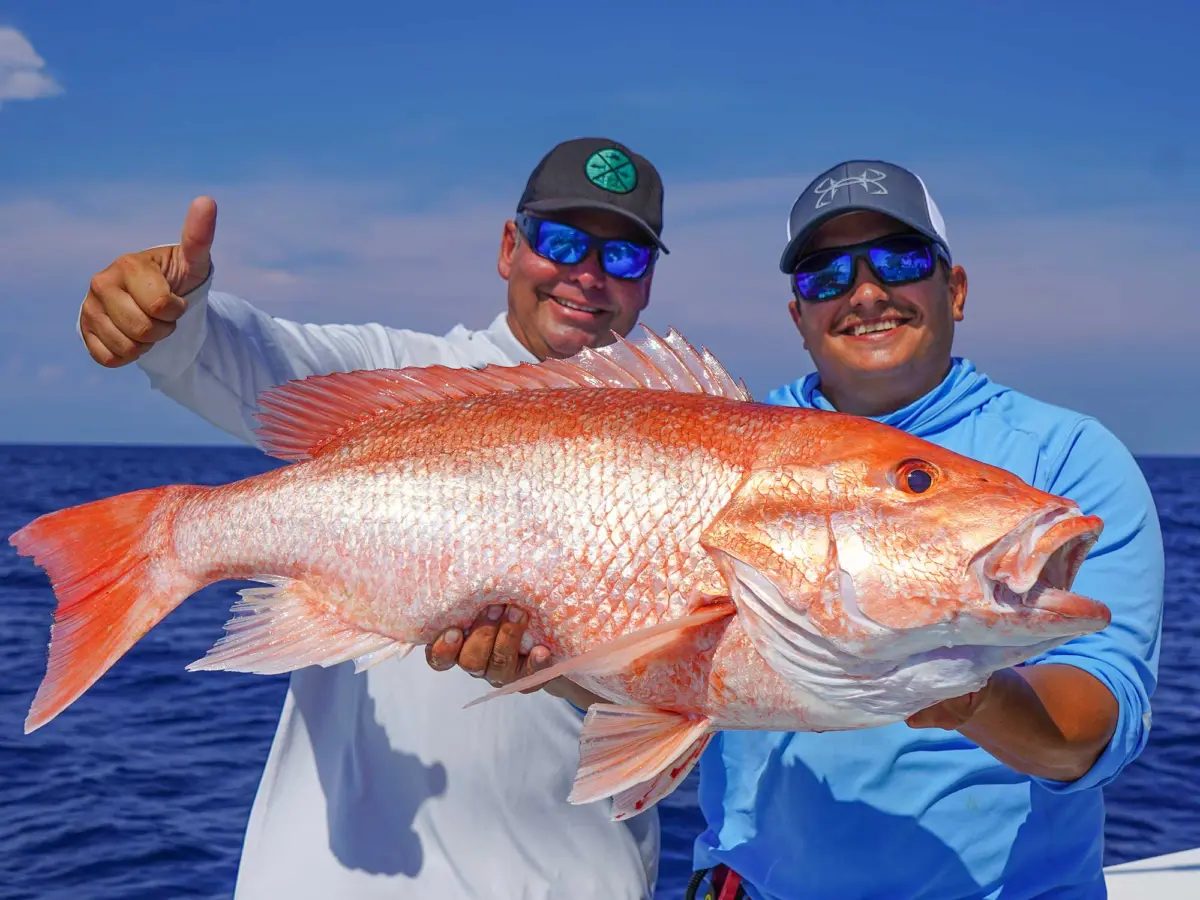
The ongoing struggle over red snapper management in the South Atlantic has entered a critical new phase. Following a devastating legal blow that shuttered eagerly anticipated recreational summer seasons earlier this year, the wildlife and fisheries agencies of Florida, Georgia, and South Carolina have officially proposed a modified, highly regulated fall red snapper season.
Under the newly proposed framework, recreational anglers would be granted a month-long harvest window running from October 1 through October 31, 2026, with potential follow-up dates in December. However, securing this window requires a coordinated mobilization of the recreational fishing community. NOAA Fisheries is currently accepting public comments on the initiative, with a strict submission deadline of August 25.
This proposed fall season is far more than a simple olive branch to frustrated anglers. It represents a calculated, highly monitored pilot program designed to bypass the deeply flawed federal data collection systems that have historically choked off access to a booming fishery. By utilizing state-specific reporting applications, mandatory gear restrictions, and rigorous dockside verification, the tri-state initiative aims to prove that recreational anglers can harvest red snapper sustainably while generating the precise empirical data long demanded by federal managers.
Yet, the path forward is fraught with friction. Commercial fishing advocacy groups have already demonstrated a willingness to use the federal court system to halt recreational access. For anglers, charter captains, and marine businesses across the South Atlantic, the August 25 comment deadline is a pivotal moment to influence the future of regional reef fishing.
Detailed Chronology: From Summer Hopes to Autumn Pivots
To understand the weight of the current October proposal, one must examine the turbulent timeline that brought the South Atlantic red snapper fishery to this juncture.
Decades of Frustration and Short Derby Seasons
For more than fifteen years, recreational anglers targeting red snapper in federal waters of the South Atlantic have faced draconian restrictions. Management has largely been dictated by short, chaotic one- or two-day "derby" seasons. These compressed windows forced massive fleets of private boats and charter vessels onto the water simultaneously, creating dangerous boating conditions, intense localized fishing pressure, and inevitably high discard mortality rates once closed seasons resumed.
The root of this management crisis has long been attributed to the Marine Recreational Information Program (MRIP), the federal government’s primary tool for estimating recreational catch and effort. Critics, including state fisheries biologists and angling organizations, have repeatedly pointed out that MRIP is fundamentally unsuited for managing localized, highly popular reef fish populations. Because recreational seasons were restricted to mere days or completely closed, the data required by federal models to accurately assess population health and catch rates simply could not be gathered through traditional MRIP telephone and mail surveys.
The Exempted Fishing Permit (EFP) Breakthrough
Recognizing the absurdity of a system that penalized anglers based on absent or flawed data, the states of North Carolina, South Carolina, Georgia, and Florida took proactive action. They submitted proposals to NOAA Fisheries for Exempted Fishing Permits (EFPs).
These EFPs were designed to establish pilot programs allowing structured recreational summer seasons. Crucially, the EFPs were not merely requests to catch fish; they were scientific initiatives aimed at testing alternative, state-run data collection systems. These systems promised to capture near-real-time, highly accurate catch and effort data directly from anglers, rendering the federal MRIP estimates obsolete for these fisheries.
NOAA Fisheries ultimately approved the EFP proposals, giving the green light for summer red snapper seasons across the South Atlantic. Charter operators invested in marketing and bookings, tackle shops stocked up on gear, and private anglers across the Southeast prepared for what many hoped would be the dawn of a rational, data-driven management era.
The Legal Injunction and the Collapse of Summer
The optimism was short-lived. Viewing the expanded recreational access as a threat to stock rebuilding efforts and commercial quotas, commercial fishing interests—spearheaded by the Southeastern Fisheries Association—filed a federal lawsuit challenging the validity of the EFPs.
The legal challenge struck with devastating timing. On May 21—just hours before the Florida summer red snapper season was officially scheduled to open—a federal judge in Washington, D.C., issued a preliminary injunction. The ruling effectively halted the 2026 recreational red snapper seasons across all four states, leaving thousands of anglers empty-handed and spawning widespread outrage within the recreational community.
The Tri-State Fall Pivot
Refusing to let the entire year pass without progress, Florida, Georgia, and South Carolina returned to the drawing board. (Notably, North Carolina did not submit an EFP proposal for the fall cycle.)
Working within the parameters established by the court decision and refining their data collection strategies, the three southern states crafted a revised proposal. This new framework shifts the focus to October 2026, offering a controlled, highly scrutinized month-long harvest window supported by advanced electronic reporting requirements designed to satisfy both federal oversight and judicial scrutiny.
Supporting Context & Metrics: Rules of the Proposed Fall Season
The proposed October 1–31 season is not a free-for-all. To ensure biological sustainability and satisfy the stringent demands of fisheries managers, the tri-state initiative relies on a strict matrix of bag limits, gear mandates, and mandatory reporting protocols.
Bag, Size, and Aggregate Limits
While the states have aligned on the core harvest window, individual management nuances reflect state-specific fisheries characteristics:
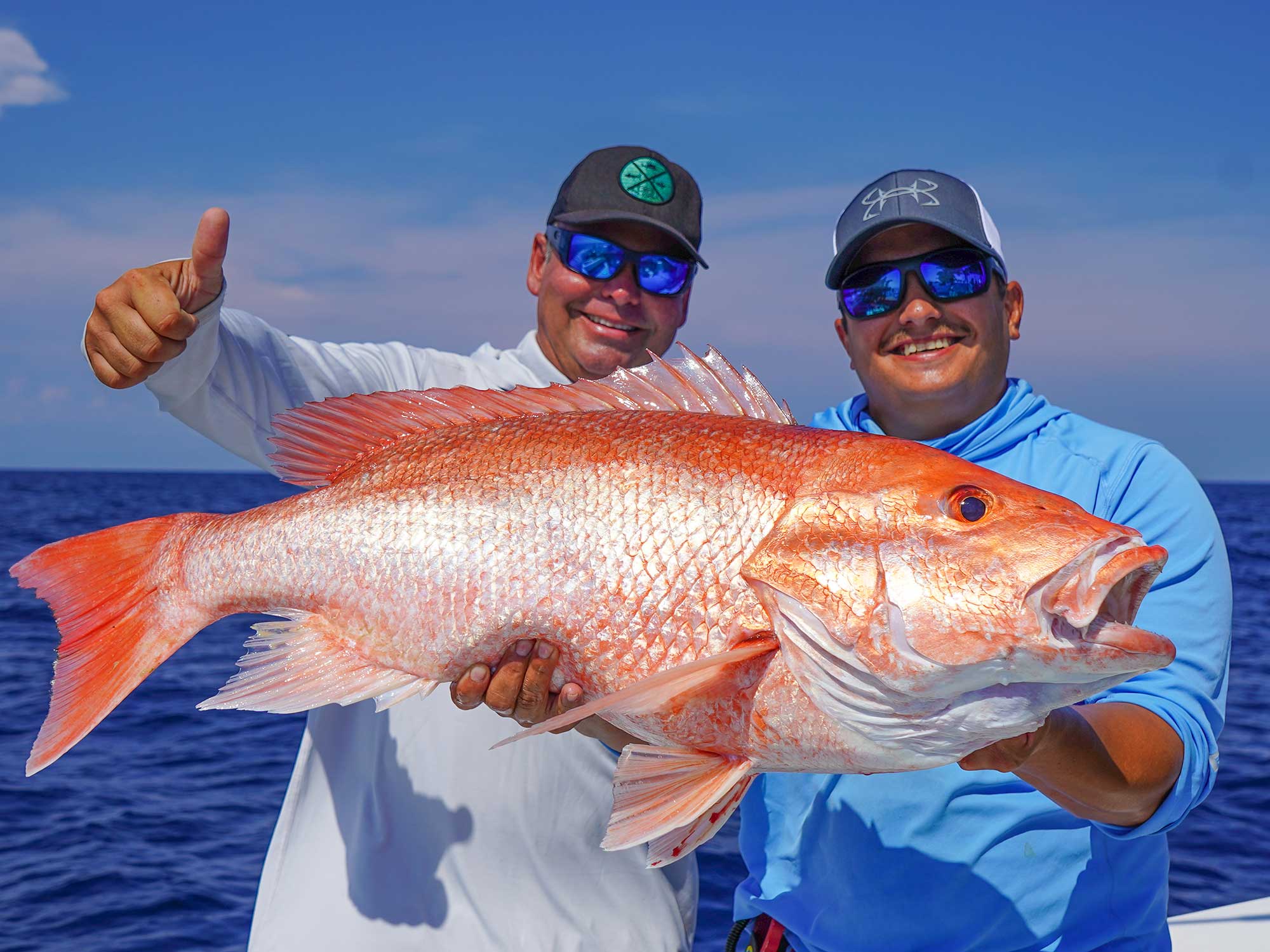
- Bag Limit: Anglers across Florida, Georgia, and South Carolina will be restricted to one red snapper per person, per day.
- For-Hire Restrictions: To prevent commercialization or excessive commercial-style harvest on charter vessels, captains and crew members operating for-hire boats will be strictly prohibited from retaining bag limits during these trips.
- Size Limits: South Carolina has proposed a 20-inch minimum size limit for retained red snapper. Interestingly, neither Georgia nor Florida has proposed a minimum length limit for their state waters during this specific window.
- Aggregate Caps in Florida: In Florida’s management plan, the single retained red snapper will count directly toward a strict 10-fish snapper-grouper aggregate limit. Once an angler hits this 10-fish combined limit—which includes species like vermilion snapper, black sea bass, and various groupers—all bottomfishing must immediately cease.
Mandatory Gear Requirements
To combat the primary biological challenge facing reef fisheries—discard mortality (fish dying after being caught and released)—all three states will mandate the use of specific conservation gear:
- Non-Offset Circle Hooks: Mandatory when deploying natural bait, these hooks drastically reduce deep hooking, ensuring a higher rate of healthy releases for undersized or uncounted fish.
- Descending Devices: Anglers encountering barotrauma (the expansion of gases in fish pulled from deep water) must utilize functional descending devices to safely return fish to depth, dramatically increasing post-release survival rates.
Electronic Reporting and Accountability
The cornerstone of the proposed EFP fall season is absolute transparency and accountability through modern data collection tools:
- Georgia and South Carolina: Private recreational anglers will be required to electronically register and report every red snapper trip using the VESL app. Trips must be formally declared before leaving the dock. Furthermore, within 24 hours of returning to port, anglers must submit a detailed trip report documenting total harvest, number of discards, and hours fished.
- Florida: Florida anglers will utilize the state’s existing, free State Reef Fish Survey (SRFS), which is already mandatory for anyone participating in bottomfishing for reef species.
- Dockside Verification: To ensure self-reporting accuracy and compliance, wildlife enforcement and fisheries biologists from all three states will conduct targeted dockside intercepts, checking licenses, verifying catches, and auditing reported data against physical landings.
Official Statements and Industry Perspectives
The debate over South Atlantic red snapper touches a raw nerve within the American marine industry, highlighting deep divisions between the commercial fishing sector and the multi-billion-dollar recreational fishing economy.
Proponents of the state-led EFPs argue that current federal models are out of touch with reality. "For over a decade, our anglers have been told that red snapper stocks are critically depleted, yet anyone dropping a line offshore sees schools so thick they act like a nuisance," noted a regional marine fisheries advocate. "The science being used by federal regulators relies on flawed intercept surveys that were never designed to manage modern recreational fishing effort. The states are stepping up with high-tech, accountable reporting tools that give us real data. Halting these programs through the courts only protects a broken status quo."
Conversely, commercial fishing representatives and environmental watchdogs maintain that caution is paramount. The commercial sector argues that expanding recreational access—even under the guise of scientific pilot programs—risks exceeding annual catch limits and undermining decades of rebuilding efforts for a long-lived species. They contend that recreational effort is notoriously difficult to constrain once a season opens, making emergency closures or quota overages a constant threat.
The legal battle spearheaded by the Southeastern Fisheries Association underscores this tension. Commercial interests view the exempted fishing permits as an unlawful workaround to standard federal rulemaking procedures under the Magnuson-Stevens Fishery Conservation and Management Act.
As these legal and biological arguments collide, the immediate battleground has shifted to the public comment portal managed by NOAA Fisheries. State agencies, conservation organizations, and fishing coalitions are urging their constituents to make their voices heard before the August 25 deadline.
Future Outlook: What’s at Stake for the South Atlantic Fishery
The outcome of the proposed October 2026 red snapper season carries profound implications that extend far well beyond a single month of fishing.
1. The Validation of State-Led Data Systems
If Florida, Georgia, and South Carolina successfully execute this fall season under the VESL app and State Reef Fish Survey protocols, it will provide a powerful empirical case study. Demonstrating that recreational anglers can accurately self-report catch data in real time strips away the primary justification federal managers have used to deny seasonal access: the supposed unreliability of recreational data. A successful pilot program could pave the way for permanent, regionally managed recreational seasons in the years to come.
2. Economic Impacts on Coastal Communities
The marine trades industry—comprising charter captains, tackle manufacturers, marina operators, fuel docks, and coastal hospitality businesses—relies heavily on predictable, stable seasons. The sudden cancellation of the 2026 summer season caused significant financial shockwaves. A successful October season, with potential extensions into December, would offer a vital economic injection to coastal economies during the traditionally slower shoulder months.
3. Legal and Regulatory Precedent
The ongoing friction between state-level fisheries management and federal oversight, compounded by commercial litigation, will likely shape marine resource management nationwide. If federal courts consistently block state-sponsored EFPs designed to test alternative data collection, it may trigger a broader legislative push to reform the Magnuson-Stevens Act and limit the ability of single interest groups to bypass collaborative management frameworks.
How to Make Your Voice Heard
For anglers and marine industry stakeholders who want to see the October red snapper season become a reality, time is running out.
- Action Item: Submit a formal public comment in support of the tri-state exempted fishing permits to NOAA Fisheries via the official federal docket.
- Deadline: All comments must be submitted prior to August 25, 2026.
- Link: Access the official docket and submission portal at Regulations.gov Docket NOAA-NMFS-2026-2245.
The decisions made in the coming weeks will determine whether South Atlantic anglers take a meaningful step toward rational, data-backed fishery management—or remain locked in a cycle of endless courtroom battles and closed gates.

0 Comments