

Executive Overview
Offshore sportfishing has evolved far beyond the passive mechanics of traditional trolling. While dragging a wide spread of dredges, daisy chains, and ballyhoo remains a foundational method for covering open water, elite captains and tournament anglers increasingly rely on an active, high-stakes discipline: pitch-baiting.
At its core, pitch-baiting involves keeping ready-to-deploy, highly enticing baits on standby—often in spinning or conventional setups—waiting for an opportunistic moment when a gamefish rises to a teaser or crashes the spread. Rather than hoping a fish strikes a trolling bait trailing hundreds of feet behind the boat, pitch-baiting capitalizes on visual encounters close to the transom. The approach dramatically compresses the distance between angler and fish, minimizing line stretch, elevating hook-up ratios, and turning single-fish encounters into spectacular double or triple headers.
Whether targeting migrating white marlin off the Mid-Atlantic shelf in late summer, hunting sailfish in the Bahamas, or deploying innovative tactics for aggressive mahi-mahi and tunas, mastering pitch-baiting requires razor-sharp reflexes, precise tackle management, and an intimate understanding of pelagic behavior. This comprehensive guide explores the mechanics, gear configurations, tactical nuances, and advanced maneuvers that separate casual offshore trollers from master pitch-baiters.
Detailed Chronology: A Masterclass on the Virginia Ridge
To truly appreciate the dynamic nature of pitch-baiting, one must examine it in action on the water. A textbook demonstration unfolded off the coast of Virginia Beach, Virginia, aboard Captain Russ Kostinas’s sportfisher, the Top Notch.
The Setup and the Strike
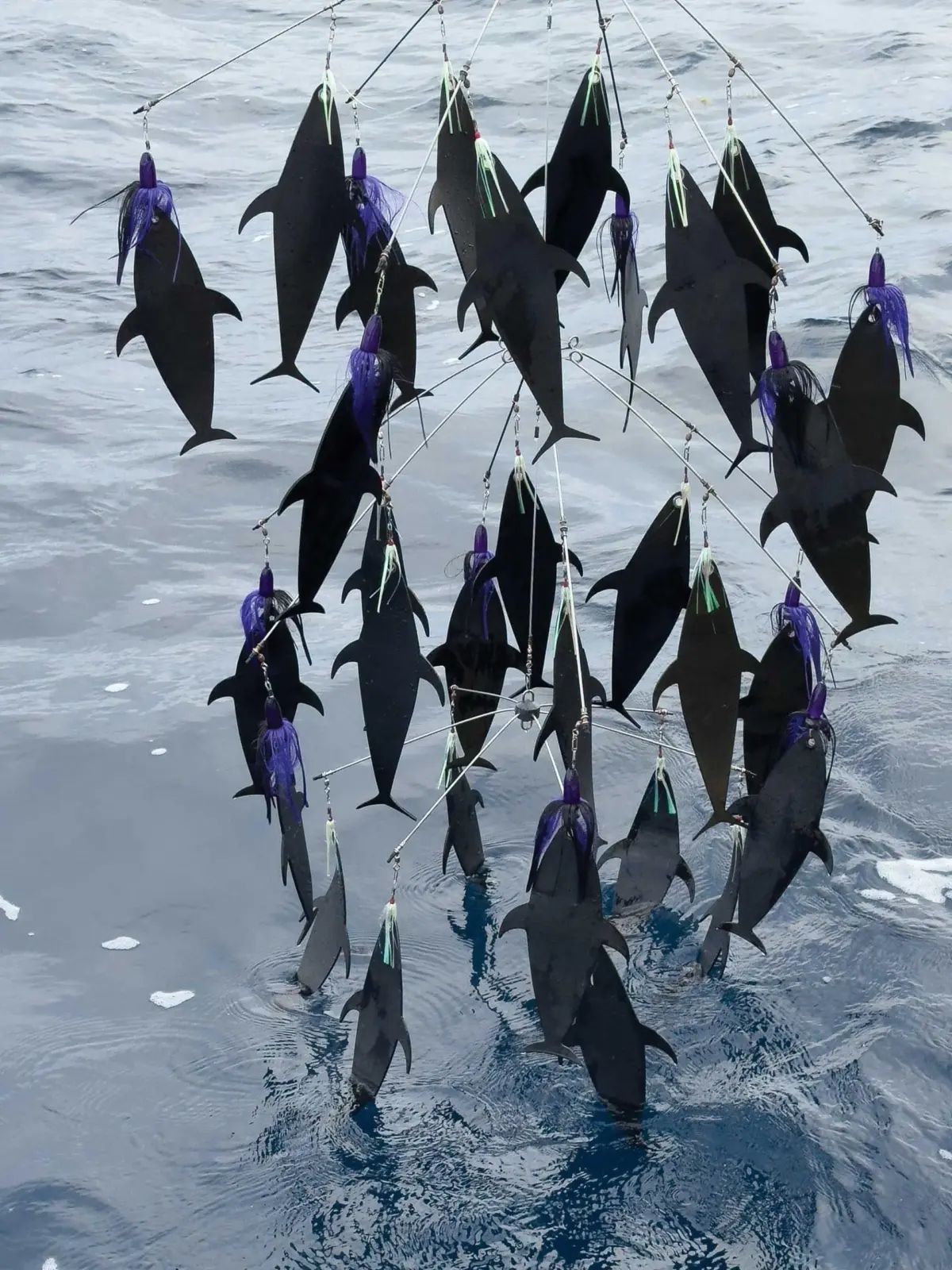
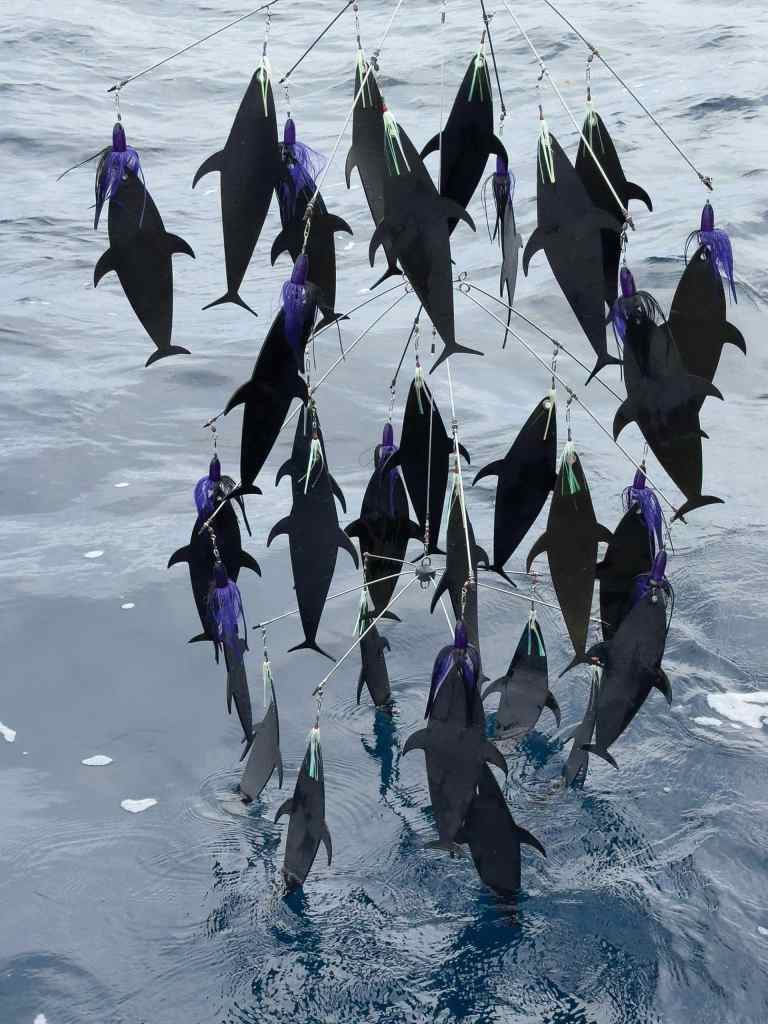
The morning began with a meticulously orchestrated illusion. A dense, life-rich swath of ocean water trailed the transom, featuring a combination of heavy teaser dredges, daisy chains, and a staggered ballyhoo spread. The primary target for the day was white marlin, which swarm the offshore canyons of Virginia and Maryland during their peak August and September migrations.
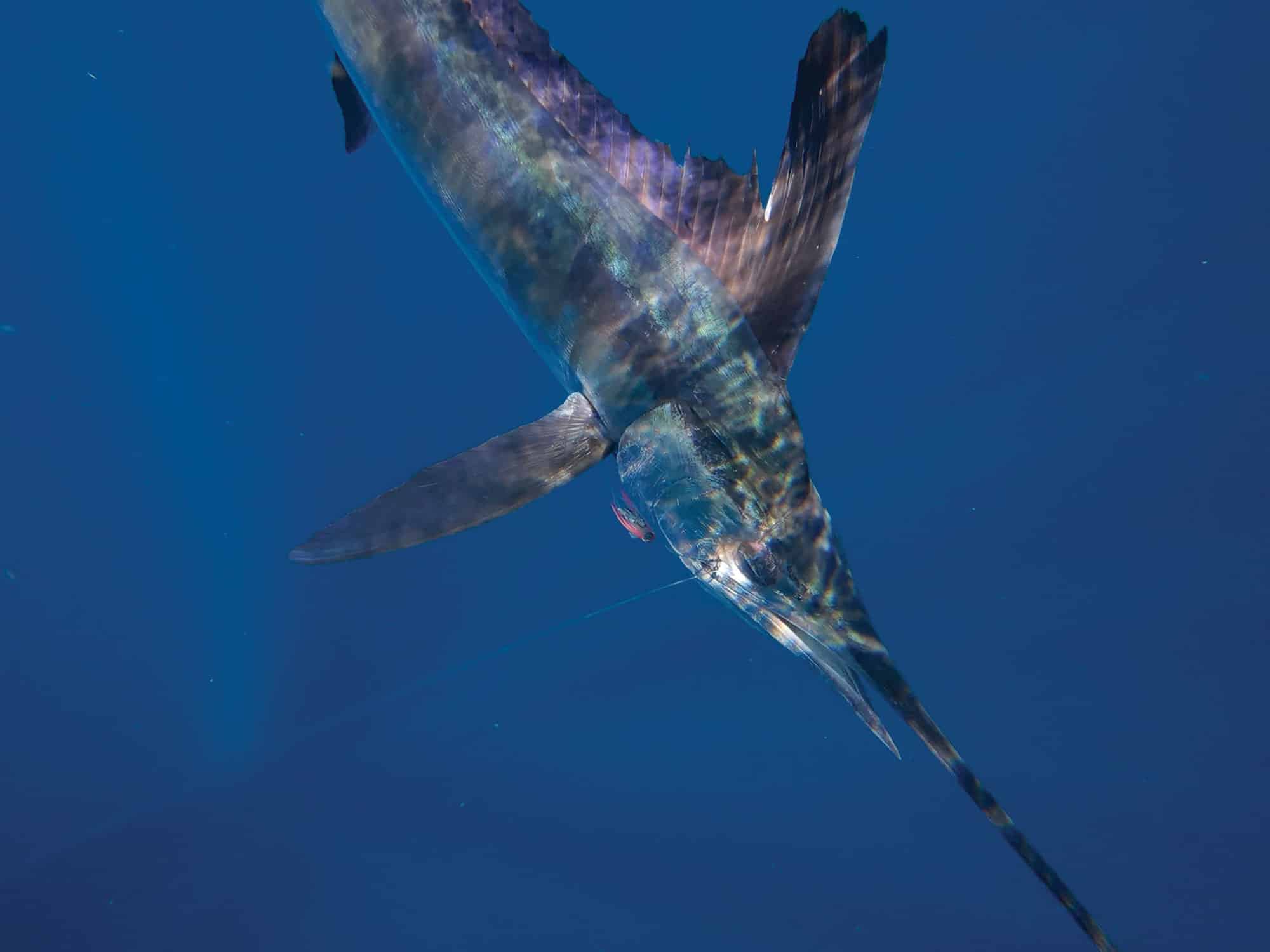
The spread had been in the water for barely an hour when the ocean came alive. Dr. Ken Neill III scored the first hookup, wrestling a feisty round-scale spearfish to the boat. As Dr. Neill focused on his fish, a second pelagic predator materialized out of the cobalt depths—a charging white marlin aggressively tracking the starboard daisy chain.
Capitalizing on Opportunity
Recognizing the secondary target, the crew executed a textbook pitch. An angler grabbed a pre-rigged 20-pound class spinning outfit, free-spooled a lively ballyhoo just behind the moving daisy chain, and skipped it across the surface to mimic an escaping baitfish. The visual stimulus was instantaneous. The white marlin abandoned the teaser, zeroed in on the pitch bait, and inhaled it within arm’s reach of the transom.
In a matter of seconds, a single spearfish hookup had transformed into a chaotic, adrenaline-fueled double-header. It is this exact level of dynamic, on-the-fly execution that underscores why pitch-baiting is an indispensable tactic in modern offshore fishing.
Supporting Context & Metrics: Regional Migrations and Gear Anatomy
Pitch-baiting is not confined to a single geographic pocket; rather, it is a dominant methodology wherever major billfish and pelagic migrations occur.
Global Migration Corridors
- The Bahamas (April & May): The same white marlin and sailfish populations that grace the Mid-Atlantic in late summer begin their northward and outward journeys through the far eastern Bahamas earlier in the spring. Anglers working the deep-water drop-offs near the Abacos—such as the grounds surrounding the Green Turtle Club—routinely rely on light-tackle pitch techniques to target cruisers.
- The Northeastern Canyons: As migratory species push past Maryland and Virginia into Northeastern waters, local fleets adopt the "tease-and-pitch" routine as standard operating procedure.
- Global Hotspots: From the sailfish-rich waters of Central America to the blue marlin grounds of the Caribbean, pitch-baiting serves as the primary equalizer for converting curious fish into confirmed catches.
Tackle Anatomy and Configurations
Different species demand calibrated gear to optimize hook-up success without overpowering the sporting experience.
| Target Species | Tackle Class | Primary Hook Type | Leader Specifications | Preferred Pitch Bait |
|---|---|---|---|---|
| White Marlin / Sailfish | 20- to 30-lb class (Spinning or Conventional) | Small-to-medium Circle Hook | 50- to 80-lb Fluorocarbon | Select ballyhoo or strip bait |
| Blue Marlin | 50-lb class (Conventional) | Large Circle Hook | 200-lb Fluorocarbon | Horse ballyhoo or "Quick Pin" mahi |
| Mahi-Mahi / Schoolies | Light Spinning / 20-lb Spin | Circle Hook / Assist Hook Combo | 40- to 50-lb Fluorocarbon | Small ballyhoo or live bait |
The "Quick Pin" Innovation
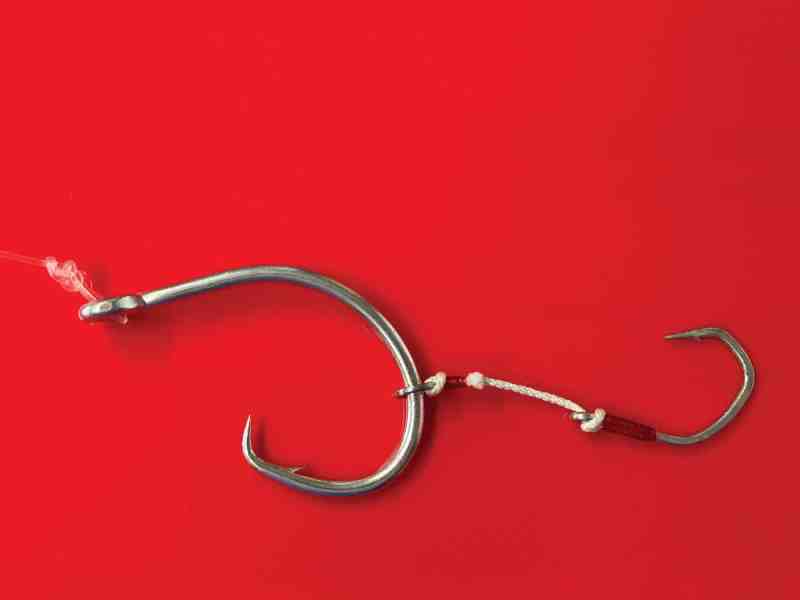
For blue marlin that aggressively crash surface spreads—or for capitalizing on unexpected encounters while running through schools of hungry mahi—the "quick pin" rig has revolutionized pitch-baiting efficiency.
Constructed using a large circle hook married to a flutter-jig assist hook, this rig allows an angler to pin the small assist hook directly into the upper jaw of a small live mahi-mahi or ballyhoo. The primary circle hook remains unobstructed and positioned directly in front of the bait, ready to find the corner of a predator’s jaw the instant line is fed into the free-spool.
Official Statements and Expert Perspectives
According to veteran offshore captains and tournament authorities, the strategic advantages of incorporating pitch baits into a spread are manifold. Industry experts categorize these benefits into three distinct operational pillars:
-
Heightened Fish Aggression:
"Any fish coming onto a dredge or teaser is typically charged up," notes veteran angler and author George Poveromo. "The more a teaser is kept from it, the more aggressive the strike becomes. It eliminates the frustrating phenomenon of ‘window shoppers’—fish that swim lazily behind a trolling bait without committing."
-
Dramatically Reduced Line Stretch:
Traditional trolling requires dropping baits 100 to 300 feet behind the boat, creating massive belly and stretch in the monofilament or braid. Pitching a bait within 10 to 30 feet of the transom ensures direct, instantaneous contact when a fish strikes, raising hook-up ratios exponentially. -
Optimized Tournament Releases:
By bringing fish tight to the boat for the strike, anglers can fight and release pelagics in a fraction of the time. This minimizes lactic acid buildup in exhausted fish, ensuring higher survival rates upon release—a critical metric in catch-and-tag tournaments.
Future Outlook: Advanced Techniques and Tournament Tactics
As the competitive landscape of big-game fishing grows fiercer, captains are pushing the boundaries of pitch-baiting to maximize numbers on the scoreboard. Future-proofing one’s offshore game requires adopting advanced tactical maneuvers.
Prospecting and Doubling Down
Pelagic species such as white marlin and sailfish rarely travel alone; they are communal hunters found in pods, pairs, or shadowing larger predators. When an angler is already fast to a billfish, the golden rule of modern tournament fishing is prospecting.
As the hooked fish is brought within casting range, a second angler should immediately have a pitch bait ready to deploy just behind or to the side of the hooked specimen—taking care to avoid crossing lines. It is remarkably common for companion fish to follow their schoolmate toward the boat. Successfully pitching to these followers routinely converts single hookups into double or triple headers, heavily skewing tournament standings.
The "Pied-Piper" Mahi Strategy
School-sized mahi-mahi are notorious for attacking a trolling spread, only to scatter when the boat slows down or stops. To circumvent this, elite captains employ the Pied-Piper maneuver:
- When mahi crash a daisy-chain spread, do not stop the boat.
- Engage the autopilot to maintain a slow, steady forward momentum. In many cases, mahi will instinctively follow the moving daisy chains like Pied Piper rats.
- Have an angler pitch a bait just behind the trailing chain to hook the first fish, then calmly walk it to mid-ship.
- Box or release the mid-ship fish while another angler steps up to pitch a fresh bait into the active zone.
By keeping the vessel moving and the teasers working, anglers can systematically pick apart an entire school of mahi without ever losing the school’s trailing momentum.
The Final Word on Effort vs. Yield
Ultimately, pitch-baiting transforms offshore fishing from a game of blind luck into an interactive chess match between angler and pelagic predator. Whether you are dropping a weighted deep-jig or flutter iron down for blackfin and yellowfin tunas following a hooked fish, or nervously feeding line to a lit-up blue marlin inches from the swim platform, the success of the endeavor boils down to preparation, reflexes, and the willingness to invest maximum effort into loading the fish box. Master the pitch, and the ocean opens up entirely.

0 Comments