

Executive Overview
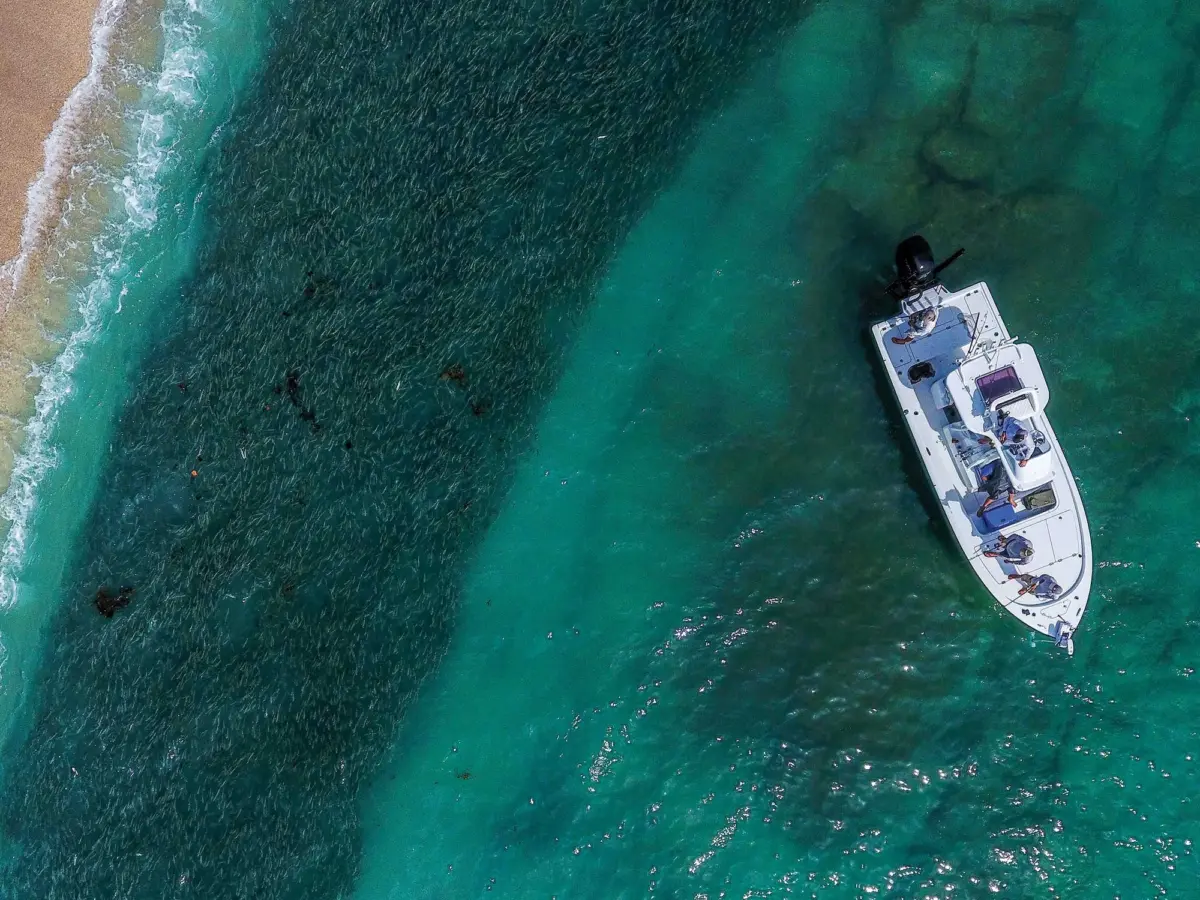
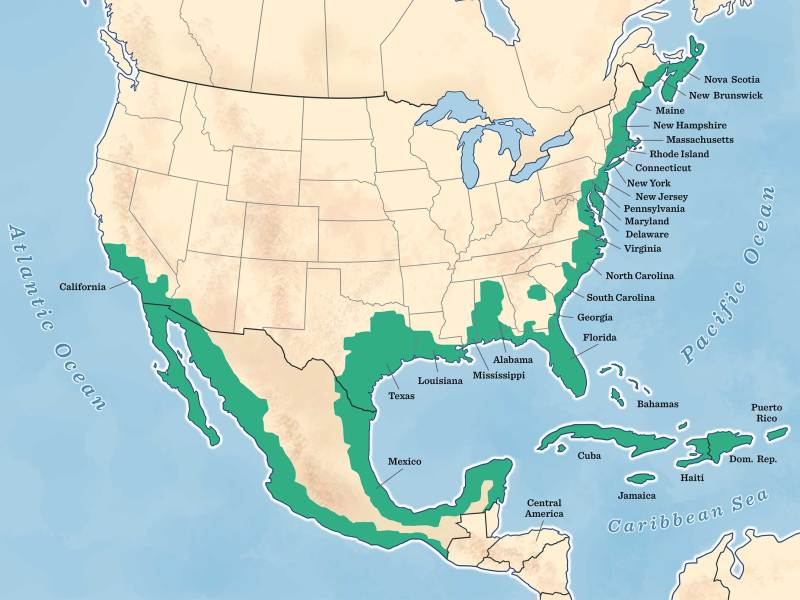
Every autumn, as the searing heat of summer begins to relent across North America, a marine phenomenon unfolds along the Atlantic Coast and the Gulf of Mexico that rivals any terrestrial wildlife migration on earth. Beginning typically in September and stretching well into November—and occasionally bleeding into December—millions upon millions of mullet pour out of brackish rivers, sprawling bays, and secluded estuaries. This massive exodus of striped (Mugil cephalus) and silver (Mugil curema) mullet sees baitfish ranging from tiny fingerlings to hefty three-pound adults surging seaward.
Far more than a simple seasonal shift, this biological event triggers an apex predator feeding frenzy along the beaches, inlets, and nearshore waters. From massive bull redfish and acrobatic tarpon to marauding king mackerel, sharks, and snook, nearly every major coastal gamefish converges on the moving bait pods. For the dedicated saltwater angler, the fall mullet run represents the ultimate angling calendar highlight. Understanding the mechanics of this migration, the behaviors of the targeted species, and the strategic deployment of live bait and artificial lures is the difference between experiencing a historic day on the water and watching from the sidelines while the ocean boils with predatory mayhem.
Detailed Chronology: The Evolution of the Run
The seasonal movement of mullet is a clockwork-like spectacle, yet it possesses an unpredictable, wild character that keeps even the most seasoned coastal guides guessing.
Phase One: The September Spark
The migration typically ignites after the first strong hint of cooler weather in early to mid-September. Vast schools of mullet, having spent the spring and summer gorging themselves in the nutrient-rich marshes and backwaters, begin to marshal near river mouths and estuary bottlenecks. Biologists note that this movement is primarily driven by reproductive imperatives. Mullet seek precise oceanic salinity levels to broadcast spawn, releasing their eggs and milt into the coastal currents.
During this initial phase, the bait is often smaller—frequently referred to as "finger mullet." Anglers targeting the early run will find intense inshore and nearshore action around tidal creeks, bridges, and inlet passes as the fish first feel the urge to push outward.
Phase Two: The October Peak and Beach Blitz
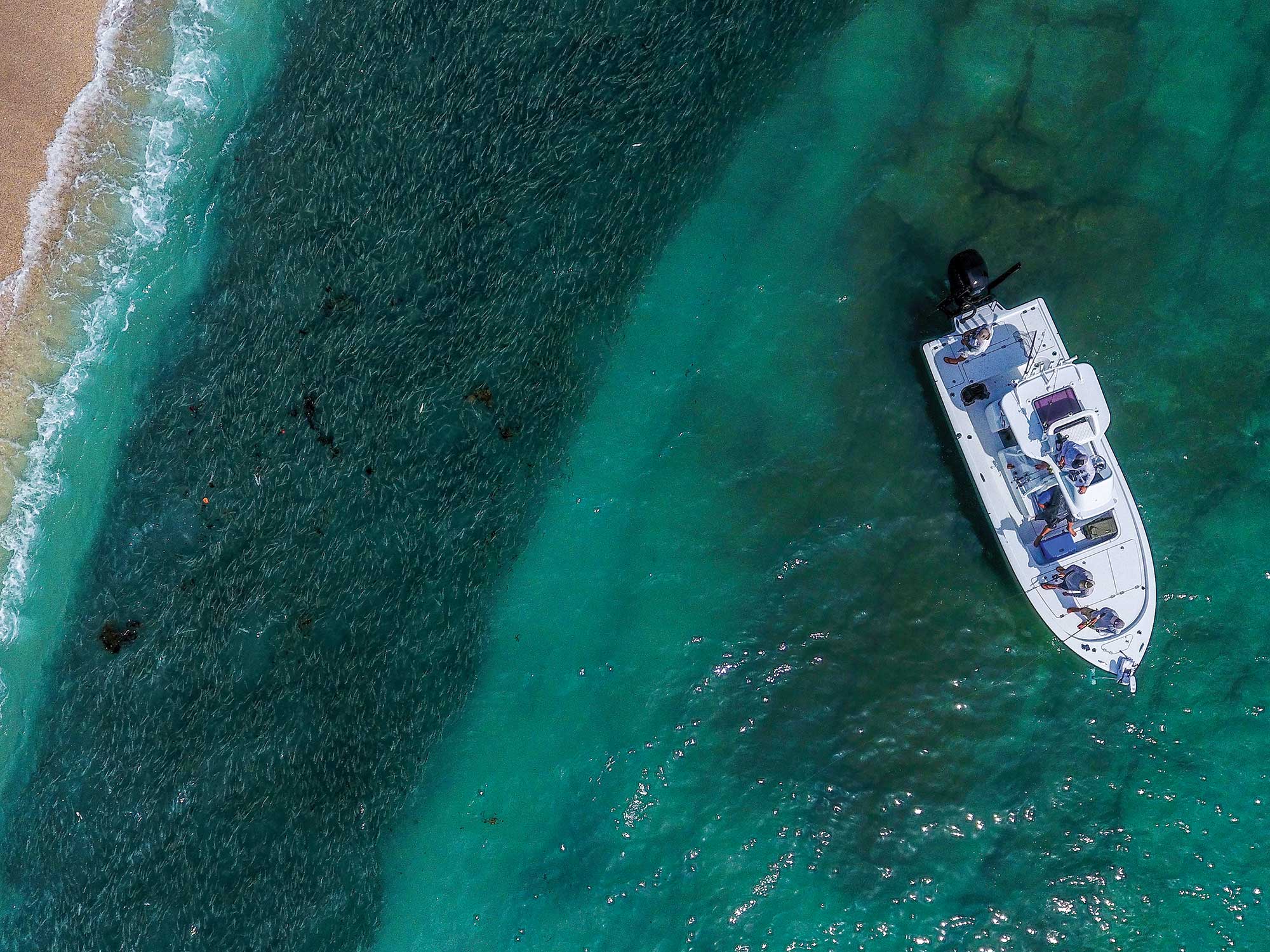
By October, the run hits full stride. Millions of mullet consolidate into massive, dark-brown pods that hug the shoreline, frequently cruising within casting distance of the surf zone. Driven by instinct and pushed by intermittent northeast winds, these schools move steadily southward along the Atlantic Coast, or execute lateral migrations spanning up to 100 miles across the Gulf of Mexico.
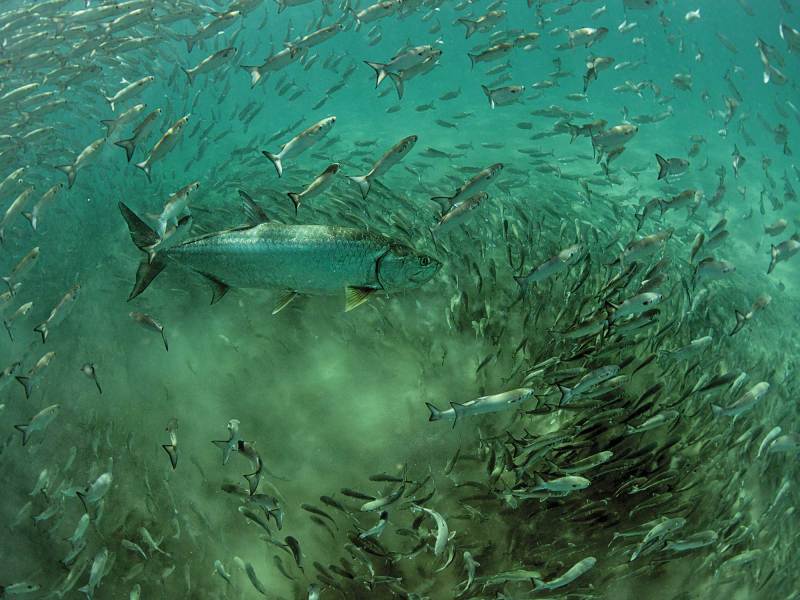
This is the peak of the predator gauntlet. Tarpon, snook, oversized redfish, jacks, and bluefish station themselves along the beaches, creating explosive, surface-busting feeding frenzies. The water erupts as predators slash through the flanks of the bait pods, while panicked mullet leap high into the air—a defensive behavior scientists theorize may also help the fish absorb extra oxygen during intense chases or escape subsurface turbulence.
Phase Three: The Late-Season Tail and Winter Transition
As November rolls on and water temperatures drop more decisively, the bulk of the spawning run pushes deeper offshore or moves further south into the subtropical waters of South Florida. However, secondary waves and resident mullet populations continue to provide sporadic, high-intensity action well into the late fall and early winter. Anglers who remain vigilant and track water temperature drops can still intercept migrating pods as they clear major geographical pinch points like Sebastian Inlet or Cape Canaveral.
Supporting Context & Metrics: The Science of the Migration
To successfully target gamefish during the mullet run, an angler must look past the surface action and understand the underlying biological and environmental drivers governing both the bait and the hunters.
- Salinity and Spawning Triggers: Marine biologists confirm that striped and silver mullet are catadromous in their breeding habits—living primarily in freshwater or brackish environments before migrating to high-salinity marine waters to reproduce. The precise timing of the run is heavily dictated by lunar cycles, barometric pressure shifts, and coastal salinity gradients.
- The Weather Factor: A slight-to-moderate northeast wind is universally hailed by coastal captains as the holy grail of mullet-run conditions. A northeast breeze generates surf and swell that physically pushes the migrating bait pods tight against the sandy beaches. This compression limits the escape routes for the mullet, trapping them against the shore and making them sitting ducks for ravenous predators.
- Forage Diversity: The run is not monolithic. Schools range wildly in size, from micro-fry measuring an inch or two up to heavy, three-pound "jumping mullet." Predators are acutely aware of these size discrepancies. Matching the hatch—using baits or lures that precisely mirror the specific size class of mullet present in a given pod—is critical to securing consistent strikes.
Official Statements and Expert Perspectives
The sheer magnitude of the mullet run draws commentary and insight from professional guides and marine researchers who witness the phenomenon firsthand year after year.
Capt. Phil O’Bannon, a renowned charter captain and fishing authority with extensive experience navigating the mullet runs on both Florida coasts, emphasizes the importance of precision when targeting wary line-siders like snook:
"One important key for snook is to match the size bait to the size mullet in a school where linesiders are feeding. If, for example, bait pods are holding mostly mullet in the 6-inch range, that’s the size bait to employ, preferably caught from the same schools snook are hitting."
Biologists tracking white mullet populations in the Gulf of Mexico have documented linear migrations exceeding 100 miles. Unlike the linear north-to-south trajectory common along the Atlantic Seaboard, Gulf populations frequently execute east-west movements as they seek out optimal offshore spawning grounds.
Fisheries management agencies also issue regular advisories during this peak season. Because the mullet run coincides with the autumn spawning cycles of many prominent coastal species—most notably oversized redfish (Sciaenops ocellatus)—anglers are strongly urged to consult local state regulations regarding size limits, bag limits, and catch-and-release protocols for trophy-class fish, many of which exceed legal harvest slots.
Future Outlook: Conserving the Coastal Ecosystem
The annual mullet run is a testament to the resilience and productivity of our coastal ecosystems, yet it remains vulnerable to environmental pressures. Changes in coastal water quality, the loss of vital estuarine nursery habitats due to coastal development, and shifting ocean temperatures all pose long-term challenges to the stability of native mullet populations.
Healthy mullet stocks are the literal foundation of the inshore food web; without them, populations of redfish, tarpon, snook, and mackerel would face catastrophic nutritional bottlenecks. For the recreational fishing community, the future outlook depends heavily on practicing ethical stewardship. Catch-and-release fishing for oversized breeders, utilizing circle hooks to minimize gut-hooking during live-bait sessions, and supporting habitat restoration initiatives in river mouths and estuaries ensure that this breathtaking autumn spectacle will endure for generations of anglers to come.
Targeted Species Breakdowns & Angling Strategies
1. Raging Redfish
The southeast coast, spanning from the Carolinas down through the Georgia and Florida coastlines, experiences a massive influx of redfish into inlets, sounds, and lower river systems during the fall. Mature redfish—many of them heavy, oversized "bulls"—gorge themselves on the cascading mullet parade.
- Where to Find Them: Look for slick water conditions at daybreak near river mouths, deep inlet channels, and within a few hundred yards of the breaking surf. Keep an eye out for dark-brown surface slicks or nervous water.
- Tactics: Cast live mullet or heavy spoons and soft-plastic swimbaits along the edges of the schools where they interact with bottom structure.
2. Snook in the South
Beginning around Sebastian Inlet and stretching aggressively down through Miami and the keys, the mullet run triggers a feeding orgy for coastal snook.
- Tactics: Utilize cast nets to harvest live mullet directly from the local feeding pods. Rig them on fluorocarbon leaders and match your hook size to the natural profile of the baitfish. Surface plugs and jerkbaits worked rapidly across the edges of the pods can also draw explosive topwater strikes.
3. Tarpon on a Tear
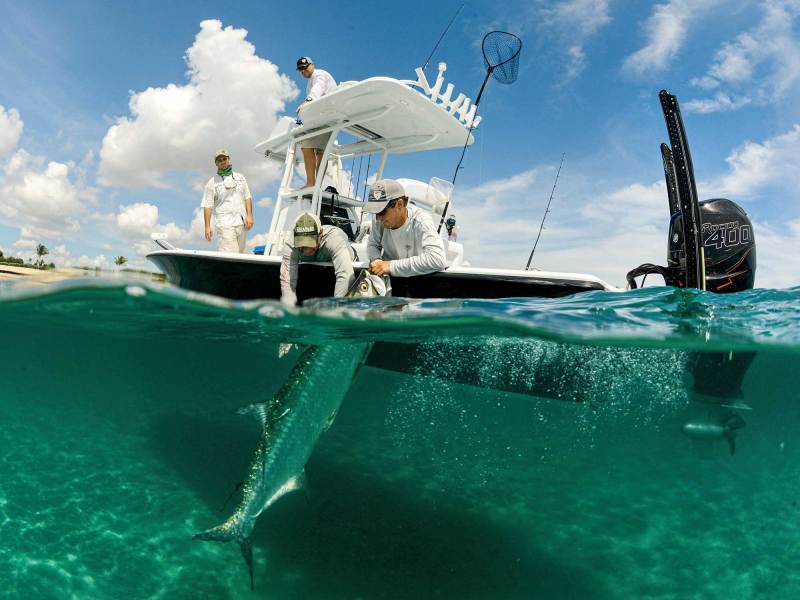
The "Silver King" steals the show across the Carolinas and Georgia, extending straight down the Florida peninsula. Tarpon relentlessly patrol the beach zones, carving explosive paths straight through dense bait schools.
- Tactics: Pitching a live mullet or a large soft-plastic artificial into the chaos requires patience. The primary challenge is convincing a tarpon to consume your hooked offering when millions of free, unhooked meals surround it. Persistence, accurate positioning, and heavy tackle are mandatory.
4. Kingfish, Barracuda, and Pelagic Invaders
When mullet schools extend a mile or more offshore, pelagic predators arrive. King mackerel in the 20-pound class and aggressive barracuda join the feeding frenzy.
- Tactics: Slow-trolling live baits around deepwater mullet pods using wire leaders and tandem-hook rigs is exceptionally effective. Watch for skyrocketing mackerel and position your boat carefully to avoid spooking the baitfish.
5. Jacks, Blues, and Spanish Mackerel
Though often overshadowed by the prestige of tarpon and snook, aggressive species like jack crevalle, bluefish, and Spanish mackerel inflict massive damage on mullet schools.
- Tactics: These fish offer phenomenal sport for both conventional and fly-fishing anglers. When a swarm of 15-pound yellow-tinged jacks attacks a bait pod, virtually any lure tossed into the melee will be instantly annihilated, providing fast-paced, high-adrenaline action.

0 Comments