
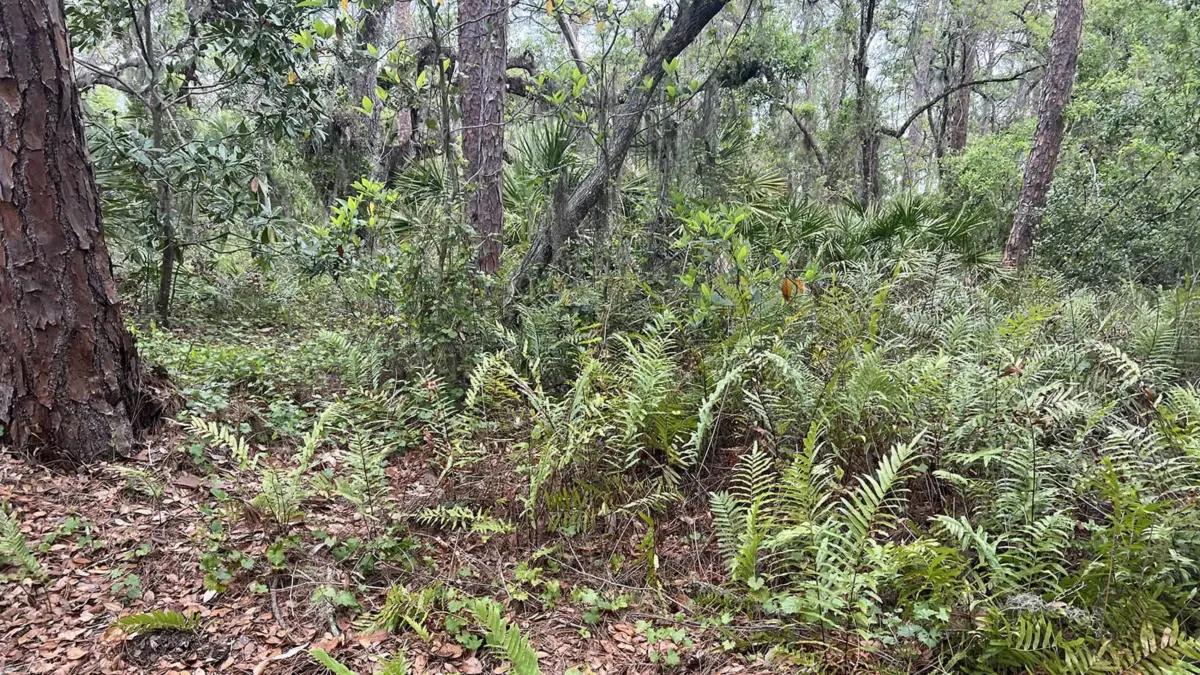

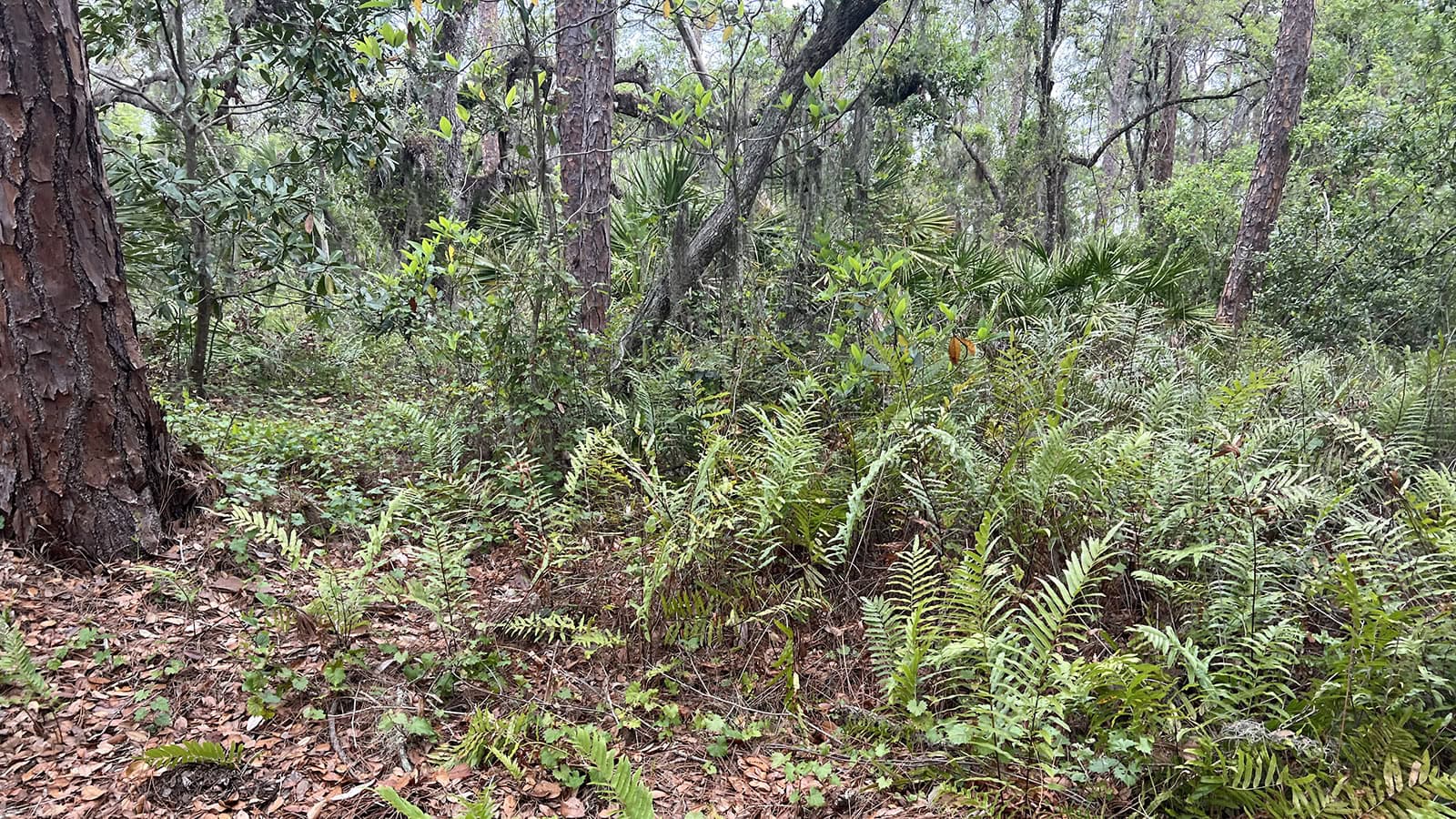
Nestled quietly on the southern edge of Bradenton, Florida, Conservatory Park stands as a masterclass in modern ecological preservation and suburban integration. Surrounded on nearly all sides by modern housing developments, this well-hidden woodland sanctuary manages to successfully blot out the concrete grid, offering local residents and visitors a deeply immersive escape into native Florida nature.
Managed by Manatee County, the park covers a modest footprint of pristine flatwoods, a freshwater lake, and native wetlands. Yet, its impact on the local community extends far beyond its physical boundaries. Featuring a meticulously maintained 0.7-mile paved loop, nature-themed play areas, an outdoor amphitheater, and a tranquil lakefront observation deck, Conservatory Park bridges the gap between active recreation and environmental stewardship.
This comprehensive report explores the layout, ecological value, amenities, and community significance of Conservatory Park. Designed to serve as an authoritative guide for outdoor enthusiasts, conservationists, and everyday visitors, this feature details every aspect of what makes this hidden gem an essential Florida destination.
Detailed Chronology: Navigating the 0.7-Mile Paved Loop
For visitors looking to experience the park on foot, the journey through Conservatory Park unfolds as a carefully orchestrated transition from urban accessibility to wild serenity. The following chronological breakdown follows the path of a clockwise circuit starting from the north parking area.

Phase 1: Entering the Pine Flatwoods
The adventure begins at the north parking area, where a clean, paved sidewalk seamlessly meets the asphalt path winding through a towering canopy of southern pines. Stepping onto the trail, hikers immediately enter a surviving remnant of the pine flatwoods that once historically blanketed large swaths of southwest Florida.
Turning left for a clockwise circuit, visitors pass clusters of ancient saw palmetto thriving amidst a tangled understory. The visual of the trail marker sign quickly gives way to a sensory immersion: the air fills with rich birdsong, and the soft rustle of leaves overhead dampens the distant sounds of nearby suburban traffic. Moments later, the trail brings hikers past an inviting picnic shelter, perfectly positioned for early-morning rest stops or casual gatherings.

Phase 2: Under the Oaks and Nature Play Features
Continuing along the route, a slight rise in elevation introduces a lower secondary canopy of sturdy live oaks growing beneath the towering pines. Thick mounds of native grapevines sprawl across the forest floor, framing the trail in wild greenery.
Here, the park introduces its unique educational infrastructure. The first nature play stop features a cluster of giant, sculpted mushrooms rising behind an informative interpretive sign, designed to spark children’s imaginations. Skirting around another curve, hikers encounter a second picnic shelter before a brick walkway branches off to the left, leading toward an outdoor amphitheater. Thick groves of marsh ferns carpet the ground beneath arching live oak branches, creating an atmosphere reminiscent of old Florida.

Phase 3: Crossing the Bridge and Reaching the Southern Trailhead
The path soon crosses a broad bridge arching gently over a fern-filled basin, leading straight to a trail junction near the park’s central playground facilities. A modern restroom building and an adjacent picnic shelter provide essential amenities for families spending the day outdoors.
Moving straight ahead, the path tracks the southern trailhead boundary, where visitors walk briefly behind a yellow safety line before re-entering the deep forest canopy. At approximately the 0.4-mile mark, a wooden spur trail branches off to the left, guiding visitors onto an expansive observation deck that overlooks a dark-water lake.

Phase 4: Lake Views and the Paddler’s Launch
The observation deck serves as a peaceful focal point for the entire park. Basking turtles frequently dot the dark waters of the lake, framed by the wild, forested shoreline on the opposite bank. Adjacent to the deck, a short footpath leads down to a dedicated paddler’s launch and dock, offering water enthusiasts a unique point of entry for non-motorized craft.
Leaving the water’s edge, hikers cross the park’s internal entrance road and plunge back into the thick forest on the paved path. Walls of dense vegetation—choked with grapevines and palmettos—flank the walkway, leading past a quiet bench and another trail map sign.

Phase 5: Watershed Education and the Final Stretch
As the loop nears its completion, the trail guides visitors past a specialized bird-themed nature play area. A low canopy of oaks presses close to the path near an outdoor fitness machine, highlighting the park’s multi-use appeal.
An interpretive sign details the massive scope of the Manatee River watershed, which spans more than 350 square miles, connecting visitors directly to regional hydrology. Merging with a trail coming from the butterfly play area to the left, the path crosses one final bridge over the fern basin. Weaving once more through the pine trunks, the asphalt trail transitions back to the initial sidewalk, completing the 0.7-mile loop back at the parking area.

Supporting Context & Metrics
Understanding the operational framework of Conservatory Park requires looking at its vital statistics, accessibility standards, and geographical context.
Key Park Metrics & Specifications
- Location: Bradenton / Sarasota border, Manatee County, Florida
- Total Trail Length: 0.7 miles (continuous, accessible asphalt loop)
- Trailhead Coordinates: 27.39684, -82.49218
- Physical Address: 8027 Conservatory Dr, Sarasota, FL 34243
- Admission Fees: Free to the public
- Operating Hours: Open daily from dawn to dusk
- Pet Policy: Leashed dogs are welcome; visitors are strictly required to clean up after pets.
- Restroom Facilities: Available near the central playground area.
- Land Management: Manatee County (Parks and Natural Resources Department)
- Contact Information: 941-742-5923
Navigational Directions
For travelers accessing the park via major roadways:

- From Interstate 75, take Exit 213 toward Sarasota.
- Head west on University Parkway for approximately 2.2 miles.
- Turn right onto Whitfield Avenue (County Line Road) and proceed north for 0.3 miles.
- Turn left onto Timberlake Road and continue for 0.3 miles.
- Turn left onto Desoto Woods Drive and follow it to its terminus at the park entrance.
Official Statements & Administrative Guidance
Manatee County land managers emphasize that Conservatory Park was designed with a dual mission: protecting localized urban wildlife habitats while providing equitable, low-impact outdoor recreation for a rapidly expanding residential sector.
According to county park administration, the integration of educational signage regarding the Manatee River watershed and native flora is an intentional effort to foster environmental literacy among younger generations. "Parks nestled within urbanized zones must serve as both sanctuaries for wildlife and outdoor classrooms for the community," notes county parks literature. "Conservatory Park proves that high-density suburban growth and thriving natural ecosystems can successfully coexist when paired with thoughtful landscape architecture and universal trail accessibility."

Furthermore, local ordinances require strict adherence to park rules, particularly regarding leash laws and waste disposal, to protect the fragile flatwoods ecosystem and maintain a clean, welcoming environment for all user demographics—from casual walkers to families utilizing the nature play zones.
Future Outlook: Preservation in a Growing Region
As Manatee County and the broader Sarasota-Bradenton metropolitan area continue to experience rapid real estate development and population growth, the value of protected green spaces like Conservatory Park cannot be overstated.

Looking forward, local conservation planners view these micro-reserves as vital ecological corridors that help mitigate urban heat island effects, manage localized stormwater runoff, and preserve native biodiversity. Plans for Conservatory Park focus on ongoing maintenance of its paved infrastructure, upgrading interpretive exhibits, and ensuring that the park remains a pristine, accessible refuge for decades to come.
For hikers, birdwatchers, paddlers, and families seeking an authentic touch of Florida wilderness without venturing deep into rural state forests, Conservatory Park remains an invaluable community asset—proving that wild beauty can thrive right in the backyard of suburbia.

0 Comments