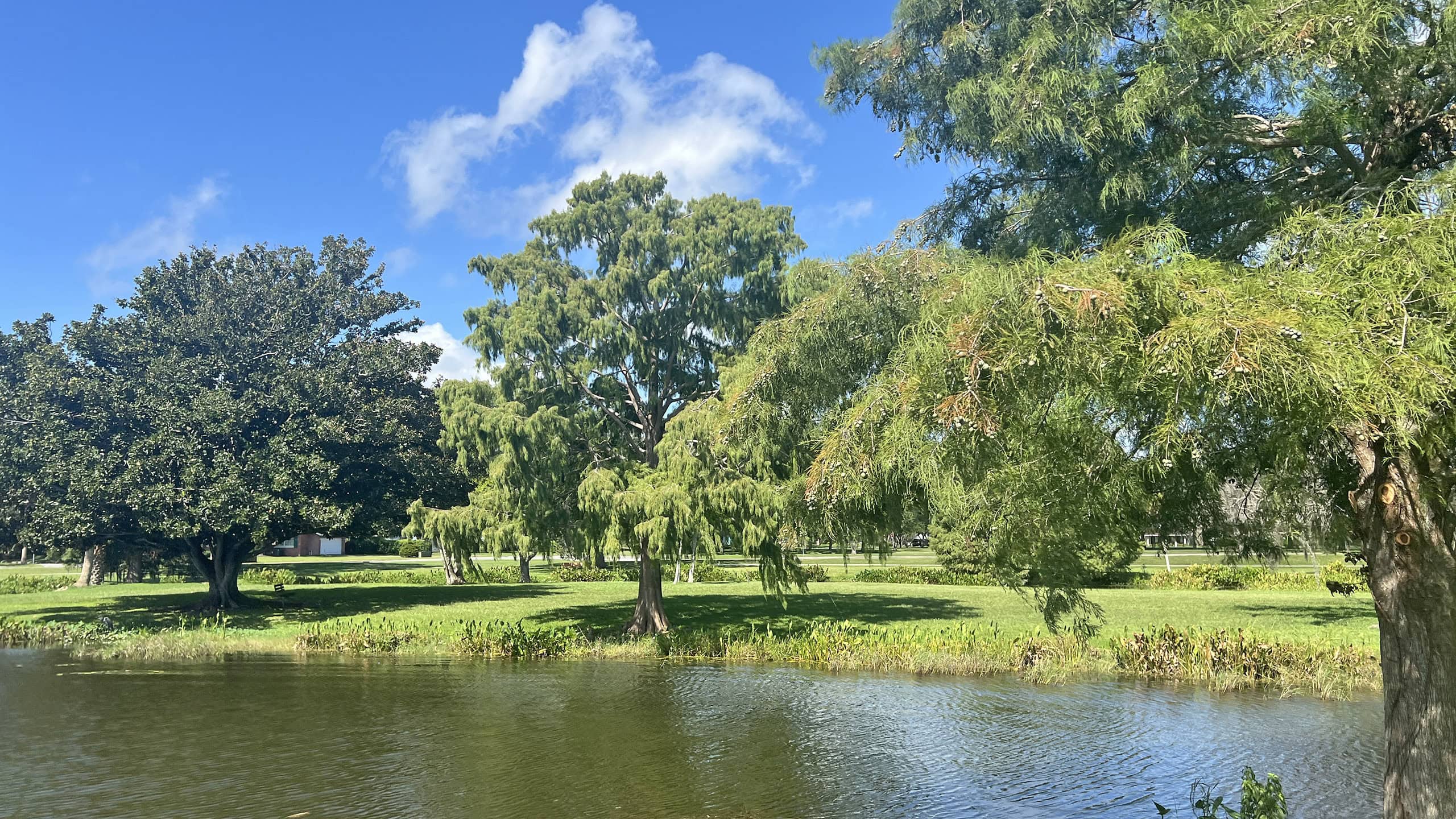
Nestled along a picturesque cove of Lake Harris in Leesburg, Florida, Venetian Gardens Park stands as a premier waterfront destination that blends historical legacy with vibrant conservation. Spanning a thoughtfully designed 1.1-mile loop, the park offers visitors an immersive journey through a landscape defined by swaying live oaks draped in Spanish moss, tranquil water features, and an abundance of resident wildlife.
Originally conceived from a dredge-and-fill operation in the 1920s and later shaped by the labor of the Works Progress Administration (WPA) during the Great Depression, Venetian Gardens has evolved from a manicured municipal green space into a flourishing ecological haven. Today, native flora outnumbers ornamental plantings, creating a balanced ecosystem that welcomes inquisitive purple gallinules, wading white ibis, and families of local waterfowl.
Administered by the City of Leesburg, the park serves as a vital community anchor, connecting the Venetian Center, Ski Beach Park, and Rogers Park via an accessible network of paved walkways, floating docks, and historic footbridges. Beyond its recreational utility, Venetian Gardens functions as a living monument, honoring local heritage—including the contributions of Leesburg’s Black pioneers and the words of Dr. Martin Luther King Jr.—while providing an enduring, accessible sanctuary for nature enthusiasts, families, and casual strollers alike.
Detailed Chronology: From Sawgrass Marsh to Waterfront Paradise
The Pre-Development Era and 1925 Engineering
Long before concrete walkways and landscaped islands graced the northern shore of Lake Harris, the landscape was dominated by an expansive, uninterrupted sawgrass marsh. This dynamic wetland ecosystem acted as a natural filter and a thriving habitat for native Florida wildlife.
The transformation of the cove began in earnest in 1925. Municipal and commercial developers initiated a massive dredging and excavation project designed to carve out a functional harbor and boat channel. The dredging process generated substantial spoil piles, which were strategically contained behind a rim dike. These elevated deposits formed the foundational skeleton of the islands that define the park’s layout today, laying the groundwork for a radical human intervention in the local watershed.
The WPA Era and the 1936 Planting Initiative
As the economic pressures of the Great Depression gripped the nation, federal relief programs sought to put citizens back to work through public works initiatives. In 1936, laborers employed by the Works Progress Administration (WPA) were deployed to Venetian Gardens to reshape the dredge spoils into a functional recreational asset.
WPA crews planted the first wave of ornamental vegetation across the newly formed islands. While the initial aesthetic was heavily manicured and reflective of mid-20th-century landscape architecture, it inadvertently established a multi-tiered canopy. Over the decades, ecological succession took hold, allowing native species to migrate into the park and eventually outnumber the original non-native ornamental plantings.
Modern Accessibility and Community Integration
In recent decades, municipal investments have focused heavily on modernizing the park’s infrastructure without compromising its natural charm. The City of Leesburg reconfigured pathways, upgraded floating docks, and integrated modern recreational amenities—such as the splash pad and upgraded playground at Rogers Park—into a seamless, unified corridor. Furthermore, infrastructural updates have prioritized ADA compliance, ensuring that the waterfront loop remains navigable for visitors of all mobility levels, even as historical bridges and walkways undergo periodic restoration.
Supporting Context & Metrics
Navigating Venetian Gardens Park requires an understanding of its logistical layout, geographical coordinates, and infrastructural parameters. Below is a comprehensive breakdown of the park’s operational metrics:
Core Metrics & Geographical Data
Location: Leesburg, Florida
Land Manager: City of Leesburg (Parks and Recreation Department)
Total Trail Length: 1.1 miles (continuous loop)
Trailhead Coordinates: 28.805297, -81.875207
Physical Address: 201 E Dixie Ave, Leesburg, FL 34748
Operational Hours: Sunrise to 11:00 PM daily
Admission Fees: Free to the public
Restroom Facilities: Available at the primary trailhead near the Venetian Center, as well as adjacent to Rogers Park.
Ecological and Horticultural Profile
Canopy Composition: Dominated by mature live oaks (Quercus virginiana), lakefront pond cypress (Taxodium ascendens), and American sycamores (Platanus occidentalis).
Understory & Aquatic Vegetation: Features marsh-edge species such as spatterdock (Nuphar advena), duck potato (Sagittaria latifolia), water lilies (Nymphaea), and cultivated azalea gardens.
Avian Fauna: Frequent sightings include the purple gallinule (Porphyrio martinica), white ibis (Eudocimus albus), and resident mallard duck families (Anas platyrhynchos).
Route Breakdown (The 1.1-Mile Loop)
0.0 Miles (Trailhead & Docks): Begin behind the Venetian Center on the broad concrete path leading to the floating docks on Lake Harris.
0.3 Miles (Ski Beach Transition): Navigate past the accessible picnic pavilions, traverse the outer island bridges, and cross into Ski Beach Park.
0.5 Miles (Lakeshore Drive Sidewalk): Exit Ski Beach Park via the fenced gap onto the asphalt sidewalk running parallel to Lakeshore Drive, enjoying elevated views of the interior islands.
0.7 Miles (Rogers Park Junction): Pass the Rogers Park parking zone, where ramps and staircases connect visitors to playgrounds and splash pads.
0.9 Miles (The Cultural Island): Cross the long wooden bridge to the central island, navigating the loop past Dr. Martin Luther King Jr. memorial quotes and the Leesburg Black pioneers monument.
1.1 Miles (Completion): Return to the Venetian Center parking area, closing the loop.
Official Statements & Community Impact
Local officials and urban planners have long touted Venetian Gardens as a cornerstone of Leesburg’s identity, balancing economic development with environmental stewardship.
"Venetian Gardens is more than just a park; it is the living room of our community," notes a representative from the City of Leesburg Parks and Recreation Department. "The careful balance we maintain between preserving our historical WPA-era landscape and providing modern, accessible amenities ensures that residents and visitors can connect with nature right in the heart of the city."
Environmental advocates have also praised the park’s natural evolution. While the 1930s design prioritized a manicured aesthetic, contemporary botanical management has allowed native wetland species to reclaim the cove’s edges. Conservation groups frequently highlight the park as an urban wildlife corridor, where educational signage helps visitors appreciate the delicate balance between high-traffic public recreation and the preservation of native bird habitats.
Furthermore, community leaders emphasize the cultural significance embedded within the park’s infrastructure. By incorporating monuments dedicated to local Black pioneers alongside inspirational quotations from Dr. Martin Luther King Jr., Venetian Gardens transcends standard recreational use, serving as an inclusive space for reflection, civil remembrance, and community unity.
Future Outlook
As Central Florida experiences rapid population growth and urban expansion, the preservation and adaptive management of green spaces like Venetian Gardens Park become increasingly critical. Municipal planners are currently evaluating several long-term initiatives to enhance the park’s resilience and visitor experience:
Climate Resilience and Shoreline Protection: With fluctuating water levels in the Harris Chain of Lakes, future engineering projects will likely focus on living shorelines—utilizing native wetland plants and stabilized bulkheads to protect the 1920s-era dredge islands from erosion caused by wind-driven wave action.
Enhanced Accessibility Audits: While major corridors meet ADA standards, ongoing infrastructure reviews aim to upgrade older footbridges and pathway connections, ensuring that every visitor—regardless of physical ability—can access the inner islands and garden alcoves.
Expanded Environmental Education: Plans are underway to integrate more interactive ecological signage along the 1.1-mile loop, educating the public on stormwater management, native bird species identification, and the historical context of the WPA conservation efforts.
Through these forward-looking strategies, Venetian Gardens Park is poised to remain a cherished ecological and cultural sanctuary for generations to come, proving that municipal recreation and environmental stewardship can coexist in harmony along Florida’s waterways.








0 Comments