Tucked seamlessly between modern suburban developments on the southern edge of Bradenton, Florida, lies a remarkably preserved ecological sanctuary that successfully tunes out the clamor of urban expansion. Conservatory Park stands as a testament to conscientious county land management, offering a harmonious blend of native pine flatwoods, educational nature features, and accessible recreation. Managed by Manatee County, this 0.7-mile paved loop provides visitors of all mobility levels with an immersive window into authentic Southwest Florida ecosystems.
Though modest in linear distance, the park packs a profound environmental punch. Featuring a winding asphalt path, enchanting nature-play zones, a large scenic pond with an observation deck, an outdoor amphitheater, and a dedicated paddler’s launch, Conservatory Park transcends the traditional neighborhood green space. It functions as both a peaceful retreat for local residents and a living outdoor classroom that highlights vital regional resources, such as the expansive Manatee River watershed. Free to the public, open daily from dawn to dusk, and welcoming to leashed dogs, this hidden woodland gem delivers a pristine slice of Old Florida right to the suburban threshold.
Detailed Chronology: A Step-by-Step Journey Along the Loop
Navigating the 0.7-mile circuit at Conservatory Park is an exercise in sensory transition. The moment visitors step off the asphalt of the adjoining parking areas and onto the paved woodland trail, the surrounding neighborhoods fade away, replaced by the symphony of local wildlife and the rustle of a dense forest canopy.
Entering the Pine Flatwoods
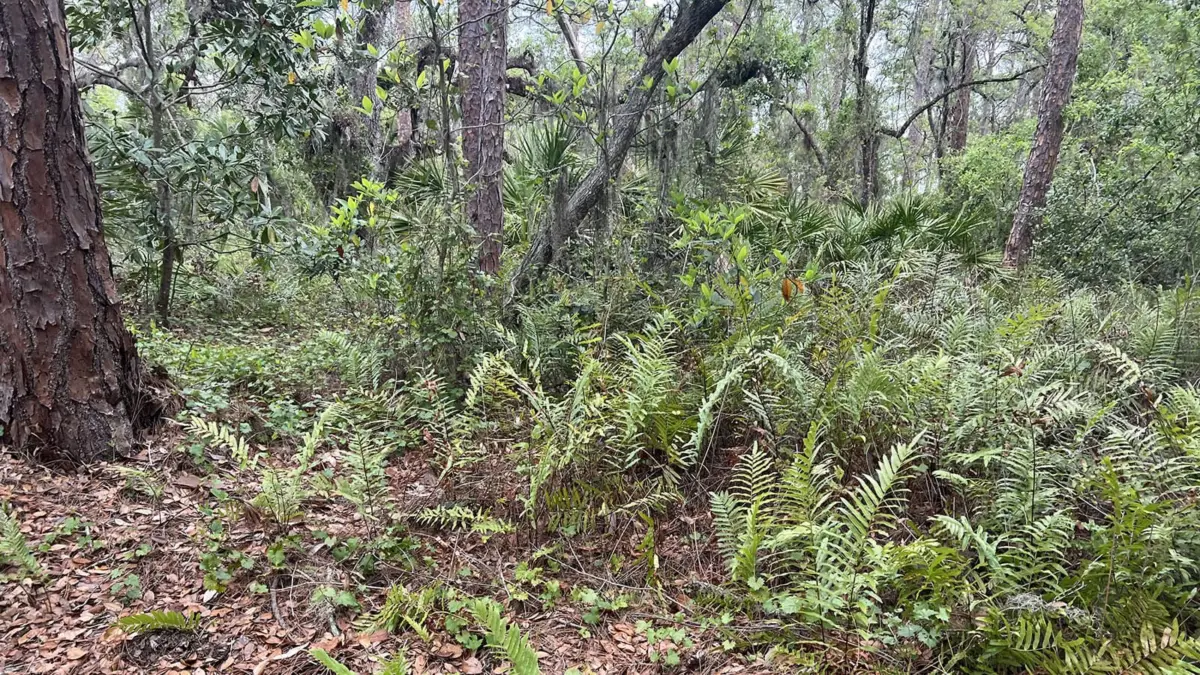
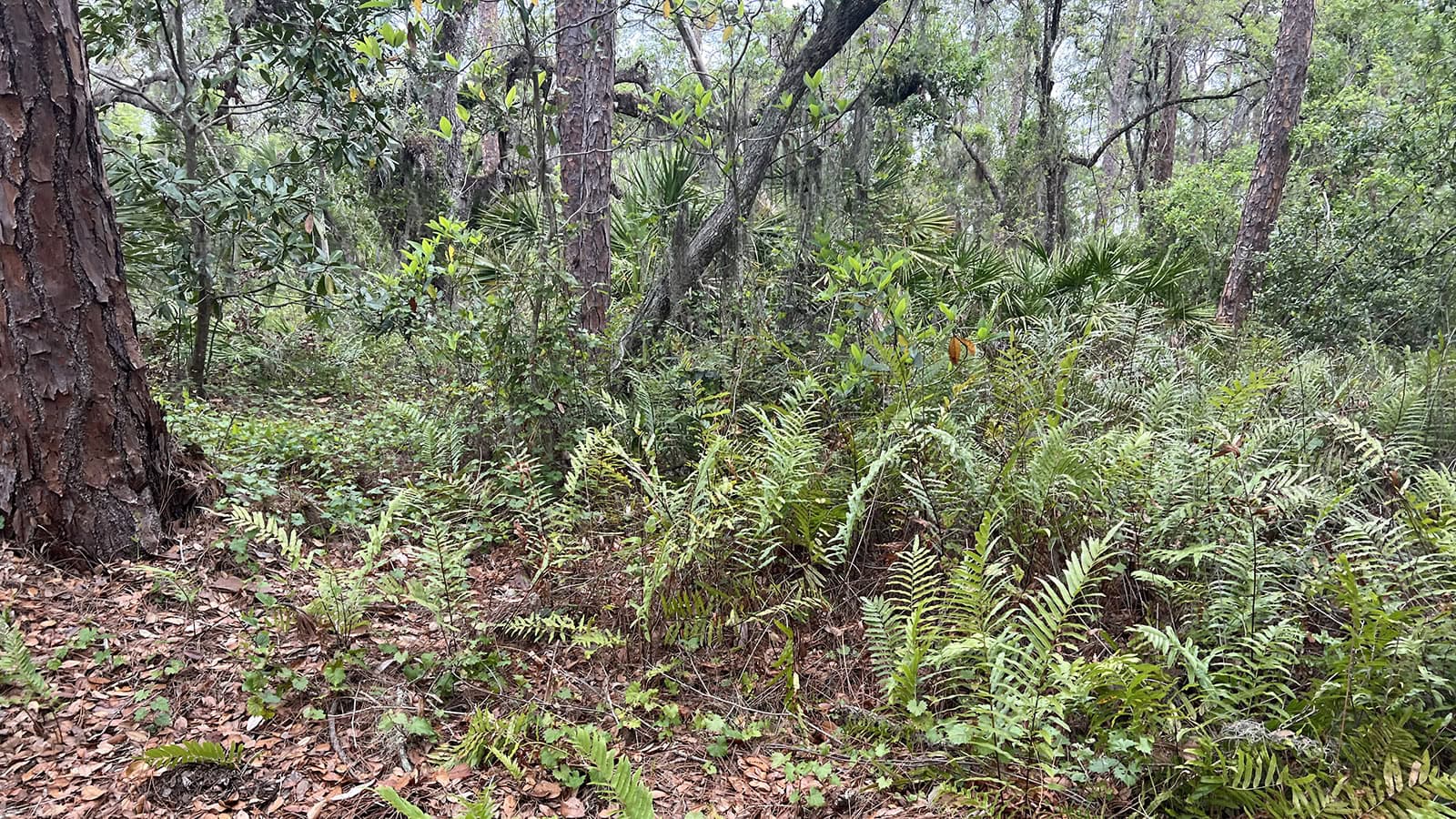
Beginning from the northern parking area, a short sidewalk seamlessly feeds into the asphalt path that cuts directly into a remnant of the pine flatwoods. Historically, these expansive flatwoods blanketed vast swathes of Southwest Florida. Taking a left turn initiates a clockwise trek along the loop, immediately introducing hikers to towering pines, clusters of ancient saw palmetto, and a rich, tangled understory.
Almost instantly, the urban din gives way to a chorus of birdsong and whispering leaves. Passing a convenient picnic shelter, the trail rises slightly, ushering in a lower sub-canopy of robust live oaks. Here, thick wild grapevines drape gracefully across the forest floor, creating a textured, multi-layered woodland floor.
Interactive Play and Amphitheater Discoveries
As the trail progresses, it integrates human curiosity with natural wonder through imaginative design. At the first nature-play station, a cluster of oversized decorative mushrooms rises behind an informative sign, engaging younger visitors with the physical landscape. Around the subsequent curve, another shaded picnic shelter invites restful contemplation.
Veering off the main path, a brick walkway leads toward an outdoor amphitheater. Overhead, arches of live oaks shade a thick undergrowth of lush marsh ferns that thrive in the moisture-retentive soil basins. Reaching a broad bridge, hikers encounter a trail junction that bridges the gap between the deep woods and family-friendly zones, including an adjacent playground, a restroom building, and another picnic pavilion.
Lakeside Vistas and the Southern Trailhead
Continuing straight ahead brings hikers to the park’s southern trailhead, where a yellow safety line guides visitors safely along the perimeter before re-engaging the paved interior pathway.
At approximately the 0.4-mile mark, a wooden spur trail branches off to the left, terminating at a sturdy observation deck that overlooks a tranquil, dark-water lake. This vantage point offers classic Florida wildlife viewing:
Basking turtles bobbing quietly along the surface
A heavily forested far shore creating a naturalistic border
Rippling reflections of the cloud-dappled sky
Adjacent to the observation deck, a short footpath leads down to a dedicated paddler’s dock and launch, offering non-motorized boaters access to the water.
The Return Journey and Watershed Education
Leaving the lake behind, visitors cross the park’s entrance road and plunge back into the dense embrace of the forest. The trail snakes between thick walls of saw palmetto and wild grapevines, punctuated by comfortable benches and interpretive kiosks.
A subsequent nature-play area focuses on local avian species, educating families on the birds that call the canopy home. As the path winds onward under interlocking oak branches, an important educational display comes into view. This interpretive sign illustrates the vast geography of the Manatee River watershed, which spans more than 350 square miles and sustains the region’s complex hydrological network.
Rounding the final stretch, the middle trail from the playground merges from the left near a butterfly-themed play station. A final arched bridge carries hikers over a fern-filled drainage basin before the trail weaves back through the pines, culminating at the primary sidewalk and parking area right at the 0.7-mile mark.
Supporting Context & Metrics: Park Infrastructure & Logistics
Understanding the logistics and geographical parameters of Conservatory Park ensures a smooth, well-prepared excursion for first-time visitors and seasoned outdoor enthusiasts alike.
Core Metrics at a Glance
Location: Bradenton / Sarasota border region (Manatee County)
Total Trail Length: 0.7 miles (paved, accessible loop)
Restroom Facilities: Modern facilities adjoining the central playground area
Land Manager: Manatee County Government
Administrative Contact: 941-742-5923
Comprehensive Driving Directions
Accessing Conservatory Park is straightforward for motorists traveling throughout the greater Sarasota-Bradenton region:
From Interstate 75, take Exit 213 toward Sarasota.
Head west on University Parkway for approximately 2.2 miles.
Turn right onto Whitfield Avenue (which also functions as County Line Road) and proceed north for 0.3 miles.
Turn left onto Timberlake Road and continue for 0.3 miles.
Turn left onto Desoto Woods Drive and follow it to its terminus at the park entrance.
Ecological Context and Regional Significance
Conservatory Park operates as an ecological island within a sea of urban and suburban development. In regions experiencing rapid population growth—such as Manatee and Sarasota counties—preserving remnant habitats like these flatwoods is critical for local biodiversity. The park supports a variety of native flora, including longleaf pines, live oaks, saw palmetto, marsh ferns, and wild grapevines. This native vegetation provides essential micro-habitats and migratory stopovers for local avifauna, small mammals, reptiles, and amphibians, reinforcing the ecological health of the broader coastal plain.
Official Statements & Community Impact
Local land management agencies and conservation advocates frequently emphasize the dual value of neighborhood conservation areas like Conservatory Park. According to representatives from Manatee County Parks and Natural Resources, urban parks play a fundamental role in bridging the gap between municipal development and environmental stewardship.
"Our objective with spaces like Conservatory Park is to ensure that as communities grow outward, residents never lose touch with the natural heritage of Florida," notes county park planning literature. "By embedding accessible infrastructure—such as paved paths, educational signage, and inclusive play features—within authentic native habitats, we foster a deep, community-wide appreciation for local conservation efforts without compromising the integrity of the ecosystem."
Local trail experts and outdoor authors, including prominent Florida hiking chroniclers, underscore the unique charm of the park. They note that while Florida boasts vast, sprawling wilderness preserves, pocket parks like Conservatory Park serve an equally vital purpose by offering micro-adventures that are easily accessible for quick morning walks, therapeutic strolls, or family outings that require zero wilderness navigation skills.
Future Outlook: Preservation and Community Engagement
As Manatee County continues to experience swift demographic expansion, the long-term outlook for Conservatory Park centers on sustained habitat preservation, infrastructure maintenance, and enhanced environmental education.
County planners are increasingly prioritizing the integration of "green infrastructure" within suburban master plans. Moving forward, parks like Conservatory Park are expected to serve as models for how municipal governments can successfully buffer urban heat islands, manage localized stormwater runoff through natural basins, and provide low-impact recreational opportunities.
Furthermore, community-driven programming—such as guided nature walks, watershed awareness campaigns, and youth-oriented conservation workshops hosted near the park’s amphitheater and nature-play spaces—will likely expand. These initiatives ensure that Conservatory Park remains far more than just a quiet place to walk; it will continue to act as an active, vital educational hub inspiring the next generation of Florida environmental stewards.






0 Comments