

Executive Overview
For decades, the Gulf of Chiriquí along Panama’s breathtaking Pacific coast has occupied a mythical status among elite big-game anglers. Renowned for its nutrient-rich waters, dramatic undersea topographies, and staggering concentrations of pelagic and inshore species, this marine ecosystem offers what many seasoned captains consider some of the finest fishing left on the planet. From chasing elusive black marlin around hidden underwater mesas to casting topwater poppers along rugged, isolated shorelines, a single day on the water here can yield blue marlin, yellowfin tuna, roosterfish, and giant cubera snapper—often without running more than a few dozen miles from a dock.
Yet, despite its world-class reputation and unmatched productivity, the region has long suffered from a glaring infrastructure deficit. While the fish have always been abundant, anglers and yacht owners have lacked a true, master-planned home port built explicitly around the demands of high-end sportfishing and long-range cruising. Until now, accessing these legendary grounds meant sacrificing the comforts, security, and convenience of a premier private-slip marina community.
Enter Trophy Bay.
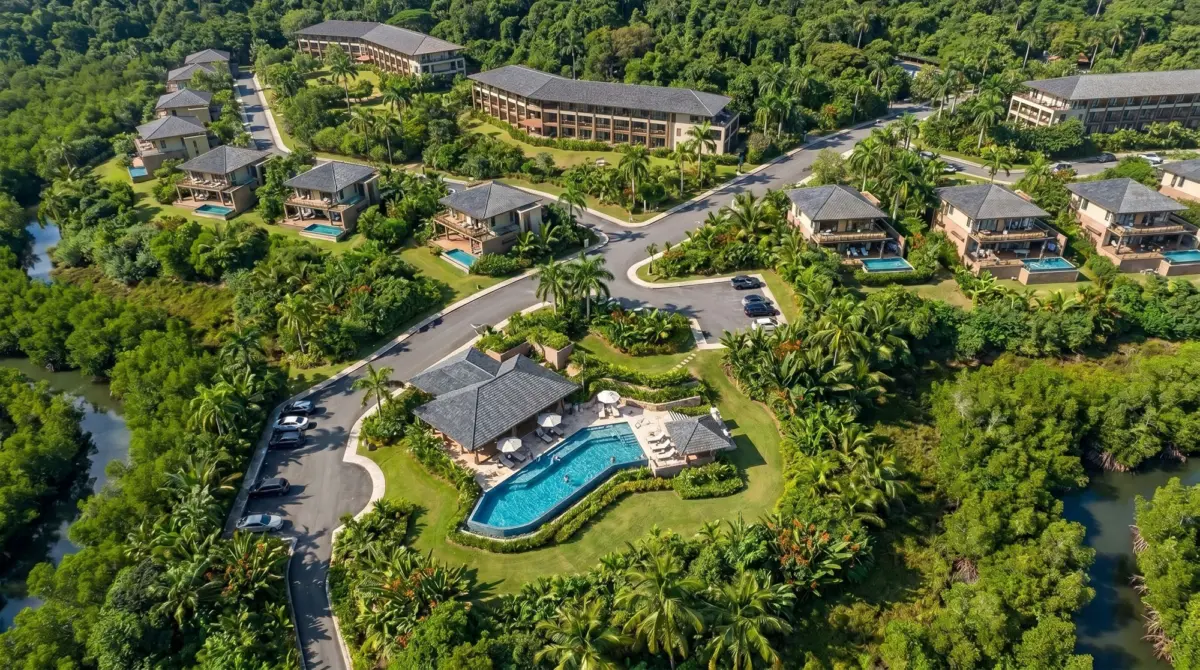
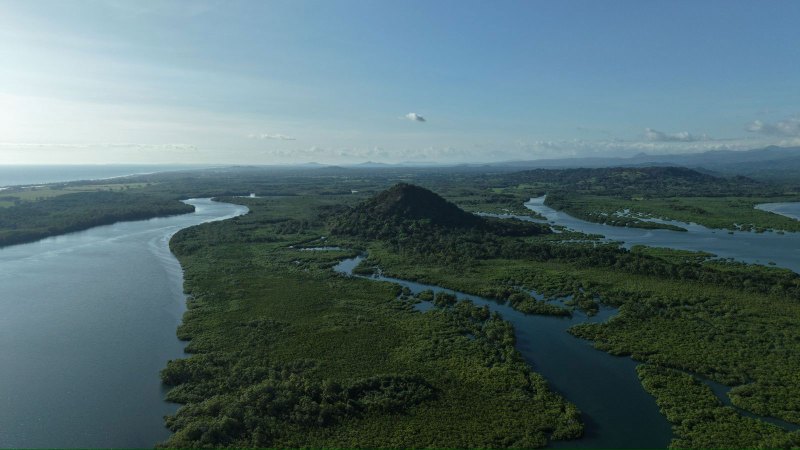
Developed collaboratively by Grupo Valor and Grupo MaxPro, Trophy Bay is positioned to redefine luxury maritime living and sportfishing logistics in Central America. Situated on a naturally protected estuary within Panama’s lush Chiriquí province, this ambitious project represents the first private-ownership marina community on the Gulf of Chiriquí. Spanning titled oceanfront land that gracefully ascends from sea level to approximately 1,500 feet, Trophy Bay marries high-end real estate with heavy-duty marine infrastructure.
With approximately 60 private slips designed for vessels ranging from 45 to 160 feet, comprehensive marine services, upscale waterfront dining, and a limited release of exclusive "Founders Slips," Trophy Bay is poised to bridge the gap between untamed wilderness and refined luxury. Scheduled to break ground in mid-2027, the development arrives at a pivotal moment for Eastern Pacific cruising, offering a secure harbor outside the hurricane belt and a vital link along the burgeoning maritime corridor between the Panama Canal and Costa Rica.
Detailed Chronology & Project Evolution
The genesis of Trophy Bay is rooted in a growing demand among international yacht owners and sportfishing enthusiasts for premier infrastructure in the Eastern Pacific. While countries like Costa Rica successfully developed sophisticated marina hubs—such as Golfito, Marina Pez Vela in Quepos, and Los Sueños Resort & Marina—Panama’s Pacific coast remained largely raw and underdeveloped outside of the immediate Panama Canal zone.
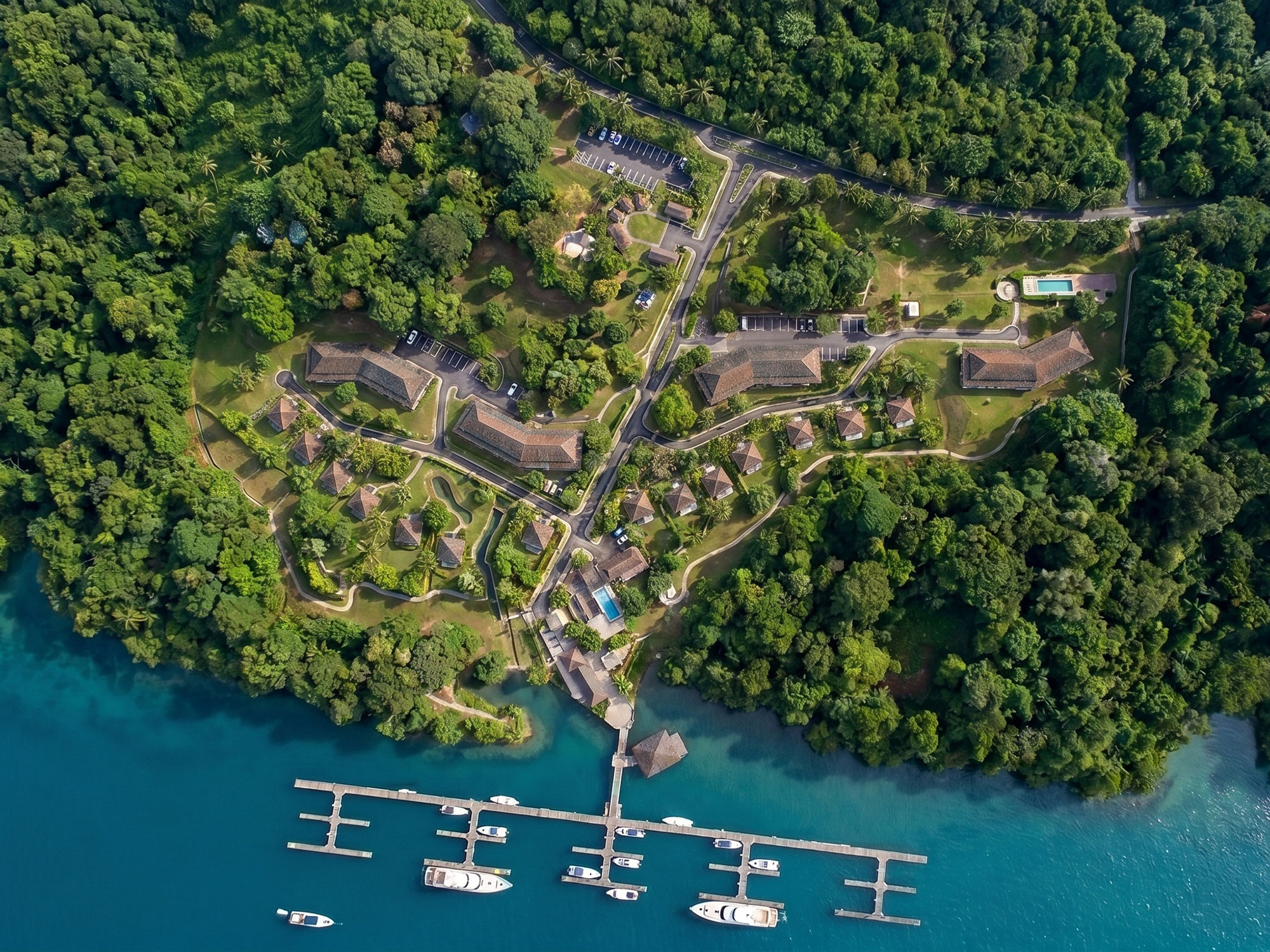
Recognizing this imbalance, the development teams behind Grupo Valor and Grupo MaxPro spent years evaluating potential sites along Panama’s western Pacific coastline. They sought a location that offered three critical elements: immediate proximity to world-class deep-water fisheries, natural geographical protection from severe wave action and weather, and convenient land-based access for international travelers.
The selected site on a protected Chiriquí estuary checked every box. Unlike open-roadstead anchorages or exposed coastal docks, Trophy Bay’s engineering master plan centers around a deep-water marina basin engineered to experience virtually zero wave action. For yacht owners, calm water at the dock translates directly into reduced wear and tear on hulls and running gear, significantly lower long-term maintenance costs, and a vastly superior liveaboard experience—allowing crews to keep gear fully rigged and tournament-ready between offshore excursions.
Phased Development and Master Plan
The master plan for Trophy Bay is unfolding in strategic phases to ensure meticulous execution and infrastructure readiness:
- Phase One Launch: The initial phase introduces the core marina basin alongside a vibrant marina village. This phase features 75 Marina Residences and Garden Villas, waterfront dining establishments, and comprehensive marine service facilities.
- Slip Capacity and Specifications: The marina is engineered to accommodate approximately 60 vessels ranging from 45 to 160 feet. Phase One will immediately deliver slips capable of hosting yachts up to 120 feet, with structural expansion plans in place to accommodate mega-yachts up to 160 feet.
- The Founders Slips Release: To mark the project’s formal introduction to the market, developers have initiated a highly limited first release of four exclusive "Founders Slips." Positioned closest to the main access point and designed for vessels up to 65 feet, these prized berths are currently offered at $225,000, presenting early investors with a rare ground-floor opportunity.
- Construction Timeline: Heavy civil works and formal construction are slated to commence in mid-2027. Real estate and slip acquisitions are structured around a transparent, milestone-based payment schedule, providing buyers with security throughout the development lifecycle.
Supporting Context & Metrics: The Fishery and Geography
To truly understand the value proposition of Trophy Bay, one must examine the astonishing marine ecosystem that surrounds it. The Gulf of Chiriquí is not merely a pleasant place to drop a line; it is a global epicenter of pelagic biodiversity.
The Offshore Grounds
At the heart of the region’s offshore allure is the legendary Hannibal Bank. First charted by the USS Hannibal in 1908, this colossal undersea seamount rises from ocean depths of thousands of feet to within 120 feet of the surface. The resulting nutrient-rich upwellings create a permanent feeding station that attracts massive concentrations of blue marlin, black marlin, sailfish, and yellowfin tuna year-round.
Just beyond lies Isla Montuosa, the most remote island off Panama’s Pacific coast. Its steep undersea pinnacles and dramatic drop-offs are magnets for trophy-class black and blue marlin, heavyweight yellowfin, and lightning-fast dorado. Documented yellowfin frenzies in this exact sub-region—such as those highlighted in fisheries reports throughout 2025—frequently present density levels that would be considered once-in-a-lifetime events anywhere else in the world.
The Inshore Sanctuary
For anglers who prefer light-tackle and inshore action, the waters surrounding Coiba National Park—a UNESCO World Heritage Site—along with Ranchería, Islas Secas, and the rugged Islas Ladrones archipelago, offer peerless sport. These protected marine environments teem with aggressive roosterfish, heavyweight cubera snapper, amberjack, and hard-fighting grouper.
Crucially, all of these premier fishing grounds lie well within a comfortable day’s range from Trophy Bay, with many locations close enough for a rapid morning run.
Strategic Location and Accessibility
Logistics can make or break a luxury coastal destination. Trophy Bay benefits immensely from a strategic geographical footprint:
- Air and Ground Transit: The property sits approximately 90 minutes south of the Costa Rica border and roughly one hour from the international airport in David via a newly completed, modern four-lane highway. This drastically reduces transit times compared to the multi-leg travel days traditionally required to access remote Panamanian fishing lodges. For travelers coming from Panama City, the drive is approximately four hours.
- Hurricane-Free Security: Crucially, the Gulf of Chiriquí lies safely outside the Atlantic hurricane belt. Yacht owners weary of navigating named tropical storms, escalating insurance premiums, and emergency haul-outs will find immense peace of mind anchoring their vessels in Chiriquí’s benign seasonal climate.
- The Eastern Pacific Corridor: Trophy Bay is strategically situated along the established cruising corridor connecting the Panama Canal to Costa Rica’s mature marina network. This positions the development not as a dead-end outpost, but as an essential, high-utility stopover on a plausible cruising circuit that includes Golfito, Marina Pez Vela in Quepos, and Los Sueños Resort & Marina.
Official Statements & Industry Perspectives
The launch of Trophy Bay addresses a long-standing grievance among international skippers and marine investors: the scarcity of institutional-grade private slip ownership in Western Panama.
Industry analysts note that private marinas combining residential real estate with deep-water berths enjoy a dual-revenue utility model that heavily insulates them against market volatility. By capturing both transient sportfishing traffic and long-term destination ownership, Trophy Bay establishes a robust economic foundation.
"For generations, anglers have recognized that the waters off Panama’s Pacific coast hold some of the most dynamic big-game fishing on earth," notes regional marine development observers. "The missing piece of the puzzle has never been the quality of the fishery or the willingness of anglers to travel; it has been the complete absence of a serious ownership community with world-class shore-side infrastructure. Trophy Bay is engineered specifically to resolve that deficit."
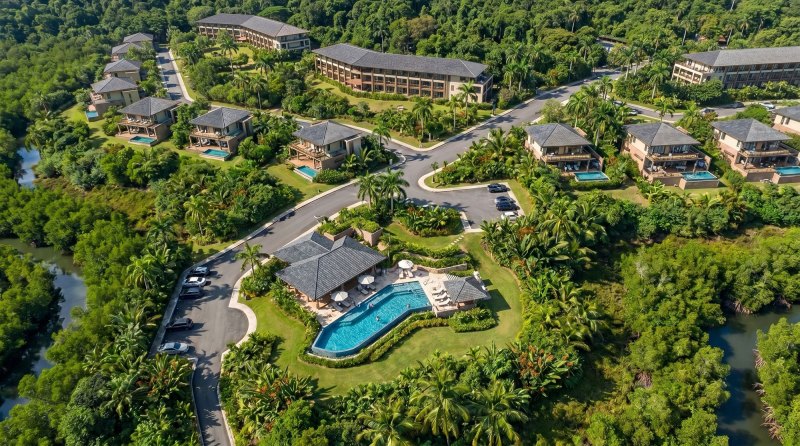
Furthermore, representatives from Grupo Valor and Grupo MaxPro emphasize that the development has been meticulously planned to harmonize with the delicate ecological balance of the Chiriquí province. By integrating sustainable civil engineering practices with high-end residential architecture, the project aims to set a new benchmark for coastal development in Central America—proving that environmental stewardship and luxury maritime amenities can coexist seamlessly.
Future Outlook: A New Era for Panamanian Sportfishing
As global yachting trends shift increasingly toward remote, high-adventure destinations that still offer modern comforts, developments like Trophy Bay are perfectly timed to capture the zeitgeist of modern marine exploration.
The convergence of several key factors—the completion of modern highway infrastructure linking David to the coast, the growing popularity of the Central American cruising corridor, and an insatiable global demand for unpressured big-game fisheries—suggests that Trophy Bay will quickly transition from an ambitious blueprint to the premier maritime address in the Eastern Pacific.
With construction officially slated to begin in mid-2027, the window for securing early-phase real estate and premier slip allocations—such as the highly sought-after Founders Slips—is finite. While the infrastructure takes shape on the drawing boards and engineering desks, the pelagic giants of the Gulf of Chiriquí remain undisturbed, cruising the depths of Hannibal Bank and the pinnacles of Isla Montuosa. For the discerning yacht owner and sportfishing enthusiast, the long-awaited home port for the world’s most productive fishery is finally becoming a reality.
Trip Planner & Quick Facts
- Location: Gulf of Chiriquí, Chiriquí Province, Panama. Approximately 90 minutes south of the Costa Rica border, roughly one hour from David’s international airport via a modern four-lane highway, and approximately four hours by car from Panama City.
- Marina Infrastructure: Approximately 60 slips engineered to accommodate vessels from 45 to 160 feet, situated within a protected, near-zero-wave-action basin. Phase One accommodates yachts up to 120 feet, with future expansion for 160-foot vessels. A limited release of four Founders Slips (for vessels up to 65 feet) is currently available at $225,000.
- Target Species:
- Offshore: Blue and black marlin, sailfish, and yellowfin tuna around Hannibal Bank and Isla Montuosa.
- Inshore: Roosterfish, cubera snapper, amberjack, and grouper around Coiba National Park, Ranchería, Islas Secas, and the Islas Ladrones archipelago.
- Seasons:
- Dry Season (December – April): Features the strongest billfish and wahoo action, alongside stable weather.
- Green Season (May – November): Favors trophy-class yellowfin tuna frenzies and highly consistent inshore fishing.
- Timeline: Heavy civil construction is anticipated to commence in mid-2027. Real estate and slip purchases are structured around a secure, milestone-based payment schedule.
- Official Website: Learn more and review master plan details at trophybay.com.

0 Comments