

Executive Overview
For decades, the Gulf of Chiriquí has held a near-mythic status among the world’s elite big-game anglers. Stretching along Panama’s verdant Pacific coast, this remarkably productive ecosystem has long delivered on the promise of heart-pounding encounters with black marlin, massive yellowfin tuna, aggressive roosterfish, and heavy-pulling cubera snapper. Yet, despite its legendary status as a premier sportfishing frontier, the region has historically lacked a singular, master-planned home port capable of matching world-class maritime ambitions with high-end residential infrastructure.
That narrative is officially changing.
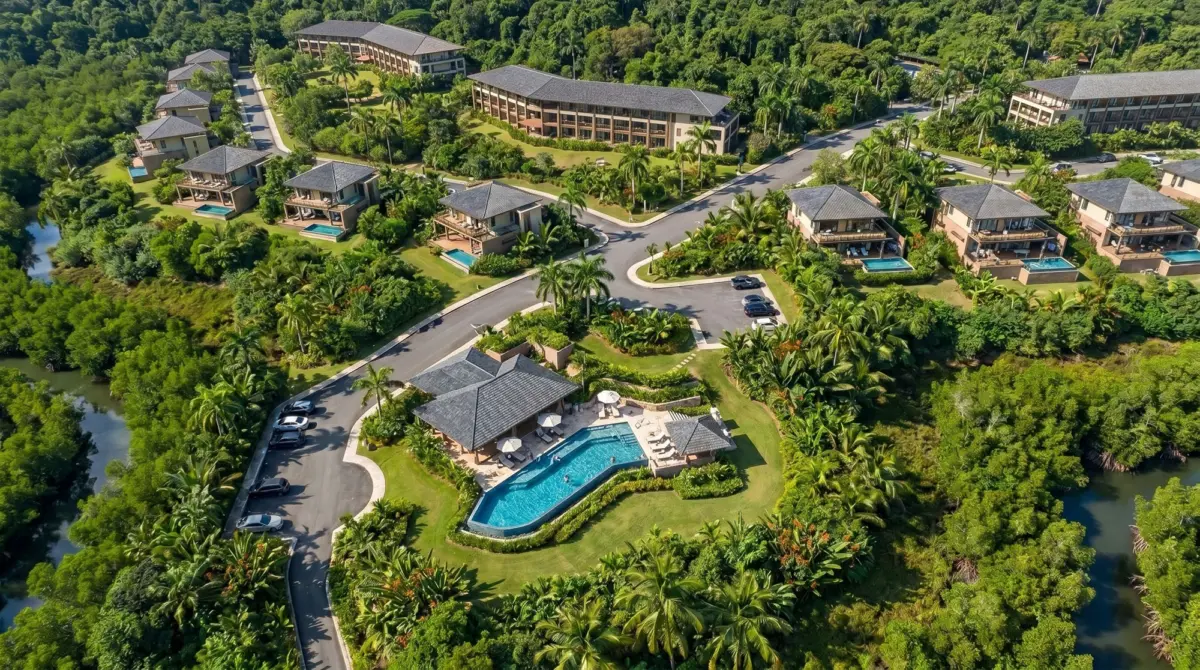
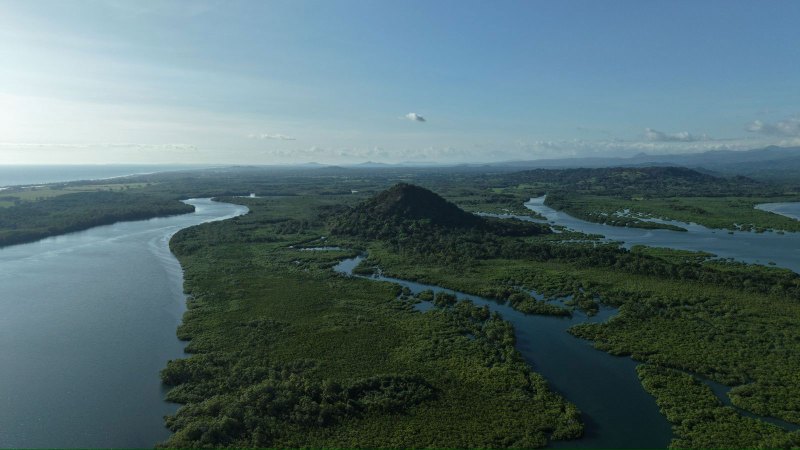
Developed as a strategic joint venture between Grupo Valor and Grupo MaxPro, Trophy Bay represents a paradigm shift for Central American boating and real estate. Positioned along a heavily protected estuary in Panama’s western Chiriquí province, this pioneering project is designed to be the Gulf of Chiriquí’s first true private-ownership marina community. Spanning titled oceanfront acreage that cascades gracefully from sea level to an elevation of approximately 1,500 feet, Trophy Bay marries pristine top-tier real estate with deep-water marina infrastructure.
By anchoring its master plan in a zero-wave-action basin, the development directly solves the persistent operational challenges that have historically plagued Pacific-facing vessels. Designed to accommodate yachts ranging from 45 to 160 feet, Trophy Bay provides a secure, fully serviced sanctuary just hours from legendary offshore grounds like Hannibal Bank and Isla Montuosa. With construction slated to break ground in mid-2027, the project is rapidly capturing the attention of international investors, sportfishing syndicates, and blue-water cruisers looking to establish a permanent foothold in one of the planet’s most robust marine habitats.
Detailed Chronology & Project Evolution
The conceptualization and realization of Trophy Bay did not happen in a vacuum; it is the culmination of years of strategic regional analysis, infrastructure expansion, and surging demand for secure Pacific Basin dockage.
Laying the Groundwork
The genesis of Trophy Bay stems from a recognized infrastructure bottleneck in the Eastern Pacific. While the waters off Panama’s Pacific coastline boast some of the densest marine life concentrations globally, visiting and resident boaters have traditionally had to rely on makeshift anchorages, remote lodges with limited deep-water slip capacity, or lengthy relocations to more mature marina hubs in neighboring Costa Rica.
Grupo Valor and Grupo MaxPro recognized that the missing link in the region wasn’t the fish—it was the infrastructure. The developers acquired a prime parcel of titled oceanfront land characterized by a naturally sheltered estuary. Unlike exposed coastal strips susceptible to heavy ocean swells, this natural geography offered the rare combination of deep draft water and a protected basin capable of shielding high-value vessels from punishing wave action.
Planning Phases and Master Community Design
The architectural and engineering blueprints for Trophy Bay reveal a meticulously structured, multi-phase rollout aimed at blending luxury residential living with heavy-duty commercial marine operations:
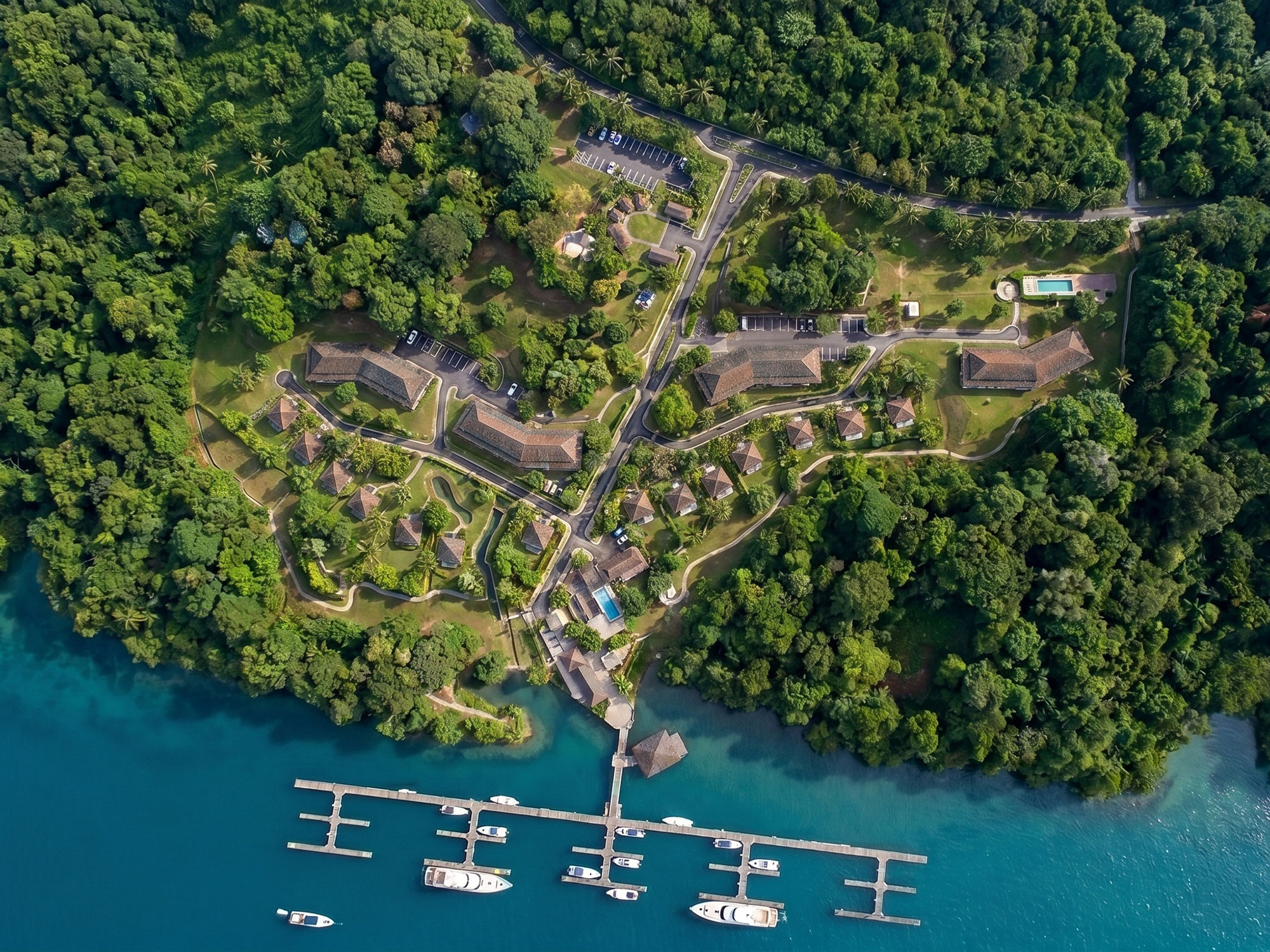
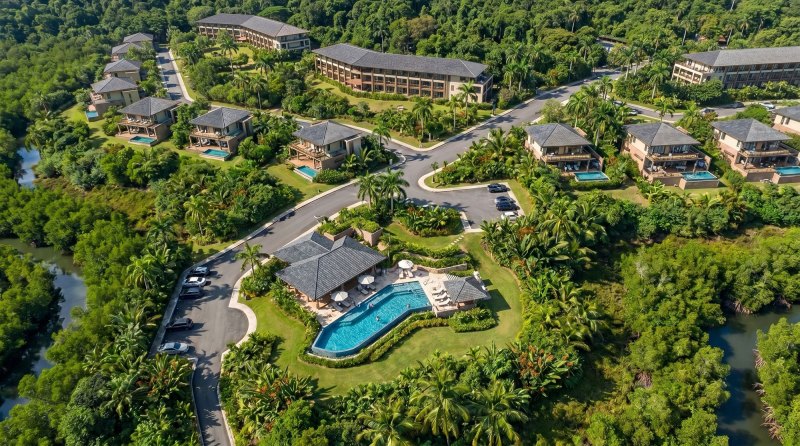
- Phase One Rollout: The initial development phase introduces the foundational Marina Village, featuring 75 carefully integrated Marina Residences and Garden Villas. This phase is anchored by waterfront dining establishments, comprehensive marine service facilities, and the first wave of deep-water private slips engineered to comfortably berth vessels up to 120 feet.
- Founders Slips Release: To gauge initial market appetite and reward early adopters, the development team launched an exclusive, highly limited release of four "Founders Slips." Positioned closest to the primary dock access point and optimized for vessels up to 65 feet, these initial slips were competitively priced at $225,000, setting a benchmark for private slip equity in the region.
- Long-Term Expansion: Master plans account for future capital expenditures that will expand overall marina capacity to approximately 60 total slips, scaling up maximum vessel accommodation to an impressive 160 feet to capture the growing mega-yacht demographic transiting the Eastern Pacific corridor.
Milestone-Based Timeline to 2027
With the pre-development and engineering phases well underway, Trophy Bay operates on a structured, milestone-based timeline. Real estate acquisitions and slip allocations are currently tethered to a structured payment schedule designed to align with major construction milestones. Official heavy construction on the marine basin and the primary village infrastructure is scheduled to break ground in mid-2027, placing early investors in an advantageous position to secure premiere placement before the physical docks hit the water.
Supporting Context & Geographic Metrics
To truly understand the value proposition of Trophy Bay, one must examine the extraordinary marine geography that surrounds it. The project is not merely a real estate venture with a dock attached; it is a strategic basecamp situated at the epicentre of a world-class marine highway.
Legendary Offshore Grounds
Trophy Bay sits within comfortable striking distance of several of the most revered bathymetric anomalies in the Western Hemisphere:
- Hannibal Bank: Originally charted by the USS Hannibal in 1908, this legendary undersea seamount rises dramatically from abyssal depths to within 120 feet of the surface. The constant upwelling of nutrient-rich currents creates a perpetual food web that attracts year-round populations of blue marlin, black marlin, sailfish, and colossal yellowfin tuna. Recent fishery data underscores the frequency of explosive yellowfin frenzies in these waters—events so dense they would be considered once-in-a-lifetime occurrences in almost any other ocean.
- Isla Montuosa: Located further offshore as the most remote island on Panama’s Pacific seaboard, Montuosa features steep underwater pinnacles and drop-offs that act as natural magnets for trophy-class pelagics, including both black and blue marlin, large yellowfin, and energetic dorado.
- Coiba National Park and Surrounding Archipelagos: A designated UNESCO World Heritage Site, Coiba—alongside Ranchería, Islas Secas, and the rugged Islas Ladrones archipelago—provides some of the finest inshore and reef fishing in Central America. Anglers working these structural zones routinely target stubborn roosterfish, heavyweight cubera snapper, amberjack, and aggressive grouper.
Strategic Location and Accessibility
Logistics can often make or break the viability of a remote sporting destination. Trophy Bay benefits immensely from recent infrastructural upgrades in western Panama:
- Air Travel Connectivity: The development is located approximately one hour from the international airport in David via a newly modernized, four-lane highway, drastically cutting down transit times compared to legacy journeys that required arduous multi-leg ground transfers from Panama City.
- Proximity to Borders: The property sits roughly 90 minutes south of the Costa Rica border, establishing it as a seamless stopover for international travelers moving down the Central American corridor.
- The Hurricane Belt Advantage: Unlike the Caribbean and western Atlantic basins, the Gulf of Chiriquí sits comfortably outside the traditional hurricane belt. For yacht owners and marine insurers, this geographical reality translates into dramatically lower risk profiles, reduced insurance premiums, and complete peace of mind during storm seasons.
The Inter-American Cruising Corridor
Trophy Bay is strategically positioned along the burgeoning cruising corridor connecting the Panama Canal to Costa Rica’s established marina network—including prominent destinations like Golfito, Marina Pez Vela in Quepos, and Los Sueños Resort & Marina. By anchoring this route, Trophy Bay transforms from a localized fishing outpost into a vital link on an international cruising circuit, securing dual revenue streams from both permanent slip owners and transient superyacht traffic.
Official Perspectives & Market Dynamics
The launch of Trophy Bay addresses a long-standing void in the luxury maritime sector of Central America. For years, affluent boaters faced a frustrating dichotomy: while Panama offered peerless, crowd-free big-game fishing, it lacked the turnkey infrastructure, private-slip ownership models, and lifestyle amenities found in competing destinations like Florida, the Caribbean, or Costa Rica.
Industry analysts note that private-slip ownership has historically served as a stabilizing asset class in premier boating communities. By offering titled or long-term secure equity in the slips themselves, developers like Grupo Valor and Grupo MaxPro are tapping into a sophisticated buyer demographic that views marina berths not merely as parking spaces for boats, but as appreciating hard assets.
Furthermore, the design emphasis on a zero-wave-action basin speaks directly to seasoned captains and boat owners. Wave action inside a marina accelerates wear and tear on hull-to-dock lines, chafes fenders, strains electronics, and makes routine maintenance virtually impossible while afloat. By engineering a deeply protected marine basin, Trophy Bay ensures that vessels remain stable, safe, and ready to deploy at a moment’s notice—eliminating the hidden costs of dockside fatigue.
Future Outlook
As the global appetite for authentic, less-traveled maritime destinations continues to accelerate, the intersection of luxury real estate and heavy-duty sportfishing infrastructure represents the next frontier in coastal development.
Trophy Bay is poised to redefine the standard for the Eastern Pacific. By marrying the raw, unmatched biological productivity of the Gulf of Chiriquí—from the volcanic pinnacles of Hannibal Bank to the shallow reefs of the Islas Ladrones—with first-world residential and marina engineering, the project fills the final missing piece of the Panamanian angling puzzle.
With heavy construction kicking off in mid-2027, the window for ground-floor opportunities, early-phase slip allocations, and charter-ready positioning is narrowing. For the serious mariner, the message is clear: the fish have always been waiting in the Gulf of Chiriquí. Now, finally, they have a home port worthy of the catch.
Trip Planner & Project Quick Facts
- Location: Gulf of Chiriquí, Chiriquí Province, Panama. Approximately 90 minutes south of the Costa Rica border; roughly one hour from David’s international airport via a modern four-lane highway; approximately four hours from Panama City.
- Marina Specifications: Designed for approximately 60 slips accommodating vessels from 45 to 160 feet within a naturally protected, zero-wave-action basin. Phase One features slips for yachts up to 120 feet (scaling to 160 feet in future phases). A limited release of four Founders Slips (accommodating vessels up to 65 feet) is currently available at $225,000.
- Target Offshore Species: Blue marlin, black marlin, sailfish, and yellowfin tuna (centered around Hannibal Bank and Isla Montuosa).
- Target Inshore Species: Roosterfish, cubera snapper, amberjack, and grouper (concentrated around Coiba National Park, Ranchería, Islas Secas, and the Islas Ladrones).
- Seasonal Patterns:
- Dry Season (December – April): Peak billfish action, exceptional calm-water cruising, and stellar wahoo fishing.
- Green Season (May – November): Legendary yellowfin tuna frenzies and highly consistent inshore reef fishing.
- Development Timeline: Construction officially anticipated to begin in mid-2027, featuring a milestone-based payment structure for residential and slip acquisitions.
- Official Web Resource: Learn more at trophybay.com.

0 Comments