

Executive Overview
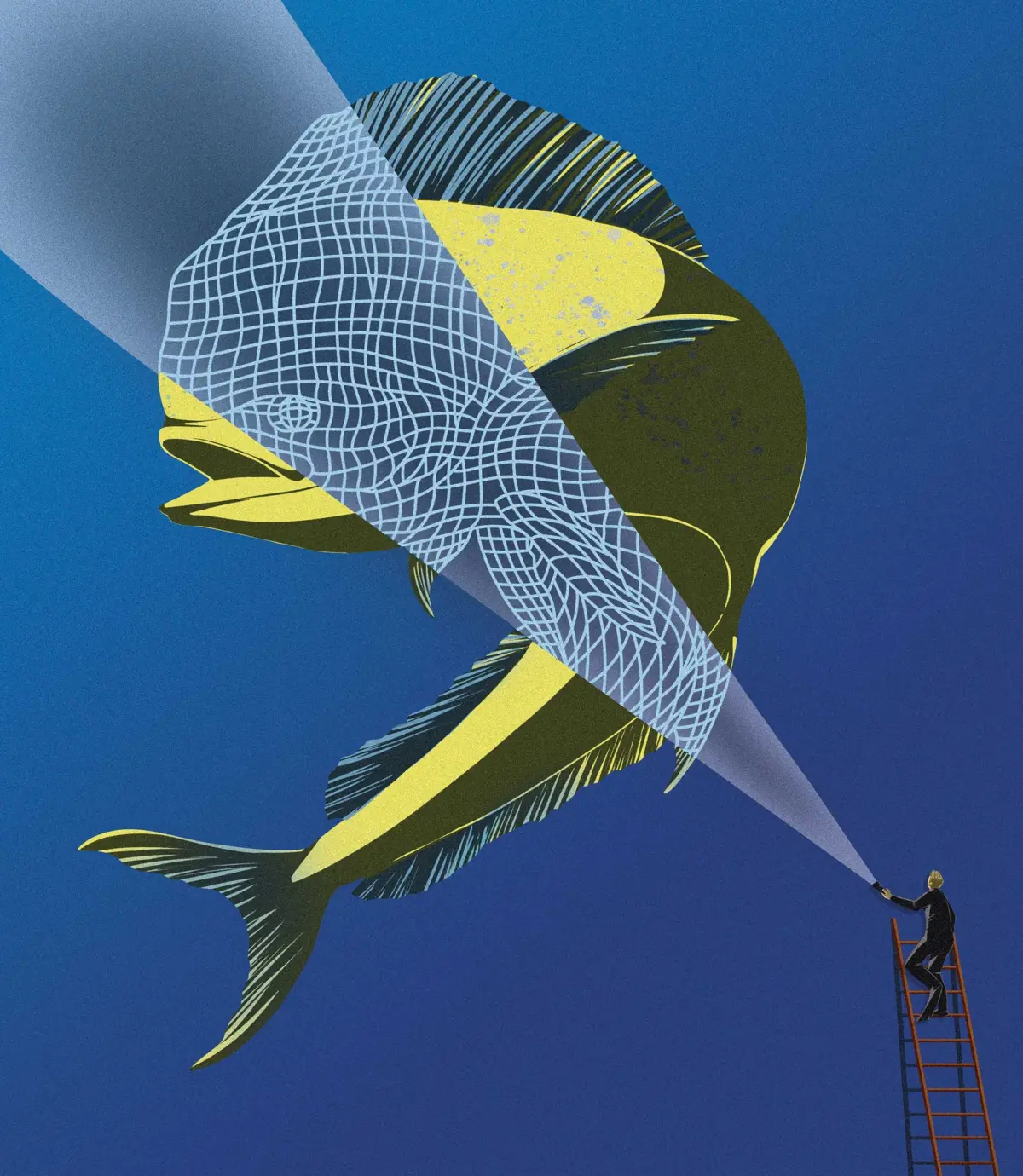
For a quarter of a century, the open ocean has held onto its secrets tightly, but few marine species have remained as shrouded in mystery as the dolphinfish—widely known to anglers and seafood lovers as mahi-mahi or dorado (Coryphaena hippurus). Hailed as the ultimate A-list game fish and a fixture on restaurant menus across the globe, the mahi is an aquatic marvel. It grows at astonishing speeds, exhibits striking iridescent colors, and is capable of covering massive distances across open pelagic waters in record time. Yet, despite its cultural and economic significance, scientists and fisheries managers have long lacked the foundational data needed to protect it from mounting ecological pressures.
That data gap began closing twenty-five years ago thanks to an audacious idea. When founder Don Hammond first proposed mobilizing recreational boaters, captains, and anglers to tag and release dolphinfish for scientific research, he was met with skepticism. Established marine biologists told him he was wasting his time, arguing that fishermen would never throw back a dolphin because they were simply too valuable and too delicious to eat.
Hammond, however, had faith in the sporting community. Today, what started in 2002 as a private venture under the South Carolina Department of Natural Resources has blossomed into one of the most successful citizen-science fishery initiatives in human history. The Dolphinfish Research Program (DRP) now celebrates its 25th anniversary, backed by a staggering milestone of more than 40,500 tags deployed.
As the program marks this silver jubilee, it stands at a critical crossroads. Under the stewardship of current director Dr. Wessley Merten, the DRP is expanding its geographical scope and species focus even as wild mahi populations face unprecedented overfishing. With regulatory bodies stalling on conservation actions, the massive trove of data amassed by the DRP over the last 25 years may be the single best weapon left to secure a sustainable future for one of the ocean’s most charismatic predators.
Detailed Chronology: From Skepticism to Global Conservation
To understand the magnitude of the Dolphinfish Research Program today, one must look back at its improbable beginnings and the milestones that defined its evolution over the past 25 years.
The Inception (2002)
At the turn of the millennium, scientific knowledge regarding dolphinfish movements, genetics, migration patterns, and true lifespan was remarkably sparse. Fisheries management treated the species as an inexhaustible resource. Recognizing the urgent need for empirical data, Don Hammond launched the initiative under the auspices of the South Carolina Department of Natural Resources. Armed with simple spaghetti tags and a radical premise—that recreational anglers could act as frontline researchers—the program took its first tentative steps.
Expanding Horizons and the Citizen-Science Engine
As word spread through docks, marinas, and sportfishing clubs, the program transformed into a massive collective effort. Hundreds of dedicated captains and anglers across the Western Central Atlantic joined the mission. The commitment from the fishing community exceeded all expectations; remarkably, a small handful of overachieving crews took up the mantle with such dedication that they alone have tagged more than 9,000 individual dolphin over the years.
As participation grew, so too did the geographic footprint of the DRP. What began as a localized project expanded rapidly into the Caribbean, the South Atlantic, the Mediterranean Sea, the Gulf of Oman, and the Eastern Tropical Pacific. Throughout this growth, high-profile marine conservationists stepped up to support the cause. Most notably, the Guy Harvey Foundation became one of the program’s largest sponsors and foundational supporters, cementing the partnership by providing one of Dr. Guy Harvey’s iconic mahi paintings to serve as the official DRP logo.
Leadership Transition (2017)
After fifteen years of steering the program through its foundational decades and unlocking unprecedented insights into pelagic behavior, Don Hammond retired in 2017, stepping down as director emeritus. Rather than losing momentum, the program seamlessly transitioned under the leadership of current director Dr. Wessley Merten. Dr. Merten brought a renewed focus on modernizing data collection, expanding international partnerships, and aligning the program’s scientific output with the pressing regulatory challenges facing modern fisheries.
Broadening the Scope: The Wahoo Initiative (2022)
Marking its two-decade milestone, the DRP looked beyond its flagship species to address another glaring blind spot in pelagic management. In 2022, the program officially expanded its framework to begin collecting data on wahoo. As Dr. Merten notes, wahoo represent another species of immense cultural and economic significance to recreational and commercial sectors alike, yet they chronically lack the data necessary for effective stock management and long-term sustainability. By leveraging the same citizen-science infrastructure that proved so successful for dolphinfish, the DRP aims to replicate its data-driven conservation model for other high-value pelagic predators.
Supporting Context & Metrics: What 25 Years of Tagging Revealed
The true legacy of the Dolphinfish Research Program lies in the monumental volume of life-history data it has extracted from the deep blue. For decades, management models were based on assumptions rather than facts. The DRP’s trove of data has shattered many of those old paradigms.
Unlocking Pelagic Mysteries
Before the DRP, little was known about how dolphinfish navigate their vast oceanic home. Through tens of thousands of tag-and-recapture events, researchers have mapped out extraordinary behavioral traits:
- Staggering Speeds: Among the most shocking discoveries made by the DRP was the sheer aquatic velocity of the species. Tag-and-recapture logs revealed that a dolphinfish can swim more than 150 miles in a straight line over a single 24-hour period.
- Migration Highways: Data has illuminated how seasonal temperature shifts drive pelagic migrations, showing how fish move between the Caribbean, the Gulf Stream, and temperate northern waters.
- Growth and Survival Rates: Recapture metrics have provided precise growth curves, shedding light on how rapidly juvenile fingerlings transform into apex pelagic hunters within a single year.
The Looming Threat of Overfishing
Despite these incredible biological adaptations, science is revealing that even a fish as prolific as the mahi-mahi has its limits. The species is currently suffering from rampant overfishing across large swaths of its range. The regulatory landscape paints a startling picture of administrative neglect. Out of 43 distinct jurisdictions in the Western Central Atlantic, only five—Mexico, the Bahamas, the continental United States, Puerto Rico, and the U.S. Virgin Islands—have bothered to establish any recreational or commercial regulations governing the harvest of dolphinfish.
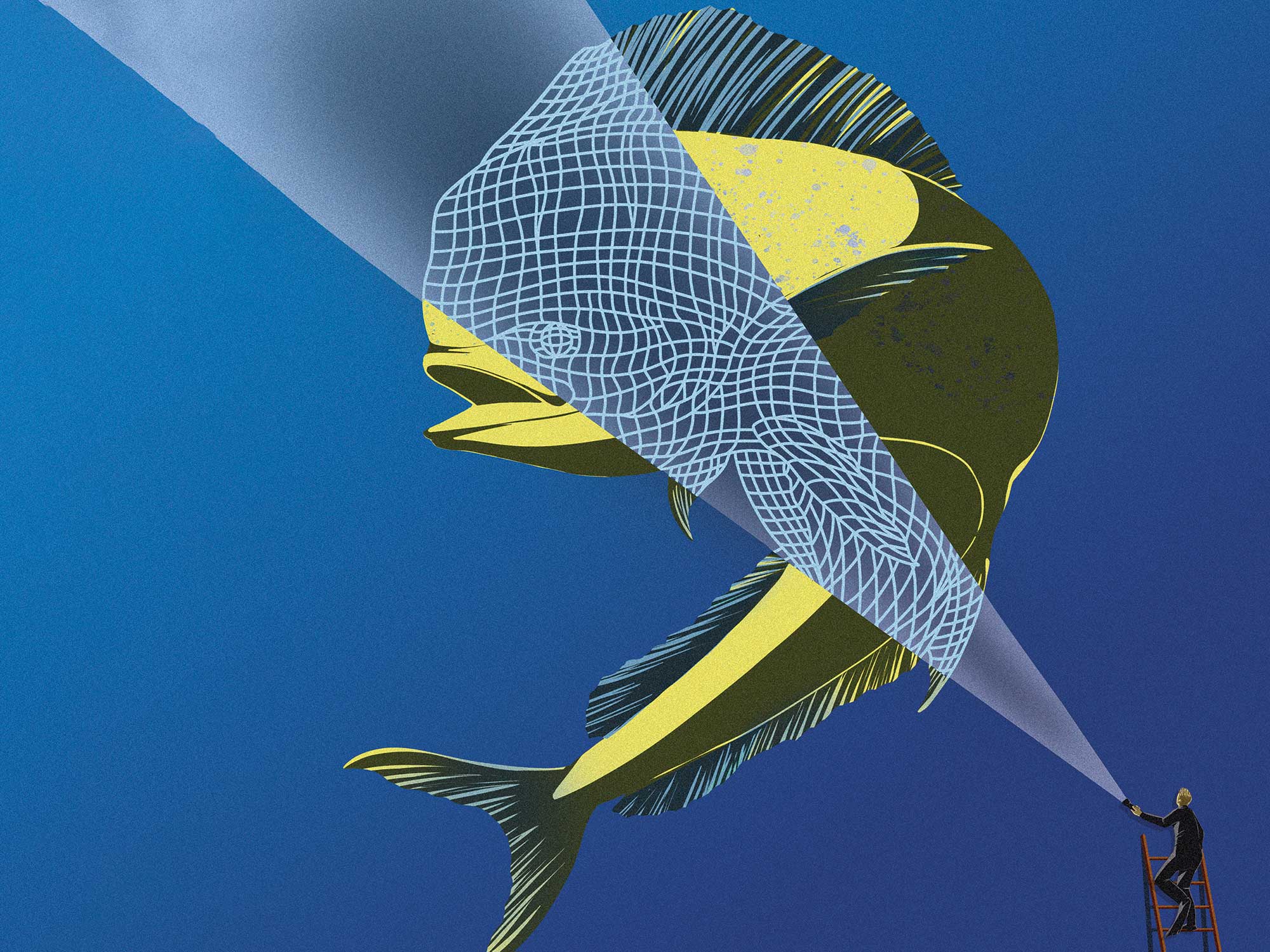
Renowned marine artist and conservationist Dr. Guy Harvey highlighted this paradoxical reality in an interview with Salt Water Sportsman. "The dolphin is an oceanic species that we thought could never be overfished," Harvey noted. "Well, here we are, and dolphin are overfished, not only by recreational anglers, but because of the nationwide demand for the mahi fillet or mahi sandwich."
The insatiable global appetite for fresh mahi, combined with a lack of international quotas, creates a race where fishing pressure consistently outpaces scientific monitoring. Whether the resilience of the species can withstand this commercial and recreational onslaught remains an open question, making the DRP’s ongoing data collection more critical than ever.
Official Statements & Perspectives
As the Dolphinfish Research Program reflects on its quarter-century milestone, the voices of its past and present leaders offer both a celebration of past achievements and a sobering warning about the future of pelagic fisheries management.
Reflecting on the early days of doubt and the rewarding relationships forged along the way, founder Don Hammond shared his thoughts in a commemorative letter to DRP supporters:
"Several biologists I worked with said I was wasting my time because fishermen would never throw back a dolphin. They were too good to eat. But I had faith in the sport fishermen… I am deeply grateful for all the wonderful fishermen I met through the study, and the never-before-known aspects about this popular game fish’s life history that were being revealed."
Looking toward the horizon, Dr. Wessley Merten has made it clear that the program’s primary objective is to solve persistent ecological mysteries that directly impact coastal communities. Dr. Merten is driving the DRP forward with a laser-focused goal: finding answers for what is causing the "long-standing and well-documented decline in the number and size of dolphin caught along the U.S. East Coast and parts of the Caribbean Sea."
Frustration, however, is reaching a boiling point within the scientific and angling communities due to the sluggish response of institutional management bodies. This friction was painfully underscored in June 2026, when the South Atlantic Fishery Management Council elected to abruptly halt work—after four years of development—on regulatory actions that would have finally strengthened dolphinfish conservation measures regionally.
In response to this bureaucratic stagnation, Dr. Merten issued an urgent call to action to anglers, conservationists, and stakeholders:
"In the short term, domestic and international management of dolphin is in a state of stagnation, despite the species’ economic and cultural importance and continual calls from anglers to improve management of the species. In the long term, your engagement in the DRP can help acquire basic fishery information that can be used to improve species management for generations to come."
Future Outlook: The Next Quarter Century of Pelagic Science
As the Dolphinfish Research Program enters its next 25 years, its mission has never been more vital or more challenging. The challenges facing pelagic ecosystems are shifting rapidly due to changing ocean temperatures, shifting current dynamics, and escalating commercial demand for wild-caught seafood.
To stay ahead of these pressures, the DRP is modernizing its approach. Beyond continuing its foundational tagging efforts for dolphinfish and expanding its wahoo initiative, the program is exploring advanced telemetry, genetic profiling, and environmental data integration. By combining grassroots angler participation with cutting-edge marine science, the DRP aims to build comprehensive predictive models that can guide regional and international fisheries management bodies—even when those bodies are slow to act on their own accord.
Yet, the core engine of the program will always remain the individual captain, the weekend angler, and the coastal charter crew who take the time to tag, record, and release their catches. In an era where top-down regulatory frameworks frequently stall under political and economic pressures, bottom-up citizen science has proven to be an unstoppable force for ecological preservation.
The story of the Dolphinfish Research Program is proof that ordinary fishers, equipped with scientific tools and guided by a passion for the sea, can alter our understanding of the natural world. As Dr. Merten and his team look toward the future, the message to the global angling community is clear: the data collected today will determine whether future generations will still be able to experience the breathtaking sight of a charging mahi-mahi in the blue water, or if we will look back at a depleted ocean that we failed to protect in time.

0 Comments