Every autumn, along the sun-bleached shores of the Atlantic Coast and the Gulf of Mexico, a natural spectacle unfolds that rivals the great terrestrial migrations of the Serengeti. Beginning quietly in September and cresting thunderously through November and beyond, millions upon millions of striped and silver mullet pour out of brackish rivers, sprawling bays, and sheltered estuaries. This mass exodus is more than a simple movement of marine life; it is an ecological catalyst that sets off a feeding frenzy of epic proportions.
For the dedicated saltwater angler, the fall mullet run represents the absolute pinnacle of inshore and nearshore fishing opportunities. Gamefish of every description—from oversized redfish and acrobatic tarpon to elusive linesiders and razor-toothed pelagics—converge on these migrating bait pods. Understanding the mechanics of this migration, the biology driving it, and the specialized tactics required to present a bait or lure amidst overwhelming natural abundance is the difference between a legendary day on the water and a frustrating shutout. This report offers an authoritative look at the anatomy of the mullet run, target species behaviors, and elite strategies for capitalizing on nature’s ultimate forage feast.
Detailed Chronology and Mechanics of the Run
To successfully target gamefish during the mullet run, an angler must first understand the rhythm of the migration itself. While terrestrial migrations are often mapped by temperature drops or calendar dates, the marine migration of the mullet is governed by an intricate mix of biological imperatives, shifting photoperiods, and environmental triggers.
Phase 1: The Gathering (Late August to Early September)
Long before the first cold front dips down the North American continent, mature mullet begin staging in the upper reaches of estuaries, tidal creeks, and river systems. These fish range dramatically in size, from tiny fingerlings measuring a mere couple of inches to hefty, robust "football" mullet tipping the scales at three pounds. During this preliminary phase, striped mullet (Mugil cephalus) and silver mullet (Mugil curema) mix within the warm, nutrient-rich backwaters, feeding heavily on detritus, algae, and micro-organisms, packing on the caloric density required for the arduous journey ahead.
Phase 2: The Egress and Coastal Compression (September to October)
As September takes hold, an invisible starting gun fires. Millions of mullet flood out of the inlets and river mouths, turning toward the open ocean. Marine biologists attribute this mass movement primarily to spawning imperatives: adult mullet seek a precise saline balance—the mixing zone where coastal saltwater meets freshwater plumes—to successfully release their eggs and milt.
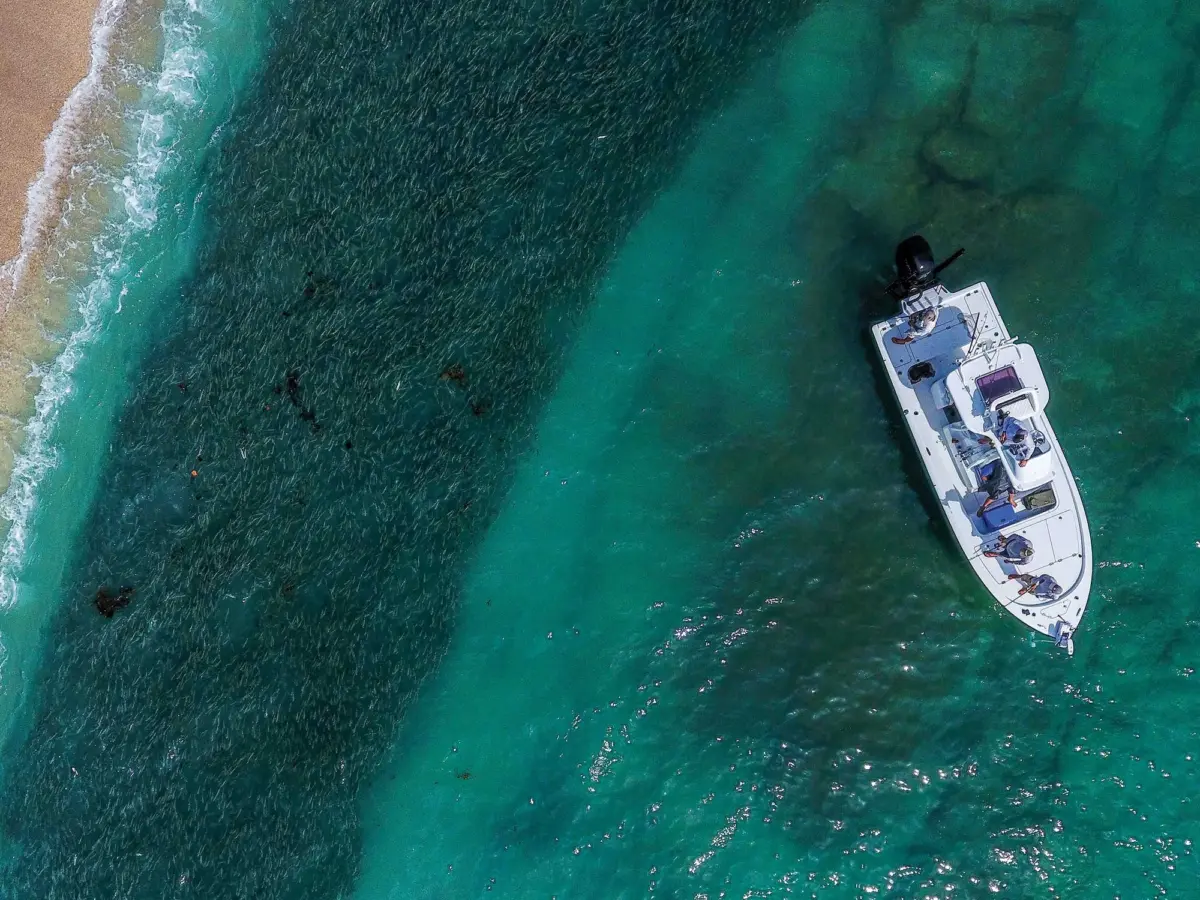
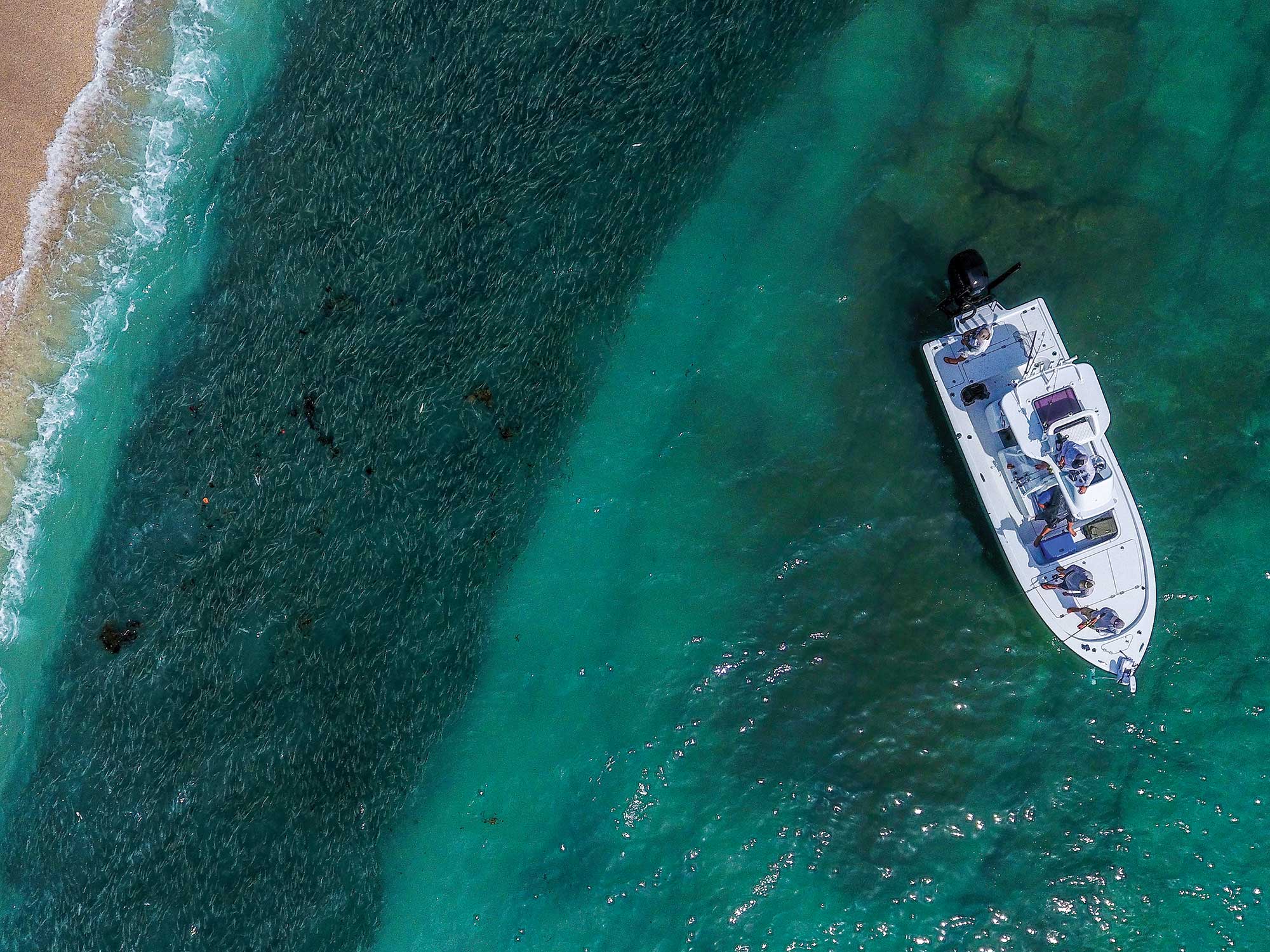
As these massive schools hit the open coast, they are immediately met by a gauntlet of marine predators waiting just outside the surf break. A subtle northeast wind during this period is an inshore angler’s best friend. The persistent offshore or cross-shore breezes tend to stack the bait pods tight against the sandy beaches and rocky jetties, compressing the schools into tight, panicked formations. This compression leaves the mullet acutely vulnerable, sparking surface blitzes that can stretch for miles along the shoreline.
Phase 3: The Southern Push and Spawning Events (November and Beyond)
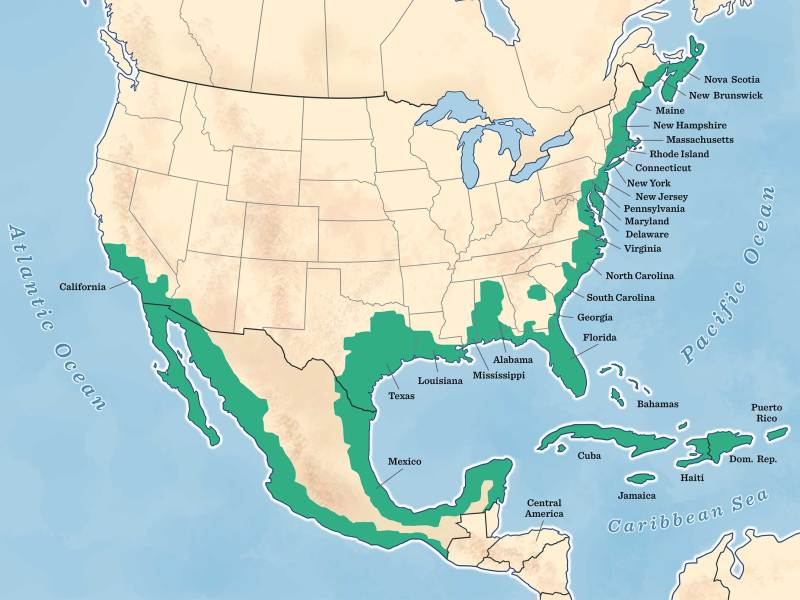
Throughout November, the bulk of the migration races southward along the Atlantic Seaboard, while Gulf of Mexico white mullet populations execute massive east-west coastal shifts—some documented traveling upwards of 100 miles. As the schools locate their desired spawning grounds, the dense pods begin to break apart, dispersing into deeper nearshore waters where the final reproductive acts take place, bringing a chaotic, high-stakes seasonal climax to a close.
Supporting Context & Metrics: Why the Run Matters
The sheer scale of the mullet run defies casual imagination. Documented telemetry and marine biology studies highlight several key metrics that define this annual event:
Biomass and Scale: Individual schools often span several acres, containing hundreds of thousands of individual fish moving in synchronized, shimmering blankets that can darken the shallow coastal waters.
Species Diversity: Two primary species dominate the run—the ubiquitous striped mullet, known for its deep-water stamina and larger adult size, and the silver mullet, favored by many tropical predators for its slender profile and frantic swimming action.
Predator Convergence: Over a dozen primary gamefish species actively target the run, creating a multi-tiered food web where coastal sharks, tarpon, and king mackerel operate as apex hunters, while secondary predators like bluefish, jack crevalle, and Spanish mackerel dart through the periphery.
Distance Traveled: While Gulf populations make lateral migrations exceeding 100 miles, Atlantic coastal stocks can traverse hundreds of miles of open surf from the Carolinas down through the Florida Keys.
Target Species Deep Dive: Where to Fish and How to Win
Raging Redfish in the Surf and Inlets
The arrival of the mullet run coincides perfectly with the autumn spawning run of mature redfish (Sciaenops ocellatus). Giant "bull" reds crowd lower river mouths, sounds, and inlets, looking to capitalize on the windfall of protein.
Behavioral Cues: Anglers seeking trophy reds should target the water at first light, scanning for the distinct brown-colored coloration of tightly packed bait schools moving through slick, calm water. Watch for mullet "nosing" at the surface, which usually indicates subsurface pressure from predatory fish below.
Regulatory Note: Many of the massive, mature redfish feeding heavily on beach-run mullet exceed state maximum size limits and must be safely released. Always consult current state fisheries regulations regarding bag and slot limits.
Sharks Hound the Margins
For anglers seeking brute strength, coastal sharks—ranging from manageable 50-pound blacktips and spinners to quarter-ton bull sharks—shadow the mullet schools relentlessly. While heavy-tackle enthusiasts deploy wire rigs and heavy-duty gear to wrestle these apex predators offshore, light-tackle anglers targeting surface feeds often find themselves inadvertently hooked up to energetic blacktips that offer blistering runs and spectacular aerial displays.
Snook in the Florida Sun
The snook fishing from Sebastian Inlet southward to Miami during the fall mullet run is legendary. Linesiders gorge themselves with reckless abandon, positioning themselves near bridge pilings, mangrove points, and inlet edges where tidal currents sweep the migrating bait.
"One important key for snook is to match the size bait to the size mullet in a school where linesiders are feeding," notes Capt. Phil O’Bannon, a renowned Charlotte Harbor guide with extensive experience on both Florida coasts. "If, for example, bait pods are holding mostly mullet in the 6-inch range, that’s the size bait to employ, preferably caught from the same schools snook are hitting."
Tarpon on a Tear
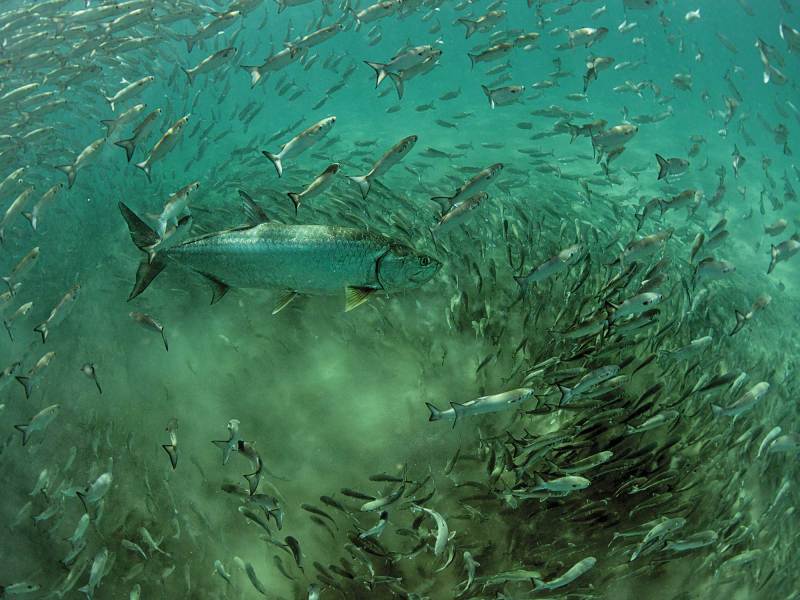
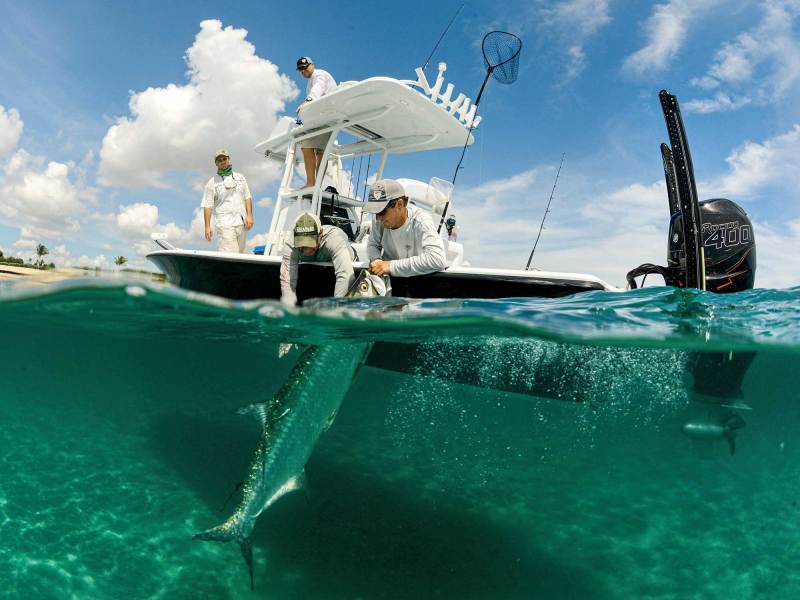
Few sights in saltwater angling compare to a hundred-pound tarpon launching itself through a wall of silver mullet. From the coastal beaches of the Carolinas down through the Georgia strand and throughout Florida, the "Silver King" patrols the outer edges of the surf line. The primary challenge for tarpon chasers isn’t finding fish—it’s convincing a targeted silver king to inhale a hooked offering when it is surrounded by thousands of free, uncompromised meals. Patience, precision, and accurate placement of live baits at the edge of breaking water are mandatory for success.
Pelagic Invaders: Kingfish and Barracuda
When the mullet schools venture a mile or two offshore, heavy-hitting pelagics crash the party. Twenty-pound-class king mackerel and aggressive barracuda are frequent visitors to these deeper pods. Because these predators use razor-sharp teeth to clip the tails of live baits, anglers must deploy wire leaders and slow-troll tandem-hook live-bait rigs. When working these deeper zones, keep a watchful eye on the horizon for kingfish skyrocketing out of the water, and position your boat carefully to avoid spooking the bait schools.
Secondary Marauders: Jacks, Blues, and Spanish Mackerel
While the glamour species command headlines, anglers shouldn’t overlook the blistering action provided by jack crevalle, bluefish, and Spanish mackerel. A school of 15-pound yellow-tinged jacks can annihilate a mullet pod in seconds, creating a surface blitz that will test the stamina of any angler. These aggressive feeders are prime targets for fly-fishermen and light-spin anglers looking for non-stop, high-octane rod-bending action.
Official Statements and Fisheries Management Insights
Marine biologists and state wildlife agencies closely monitor the mullet run, viewing it as a vital health indicator of coastal ecosystems.
Dr. Elena Vance of the Atlantic Marine Fisheries Institute emphasizes the ecological significance of the migration: "The fall mullet run is a primary energy pulse for our coastal marine environments. The immense biomass moving from estuaries to nearshore waters transfers vital nutrients across ecosystems. Monitoring the timing and density of these schools provides our researchers with critical data regarding estuarine health, water quality impacts, and the resilience of apex predator populations."
Concurrently, state enforcement divisions urge recreational and commercial fishermen to strictly adhere to harvest limits, especially concerning commercially targeted striped mullet and protected gamefish species. Sustainable harvesting practices during this vulnerable spawning period ensure that the magnificent spectacle of the fall mullet run remains robust for generations of anglers to come.
Future Outlook: Preserving the Coastal Phenomenon
As coastal development, habitat degradation, and shifting climate patterns continue to exert pressure on estuarine environments, the future health of the mullet run depends heavily on proactive conservation. Protecting the marshlands, sea grass beds, and mangrove forests where juvenile mullet spend the critical early stages of their lives is paramount.
Furthermore, responsible catch-and-release ethics during peak spawning runs—particularly for oversized redfish, tarpon, and breeding-age snook—ensure that the delicate balance of the coastal food web is maintained. For the modern angler, the fall mullet run is more than just a seasonal fishing opportunity; it is a profound reminder of the raw, untamed vitality of our oceans, demanding our utmost respect, protection, and stewardship.



0 Comments