

Executive Overview
Tucked safely away from the bustling Gulf Coast beaches and high-end luxury shopping districts that typically define Sarasota, Florida, lies Pinecraft—a community entirely unique to the Sunshine State. As Florida’s only permanent Amish and Mennonite enclave, Pinecraft has functioned for nearly a century as a cultural touchstone for plain-living communities across North America. While historically recognized as a seasonal winter sanctuary for northern families seeking refuge from freezing temperatures, the enclave has matured into a vibrant year-round settlement characterized by modest homes, three-wheel bicycles, distinct traditional attire, and the soft hum of German dialects spoken among neighbors.
At the geographic and social heart of this community sits Pinecraft Park, a modest county-managed green space edged by the gentle, tannin-stained waters of Phillippi Creek. Originally established in the 1920s as a humble tourist camp, the park today serves as a multi-use neighborhood hub. Here, men gather in the shade for competitive rounds of shuffleboard, families set out expansive picnic spreads, and outdoor enthusiasts access a surprisingly diverse natural landscape.
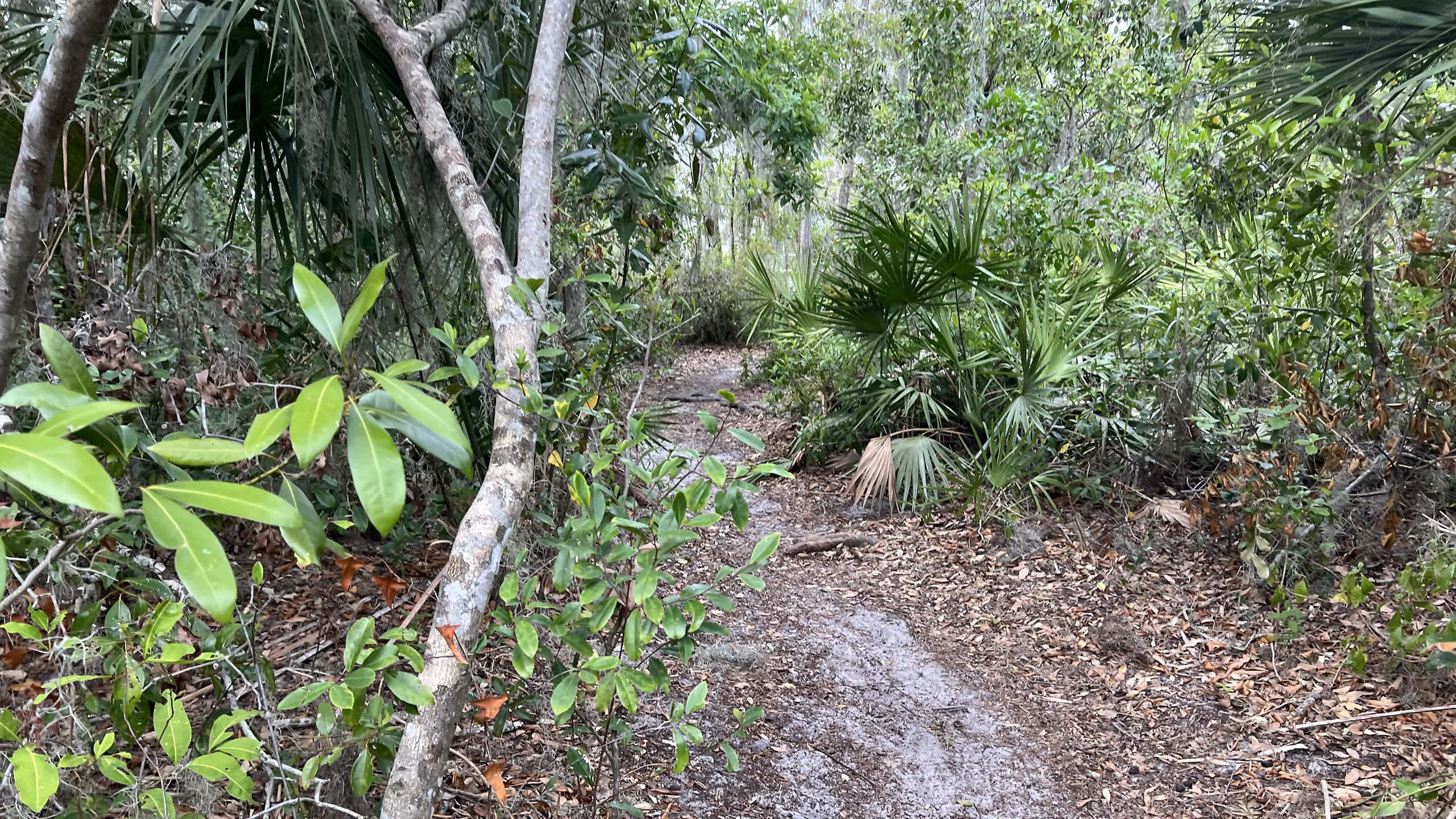
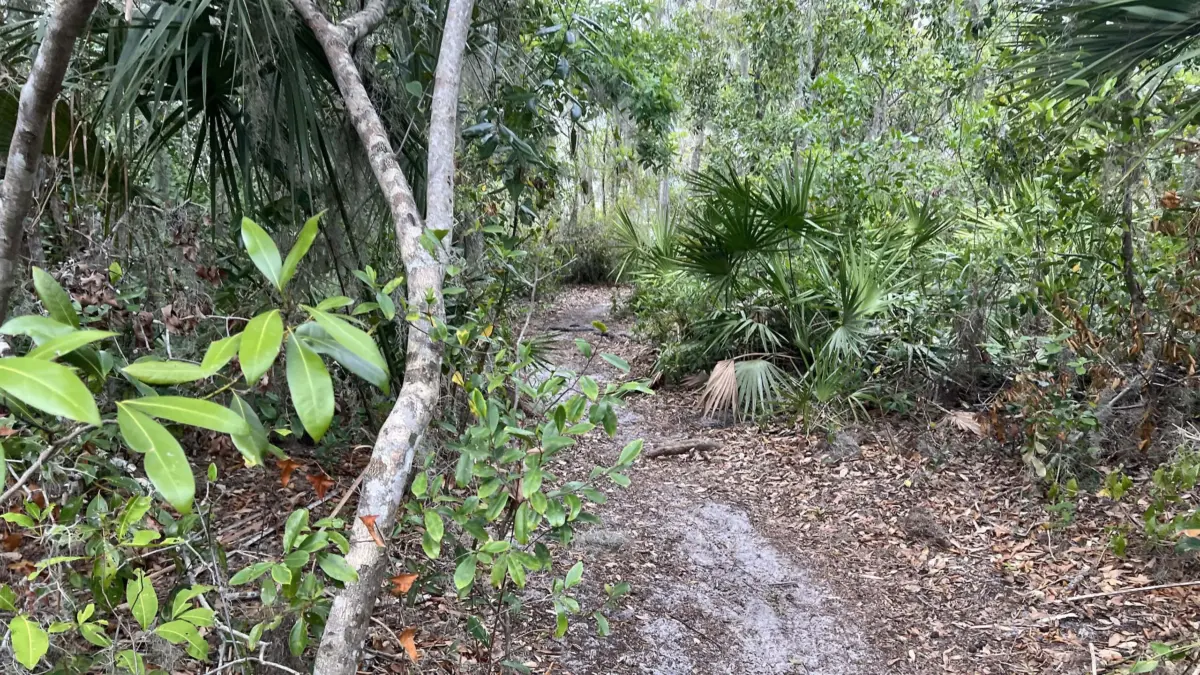
However, Pinecraft Park offers a fascinating dichotomy. Visitors stepping off the paved recreation paths and onto the property’s wilder interior—the Mesic Hammock Trail—encounter a recovering subtropical wilderness. Heavily impacted by extreme weather events, most notably Hurricane Milton, the hammock presents a raw, untamed maze of dense understory, fallen branches, and resilient native flora. Amid the invasive ornamentals and storm-scarred oaks, sharp-eyed hikers can discover botanical rarities, including blooming populations of Pigmy fringetrees reaching the absolute southernmost limit of their native range.
This comprehensive guide explores Pinecraft Park’s unique cultural backdrop, details a precise, turn-by-turn route of its 1.1-mile trail system, provides vital planning resources, and highlights the broader ecological network preserved within urban Sarasota County.

Detailed Chronology: A Step-by-Step Exploration of the Pinecraft Trail System
Spanning a total distance of 1.1 miles, a walk through Pinecraft Park is a dual-experience journey. It bridges manicured community recreation areas with an immersive, rugged dip into a semi-tropical hammock. Below is a detailed chronological breakdown of the route, designed to guide hikers safely through the park’s intricate terrain.
Phase 1: Entering the Mesic Hammock
The pedestrian journey begins at the southern edge of the park grounds, immediately adjacent to the official entrance sign for the Mesic Hammock Trail. Hikers cross a small pedestrian footbridge spanning a minor waterway, stepping directly into the shaded canopy of the hammock.

Upon clearing the bridge, visitors face an immediate three-way junction. Turning left initiates a clockwise circuit. Overhead, the oak canopy reveals a distinct sparseness—a direct architectural alteration caused by the heavy winds of recent hurricanes, which stripped branches and shredded canopies. Despite this light exposure, a narrow, unpaved footpath immediately plunges into a thicket of aggressive vegetation. Wild grapevines swarm neighboring tree trunks, while coral bean bushes punctuating the trail display striking, spiky crimson blossoms. Native southern red cedar and wild coffee shrubs steadily crowd the margins, creating a tight, immersive corridor.
Navigating deeper, hikers encounter a T-intersection. Because the left fork dead-ends quickly into dense underbrush, the route bears right, funneling visitors down a narrow corridor walled by thick vegetation. The path winds steadily southward, dipping under low-hanging branches of juvenile trees and sweeping past the sturdy trunk of a tall hickory. Here, wild coffee seedlings sprout thickly from the rich organic leaf litter, carpeting the forest floor.

Phase 2: Streamside Wandering and the Back Gate
Continuing past a dense stand of marlberry shrubs, hikers reach a secondary junction. Bearing left leads down a dramatic, sloping descent beneath massive, sprawling live oaks. The path eventually climbs upward to meet a back maintenance gate at the park’s perimeter.
This short side excursion rewards visitors with a clear vantage point of a vigorous stream spilling out of the adjacent residential neighborhood and discharging directly into the park’s ecosystem. After pausing to observe the flowing water, hikers retrace their steps a few yards back to the previous junction.

Turning left from this point places the trail directly parallel to the stream along an elevated wooded bluff. For the first time within the hammock, a yellow-blazed tree marks the route—a rare navigational aid in a park where trails are otherwise unblazed and shaped primarily by foot traffic. The path cuts through the semi-tropical underbrush, opening briefly onto high ground overlooking a steep-sided ravine. Down below, partially obscured by an abundance of escaped residential landscaping plants, a narrow, winding water channel snakes its way toward a larger confluence.
Phase 3: The Strangler Fig and Creek Bluffs
Moving away from the ravine, the broad, leafy path climbs gently through a dense thicket of vegetation. Along this ascent, hikers encounter a striking botanical curiosity: the trunk of a strangler fig twisted into an organic loop that remarkably mirrors the shape of a musical treble clef from sheet music.

Bearing left past the fig, the sandy pathway slips through a thicket of marlberry, ultimately opening into a lighter, more spacious section of the hammock punctuated by young bay trees. Within roughly 0.3 miles of starting, hikers approach the vicinity of the original entrance bridge. Rather than exiting, the route bears left, initiating a distinct downhill slope into a low hollow carpeted with saw palmetto.
A short, sandy spur trail branching off to the right climbs abruptly onto a high bluff overlooking Phillippi Creek. This elevated perch provides one of the few unobstructed views of a rare, natural, unarmored shoreline along the waterway. Dropping back down to the main trail, the path descends further, offering another sweeping vista of the dark, tannin-rich stream. Weaving gracefully between towering cabbage palms, the sandy trail loops away from the primary creek channel.

Phase 4: Confluence and the Return Journey
The trail bottoms out at a T-junction situated right alongside the smaller neighborhood stream just as it meets the broader expanse of Phillippi Creek. A short spur to the right affords an ideal overlook of this watery confluence.
Turning upstream, hikers tackle a steep, lung-burning ascent up the bluff that parallels the smaller stream. Openings in the canopy and vegetation offer intermittent peeks back down toward the flowing water. At approximately the 0.5-mile mark, the path curves past a final scenic glimpse of the waterway and continues climbing past an official warning sign alerting visitors to an active honey bee hive in the vicinity.

The trail narrows significantly here, forcing a tight, demanding scramble up a steep earthen ridge. This climb reconnects hikers with the path they traversed earlier near the neighborhood boundary. Turning left, visitors pass the musical-clef strangler fig for a second time, bearing left to retrace the central forest corridor.
By 0.6 miles, the route returns to the initial footbridge, marking the conclusion of the Mesic Hammock Trail loop.

Phase 5: The Paved Levee and Park Amenities
Exiting the natural area, the trek transitions from wilderness hiking to manicured park exploration. Directly across from the parking area, a paved walkway extends for a quarter-mile along an engineered levee fronting Phillippi Creek.
To complete the full 1.1-mile distance, hikers undertake a round-trip along this paved corridor. The route passes vibrant community spaces, including children’s playground equipment, shaded picnic pavilions, and heavily active shuffleboard courts where residents and visitors frequently congregate. The turnaround point rests quietly beneath a dense canopy of mature live oaks and magnolias at the northern boundary of the park, bringing a well-rounded end to a journey that seamlessly blends local culture, history, and recovering Florida wilderness.

Supporting Context & Metrics
Understanding Pinecraft Park requires examining the logistical, geographical, and ecological data that govern the site.
Essential Site Metrics & Logistics
- Location: Sarasota, Florida (Sarasota County)
- Total Trail Length: 1.1 miles (combining the unpaved hammock loop and paved levee path)
- Trailhead Coordinates: 27.319510, -82.503992
- Physical Address: 1420 Gilbert Ave, Sarasota, FL 34239
- Admission Fees: Free to the public
- Operating Hours: Open daily from 6:00 AM to 10:00 PM
- Amenities: Restrooms located at the trailhead; boat launch ramp for paddlers; picnic pavilions; shuffleboard courts; children’s playground.
- Restrictions: Bicycles are strictly prohibited on the natural hammock trail. Signage explicitly notes that pets are not permitted within the park.
- Land Manager: Sarasota County Parks, Recreation and Natural Resources
- Contact Phone: 941-861-5000
Botanical Significance: The Pigmy Fringetree
While the mesic hammock contains a high volume of ornamental invasive species introduced from nearby residential gardens, it holds significant ecological value due to native botanical populations. Most notably, the park supports specimens of the Pigmy fringetree (Chionanthus pygmaeus).

Blooming brilliantly in shades of ivory-green throughout the month of March, these delicate flowers stand out sharply against the dark green backdrop of saw palmetto fans. The Pigmy fringetree is a rare Florida endemic typically found in scrub habitats much further north in the state. Pinecraft Park represents the extreme southernmost edge of the species’ natural geographic range, making these scattered individuals an unexpected and valuable discovery for local botanists and nature lovers.
Official Statements & Community Perspectives
Pinecraft Park operates at the unique intersection of municipal recreation management and a tight-knit, insular religious community. Local land managers emphasize the importance of balancing public access with resource preservation, particularly in the wake of recent severe weather events.

"Our priority in managing county parks like Pinecraft is twofold: maintaining safe, accessible recreational facilities for families and sports enthusiasts, while simultaneously stewarding delicate urban natural resources," notes Sarasota County Parks, Recreation and Natural Resources administration. "The damage sustained from severe weather systems like Hurricane Milton required extensive evaluation of our tree canopies and trail corridors. We urge all visitors to respect trail boundaries, heed warning signage—such as active beehive alerts—and keep bicycles strictly on designated paved pathways to protect the fragile hammock understory."
Cultural historians and community advocates emphasize that Pinecraft’s charm lies in its deliberate preservation of a slower, simpler pace of life right in the middle of a rapidly developing coastal metropolis.

"Pinecraft is living history," notes regional outdoor author and expert Sandra Friend. "While thousands of tourists flood Sarasota’s beaches every winter, this community maintains its distinct identity rooted in faith, family, and fellowship. Pinecraft Park serves as the backyard for that community—a place where shuffleboard matches are fiercely contested, children play freely, and just a few yards away, a hidden hammock shelters rare native flora like the Pigmy fringetree. It’s a microcosm of old Florida meeting a deeply traditional culture."
Future Outlook
As Sarasota County continues to experience rapid population growth, suburban expansion, and the long-term environmental pressures of a changing climate, spaces like Pinecraft Park face complex management challenges.

Ecological Restoration and Storm Recovery
The immediate future of Pinecraft Park’s natural areas centers on post-storm recovery and invasive species mitigation. Hurricane Milton severely impacted the mesic hammock, breaking large limbs, tearing open canopies, and encouraging aggressive growth among non-native, invasive plant species that routinely escape from neighboring residential properties. County land managers and local conservation volunteers face an ongoing battle to clear invasives without destabilizing the delicate soil structure along the Phillippi Creek ravines. Future management plans will likely incorporate targeted exotic removal efforts to give native species—such as the vulnerable Pigmy fringetrees and wild coffee—a competitive advantage.
Balancing Urban Growth and Cultural Preservation
Simultaneously, the Pinecraft enclave itself navigates the delicate tension between modern tourism and cultural preservation. As real estate values in Sarasota skyrocket, development pressures edge closer to the traditional boundaries of the neighborhood. Yet, the enduring popularity of Pinecraft Park as a communal gathering space ensures that the heart of the enclave remains protected. The active maintenance of shuffleboard courts, picnic pavilions, and green spaces guarantees that Pinecraft Park will continue to serve as a vital bridge between Sarasota’s urban community and its unique Amish and Mennonite residents for generations to come.

0 Comments