

Executive Overview
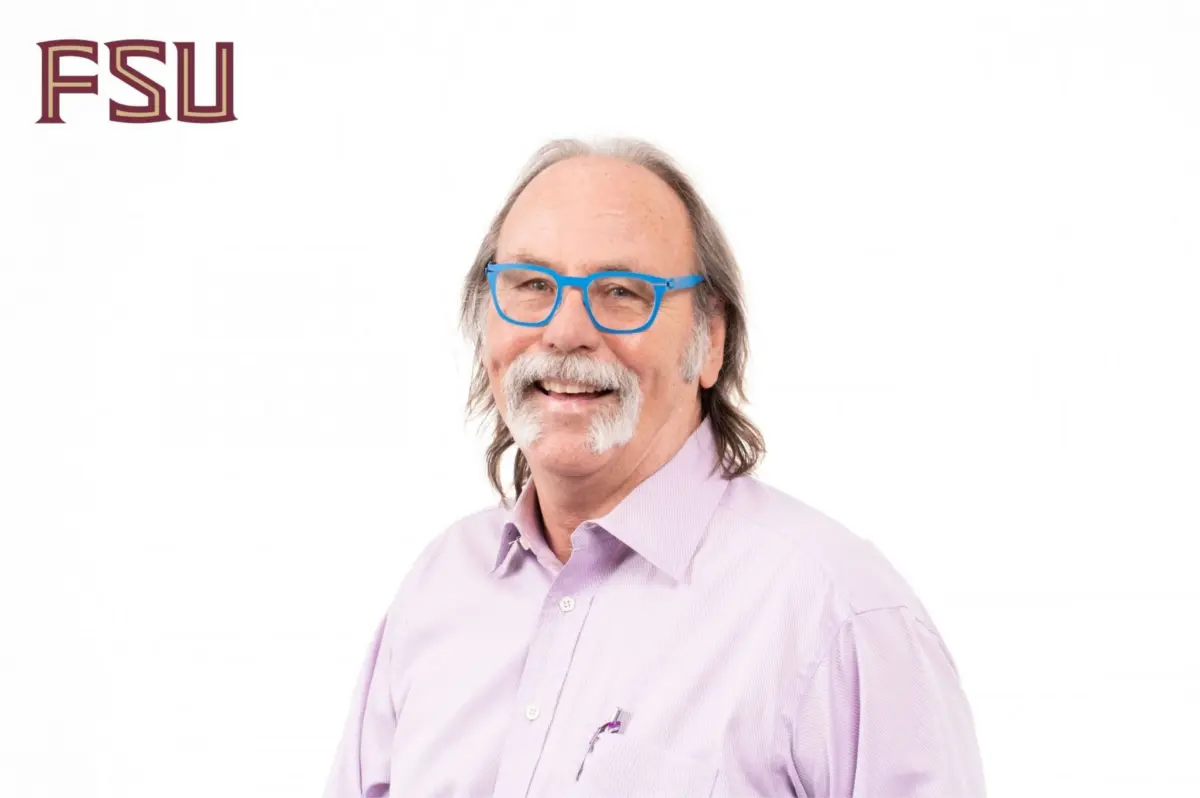
In an era defined by political polarization, shifting democratic norms, and eroding public trust in core societal pillars, the question of institutional authority has never been more urgent. On Tuesday, October 13, 2026, the Florida State University (FSU) Department of Political Science will host a landmark public lecture featuring one of the world’s foremost authorities on political tolerance and institutional legitimacy: James L. Gibson, FSU Provost’s Research Professor of Political Science.
Entitled “Legitimacy: The Theory of the Century,” the lecture will draw upon Gibson’s four decades of pioneering empirical research. It aims to decode how democratic institutions earn, maintain, and—most critically—lose the public’s confidence. Against the backdrop of contemporary democratic backsliding across the globe, Gibson’s presentation promises a rigorous examination of the mechanisms that sustain or fracture the social contract between citizens and the state.
This comprehensive preview explores the intellectual foundations of Gibson’s upcoming lecture, chronicles his illustrious academic career and recent accolades, examines the broader institutional framework of FSU’s College of Social Sciences and Public Policy (COSSPP), and assesses the future outlook for democratic legitimacy in an increasingly volatile political landscape.
Detailed Chronology and Event Logistics
The upcoming academic event is structured to engage both the university community and the wider public, fostering a dialogue on the future of democratic governance.
Event Schedule & Venue
- Date: Tuesday, October 13, 2026
- Lecture Time: 3:30 P.M. – 4:30 P.M. EST
- Reception: 4:30 P.M. EST (Immediately following the lecture)
- Location: Beth Moor Lounge, Longmire Building
- Address: 125 Convocation Way, Tallahassee, FL 32306
- Admission: Free and open to the general public, students, and academic researchers.
The Evolution of Gibson’s Lecture Series
The selection of the theme “Legitimacy: The Theory of the Century” is not merely rhetorical; it reflects a historical turning point in social science research. Over the past decade, political scientists have observed a measurable decline in public trust across judicial, legislative, and executive branches of government worldwide. Gibson’s lecture will synthesize decades of survey data, cross-national studies, and longitudinal research to explain why traditional models of compliance are breaking down.
Attendees can expect a deep dive into sociological legitimacy—the concept that people obey laws and respect institutions not merely out of fear of punishment or rational calculation, but because they believe those institutions possess moral authority and rightful power.
Supporting Context & Metrics: The Science of Legitimacy
To fully appreciate the weight of James L. Gibson’s upcoming discourse, one must understand the anatomy of sociological legitimacy and the empirical methodologies used to measure it.
Defining Sociological Legitimacy
In political science and sociology, legitimacy differs fundamentally from mere popularity. While a politician’s approval rating may fluctuate wildly based on daily news cycles, institutional legitimacy represents a deep-seated reservoir of goodwill. It is the psychological anchor that allows citizens to accept unfavorable judicial rulings, disputed election results, or difficult policy compromises without resorting to civil unrest.
Broadly defined, legitimacy describes the willingness of populations to recognize the rightful authority of political, legal, economic, and social institutions. When that reservoir is drained—often through sustained partisan attacks, systemic corruption, or democratic backsliding—the foundational stability of the state is imperiled.
The Anatomy of Democratic Backsliding
In his recent works, including the 2024 volume Democracy’s Destruction?, Gibson has explored how democratic norms are dismantled not through sudden, violent coups, but through a slow, systemic erosion from within. When institutional actors undermine the independence of courts, challenge the integrity of electoral systems, or weaponize public distrust for short-term political gain, they deplete the systemic capital required to keep a democracy functioning.
Gibson’s research utilizes sophisticated quantitative polling techniques to track how ordinary citizens perceive these threats. By examining public tolerance for dissent, minority rights, and institutional checks and balances, his work provides policymakers and scholars with empirical metrics to gauge the health of modern democracies.
The Academic Footprint of James L. Gibson
Gibson’s arrival at Florida State University this fall as a Provost’s Research Professor represents a major coup for the Department of Political Science. Over a career spanning more than forty years, Gibson has cemented his reputation as a titan in the study of democratic legitimacy, political tolerance, and public support for legal systems.
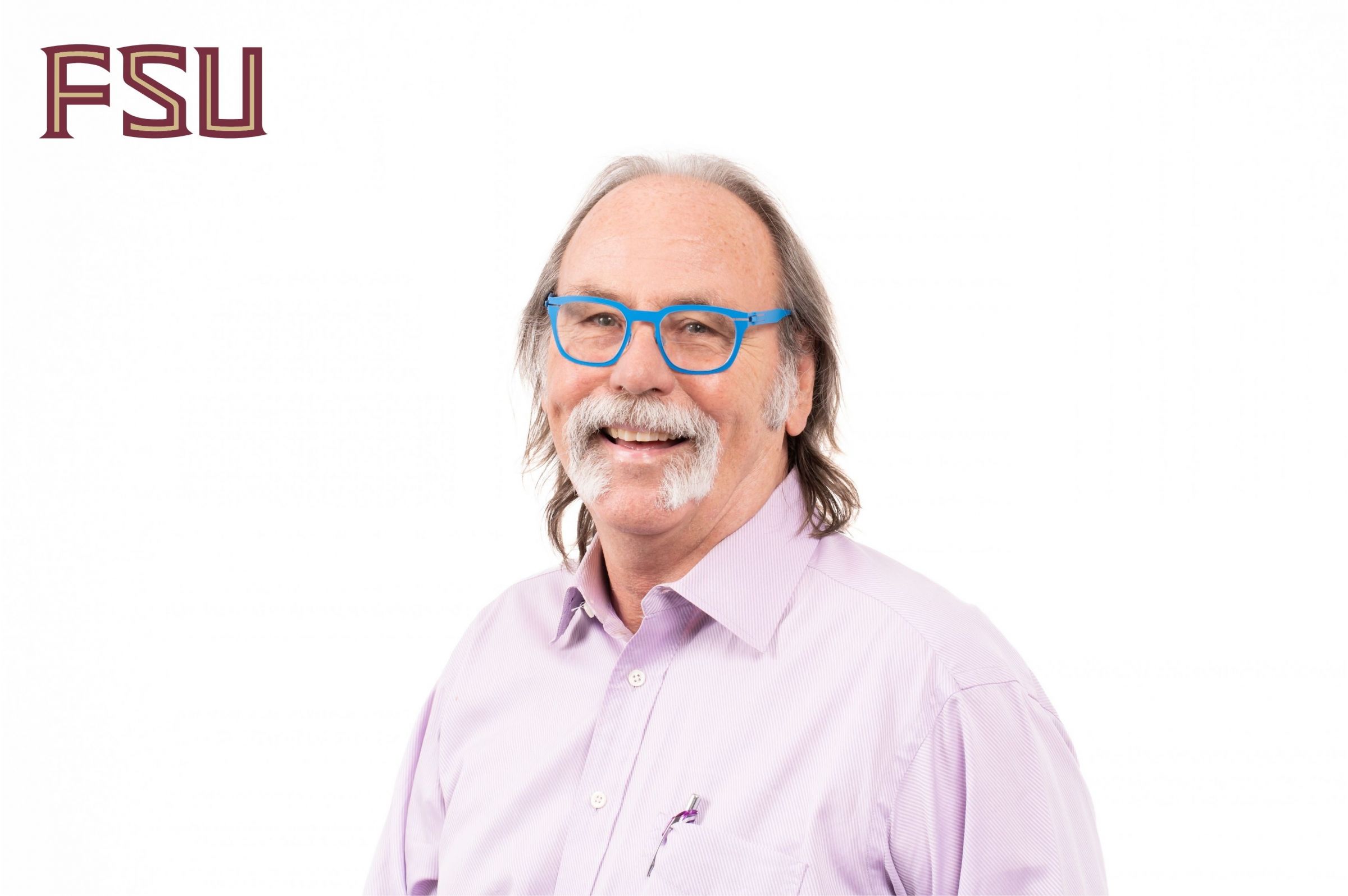
- Prolific Scholarship: Gibson has authored or co-authored more than 100 scholarly articles in top-tier academic journals and penned several seminal books, including Black and Blue (2018), which examined perceptions of police legitimacy and racial justice.
- Recent Accolades: In 2026, Gibson was honored with the prestigious Warren E. Miller Award from the American Political Science Association (APSA). This accolade recognizes his extraordinary lifetime contributions to the study of elections, public opinion, and voting behavior, placing him in the pantheon of political science elite.
Official Statements and Institutional Impact
The hosting of a scholar of Gibson’s caliber underscores the rising prominence of Florida State University’s Department of Political Science and its parent organization, the College of Social Sciences and Public Policy (COSSPP).
The Role of COSSPP and the Department of Political Science
Led by a vibrant and research-active faculty, the FSU Department of Political Science is a powerhouse of academic inquiry and student development. Housing approximately 1,300 majors, the department accounts for roughly one-third of all undergraduate students within COSSPP.
The department’s Ph.D. program attracts top-tier doctoral candidates from across the globe, creating a dynamic intellectual ecosystem that bridges theoretical research with real-world applications. A prime example of this commitment to experiential learning is the Applied Politics & Policy Learning Experience (APPLE) program. Recognized as the only initiative of its kind in the nation, the APPLE program provides undergraduates with immersive, hands-on political experience within the halls of the Florida Legislature in Tallahassee and the federal corridors of Washington, D.C.
Fostering Critical Discourse
University administrators and department leaders emphasize that events like Gibson’s lecture are vital to fulfilling higher education’s core mission: cultivating an informed, critically thinking citizenry. In an era where misinformation threatens to distort public discourse, providing a platform for empirical, data-driven analysis is essential.
"The study of how institutions maintain or lose their authority is perhaps the defining challenge of our political moment," noted department leadership ahead of the event. "Having Professor Gibson share his lifetime of insights with our students, faculty, and the broader Tallahassee community exemplifies our dedication to tackling the most pressing issues of contemporary governance."
Future Outlook: Navigating the Crisis of Trust
Looking ahead, the implications of Gibson’s research extend far beyond the ivory tower. As established democracies grapple with polarization, populist movements, and institutional fatigue, the findings presented in “Legitimacy: The Theory of the Century” offer both a warning and a roadmap.
The Fragility of Public Trust
The core takeaway from Gibson’s decades of work is sobering: legitimacy is exceedingly difficult to build, painfully slow to repair, but remarkably easy to destroy. Once the public comes to view courts, legislatures, and electoral bodies as partisan tools rather than neutral arbiters, rebuilding that trust can take generations.
Future research by scholars at institutions like FSU will likely focus on how digital media ecosystems, algorithmic radicalization, and economic inequality accelerate this erosion of trust. Furthermore, researchers are increasingly examining cross-national comparisons to identify structural reforms—such as electoral system redesign or judicial transparency initiatives—that can successfully insulate institutions from populist decay.
A Call to Action for Scholars and Citizens
As Gibson takes the podium at the Beth Moor Lounge on October 13, his message will resonate with anyone concerned about the trajectory of modern governance. The lecture serves as a timely reminder that democracy is not a self-sustaining machine; it requires constant maintenance, institutional respect, and an electorate that understands the vital difference between disagreement and delegitimization.
For students, researchers, and engaged citizens in Florida’s capital region, this lecture offers an invaluable opportunity to engage directly with cutting-edge social science. In an uncertain world, James L. Gibson’s exploration of legitimacy provides the intellectual clarity needed to understand the present—and safeguard the future of democratic institutions.
For more information on the Department of Political Science and upcoming events within the College of Social Sciences and Public Policy, visit cosspp.fsu.edu/polisci.

0 Comments