

Executive Overview
As democratic systems across the globe navigate an era defined by deep polarization, institutional distrust, and rising authoritarian pressures, the question of how governments maintain the voluntary compliance of their citizenry has never been more urgent. On Tuesday, Oct. 13, 2026, the Florida State University (FSU) Department of Political Science will host a landmark public lecture addressing this exact crisis.
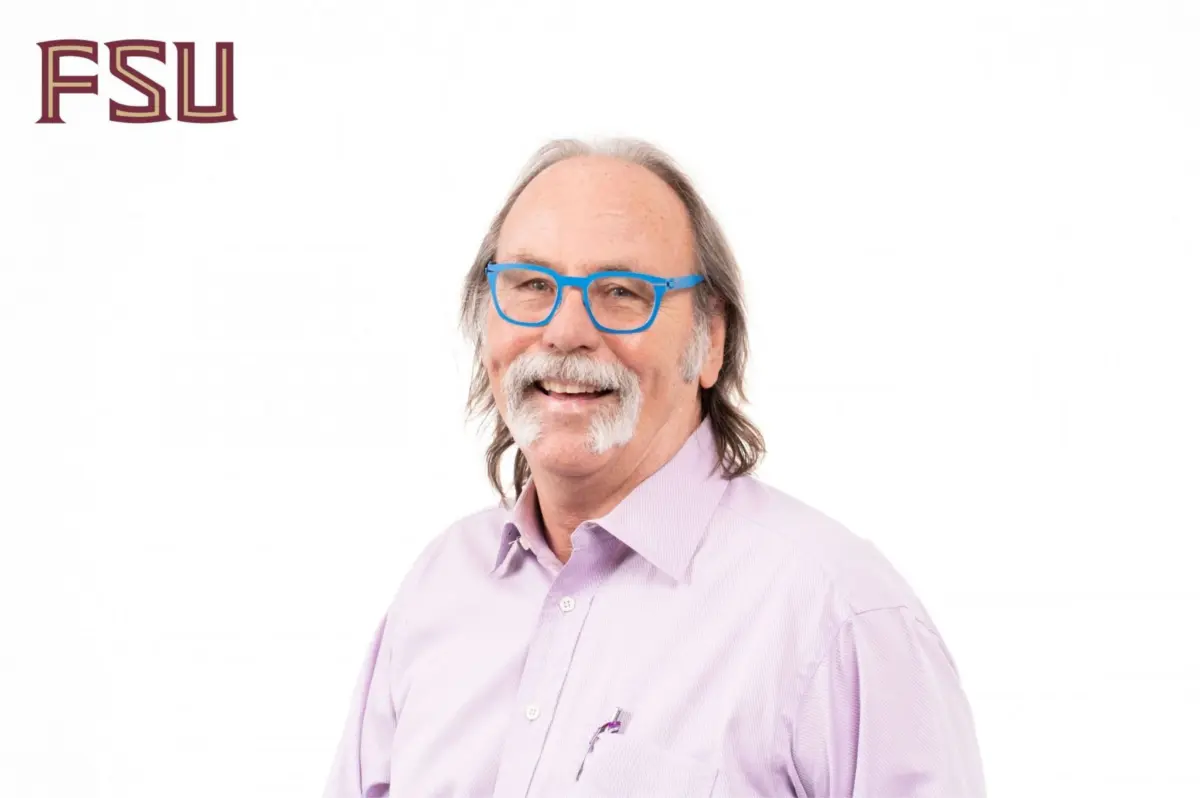
Titled "Legitimacy: The Theory of the Century," the address will be delivered by James L. Gibson, FSU’s newly appointed Provost’s Research Professor of Political Science and one of the world’s foremost authorities on democratic institutions, political tolerance, and public opinion.
Drawing upon more than four decades of empirical research, Gibson’s lecture will explore the mechanics of sociological legitimacy—the invisible social glue that compels citizens to recognize the rightful authority of legal, political, economic, and social institutions. Crucially, the lecture will examine the perilous dynamics of institutional decay, presenting rigorous data on how foundational pillars of democracy can lose their legitimacy, particularly during periods of accelerated democratic backsliding.
The event, which is free and open to the public, represents a major academic highlight for FSU’s College of Social Sciences and Public Policy (COSSPP). It offers students, faculty, researchers, and community members a rare opportunity to engage directly with a scholar whose work has fundamentally shaped modern political science. Following the 3:30 p.m. lecture, attendees are invited to a formal reception at 4:30 p.m. in the historic Beth Moor Lounge, located within the Longmire Building on FSU’s Tallahassee campus.
This comprehensive report examines the core themes of Gibson’s upcoming lecture, traces his illustrious academic career and recent accolades, explores the broader institutional context at Florida State University, and evaluates the future outlook for democratic legitimacy in an increasingly volatile global landscape.
Detailed Chronology and Event Logistics
The Oct. 13 lecture is structured as a comprehensive academic and community event, designed to foster deep dialogue between distinguished scholarship and the public sphere.
Event Schedule and Venue Details
- Date: Tuesday, Oct. 13, 2026
- Lecture Time: 3:30 P.M. EST
- Reception Time: 4:30 P.M. EST
- Location: Beth Moor Lounge, Longmire Building
- Address: 125 Convocation Way, Tallahassee, FL 32306
- Admission: Free and open to the general public, students, and university affiliates.
Evolution of the Lecture’s Core Theme
The intellectual foundation of Gibson’s presentation has been decades in the making. In contemporary political science, "legitimacy" is frequently invoked but rarely rigorously measured. Gibson’s lecture will trace the evolution of the concept from abstract philosophical theory to empirical social science.
By analyzing decades of cross-national and longitudinal survey data, Gibson will demonstrate how institutional legitimacy operates not merely as a passive approval rating, but as a deep-seated normative reservoir. This reservoir is what allows courts, legislatures, and executive offices to enforce unpopular decisions without resorting to physical coercion.
The lecture will pay special attention to the tipping points of institutional decay. When citizens begin to perceive systemic corruption, ideological capture, or procedural unfairness, the reservoir of legitimacy drains rapidly. Gibson’s presentation will outline the early warning signs of this erosion, providing empirical benchmarks for scholars and policymakers attempting to safeguard democratic governance against the tides of backsliding.
Supporting Context & Metrics: The Science of Legitimacy and Gibson’s Scholarly Footprint
To fully grasp the significance of Professor Gibson’s upcoming lecture, one must examine both the mechanics of the theories he studies and the monumental body of work he brings to Florida State University.
Defining Sociological Legitimacy
In the lexicon of the social sciences, legitimacy differs fundamentally from mere performance satisfaction. While performance satisfaction fluctuates based on the state of the economy or immediate policy outcomes, legitimacy is a durable, long-term normative attachment to an institution.
- The Behavioral Impact: High institutional legitimacy ensures compliance even when citizens disagree with specific outcomes (such as a court ruling or a legislative bill).
- The Vulnerability of Backsliding: During eras of democratic backsliding—where norms are systematically undermined by political actors—legitimacy acts as both a shield and a target. When institutions are weaponized for partisan ends, their baseline legitimacy erodes, leaving the entire constitutional order vulnerable to collapse.
A Career Dedicated to Democratic Resilience
James L. Gibson joined the faculty at Florida State University this fall as a Provost’s Research Professor of Political Science, marking a major coup for the department. Over a career spanning more than 40 years, Gibson has established himself as an international authority on how public attitudes affect the survival and quality of democratic systems.
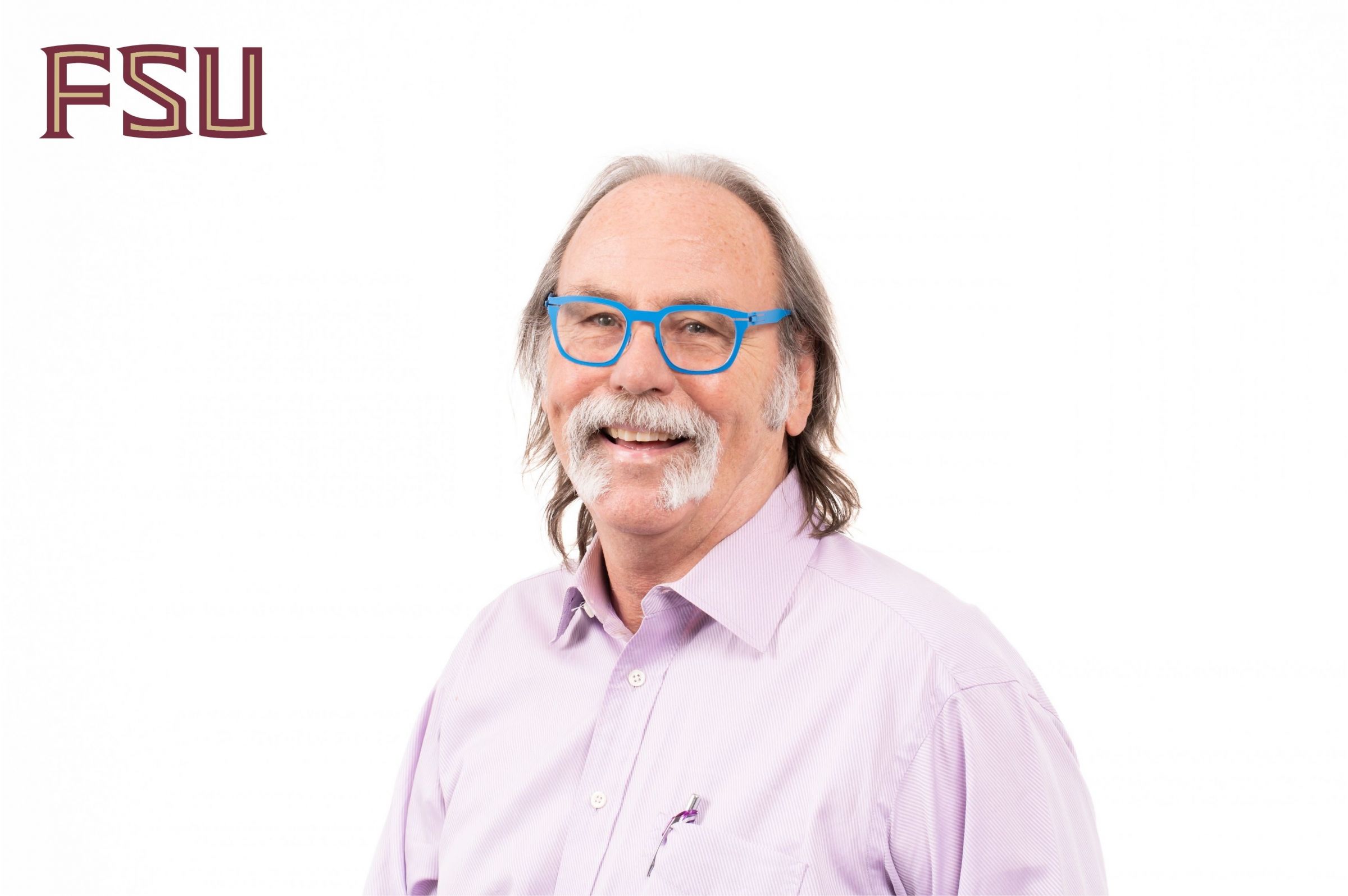
His scholarly output is prolific. Gibson is the author or co-author of more than 100 peer-reviewed scholarly articles published in top-tier academic journals, alongside several definitive books that have shaped modern political science curricula. Notable among his recent publications are:
- Democracy’s Destruction? (2024): An incisive empirical examination of the contemporary threats facing democratic norms, institutional trust, and the rule of law.
- Black and Blue: Constitutionalism and the Supreme Court (2018): A deep dive into how institutional design, race, and legal perceptions influence public support for the American judicial system.
Recent Accolades: The Warren E. Miller Award
Gibson’s contributions to the discipline were officially recognized at the highest level in 2026, when he received the prestigious Warren E. Miller Award from the American Political Science Association (APSA).
The award, presented for career contributions to the study of elections, public opinion, and voting behavior, honors scholars whose lifetime research has fundamentally transformed our understanding of democratic citizenship. Receiving this honor underscores the profound, real-world impact of Gibson’s empirical methodologies, which have often relied on massive cross-national surveys deployed in volatile political environments, from post-apartheid South Africa to polarized Western democracies.
Institutional Profile: FSU’s Department of Political Science and COSSPP
Professor Gibson’s arrival and the hosting of this high-profile lecture reinforce the standing of Florida State University’s Department of Political Science as a powerhouse of empirical research and innovative pedagogy.
Inside the College of Social Sciences and Public Policy (COSSPP)
Housed within the College of Social Sciences and Public Policy (COSSPP), the Department of Political Science is a cornerstone of FSU’s academic identity. The department currently supports roughly 1,300 undergraduate majors—accounting for approximately one-third of the entire undergraduate student population within COSSPP.
Key attributes of the department include:
- Faculty Influence: The department is consistently recognized on a national and international scale for the high research productivity, citation impact, and policy relevance of its faculty members.
- Global Ph.D. Program: FSU’s doctoral program in political science attracts top-tier graduate students from around the world, fostering a rigorous, intellectually diverse research community centered on American politics, comparative politics, international relations, and methodology.
- The APPLE Program: Setting FSU apart from nearly every peer institution in the nation, the Applied Politics & Policy Learning Experience (APPLE) program provides undergraduates with immersive, hands-on political experience. Students in the program secure high-level placements within the Florida Legislature in Tallahassee as well as federal internships in Washington, D.C., bridging the gap between academic theory and practical governance.
Future Outlook: Navigating the 21st-Century Crisis of Democratic Faith
As global political discourse grows increasingly fractious, the implications of James L. Gibson’s research extend far beyond the ivory tower. The central question posed by his lecture—how do institutions retain authority when trust is at an all-time low?—will dictate the trajectory of democratic governance for the remainder of the 21st century.
The Research Frontier
Looking ahead, scholars at institutions like FSU are increasingly turning their attention to the digital ecosystems that accelerate democratic backsliding. Misinformation, algorithmic polarization, and populist rhetoric directly target the psychological reservoirs of institutional legitimacy. Future research championed by scholars of Gibson’s caliber will likely focus on:
- Resilience Engineering: Identifying structural reforms that can restore public trust in courts, electoral systems, and legislatures.
- Cross-National Comparisons: Studying how emerging democracies withstand authoritarian pressures compared to consolidated Western democracies experiencing internal decay.
- Citizen Education: Developing pedagogical tools to enhance political tolerance and critical engagement among younger generations.
A Call to Engagement
The Oct. 13 lecture is more than an academic presentation; it is an invitation for the FSU community and the broader public to confront uncomfortable truths about the fragility of modern governance. By examining the empirical realities of democratic backsliding, attendees will gain a clearer, unvarnished perspective on what it takes to sustain a free society.
As Florida State University continues to attract world-class intellectual capital like Professor James L. Gibson, Tallahassee cements its status as a vital hub for crucial conversations about the future of democracy.
For more information on the Department of Political Science and upcoming events within the College of Social Sciences and Public Policy, visit cosspp.fsu.edu.

0 Comments