

Executive Overview
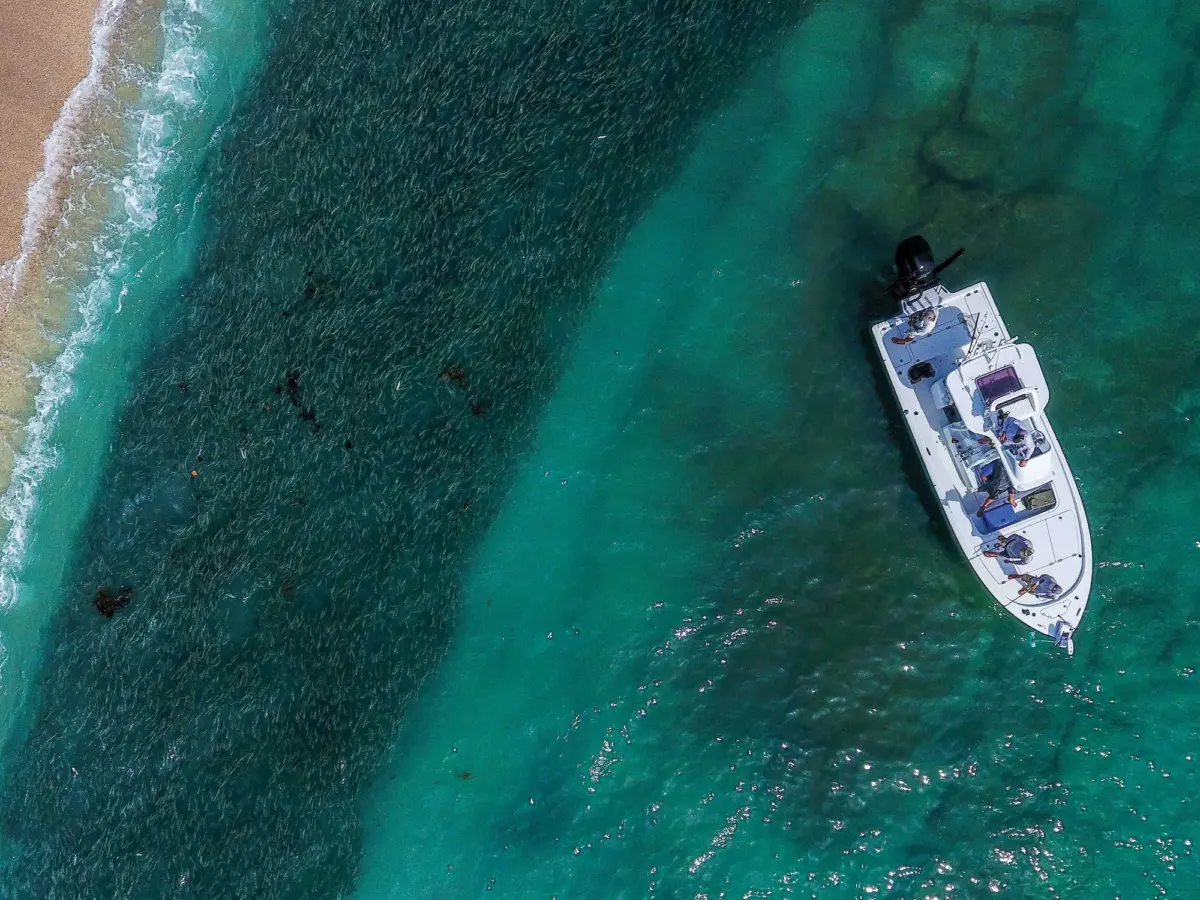
Every autumn, as the oppressive heat of summer begins to wane and a subtle crispness breathes into the coastal air, a marine phenomenon unfolds along the Atlantic Seaboard and the Gulf of Mexico that rivals the great terrestrial migrations of the Serengeti. Known simply as the "mullet run," this seasonal event sees millions upon millions of striped and silver mullet pour out of brackish rivers, sprawling bays, and secluded estuaries to journey along coastal beaches. Ranging in size from diminutive fingerlings to robust three-pound adults, these immense schools of baitfish trigger an absolute feeding frenzy among coastal gamefish.
For the dedicated saltwater angler, the fall mullet run is the absolute pinnacle of the inshore and nearshore calendar. It is a time when apex predators—including massive redfish, explosive tarpon, lineside snook, king mackerel, and ravenous jacks—converge on the shallows to gorge themselves on an effortless bounty. However, successfully capitalizing on this chaotic ecosystem requires more than just casting blindly into boiling water. Understanding the biological triggers, migratory routes, and predatory behaviors associated with the run is essential for transforming chaos into a banner day on the water.
Detailed Chronology: The Seasonal Progression of the Run
The seasonal timeline of the mullet run is governed by an intricate mix of photoperiods, water temperature drops, and biological imperatives. While rogue pods of bait can begin showing erratic movement as early as late August, the true spectacle typically commences after Labor Day and extends deep into November, occasionally pushing into December during unusually warm autumns.
Phase One: September – The Estuarine Exodus
As September arrives, mature mullet that have spent the spring and summer gorging themselves in nutrient-rich backwaters, creeks, and marshes begin to aggregate. Driven by an innate biological clock, these fish form massive, darkened pods near river mouths, inlets, and passes. During this initial phase, the baitfish are often smaller—frequently referred to as "finger mullet"—though larger specimens are mixed within the schools. As cold fronts begin to dip down from the north, pushing a slight northeast wind against the coastline, the trigger is pulled. The mullet surge out of the safety of the estuaries and turn southward along the Atlantic Coast, or move laterally across the Gulf of Mexico.
Phase Two: October – Peak Coastal Carnage
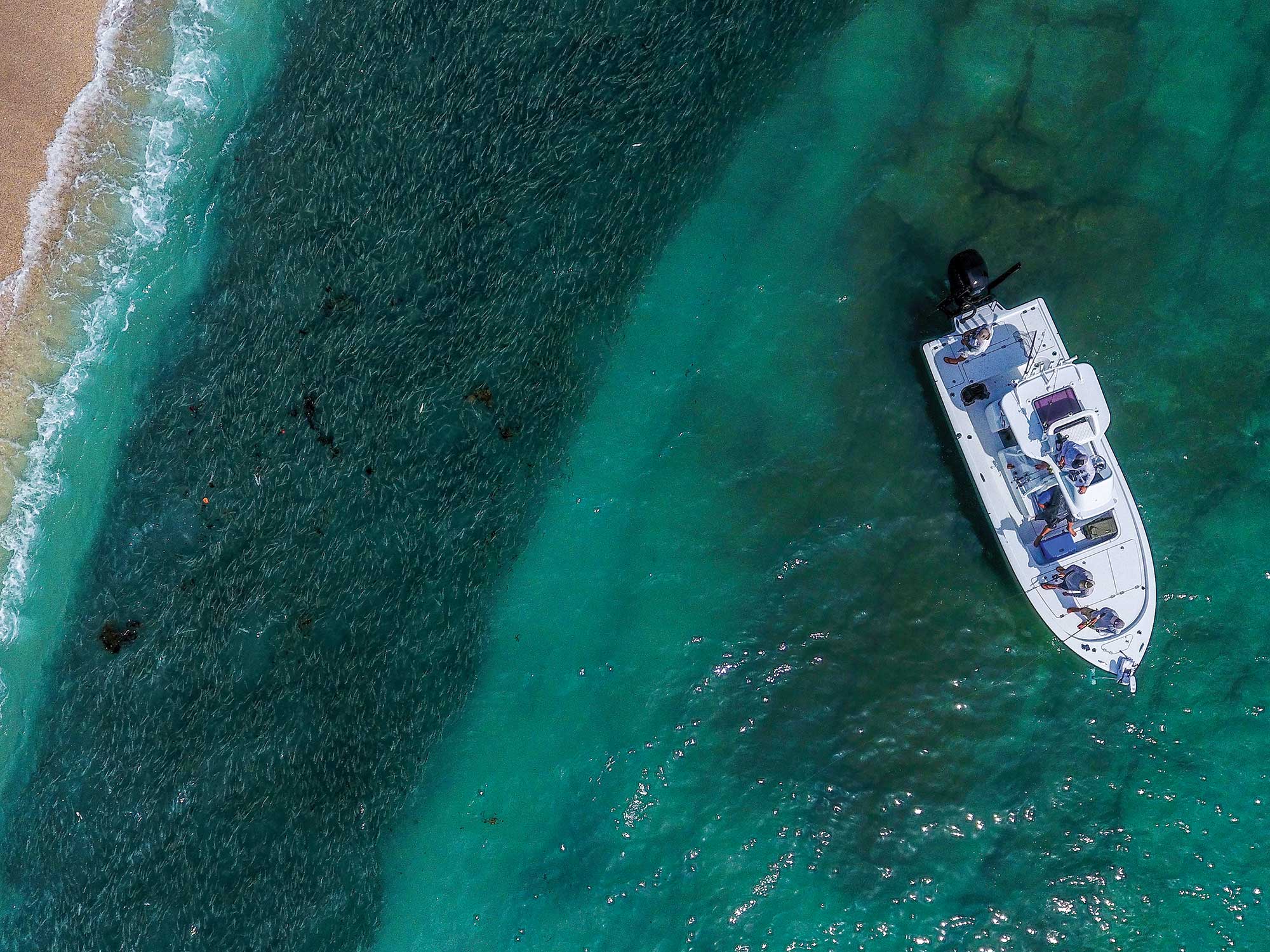
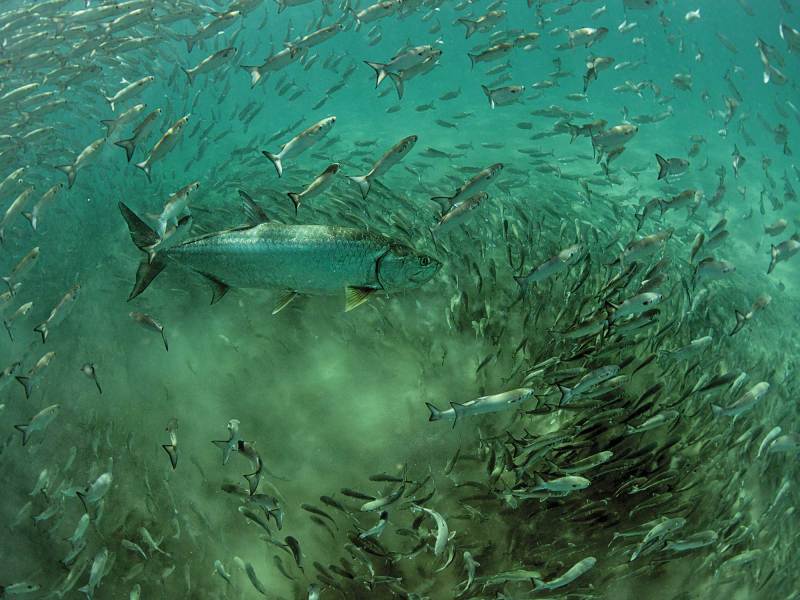
By October, the mullet run hits its absolute zenith. Vast armies of baitfish parade down the surf zone, hugging the shoreline within casting distance of the beach. This is when the coastal ecosystem reaches a boiling point. The sheer volume of moving biomass attracts every marine predator within miles. Redfish push out of the marshes to intercept the parade at river mouths; massive tarpon patrol the outer breakers, violently carving holes through the center of bait pods; and offshore speedsters like king mackerel and barracuda crash the inshore party. For anglers, October is the month of sleepless nights, rigged tackle, and adrenaline-fueled chases.
Phase Three: November and Beyond – The Spawning Finale
As the calendar flips to November, the primary driver of the migration reaches its climax: spawning. Biologists note that mullet migrate specifically to find the precise balance of salinity and temperature required to successfully release eggs and milt. Once these environmental conditions are met in the nearshore marine environment, spawning occurs. The surviving mullet disperse or move deeper, and while the manic surface blitzes begin to taper off, late-season stragglers still provide exceptional opportunities for anglers willing to put in the time.
Supporting Context & Metrics: The Science of the Migration
To truly master the mullet run, an angler must look beyond the surface chaos and examine the biological and oceanographic mechanics that drive the phenomenon.
The Salinity and Spawning Connection
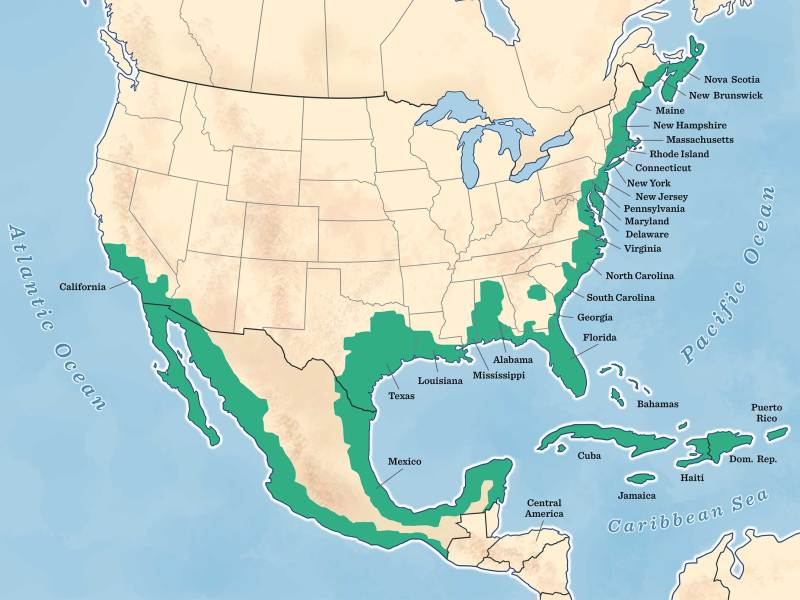
Marine biologists have long studied the migratory patterns of Mugil cephalus (striped mullet) and Mugil curema (silver mullet). While these fish are remarkably euryhaline—capable of thriving in everything from hyper-saline lagoons to freshwater rivers—their reproductive cycle demands specific marine conditions. Research in the Gulf of Mexico has documented white mullet populations traveling upwards of 100 miles during their seasonal migrations. Interestingly, these Gulf populations often move on an east-west axis rather than the classic north-south tracking seen along the Atlantic Seaboard.
When the schools locate water with the ideal saline content and temperature profile, they mass together to broadcast spawn. This mass congregation leaves them vulnerable not only to environmental shifts but also to an unrelenting gauntlet of predators.
Environmental Catalysts: Wind, Tides, and Barometric Pressure
Weather patterns dictate the daily success of the mullet run. Experienced coastal fishermen look for specific atmospheric indicators:
- Wind Direction: A light to moderate northeast wind is considered the holy grail for surf and inshore anglers. This wind direction pushes waves against the shoreline, effectively "stacking" the migrating mullet tight to the beach. When the bait is compressed against the sand, predators can easily trap and slaughter them.
- Barometric Pressure: Falling barometric pressure ahead of an approaching cold front often sends mullet into a frantic, high-speed movement, triggering immediate and aggressive feeding responses from predatory gamefish.
- Water Clarity and Temperature: Clear, cooling water following the passage of a fall front allows visual predators like snook, tarpon, and redfish to easily target individual baitfish within the massive, shadowy pods.
Official Perspectives: Expert Insights on Targeting Key Species
The diversity of gamefish participating in the mullet run means anglers must adapt their tactics depending on their target species. Fisheries experts and veteran guides emphasize matching the hatch and respecting the unique behavioral traits of each predator.
Raging Redfish in the Surf and Inlets
The southeast coast witnesses a massive influx of mature redfish (red drum) entering inlets, sounds, and surf zones during the fall. This coincides directly with the redfish’s own autumn spawning run.
- The Strategy: Anglers targeting oversize drum around mullet pods typically head out at daybreak. They scan slick water surfaces for dark, brownish-colored patches of bait or watch for mullet "nosing" the surface.
- Regulations Note: Mature redfish caught gorging on mullet in beach environments are frequently exceptionally large—often exceeding state slot limits—making catch-and-release protocols essential for preserving these vital spawning stocks.
Snook Feeding Orgies in Southern Florida
While snook can be found north toward Daytona Beach, the true epicenter of mullet-driven snook fishing stretches from Sebastian Inlet down to Miami.
- Expert Insight: Capt. Phil O’Bannon, a renowned Charlotte Harbor guide with extensive experience on both Florida coasts, stresses the importance of precision. "One important key for snook is to match the size bait to the size mullet in a school where linesiders are feeding," O’Bannon explains. "If, for example, bait pods are holding mostly mullet in the 6-inch range, that’s the size bait to employ, preferably caught from the same schools snook are hitting."
Tarpon on a Tear
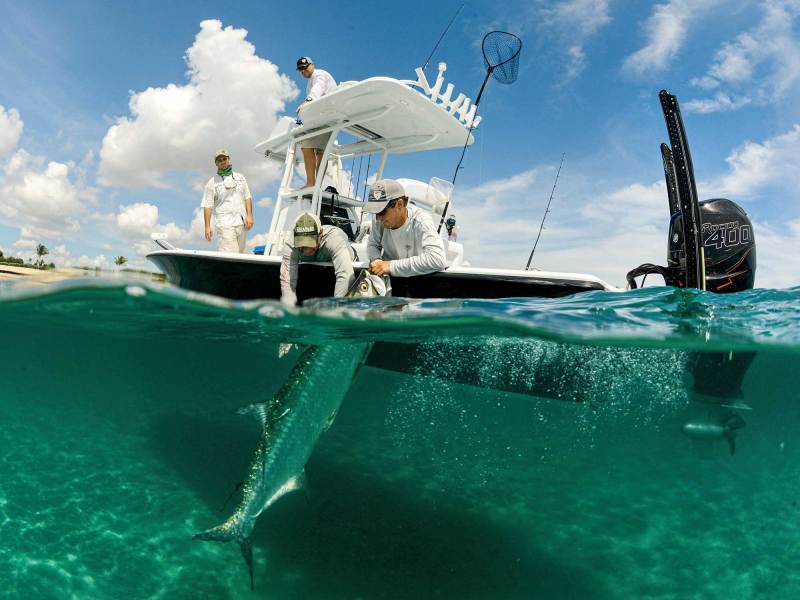
The Tarpon Coast comes alive during the fall migration. From the Carolinas down through the entire span of Georgia and Florida, silver kings aggressively target mullet in the surf zone. Tarpon are notorious for carving massive holes directly through the center of bait schools, launching their massive bodies into the air as they consume disoriented prey. Convincing a tarpon to strike an artificial or hooked live bait when millions of real options are swirling around them remains one of saltwater fishing’s greatest challenges.
Kings, Barracuda, and Pelagic Invaders
When mullet schools extend a mile or two offshore, pelagic predators join the fray.
- Tactics: Twenty-pound-class king mackerel and aggressive barracuda are common targets in deeper nearshore waters. Because these species possess formidable teeth, wire leaders are mandatory. Slow-trolling live baits using tandem-hook rigs is exceptionally effective, as both kings and ‘cudas have a habit of clipping the rear ends of live baits. Anglers must remain vigilant, watching for mackerel skyrocketing out of the water and moving quickly to intercept them without spooking the underlying bait pods.
Jacks, Blues, and Spanish Mackerel
Though tarpon and snook capture most of the glory, secondary species like jack crevalle, bluefish, and Spanish mackerel inflict devastating damage on mullet pods. A swarm of 15-pound yellow-tinged jacks attacking a school creates surface carnage that can electrify even the most jaded angler, offering world-class action for both conventional and fly-fishing enthusiasts.
Future Outlook: Conservation and the Preservation of the Run
As coastal development, habitat loss, and climate variability continue to pressure marine ecosystems, the preservation of the annual mullet run remains a critical priority for fisheries managers and conservationists alike.
Healthy estuaries are the absolute foundation of this migration. Because juvenile mullet spend the critical early stages of their lives sheltered in brackish marshes, seagrass beds, and mangrove creeks, the protection and restoration of these estuarine nurseries are non-negotiable for maintaining robust future populations. Furthermore, responsible harvesting practices by both commercial cast-netters and recreational anglers ensure that breeding-age adults reach their spawning grounds safely.
State and federal wildlife agencies continue to monitor stock assessments for both mullet and their primary predators, implementing adaptive management strategies, size limits, and bag restrictions to balance human utilization with ecological sustainability. As long as coastal habitats remain resilient and water quality is protected, the awe-inspiring autumn spectacle of the mullet run will endure—guaranteeing that future generations of anglers can bear witness to one of the greatest shows in the natural world.

0 Comments